Application scenarios
Process applications of industrial robots on actual production lines: covering 17 types of processes from arc welding, spot welding, palletizing, handling to assembly, grinding, spraying, inspection, and more. Each process page organizes application points, official brand customer cases, and lists the branded equipment applicable within the service scope.
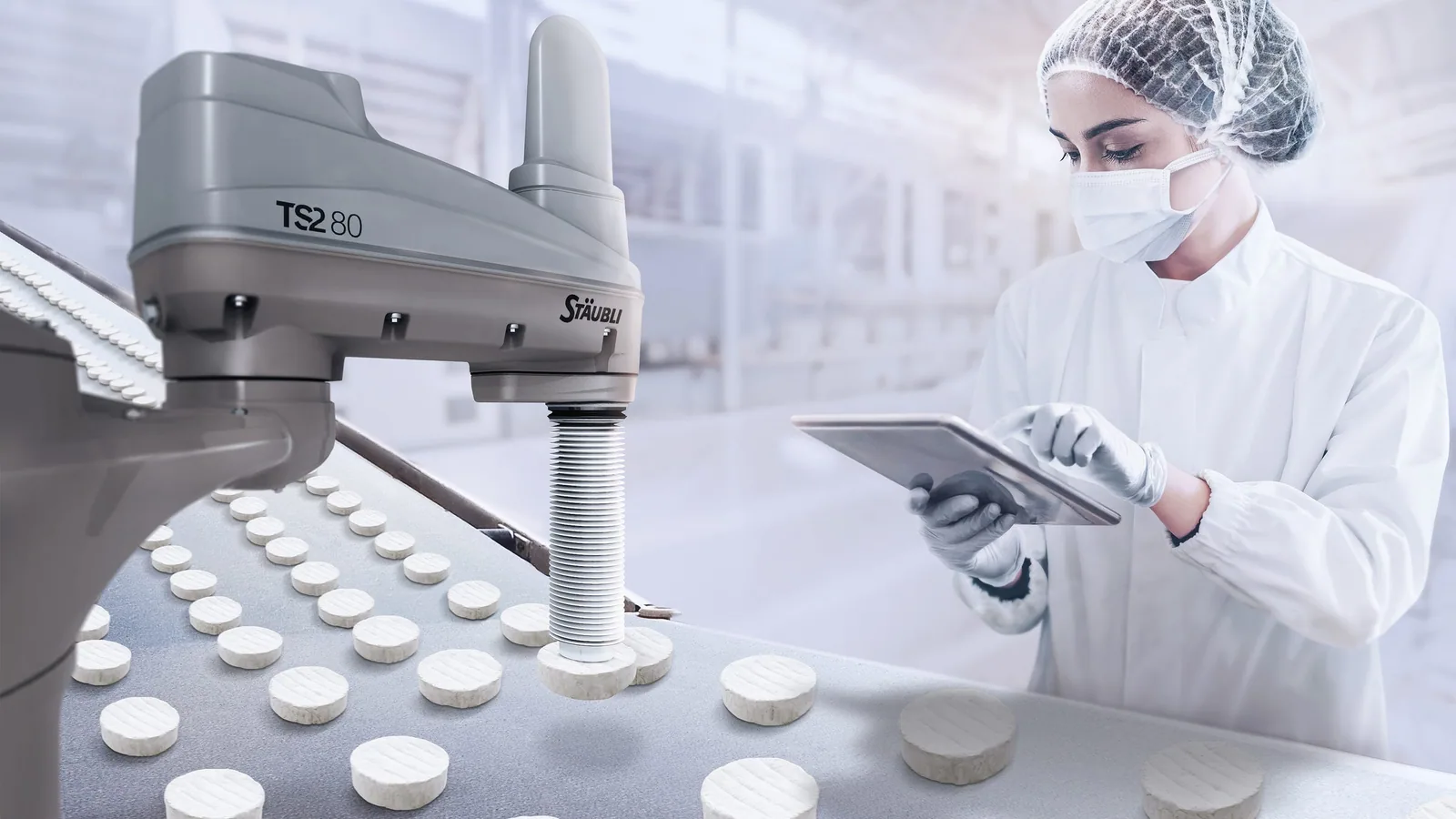
High-quality arc welding requires exceptional operational flexibility and a deep understanding of material and thermal applications. With automated collaborative welding solutions, you can achieve stable and consistent welding results and improve production efficiency. …
View app details → AssemblyApplicable to 20 brandsAutomation of challenging assembly processes using Kawasaki's latest technology. Advances in automation control technology enable robots to complete complex assembly processes that were previously impossible. Over the past 40-plus years, Kawasaki has continuously improved its technology...
View app details → GraspApplicable to 10 brandsRobotic grasping is an automated program that uses a robotic arm to fully control an object. Kawasaki leverages robotic products to reduce manufacturing cycle times and offer greater automation flexibility. …
View app details → CuttingApplicable to 7 brandsCutting is a process in which metal materials are cut or burned with flames or arcs using machine tools. Cutting and other related processes are widely used in transportation, construction, and industrial equipment manufacturing. Robotic cutting can ensure smoothness...
View app details → DispensingApplicable to 8 brandsCollaborative robots add flexibility, efficiency, and freedom to your gluing, sealing, painting, and other dispensing tasks. With built-in force sensing functionality, stable quality and precise positioning can be achieved, thereby reducing waste and improving...
View app details → Appearance inspectionApplicable to 3 brandsVisual inspection refers to the process of checking scratches, stains, defects, and other issues on the surfaces of products and components to confirm quality. …
View app details → Machine tool loading and unloadingApplicable to 10 brandsRobotic loading and unloading can be a simple automated process for handling products to adapt to the manufacturing process. However, reducing cycle time is crucial, as the robotic loading and unloading process cannot add value to the product. Kawasaki...
View app details → Material handlingApplicable to 20 brandsReducing labor costs through automation Material Handling (MH) utilizes the simple capabilities of robots to transport objects. By fitting the robot with the appropriate end-of-arm tooling (for example, a gripper), the robot can 、... efficiently
View app details → Subtractive processingApplicable to 6 brandsAutomated grinding and polishing applications include polishing, grinding, trimming, cutting, and deburring (to name just a few). These processes are challenging due to factors such as movement and positioning requirements, tool wear errors, and force control. …
View app details → SprayingApplicable to 10 brandsAchieving customer expectations for process control and coating quality...
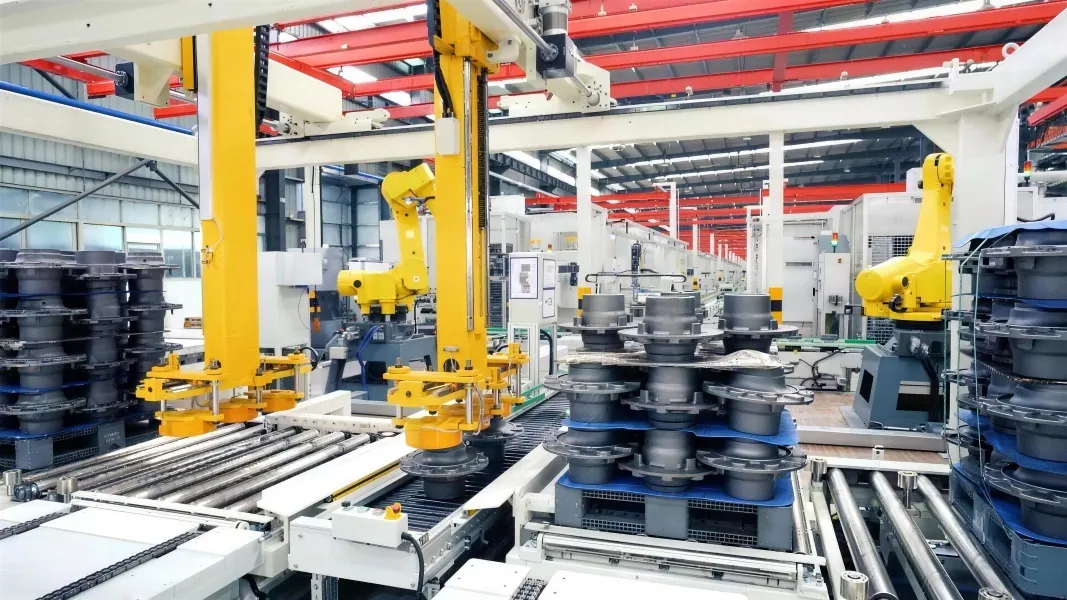
View app details → PalletizingApplicable to 20 brandsOptimize your end-of-line operations and boost productivity with collaborative robotic palletizing solutions. No matter how the product changes, repetitive tasks can be performed consistently and accurately. …
View app details → SortingApplicable to 15 brandsSorting involves first grabbing small parts or food that move at high speed on a conveyor belt before sorting them, requiring high-speed movement. Kawasaki's YF series sorting robots can achieve high-precision, high-speed movements. But...
View app details → Quality inspectionApplicable to 12 brandsZero tolerance, hard power! With collaborative robots, a safer, more efficient, and more precise quality inspection process is achieved, ensuring product quality is always on the line and consistency is impeccable. Equipped with an economical yet agile robotic arm, not only...
View app details → Grinding and polishingApplicable to 15 brandsOperations such as polishing, grinding, and grinding all require precise force control. The Universal collaborative robotic arm equipped with force control technology can automatically adjust its position based on real-time feedback, ensuring the applied pressure remains within the ideal range,...
View app details → Seal with adhesiveApplicable to 13 brandsRobots are becoming the new standard in dispensing applications because they can follow an accurate path and apply uniform coatings of liquid materials. The robot works together with the material pump, regulator, and dispensing gun to coat a material...
View app details → Spot weldingApplicable to 11 brandsBetter point control reduces cycle time by 20%...
View app details → Wafer handlingApplicable to two brandsWafer handling is a crucial step in the pre-production process of semiconductor manufacturing equipment, especially requiring high precision and high speed. Kawasaki's wafer handling robots can provide high-quality, high-performance clean robots, with market share...
View app details →From a process perspective, look at automation: first determine the process, then choose the equipment
Many companies adopt a "reverse process" approach when applying automation: first, they hear about a certain brand of robot that is good, then consider whether their own production line can use it. The correct order is exactly the opposite—Process analysis comes first: What is the quality bottleneck in this process? (Consistency? Beat? Labor intensity? ) Where is the window for process parameters, how large is the difference between incoming and semi-finished products, and what is the cost of failure? Once the process is clear, the equipment form (six-axis/SCARA/Delta/special machine/human-machine hybrid) and configuration levels naturally converge.
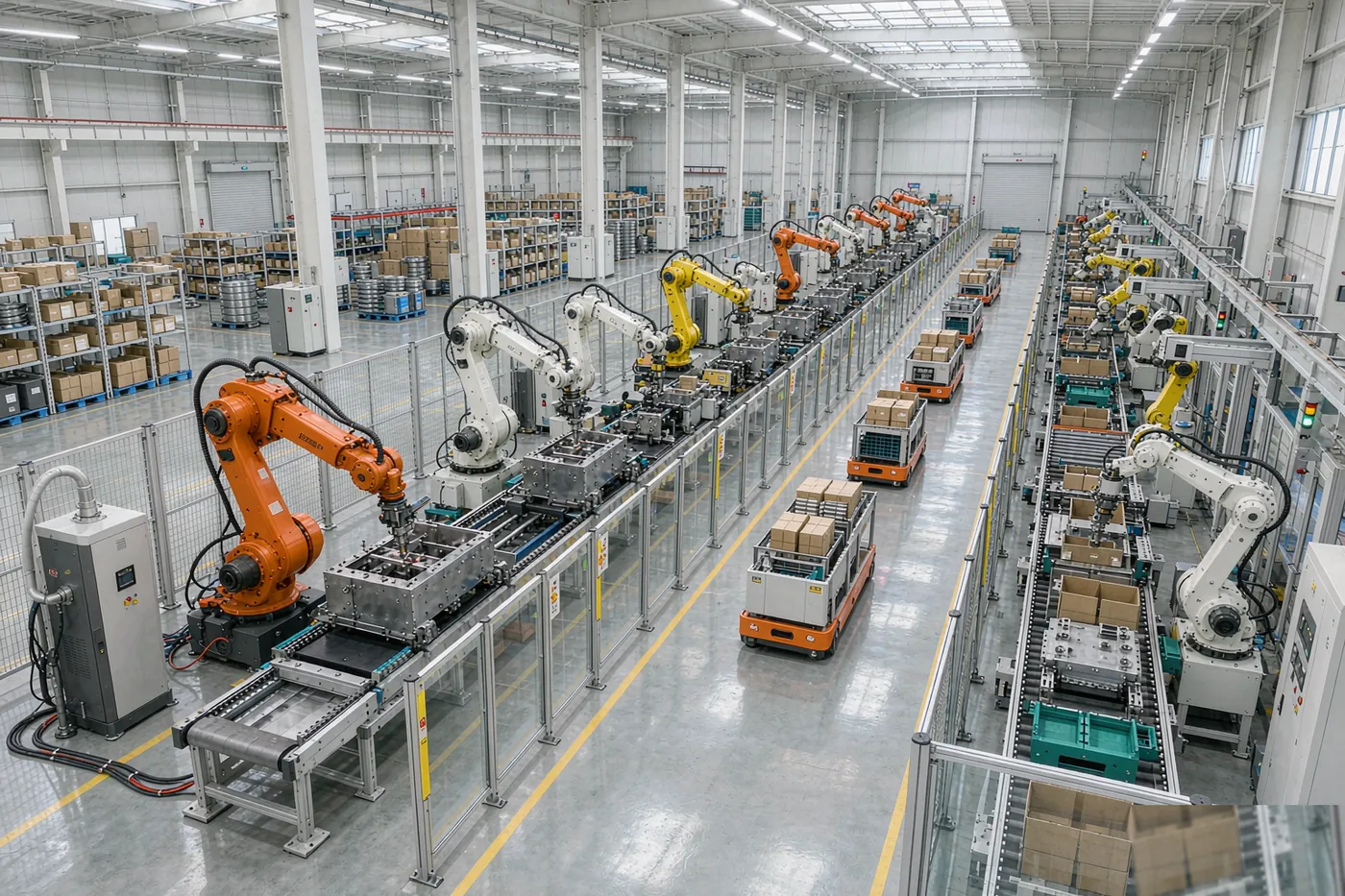
The 17 types of application processes covered by this site are divided into four major families based on technical characteristics:Connection class(Arc welding, spot welding, gluing sealing, dispensing) — Quality is determined by the process parameter window, with sensing and process monitoring as priorities;Remove the class(Cutting, subtractive processing, grinding and polishing) — Quality is determined by the synergy of force and trajectory, with force control and compensation technologies as the dividing line;Handling and transport(Material handling, palletizing, sorting, grabbing, machine tool loading and unloading, wafer handling)—value is determined by cycle time and reliability, with end-of-pipe and logistics design at the core;Testing category(Visual inspection, quality inspection, online inspection during assembly) — Value is determined by the solidification of criterion standards and the closed-loop data, with optical solutions and algorithm iteration as the main thread.
| Decision-making issues | Basis for judgment | Our approach |
|---|---|---|
| Using robots or special machines? | Variety stability and rhythm requirements | A 5-year TCO comparison calculation shows no bias toward either side |
| What load should you choose? | Workpiece + end + partial load inertia | Check according to the inertia ratio, leaving a 20%–30% margin |
| Should we go for visuals? | Distribution of incoming material locations and number of varieties | First, measure the incoming dispersion data; using small dispersion difference tooling positioning is cheaper |
| Should we try to control it with force? | Contact process + blank dispersion difference | Grinding and deburring requires force control; regular handling is not suitable (saves money). |
| New brand or second-hand equipment? | Budget + process maturity + remaining lifespan assessment | Mature processes save half investment with second-hand technology, and new processes use new machines to reduce risk |
The path from process validation to mass production delivery
Regardless of the process, our recommended implementation path is four steps:(1) Process prototyping— Verify feasibility with real workpieces and produce sample reports (can it be fully welded?) Can you hold on? Can it be polished? ), risk preemptive digestion;(2) Scheme design— Workstation layout, equipment configuration, cycle simulation, safety planning are documented, with investment and acceptance standards documented;(3) Phased implementation— Off-site pre-installation and commissioning + window switching installation minimize downtime losses;(4) Running along to stable production— During trial production, engineers are on-site, with a closed loop of problem lists until continuous production meets standards before handing over the work.
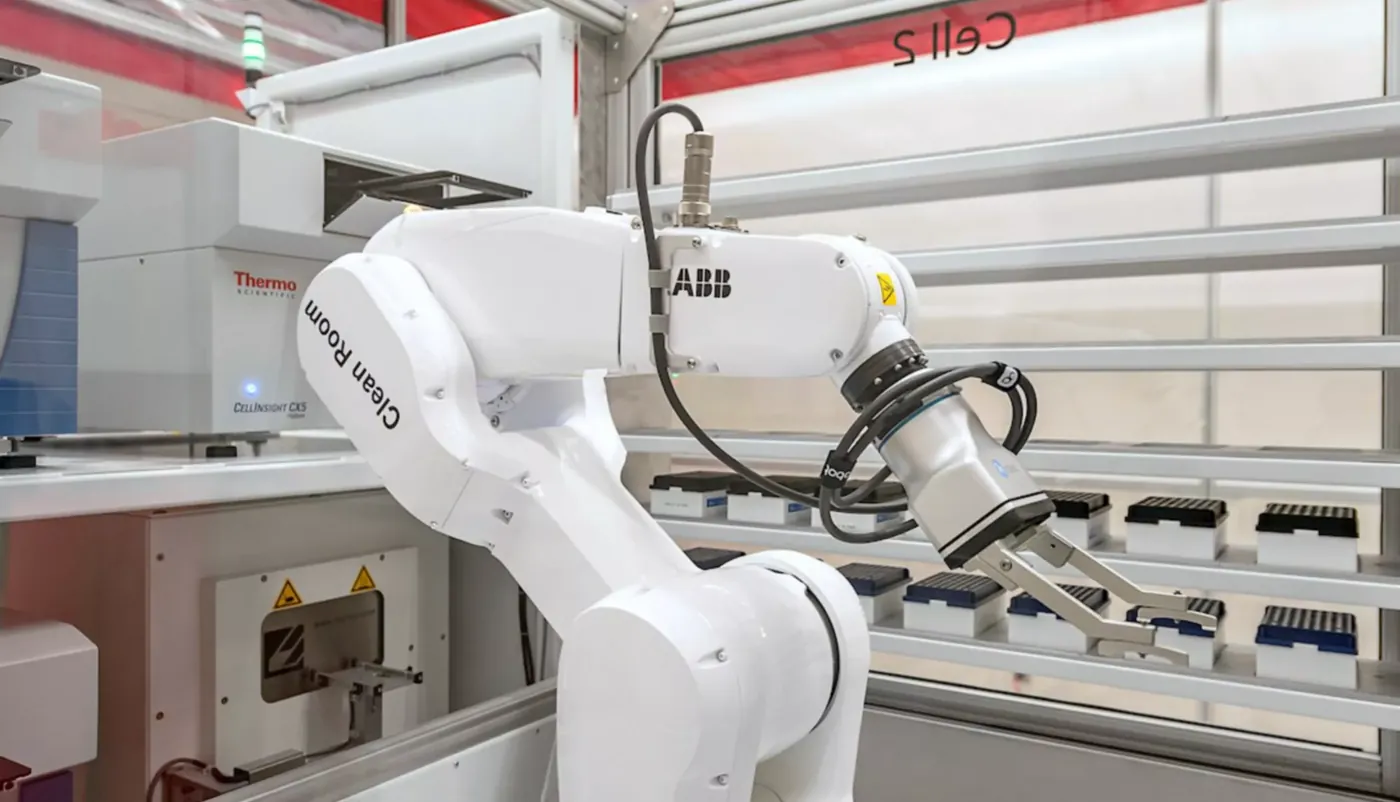
Behind this path lies a summary of industry lessons: failures in automation projects rarely fail due to equipment quality; most fail due to lack of process validation (inability to solder or polish after purchase), overly optimistic cycle calculations (theoretical values treated as actual values), and no one adjusts after delivery (black-box programs). Focus your efforts at the front end, saving every step later.
Craft Q&A
Our process is quite special, and there is no corresponding one on the website. Can we make it?
Most likely, yes. The website lists mainstream process directions, but the actual projects taken on far exceed these (such as food cutting, medicinal material sorting, glass edging, shoe material gluing, etc.). Describe your process and quality requirements; we will first conduct a process feasibility assessment, and arrange sample verification if necessary.
Just want to understand the process feasibility first, and it's not yet the procurement stage. Reception?
Reception. Process consultation and simple prototyping are free of charge. Our judgment is that the professional trust established during the process feasibility stage is more valuable than a single business deal. Customers from Southwest China are welcome to visit the Yilong E-commerce Industrial Park for on-site exchanges, and engineers can also arrange for factory inspections.
If existing equipment can't run well with existing processes, can optimization be possible?
Yes, this is a high-frequency scenario for applying technical services: if the beat is not up to standard, do motion optimization; if quality is unstable, do process parameter window restructuring; if you change molds slowly, do program formula modification. First, diagnose the "Problem List and Optimization Plan," and decide whether to take action based on the optimization range and cost ratio, not just for the sake of taking orders.
Need business cooperation?
Feel free to contact us to explain your specific scenario and needs, and we will communicate and coordinate with you in a timely manner.
Contact us immediately