
Home appliances and home building materials
Industry Robot Application Solutions · 10 Brands Coverage · 6 Types of Typical Processes
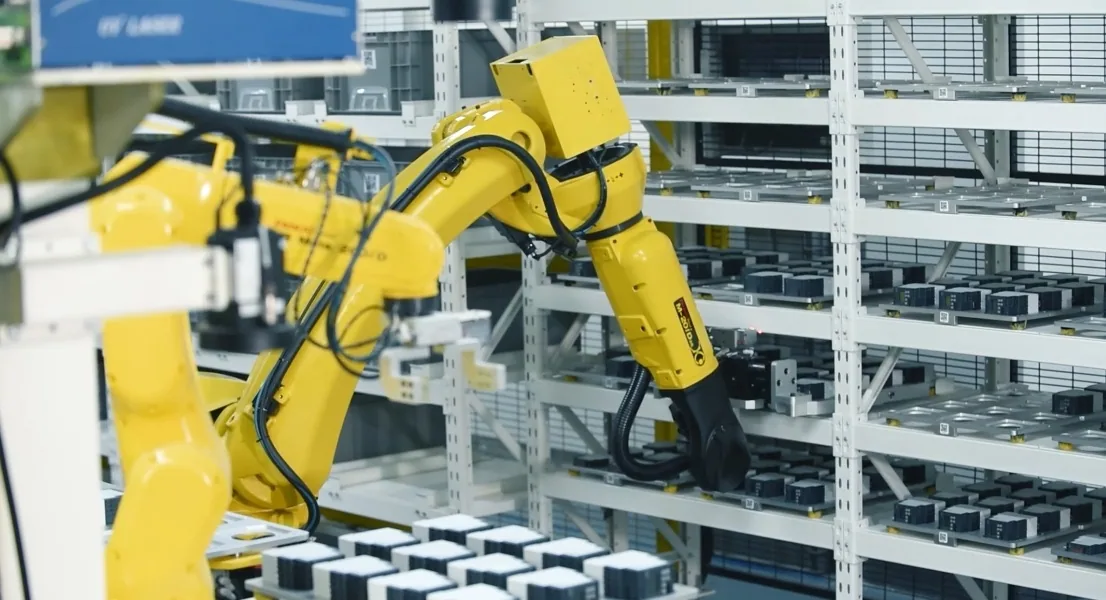
Robot applications in the home appliance and home building materials industries
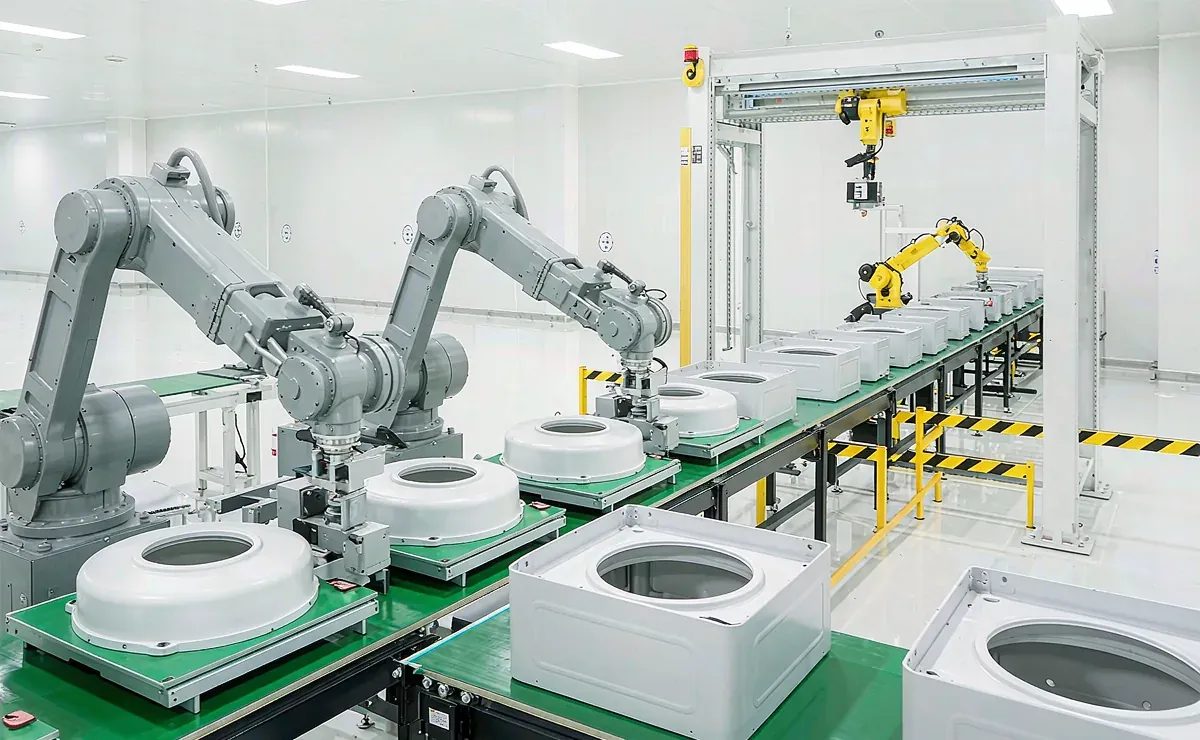
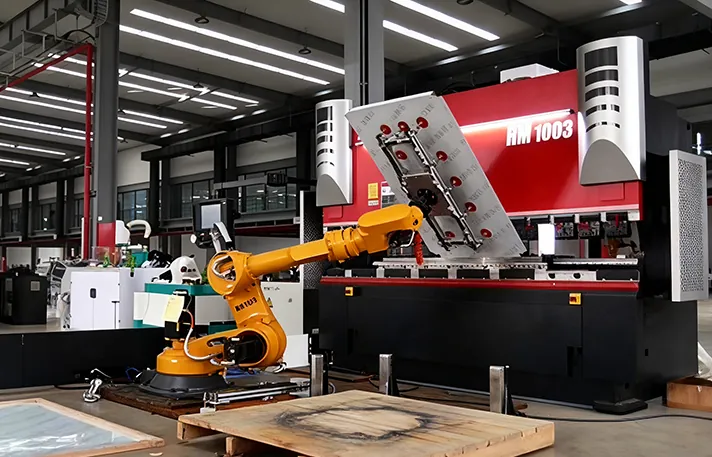
Home appliance manufacturing covers the entire process of sheet metal stamping, welding, painting, final assembly, packaging, and palletizing, making it one of the industries with the highest penetration rate among domestic robots (Estun, Inovance, Siasun, TOPSTAR). Home building materials focus on the handling and grinding processes of the boards. Henghuan provides unified maintenance outsourcing for multi-brand robots for home appliance and parts manufacturers.
Typical automated processes
Common robotic processes in this industry—click to view key application points, customer cases, and applicable brands.
Automation of challenging assembly processes using Kawasaki's latest technology. Advances in automation control technology enable robots to complete complex assembly processes that were previously impossible. Over the past 40-plus years, Kawasaki has continuously improved its technology to meet the high...
View process details → SprayingAchieving customer expectations for process control and coating quality...
View process details → PalletizingOptimize your end-of-line operations and boost productivity with collaborative robotic palletizing solutions. No matter how the product changes, repetitive tasks can be performed consistently and accurately. …
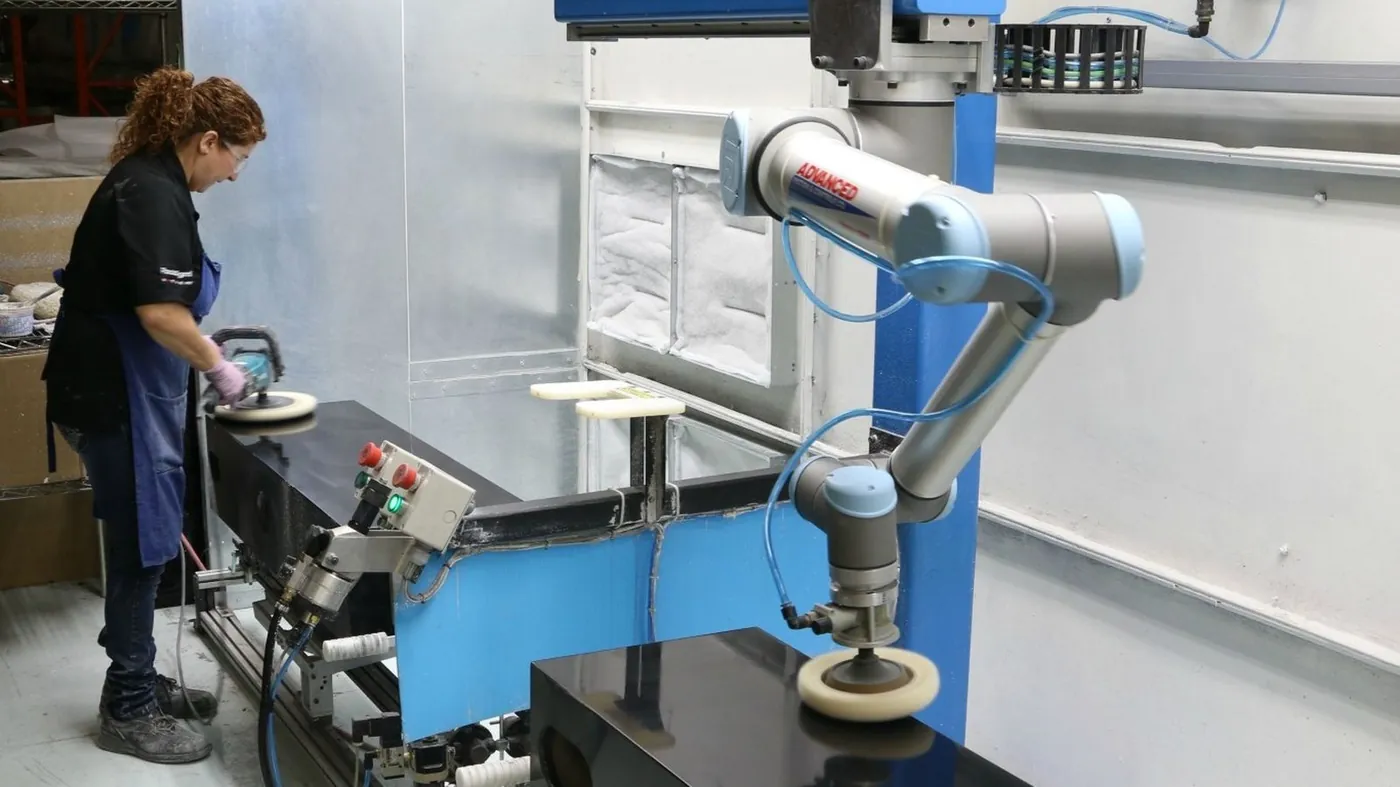
View process details → Grinding and polishingOperations such as polishing, grinding, and grinding all require precise force control. The Universal collaborative robotic arm equipped with force control technology can automatically adjust its position based on real-time feedback, ensuring the applied pressure remains within the ideal range,...
View process details → Material handlingReducing labor costs through automation Material Handling (MH) utilizes the simple capabilities of robots to transport objects. By fitting the robot with the appropriate end-of-arm tooling (for example, a gripper), the robot can efficiently and accurately transfer products from a position...
View process details → Spot weldingBetter point control reduces cycle time by 20%...
View process details →Covering branded equipment
Within Henghuan's service scope, robot brands with practical applications in the home appliance and home building materials industries can click to enter the brand page to view series and model specifications.
 Yaskawa85 models
 Inovance Technology58 models
 Estun71 models
 Epson112 models
 Nachi Fubietsu18 models
 JAKA19 models
 AUBO24 models
 TOPSTAR24 models
 HSR Robotics23 models
 QJAR Robotics40 models
Henghuan can provide services for the home appliance and home building materials industries
All six core businesses can be procured independently or in combination.
Process validation, workstation solutions, programming and teach-in and production ramp-up support, and turnkey delivery of robot applications.
Learn more → Sales of new industrial robotsAuthorized-style sales of brand-new mainstream robots with selection support for new production lines and capacity expansion.
Learn more → Research and development of automation equipmentResearch, development, integration, and delivery of end-effectors, conveyor positioning, safety peripherals, and complete control systems.
Learn more → Research and development of algorithms and control systemsMotion planning, machine vision, and PLC/SCADA system development to address takt-time bottlenecks, accuracy, and data interconnection.
Learn more → Robot rentalShort-term rental, long-term rental and lease-to-own for in-stock models, long-term rental, and lease-to-purchase transfer, including transportation, installation, commissioning, and lease-term maintenance.
Learn more → Software and hardware upgrade servicesController retrofits, software and firmware upgrades, mechanical refurbishment, and safety upgrades restoring performance to older equipment.
Learn more → Maintenance and repairOn-site inspection, fault diagnosis and repair, and annual maintenance contracts covering 1,310 models from 21 brands.
Learn more → Used & in-stock robot salesWe buy back used robots and handle inspection, refurbishment and resale; every unit ships with inspection records and a warranty, and trade-ins can offset new purchases.
Learn more →Industry Status: Flexible upgrades based on mature automation
The home appliance industry is one of the most mature sectors for automation applications (leading companies have an automation rate exceeding 70%), and the current demand focus is shifting from "automation" to "flexibility and leanness":Multi-platform co-networking— Multiple product models are produced on the same production line, with changeover time reduced from hourly to minute level;Flexible peak season capacity— Capacity fluctuations during promotional and renovation seasons are supplemented by leasing and collaborative equipment;Renovation of old lines— Production lines built in the 2010s entered the equipment upgrade window, leading to controller shutdowns and spare parts supply interruptions concentrated.
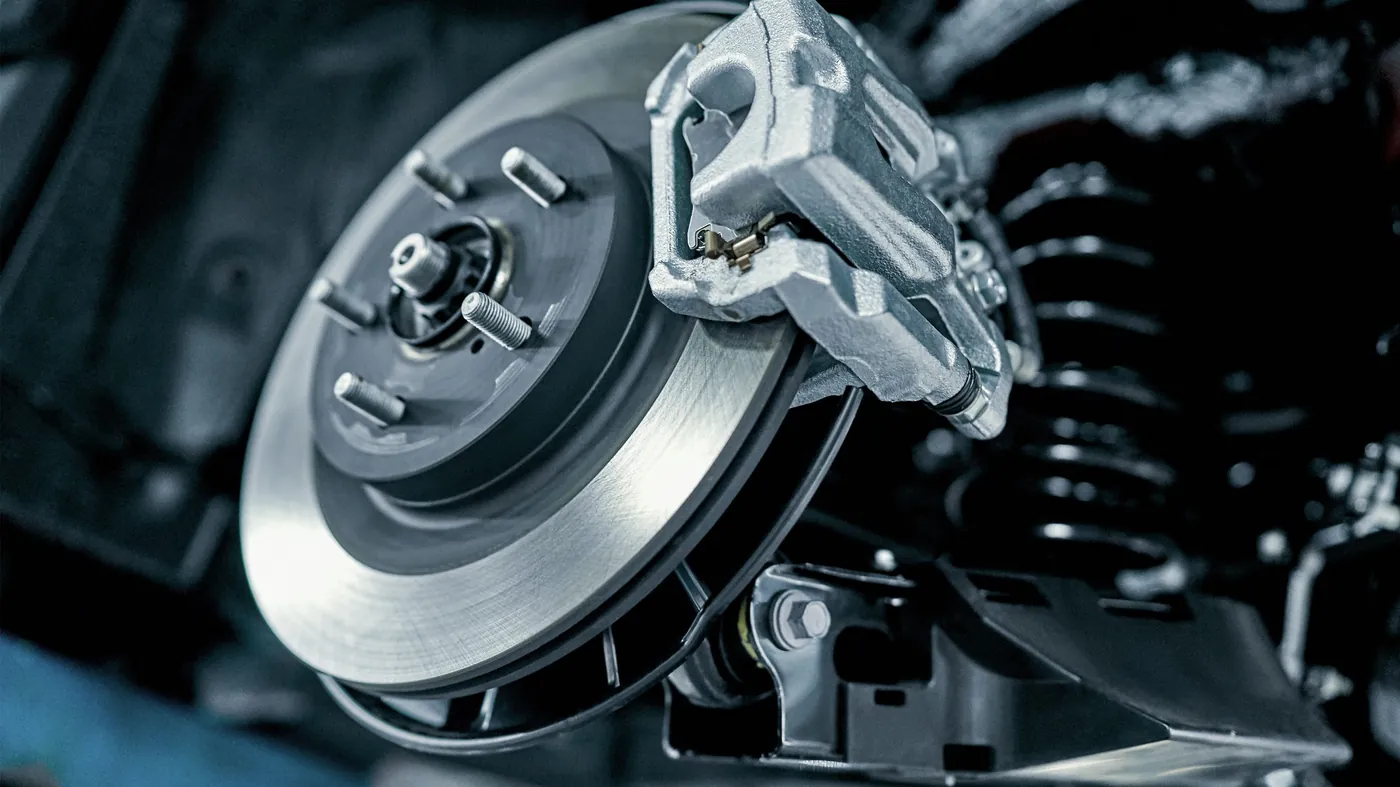
The automation rate in the home furnishing and building materials industry is lower than that of home appliances, but the growth rate is fast: panel sorting and edge banding for custom furniture, polishing and grinding of bathroom hardware, and cutting and cornering of door and window profiles have all been scenarios where robots have penetrated and become visible in the past three years—common features include "large workpieces, diverse varieties, and high labor intensity," which are the advantages of flexible robot solutions.
| Segmented industries | Typical workstation | Key process points |
|---|---|---|
| White Appliances (Refrigerator/Washing Machine/Air Conditioner) | Sheet metal stamping and unloading, box foaming, final assembly tightening, and palletizing | Large workpiece handling (refrigerator housing) and foaming workstation explosion-proof environment |
| Small appliances / kitchen appliances | Injection molding machine loading and unloading, precision assembly, appearance inspection, packaging | Fast-changing models for multiple varieties, A-side inspection standards for appearance |
| Custom furniture | Panel cutting and unloading, edge banding and wiring, sorting and packaging | Large plate handling (vacuum adsorption), order flow sorting (one per package) |
| Bathroom hardware | Polishing, grinding, electroplating, and loading and unloading | Force-controlled polishing consistency, automatic loading and unloading of electroplating hangers |
| Door and window profiles | Cutting, milling, corner assembly, and sealing | Long profile handling (6m+), cutting precision, and end face quality |
| Ceramics/building materials | Sorting, palletizing, and packaging | Heavy-duty palletizing (tiles 30–50kg/box), dusty environments |
Eight major business areas in the home appliance industry
Software and hardware upgrade servicesTargeting the stock retrofit window: A large number of in-service robots at home appliance factories (especially ABB S4C/IRC5, FANUC R-30iA, and Yaskawa XRC generation purchased between 2010 and 2016) are facing controller discontinuation. The investment in replacement and retention programs and tooling solutions from the same brand is only 30%–50% of new purchases, implemented during the Spring Festival maintenance window, minimizing downtime losses.
Robot rentalMatching peak season flexibility: Capacity ramp-up periods before Double 11 and 618 are rented for palletizing and packaging equipment, then returned after the peak season—home appliance orders fluctuate greatly, leasing turns capacity investment from fixed assets into operating expenses, significantly improving financial flexibility.
Research and development of automation equipmentSolving the "one order, one package" problem for custom furniture: Each custom furniture product is different, and the sorting and packaging line relies on order data drivers (scanning codes to tune programs, automatic matching of packaging materials). This kind of information flow and logistics collaborative system design is something standard equipment suppliers cannot achieve and is also a strength of our R&D line.
Industry Q&A
With frequent model changes in home appliance production lines, how can automation keep up?
Three levels: Mechanical layer uses quick-change tooling and adjustable fixtures (tool-free or single-tool change); Programming layer uses formula management (scanning codes to automatically adjust programs and parameters); Logistics layer uses work order data driving (MES issues orders and equipment switches automatically). Retrofit investment is prioritized for the most frequently changed cables, and we use change time and output data to help you sort.
How are the criteria for exterior inspection (panel/door body) determined?
The standard surface management of home appliance appearance is an industry practice: Side A (front visible area) is strict, Side B (side) is medium, Side C (back/interior) is wide, and the types and dimensional thresholds of defects on each side form the "Appearance Judgment Standard Document" and are accompanied by standard defect templates. We jointly develop standard documents with quality inspection departments as the basis for judgment of visual models and as benchmarks for customer complaint arbitration.
How to choose equipment for explosion-proof environments such as foaming/spraying?
The foaming station (cyclopentane) and solvent-based coating are in explosion-hazardous areas. The equipment must be explosion-proof certified: the robot body must be positive pressure explosion-proof (Ex p) or fully explosion-proof models, electrical cabinets must have positive pressure or explosion-proof protection, and regional gas detection interlock. Our explosion-proof plan includes explosion-proof certificates and area division recommendations, and the acceptance documents meet safety supervision inspection requirements.
Do equipment in the home appliance and building materials industry need technical support?
Tell us your brand model, process details, and equipment status. Henghuan offers robot maintenance, servicing, second-hand purchase, sales, and selection advice for the home appliance and building materials industries. Rooted in Yilong, focused on Sichuan and Chongqing, serving the vast Southwest.
Contact Henghuan View all industries