
Special and specialized robots
Specialized equipment for extreme environments such as explosion-proof, vacuum, high-temperature, food-grade, and nuclear industry—most still in the form of robotic arms, but their certification and material systems are completely different. This page provides a detailed explanation of its system configuration, selection parameters, and common issues, along with an index of the 16 models in our database.
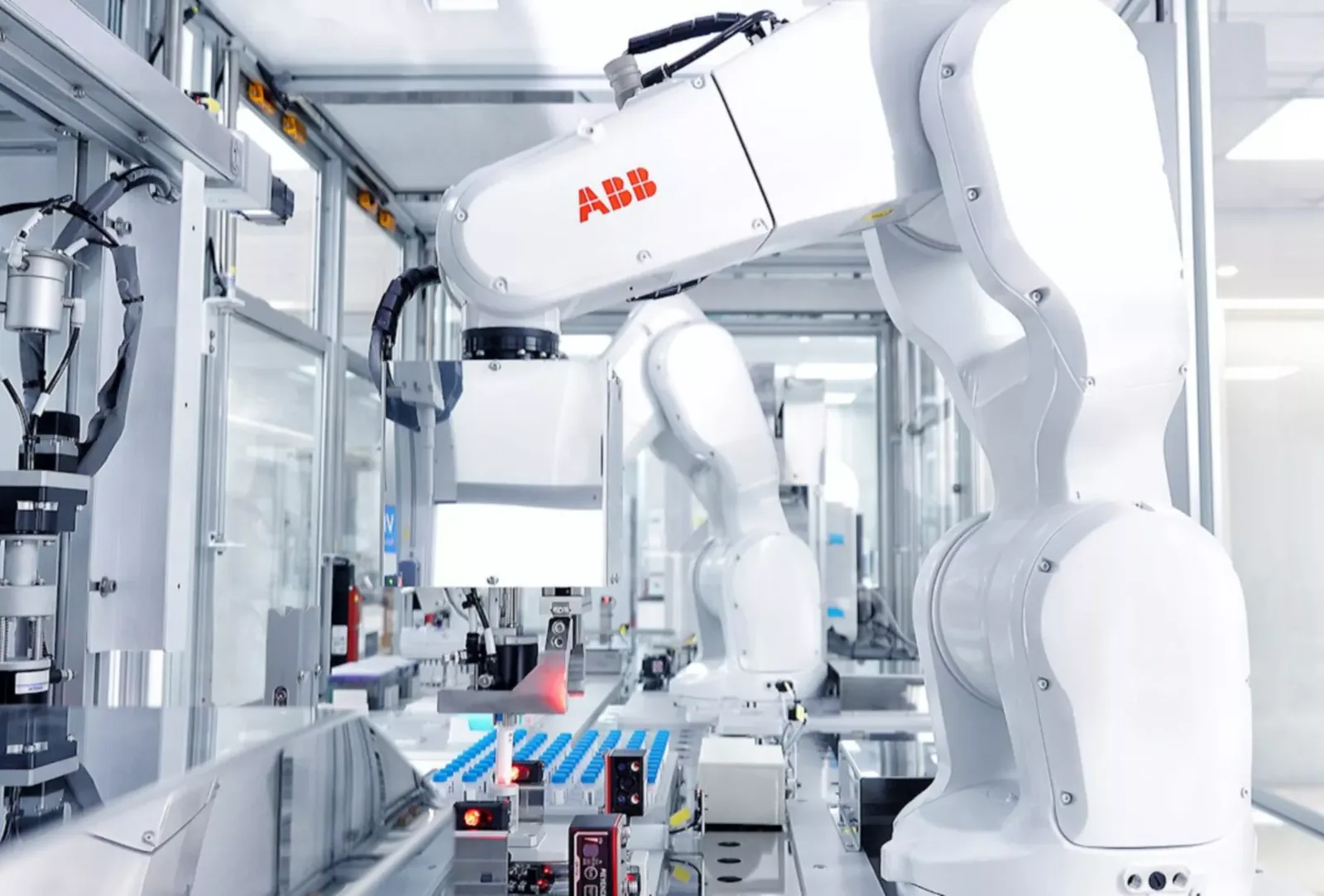
Special Robots: The "Robotic Arm" for Extreme Environments
What are special and specialized robots?
Special robots (customers often search for "special manipulator" or "explosion-proof robotic arm") refer to thisExtreme or special environmentsCustom-designed industrial robots—explosion-proof, vacuum-proof, high-temperature, high-pressure water, nuclear radiation, direct contact with food, etc. Most of them still have the form of robotic arms (six-axis arm + special protection), but their materials and certification systems are completely different: ordinary robotic arms address "can it move," while specialized robotic arms address "whether it can move safely in such environments."
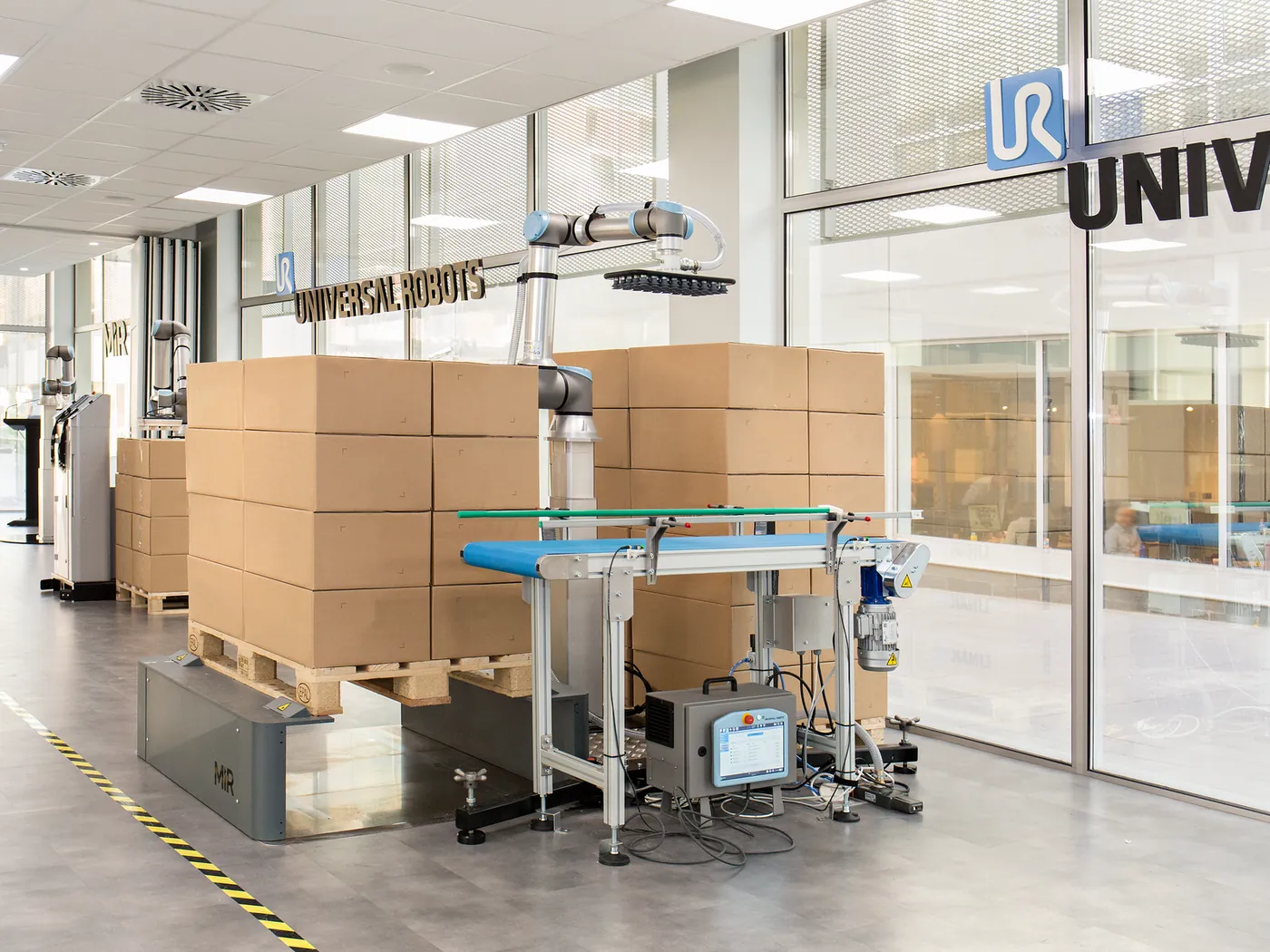
Divided into five major groups by environment:Explosion-proof robots(Spraying, chemical, dust environment, Ex certification),Vacuum robots(Wafer transfer inside the semiconductor front-end cavity),High-temperature/heat-resistant robots(Casting, heat treatment, forging and unloading, resistant to 500°C+ radiant heat),Food-grade robots(Direct contact with food, NSF H1 lubrication + washable design + IP69K),Nuclear industry/military robots(Resistant to radiation, remote operation). There are also smaller branches such as high-pressure water cutting and underwater operations.
| Ethnic groups | Extreme conditions | Key design | Typical industries |
|---|---|---|---|
| Explosion-proof robots | Combustible gas/dust environments | Ex p positive pressure/Ex D explosion-proof complete machine certification | Spraying, chemical industry, grain processing |
| Vacuum robots | 10⁻³–10⁻⁶ Pa vacuum | Low venting materials, vacuum lubrication, and magnetically coupled transmission | Semiconductors, photovoltaics, coatings |
| High-temperature robots | 500°C+ radiant heat, melt splashing | Heat-resistant coatings, water-cooled wrists, and heat-insulating protective clothing | Casting, forging, heat treatment |
| Food-grade robots | Food contact + high-pressure rinsing | NSF H1 lubrication, IP69K, no dead corners design | Food sorting, dairy products, baking |
| Nuclear industrial robots | γ Irradiation and radioactive contamination | Radiation-resistant electronics, remote operation, and decontamination design | Nuclear power and nuclear waste processing |
Key points for selecting special robots
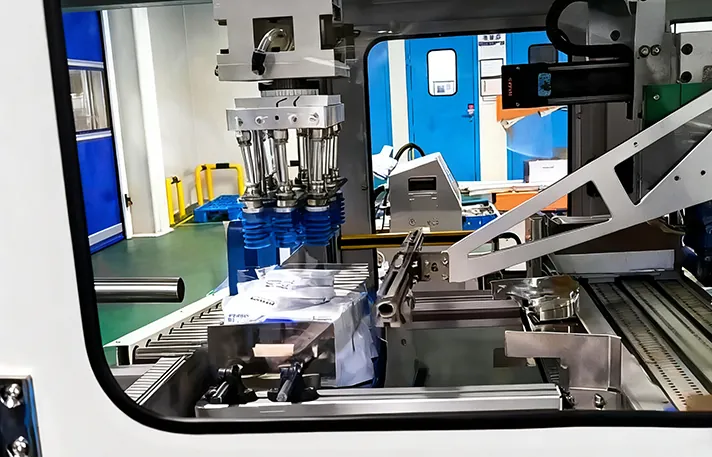
Three iron rules for special model selection
Rule One: Certification First.Explosion-proof depends on whether the EX certification matches the temperature group of the on-site medium; For food-grade products, consider NSF H1 and IP69K; In the nuclear industry, focus on radiation dose indicators. Robots without corresponding certifications are considered non-compliant equipment in these environments, and neither insurance nor safety supervision recognizes them.
Rule Two: Select according to the worst working conditions, not the average conditions.For high-temperature environments, protection should be based on the peak radiative heat of the furnace mouth, not the average temperature in the workshop; For dust environments, choose explosion-proof types based on the lower limit concentration of combustible dust. The cost of failure for special robots is much higher than for ordinary models.
Rule 3: Reserve a maintenance window.Special protection systems (positive pressure systems, water cooling, sealing kits) are all subsystems that require regular maintenance. When selecting, confirm whether there are maintenance conditions on site and calculate the full lifecycle cost of protective components.
| Environment | Protection Rating/Certification | Essential features |
|---|---|---|
| Explosive gases (Zone 1/2) | Ex p/Ex d,II B/II C T4 | Positive voltage cabinet, explosion-proof junction box, electrostatic grounding |
| Combustible dust (Zone 20/21/22) | DIP or Ex tD certification | Reinforced dustproof sealing and surface temperature limits |
| Food direct contact area | NSF H1 + IP66/IP69K | Food-grade grease, washable body, and anti-buildup design on sloped surfaces |
| In front of the high-temperature furnace | Heat-resistant kit (water-cooled/insulated) | Water-cooled wrists, thermal protective suits, hot metal testing |
| Vacuum chamber | Vacuum specifications (venting rate/temperature resistance) | Magnetically coupled transmission, vacuum lubrication, low-venting materials |
Eight major business areas covering special scenarios
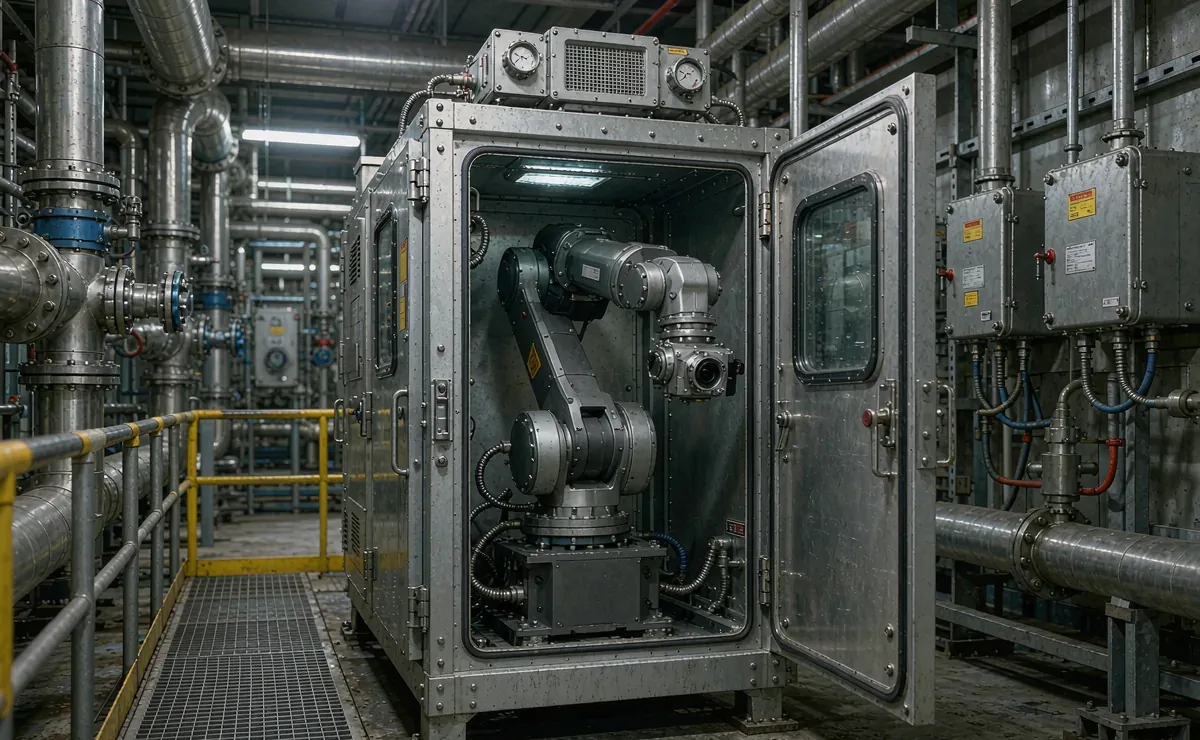
What can we do for you?
Custom R&D: Non-standard special manipulatorsResearch and development of automation equipment— High-temperature resistant grippers, explosion-proof positive pressure modifications, food-grade end customization, integrated from design to manufacturing.
Applied technology services: Process validation, explosion-proof compliance assessment, and protection plans at foundry/food/chemical sites—see detailsHandling applicationsPages with various industries.
Maintenance and repair: Professional maintenance and regular verification of special protection subsystems (positive pressure cabinets, water-cooled circuits, sealing kits), annual inspection of explosion-proof integrity.
Used and upgraded: Second-hand circulation of explosion-proof machines and heat-resistant machines (certification and verification are required); Upgraded protective kits for older models and replacement controllers.
Frequently Asked Questions
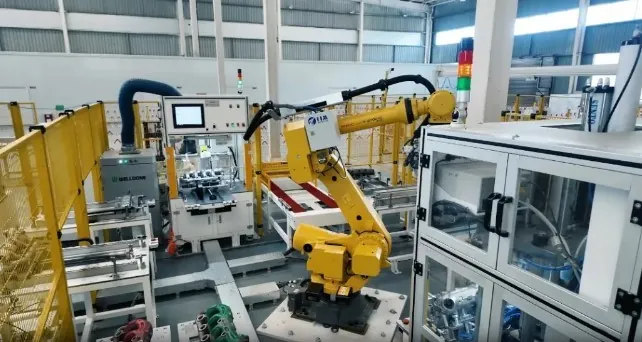
Are special robots still "robotic arms"?
Most of the time—explosion-proof six-axis arms, high-temperature resistant arms, and food-grade SCARA are all in mechanical arm form, just wearing "special protective suits." Vacuum manipulators (flat direct drive) and some remote operation devices in nuclear industry have a unique design, not all resembling arms. They are collectively classified under the "industrial robot" category and divided into specialized branches based on environmental adaptability.
Can ordinary robots be equipped with explosion-proof measures?
Partial modifications (such as positive pressure cabinets) are feasible and compliant in certain Zone 2 scenarios, but must be carried out by a unit with explosion-proof qualifications and obtain an explosion-proof certificate. The retrofitting party bears the full explosion-proof responsibility for the retrofit. Self-covering and glue injection methods are all non-compliant. We provide compliant explosion-proof retrofitting and certification assistance.
Do robots used in food factories have to be food-grade?
Check contact risk: Workstations that directly touch food (sorting, plating, filling) must be food-grade—NSF H1 lubrication, IP69K washable, and designed with no dead corners; For workstations that do not come into direct contact after secondary packaging (boxing or palletizing), standard IP65 models can be protected with additional protection. Tiered configurations can save a lot of budget, and we'll help you calculate by process segment.
How many degrees can a high-temperature robot withstand?
Standard heat-resistant kits (thermal protective suit + water-cooled wrist) can handle loading and unloading at the furnace front of 200–500°C radiant heat environments; Higher temperatures (such as direct contact with forged red parts) require specialized heat-resistant grippers and ceramic components. Pay attention to two temperature concepts: ambient temperature (air around the arm) and contact temperature of the workpiece (the red-hot part directly touched by the gripper). The latter requires much higher standards and should be reported separately when selecting the mold.
Our site's special and specialized robots (16 models)
Browse by brand
Below are representative models in this functional category in our database (matched by process label, cross-structural form). Click to view specifications, technical explanations, and maintenance points. For the complete model list, please see each brand's page.
ABB (6 models)
Kawasaki (7 models)
Epson (2 styles)
Inovance Technology (1 model)
Need robot selection, maintenance, or application solutions?
Tell us about workpieces, procedures, beats, and budgets. Local teams in Nanchong will connect with us, and on-site inspections are available in Sichuan, Chongqing, Yunnan, and Guizhou. Robotic arm (manipulator) selection, second-hand purchase and sale, maintenance and repair all in one place.
Contact usView all varieties