General industrial and agricultural machinery
Industry Robot Application Solutions · 11 Brands Covered · 4 types of typical processes
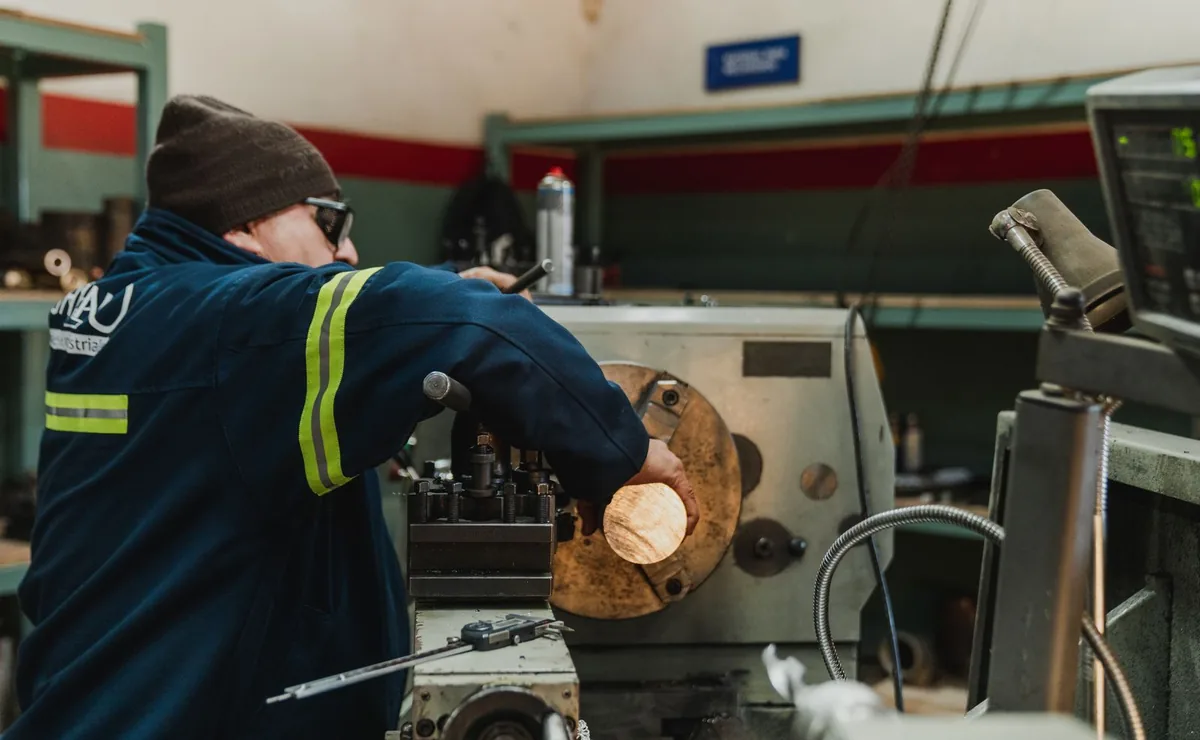
Robot applications in general industrial and agricultural machinery sectors
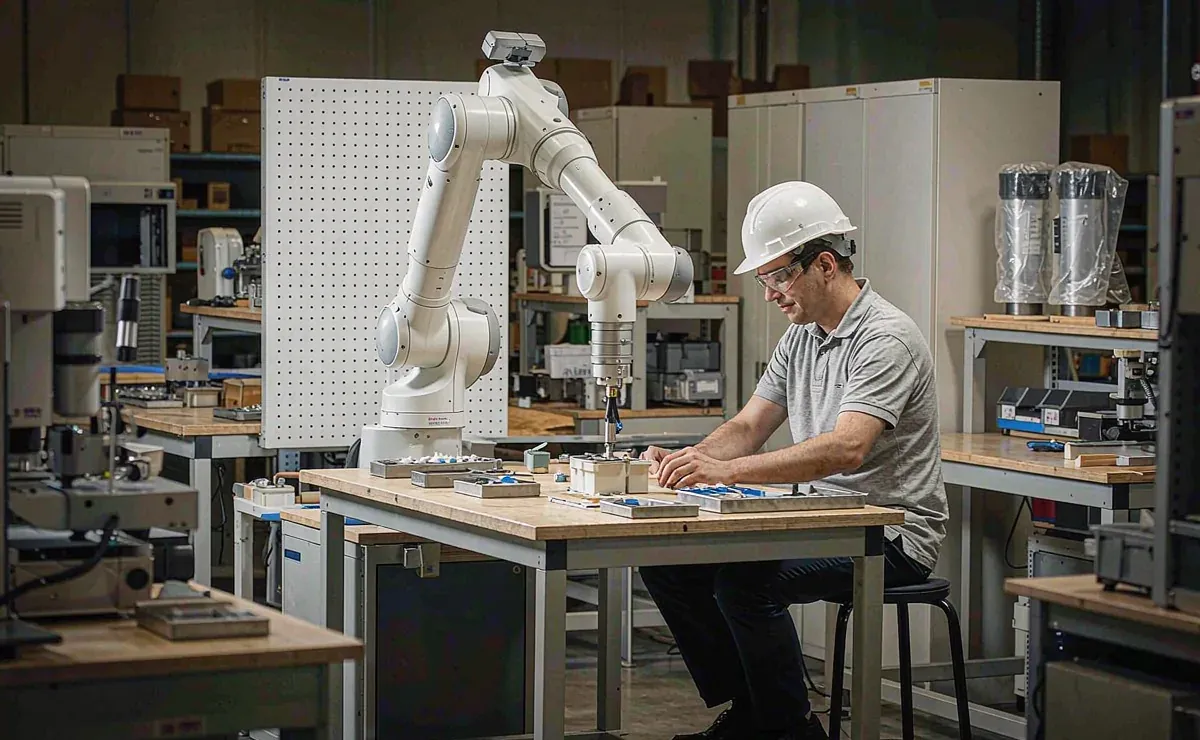
In addition to the above industries, robots have also widely entered traditional industries such as general machining, agricultural machinery manufacturing, feed, and ceramics. These industries are budget-sensitive for equipment, and second-hand robots (in good condition, priced at about 40-60% of new machines) are common choices. Henghuan's second-hand supply and renovation capabilities provide low-barrier solutions for upgrading traditional industries.
Typical automated processes
Common robotic processes in this industry—click to view key application points, customer cases, and applicable brands.
Reducing labor costs through automation Material Handling (MH) utilizes the simple capabilities of robots to transport objects. By fitting the robot with the appropriate end-of-arm tooling (for example, a gripper), the robot can efficiently and accurately transfer products from a position...
View process details → Machine tool loading and unloadingRobotic loading and unloading can be a simple automated process for handling products to adapt to the manufacturing process. However, reducing cycle time is crucial, as the robotic loading and unloading process cannot add value to the product. Kawasaki is continuously developing new products to reduce...
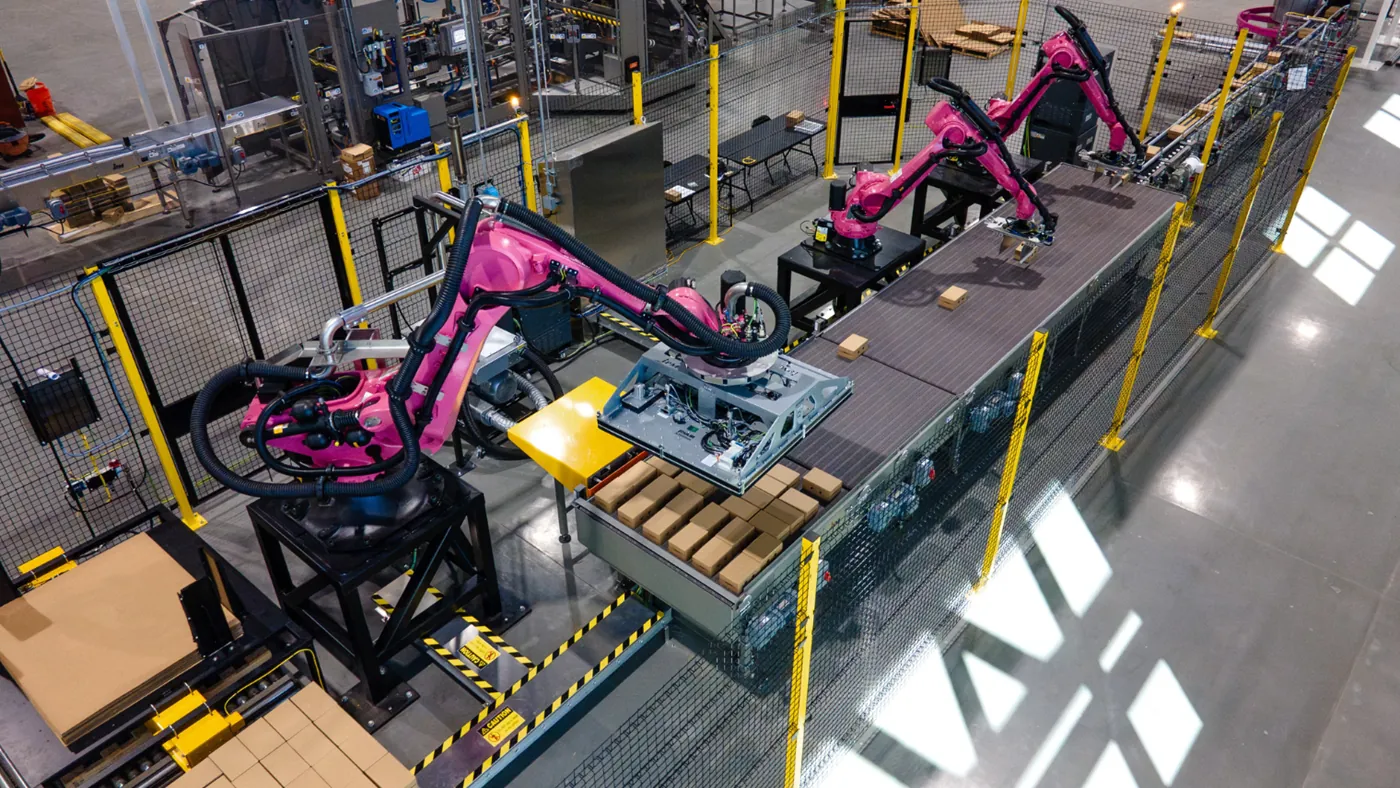
View process details → PalletizingOptimize your end-of-line operations and boost productivity with collaborative robotic palletizing solutions. No matter how the product changes, repetitive tasks can be performed consistently and accurately. …
View process details → AssemblyAutomation of challenging assembly processes using Kawasaki's latest technology. Advances in automation control technology enable robots to complete complex assembly processes that were previously impossible. Over the past 40-plus years, Kawasaki has continuously improved its technology to meet the high...
View process details →Covering branded equipment
Robot brands within Henghuan's service scope that have practical applications in general industrial and agricultural machinery sectors can be viewed on the brand page to view series and model specifications.
 KUKA456 models
 Estun71 models
 Stäubli30 models
 Universal Robots9 models
 Nachi Fubietsu18 models
 Comau30 models
 Siasun Robotics26 models
 EFORT32 models
 Guangzhou CNC19 models
 AUBO24 models
 Panasonic10 models
Henghuan can provide services for general industrial and agricultural machinery industries
All six core businesses can be procured independently or in combination.
Process validation, workstation solutions, programming and teach-in and production ramp-up support, and turnkey delivery of robot applications.
Learn more → Sales of new industrial robotsAuthorized-style sales of brand-new mainstream robots with selection support for new production lines and capacity expansion.
Learn more → Research and development of automation equipmentResearch, development, integration, and delivery of end-effectors, conveyor positioning, safety peripherals, and complete control systems.
Learn more → Research and development of algorithms and control systemsMotion planning, machine vision, and PLC/SCADA system development to address takt-time bottlenecks, accuracy, and data interconnection.
Learn more → Robot rentalShort-term rental, long-term rental and lease-to-own for in-stock models, long-term rental, and lease-to-purchase transfer, including transportation, installation, commissioning, and lease-term maintenance.
Learn more → Software and hardware upgrade servicesController retrofits, software and firmware upgrades, mechanical refurbishment, and safety upgrades restoring performance to older equipment.
Learn more → Maintenance and repairOn-site inspection, fault diagnosis and repair, and annual maintenance contracts covering 1,310 models from 21 brands.
Learn more → Used & in-stock robot salesWe buy back used robots and handle inspection, refurbishment and resale; every unit ships with inspection records and a warranty, and trade-ins can offset new purchases.
Learn more →Industry Status: The Automation Startup Stage of County-Level Manufacturing
General industries (hardware products, general components, building material components, packaging materials, etc.) and the agricultural machinery sector represent the "largest base and lowest penetration rate" sectors in China's manufacturing automation map — this is precisely the industrial foundation of county-level economies in Southwest China. The common profile of these companies is: 50–500 employees, diverse small and medium-sized products, pragmatic bosses who value returns, and those who "want to use automation but don't dare" (afraid of wasting investment, afraid of breaking down the patch, afraid workers won't know how to use it).
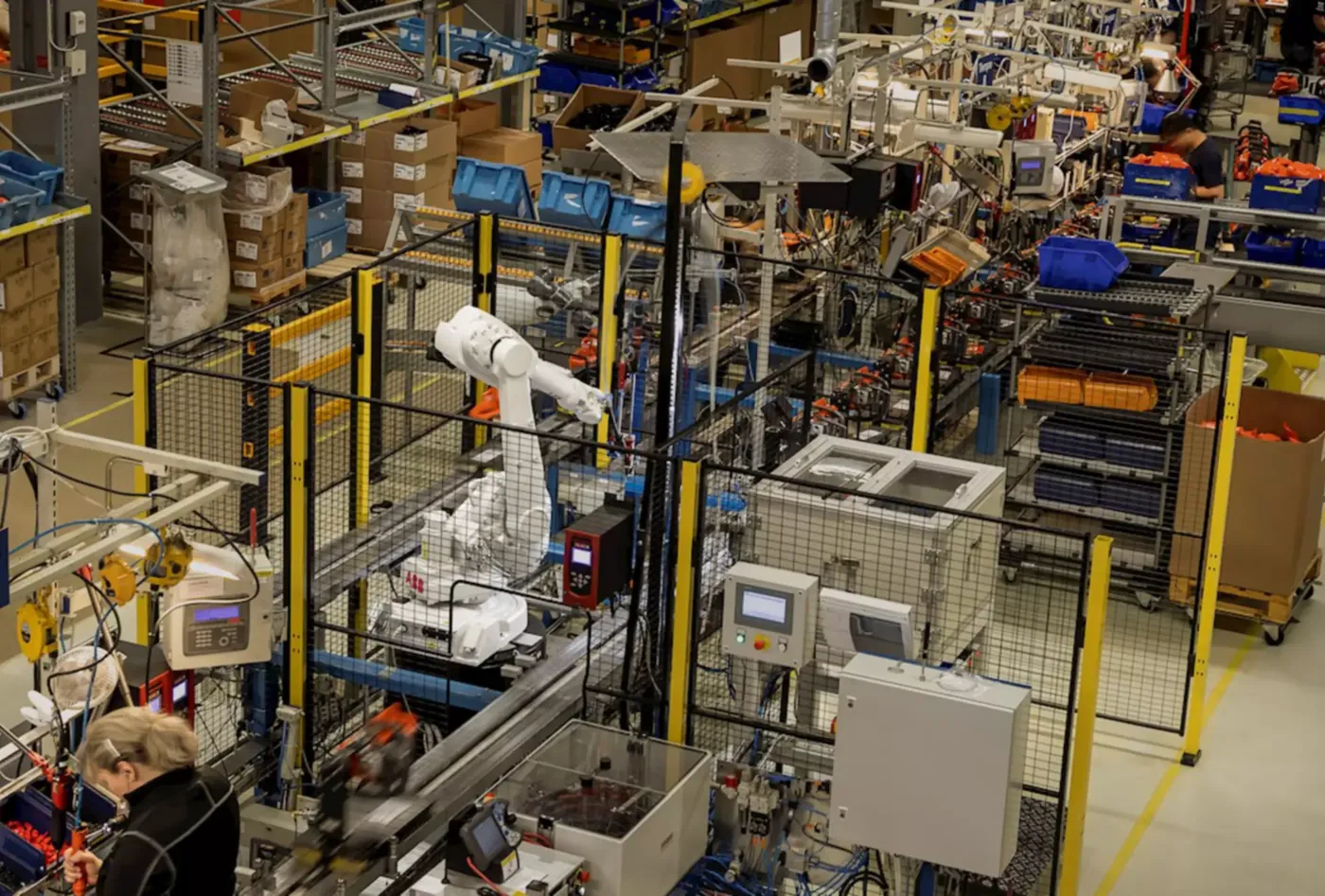
The industry's automation path has been validated by numerous cases:Start with the most painful process— Usually the workstation with the highest labor intensity (handling and palletizing), the least stable quality (welding and grinding), or the hardest to recruit (painting and casting); After a single successful point, expansion is made to adjacent processes, with rolling input. The one-step approach of "whole-factory automation" has almost all failed in this sector, while small, rapid progress actually has the highest success rate.
| Scene | Configuration | Invested in the range | Effectiveness cycle |
|---|---|---|---|
| Handling and palletizing | Six-axis/palletizer + end + fence | 120,000–300,000 | Results appear in 1–2 months |
| Hardware welding | Six-axis + welding machine + positioner | 200,000–400,000 | 2–3 months |
| Deburring and polishing | Six axes + force control/floating grinding + dust removal | 150,000–300,000 | 1–3 months |
| CNC/press loading and unloading | Six axles + silo + interlock | 120,000–250,000 | 1–2 months |
| Packaging line linkage | Delta/SCARA+ conveying | 150,000–350,000 | 2–3 months |
| Spraying (Hardware/Furniture) | Explosion-proof six-axis + paint supply + water curtain | 250,000–500,000 | 3 months |
Eight major business areas are anchored in county-level manufacturing scenarios
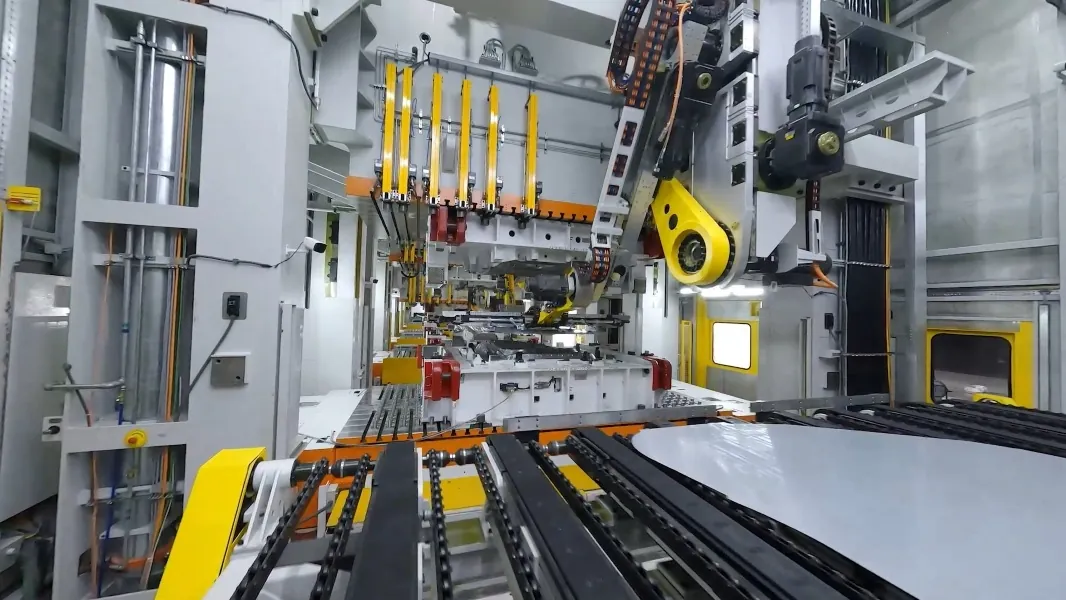
Used & in-stock robot salesA practical choice: Most industrial processes are mature (handling, palletizing, loading and unloading). Second-hand robots (refurbished inspection + 12-month warranty) save 40%–60% of investment, and payback periods are reduced to less than one year—for cash-sensitive SMEs, this is the optimal path for starting automation.
Robot rentalReducing trial-and-error costs: processes that are uncertain in effect are first leased for three months for trial operation, with repurchase if meeting standards and lease termination if not, turning "decision risk" into "small rent"—this is our unique model for serving county-level clients, with a rent-to-purchase ratio exceeding 70%, because once the equipment is running, the results speak for themselves.
Maintenance and repair + application technology servicesSolving Rear Concerns: Localized (Yilong base, same-day delivery in Sichuan-Chongqing) with repair response + operational training + program maintenance management, making "no one knows how to use it, no one repairs if it breaks" no longer an obstacle to automation; Annual maintenance contracts are customized according to SME budgets (basic/standard/full warranty), allowing you to lock in equipment availability for a small investment.
Industry Q&A
Our factory only has a few dozen people—is it worth going for automation?
Calculate three accounts: number of positions in this process× wages × years of service (labor cost), recruitment difficulty and turnover rate (labor risk), and quality complaint losses (quality cost). For a four-person team of handling positions, the robot investment is usually recouped within 2 years; Hard-to-recruit positions (such as painting and casting) have shorter turnaround times. We provide free on-site calculations; if the data is unsatisfactory, we won't go on the platform and will not sell it.
What if workers don't know how to operate it?
Our delivery standard is "Operators get started in two days": simplified interface (start/pause/change type, three common buttons), illustrated operation manuals, on-site training to independent operation + daily inspections. Procedural-level adjustments are supported remotely or managed by us, so there is no need to have programming engineers in-house.
If you buy a second-hand robot, how are the parts and repairs covered?
All used machines come from our inspection and preparation line: complete machine inspection reports (mechanical correction, electrical insulation, accuracy measurements), 12-month warranty, list of consumable parts, and spare parts supply; Subsequent maintenance follows our localized service network, responding equally to our own equipment. Second-hand service doesn't mean no one cares; managing it thoroughly is the value of third-party service providers.
Do general industrial and agricultural machinery equipment require technical support?
Tell us your brand model, process, and equipment status. Henghuan offers general industrial and agricultural machinery robot maintenance, servicing, second-hand purchase and sales, and selection advice. Rooted in Yilong, focused on Sichuan and Chongqing, serving the vast Southwest.
Contact Henghuan View all industries