Comau robots, born of Turin's automotive automation DNA — the full range
Founded in Turin in 1976, the Italian automation group produced the first robot in 1978; More than 40 models on sale cover 3-650kg, ranging from Racer collaboration and NJ4 spot welding to PAL palletizing and AURA heavy-duty collaboration.
From welding lines to collaborative workstations, the robot family is included
Comau Robotics evolved from its own process requirements for delivering full-line automation to global automakers. The model is deeply coupled with proprietary processes such as OpenRobogate assembly and CMT cold metal transition welding, while extending to human-machine collaboration scenarios through Racer/AURA.
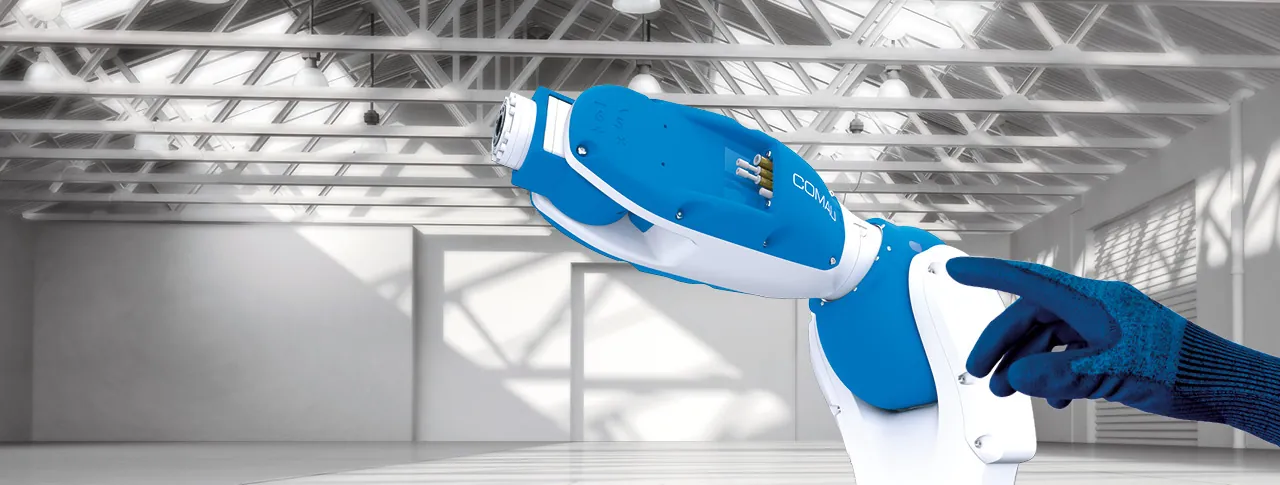
Racer supports automatic switching between collaboration and industrial speeds; AURA achieves near-human-level sensitive collaboration through force sensing.
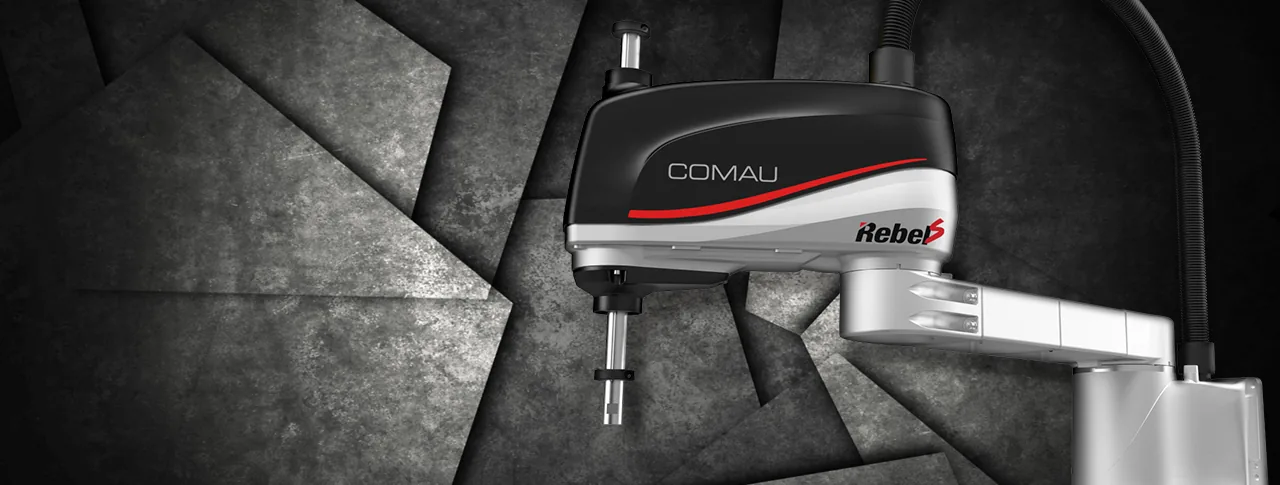
450/600/750mm reach, suitable for assembly, packaging, and high-speed pick-and-place.
The NJ-16 to NJ-650 cover handling scenarios of large and medium to small load scenarios such as handling, spot welding, and weighing.
Fourth-generation hollow wrist design, welding torch cable runs inside the arm, optimizing beat time and energy consumption.
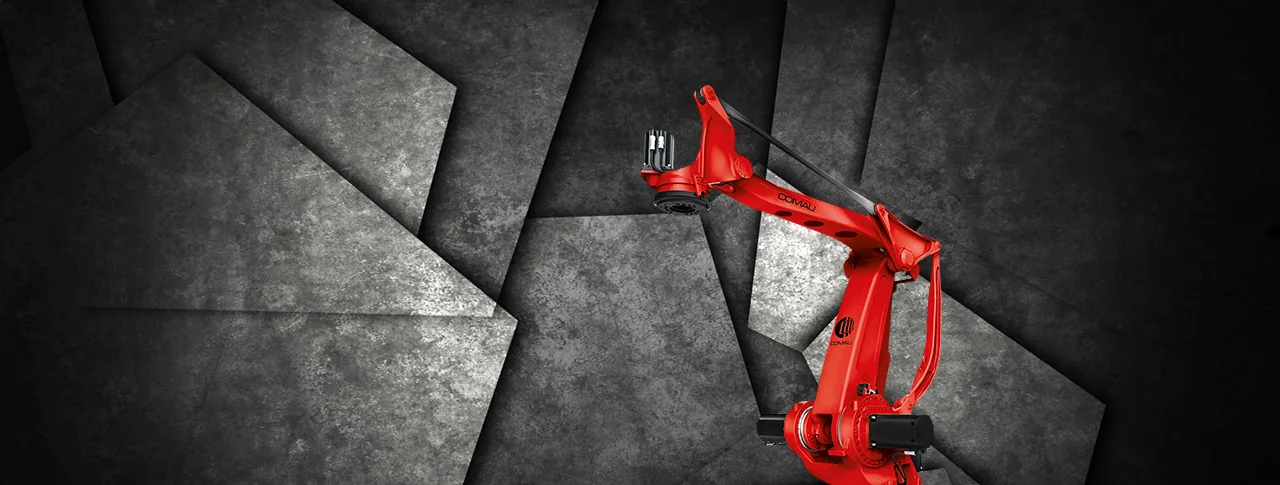
3.1m reach palletizing machine, oriented towards packaging and logistics.
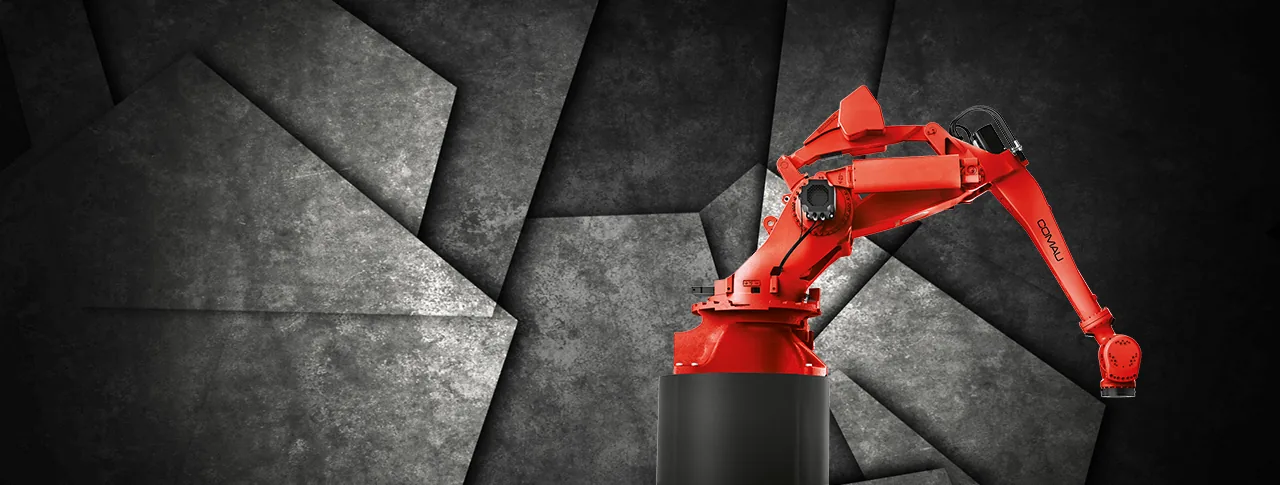
Dedicated model for loading and unloading on stamping lines, with a long boom and wide spacing layout.
Product series and specifications
The following specifications are compiled from the official Comau COMAU website (load, reach, footprint, body weight) for comparison and selection.
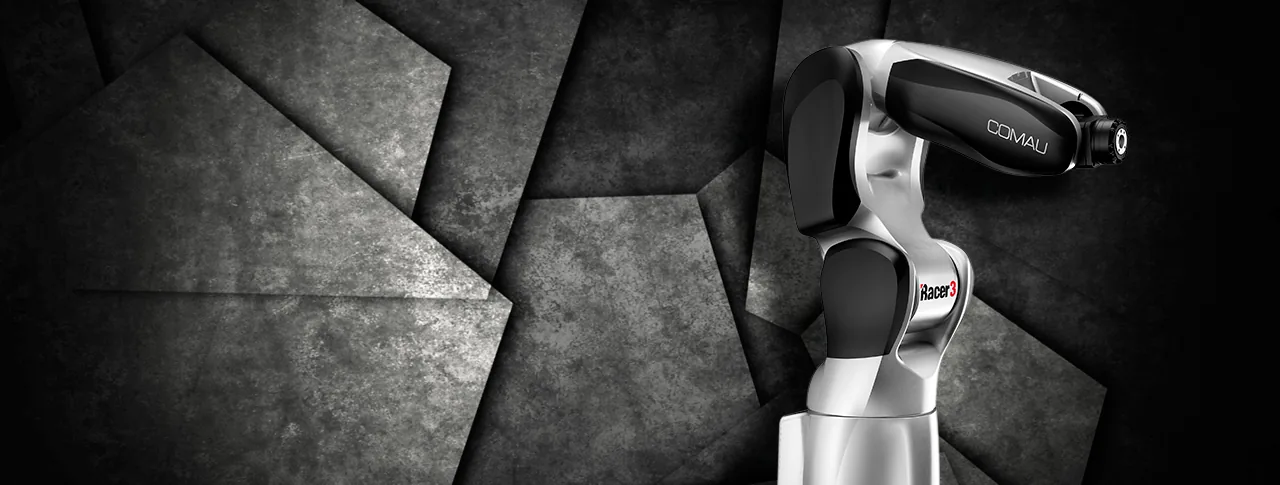
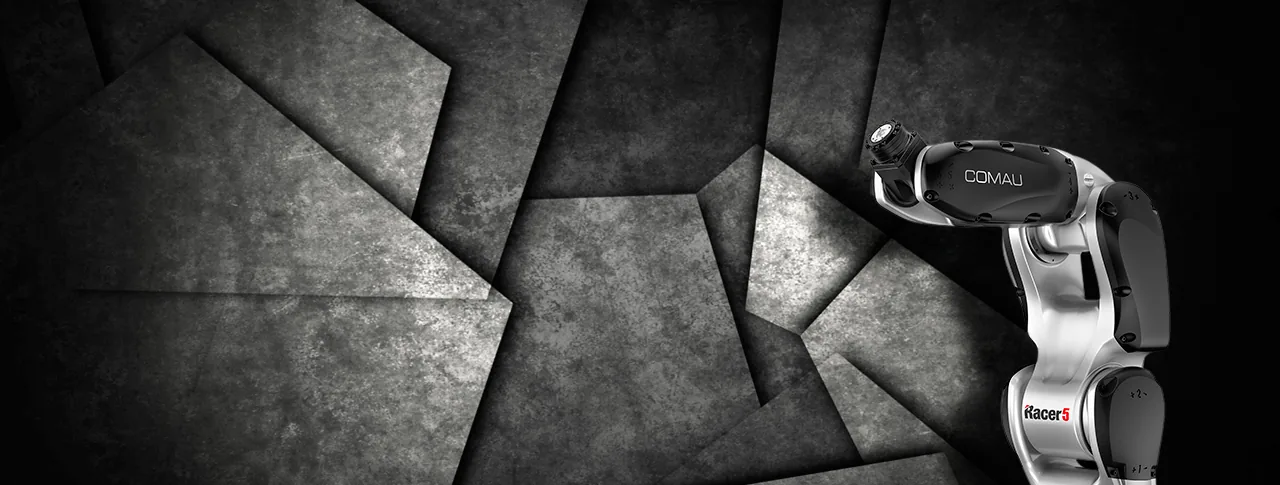
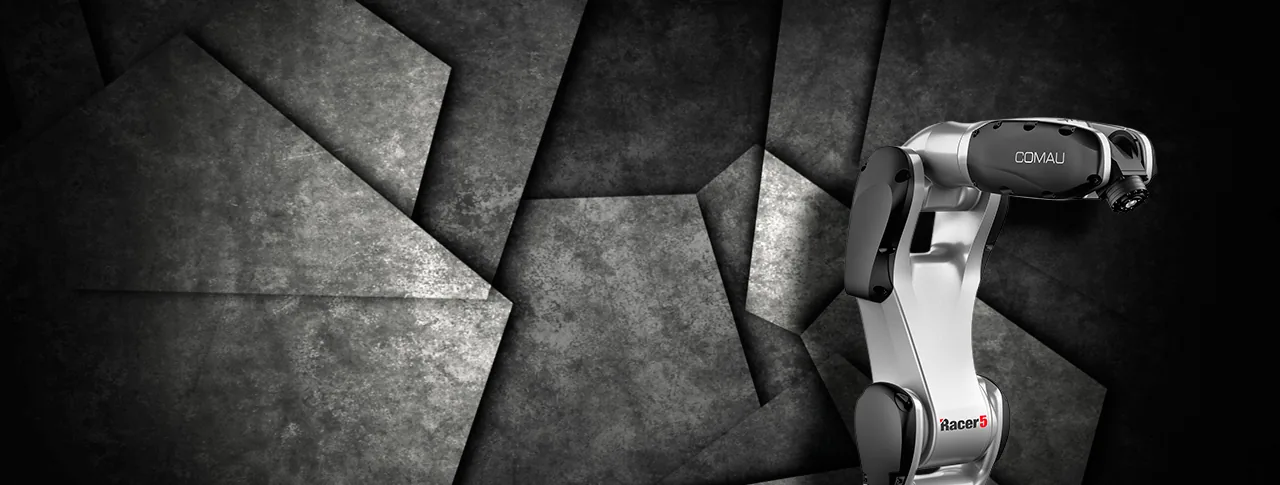
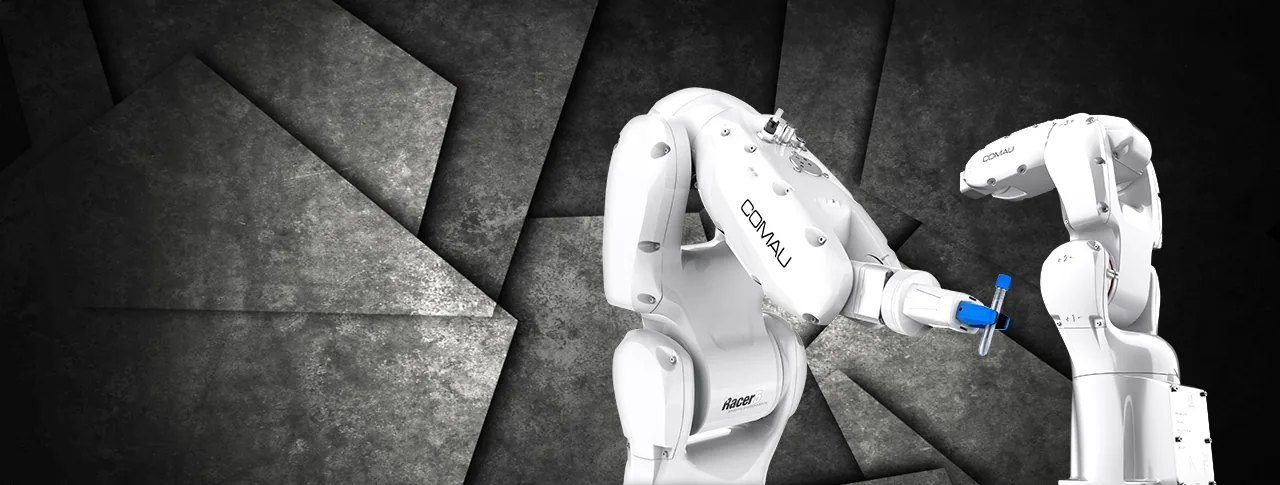
Racer series collaborative robots
3-7kg · Human-Machine Collaboration · Speed switches automatically
Automatically switches between collaboration mode and maximum industrial speed, balancing human-machine coexistence with rhythm.
630/809/1436mm arm reach combination, covering compact workstations.
Racer 3 repeatability: ±0.02mm (official website).
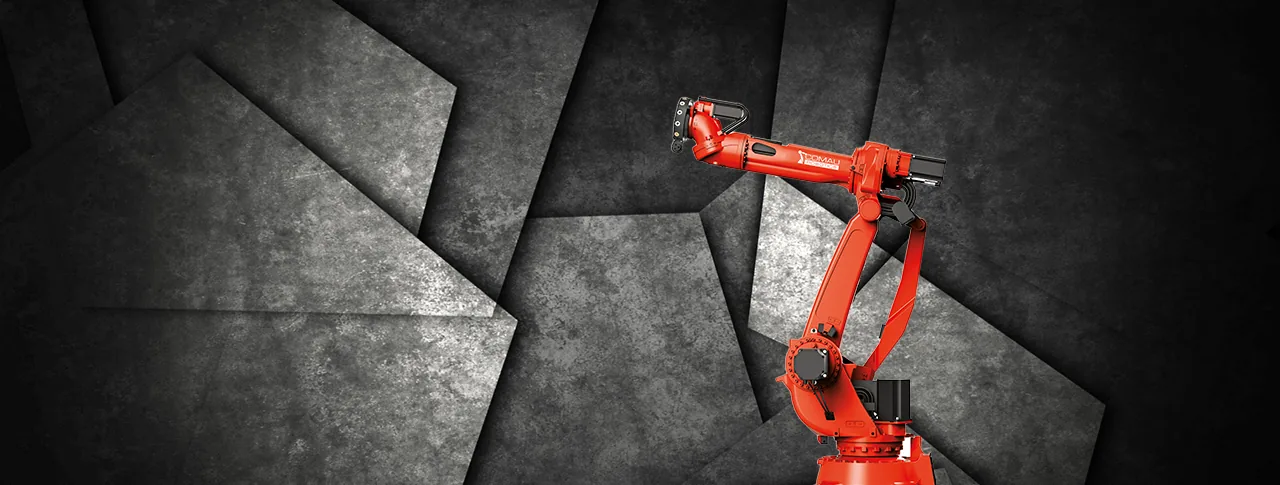
NJ Series Six-Axis General-Purpose Robot
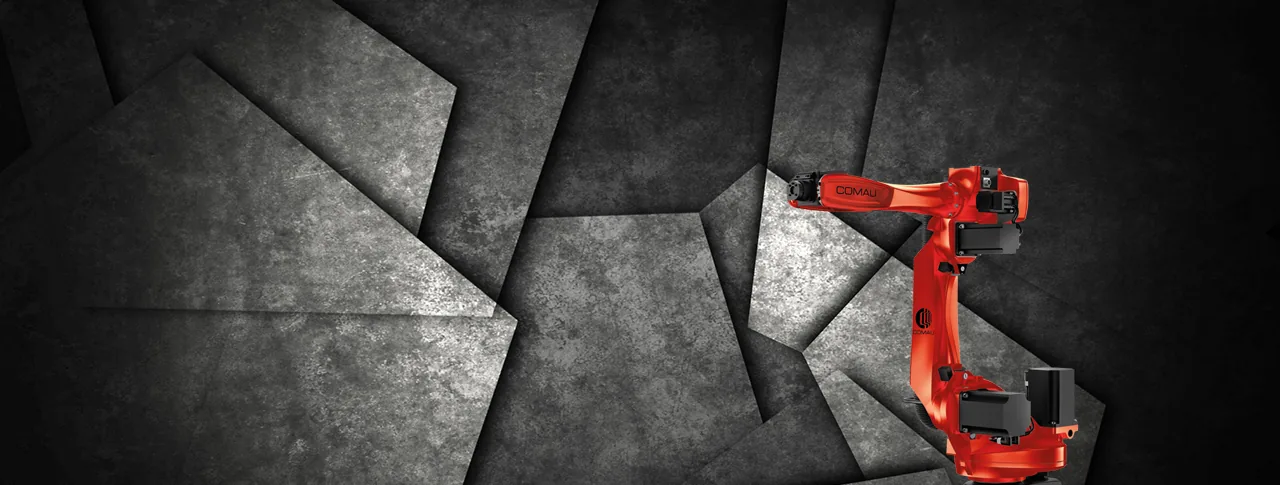
Load capacity 16-165kg · Compatible with six axes
The official NJ website classifies 16-650kg, and this group focuses on 16-165kg as the main models.
The NJ-130-2.0 official website states it supports floor-standing, inverted hanging, and tilted installation.
NJ4 family hollow wrist cable routing design (official website) reduces cable wear.
The C5G control cabinet is modular, with multi-arm configuration managing up to 16 axes (official data).
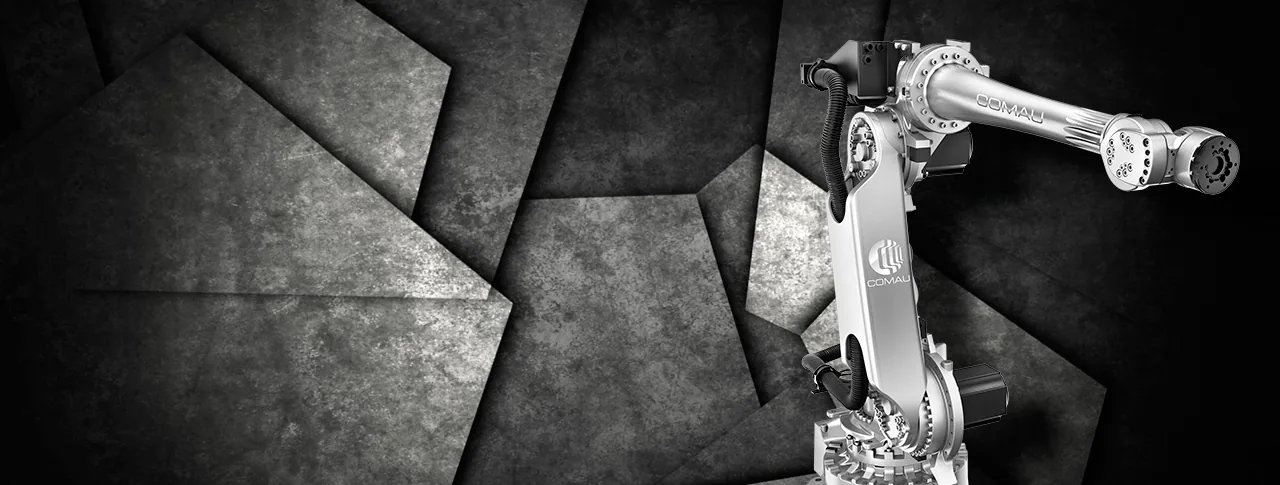
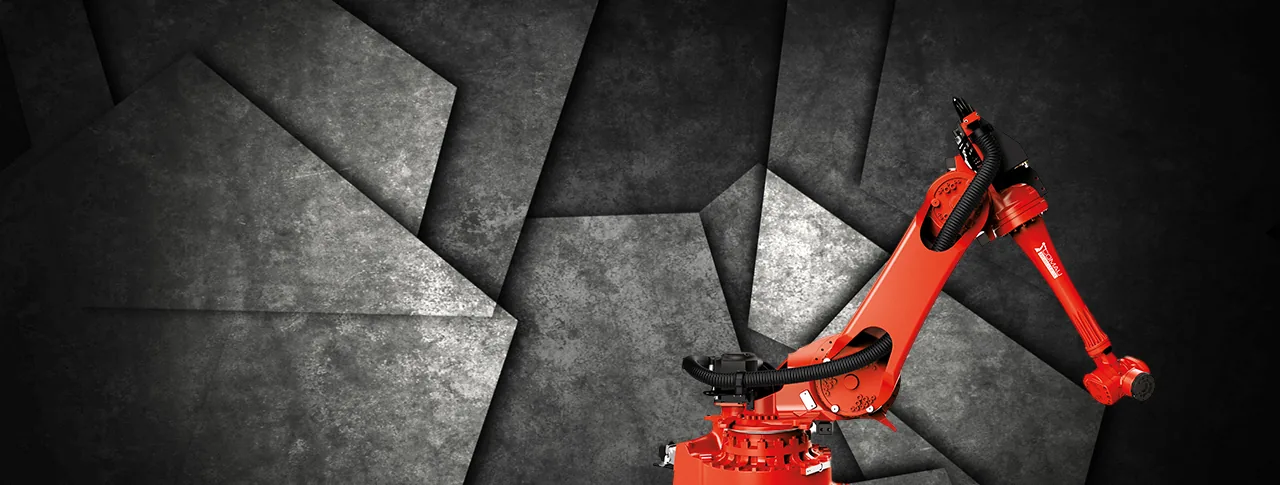

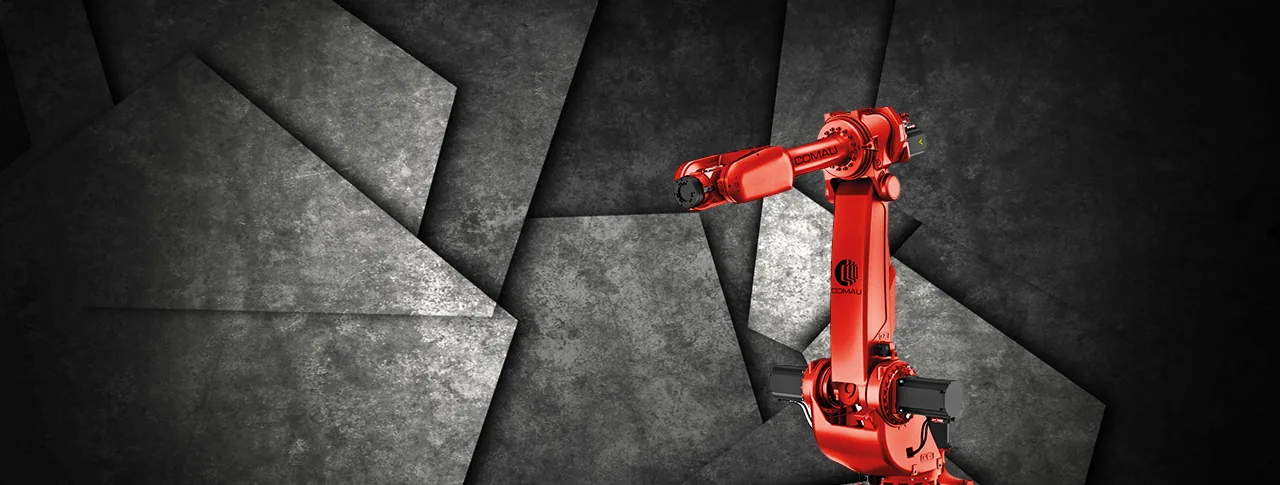
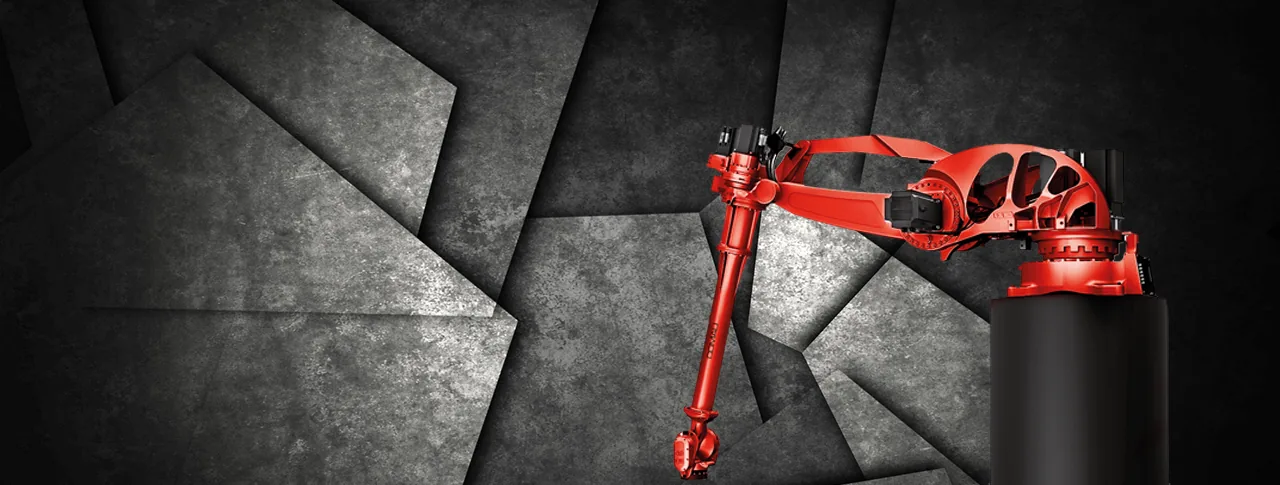
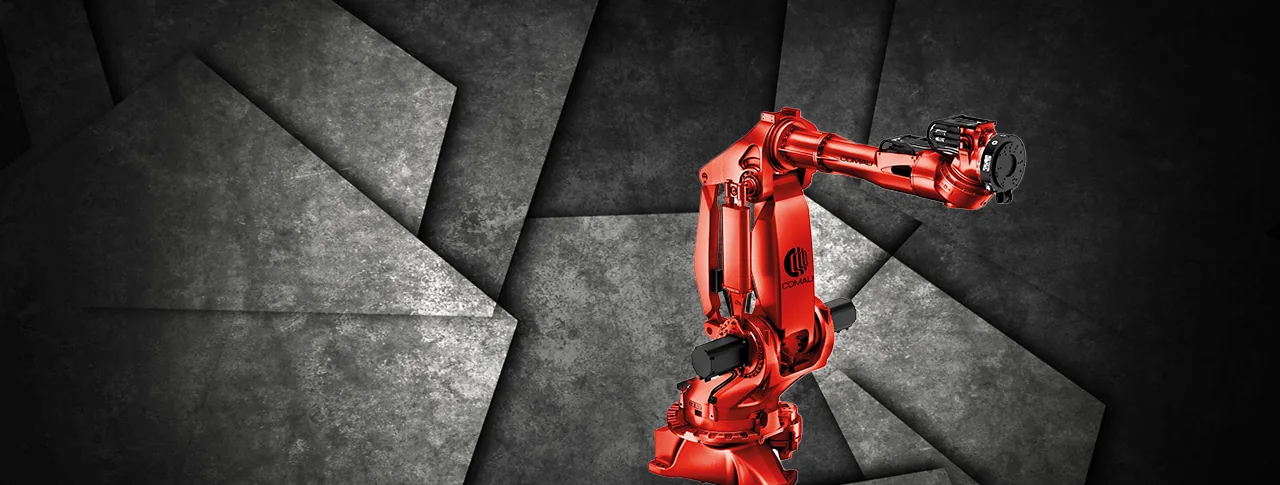
NJ/N series heavy-load heavy-duty robots
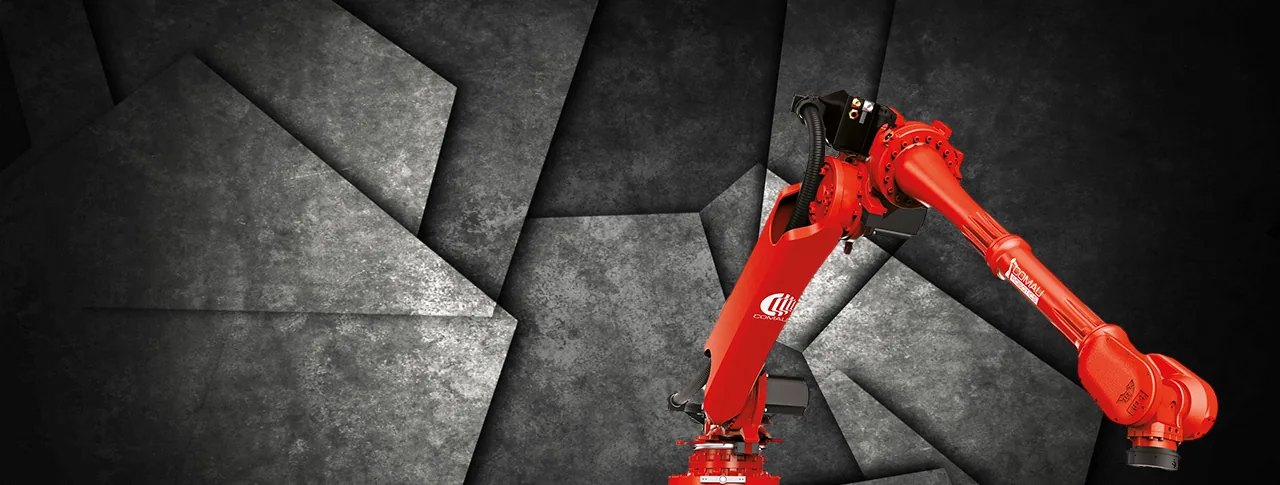
Load 170-650kg · Casting and handling
The NJ-650-2.7 is the official 650kg model at the top of the load spectrum.
Official website NJ-420-3.0 spec IP65/IP67, compatible with foundry workshops.
High-load torque supports high-inertia ends of welding tongs (official website parameters).
The official website lists applications such as casting, spot welding, palletizing, and press press loading and unloading.
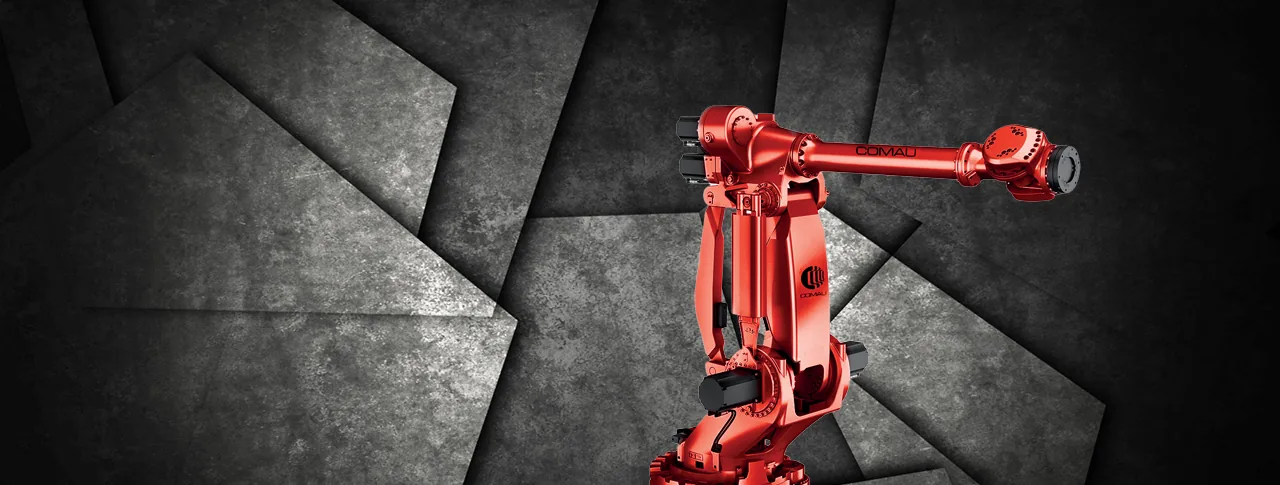
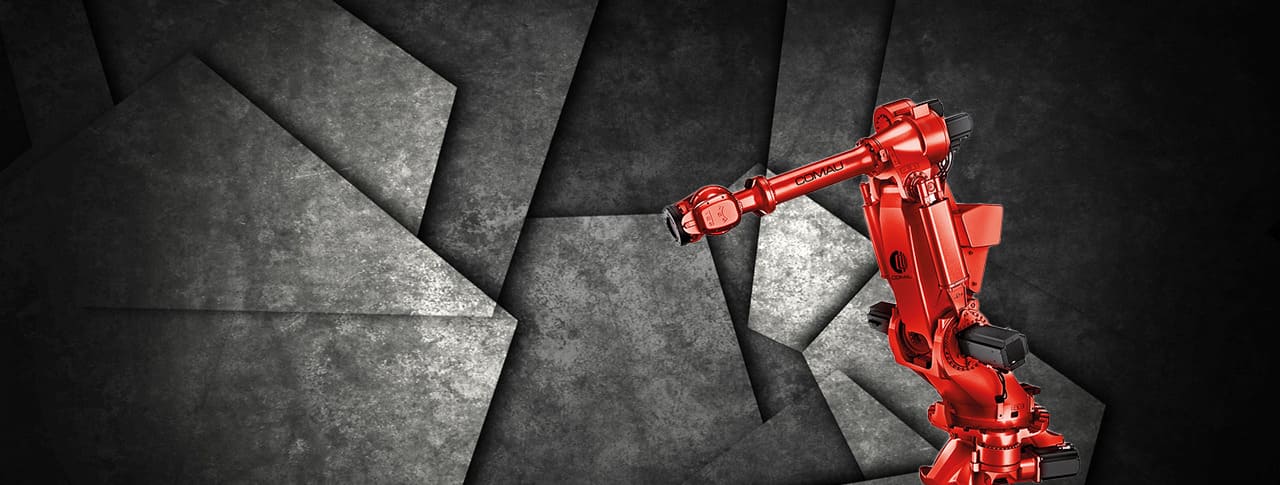
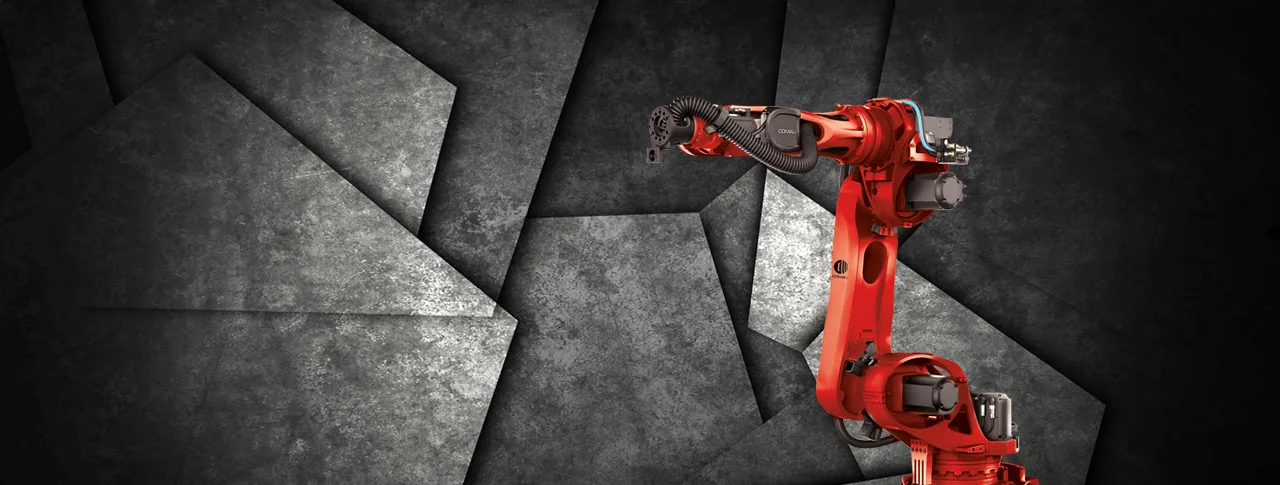
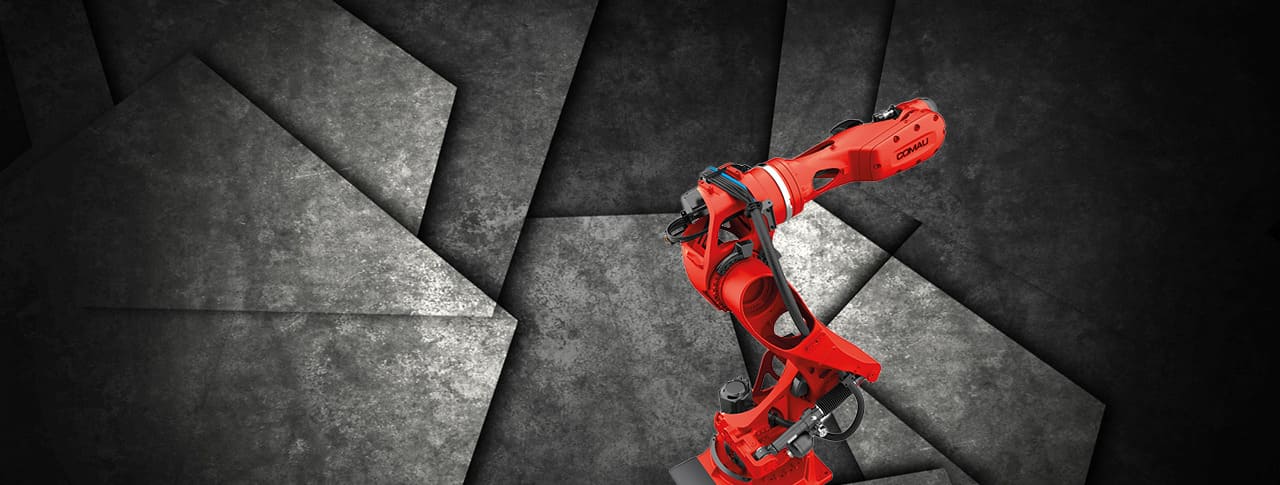
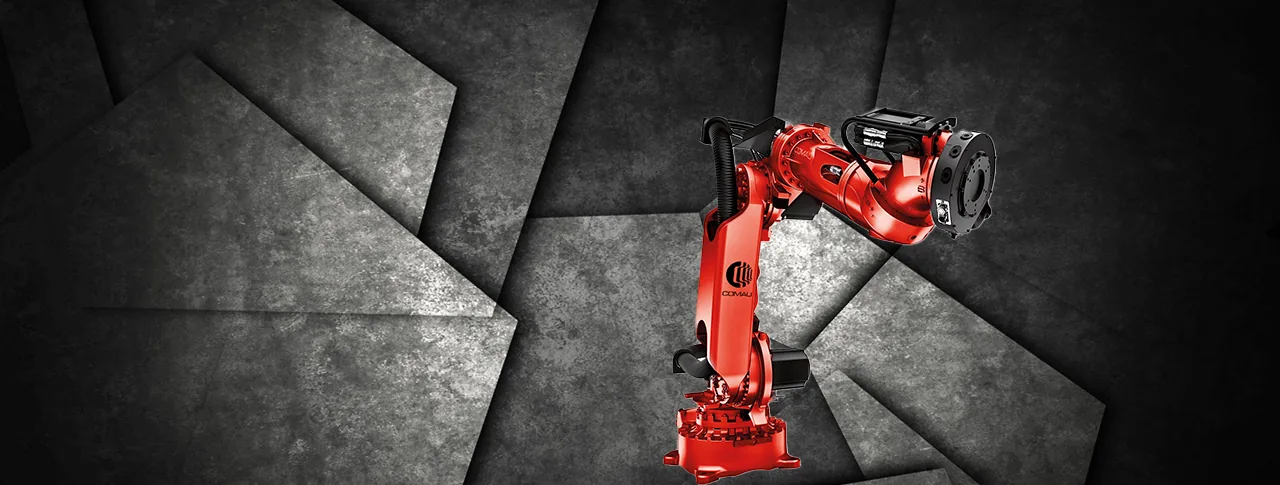
NJ4 series spot welding robots
110-270kg · Hollow Wrist · Automotive welding
Welding torch cables and signal lines pass through the arm, with good flexibility (official website).
The new dynamic structure reduces weight and size, shortens ride times, and lowers energy consumption (Comau China data).
NJ4-210/165 SH Oriented towards multi-torch composite stations.
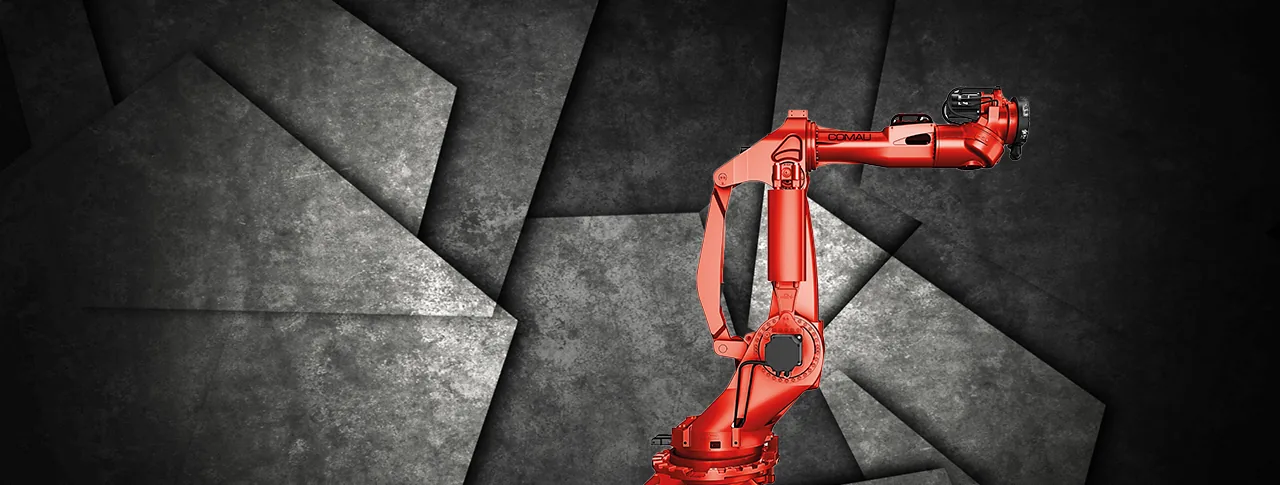
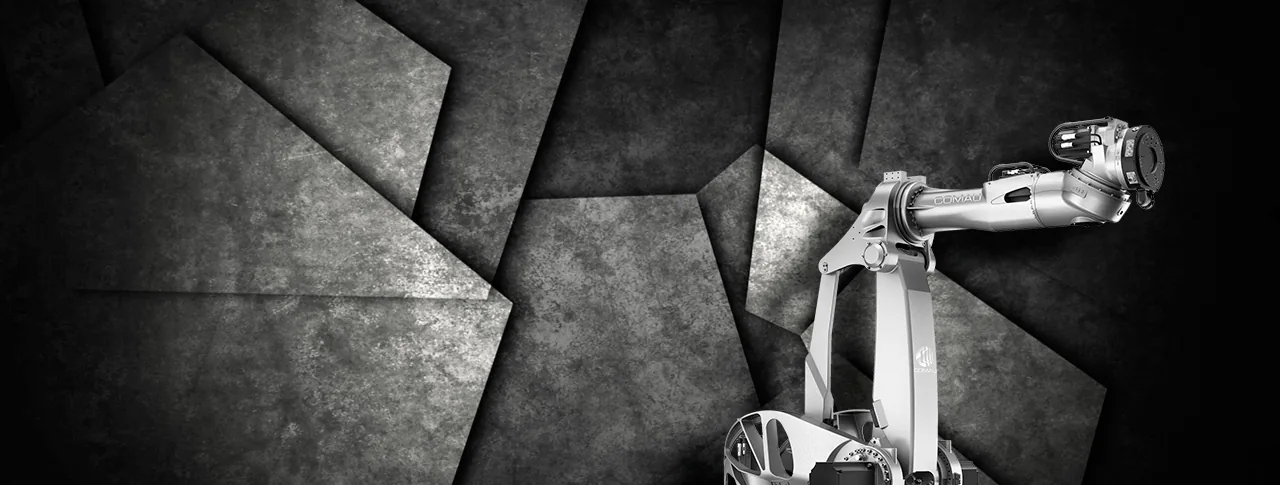
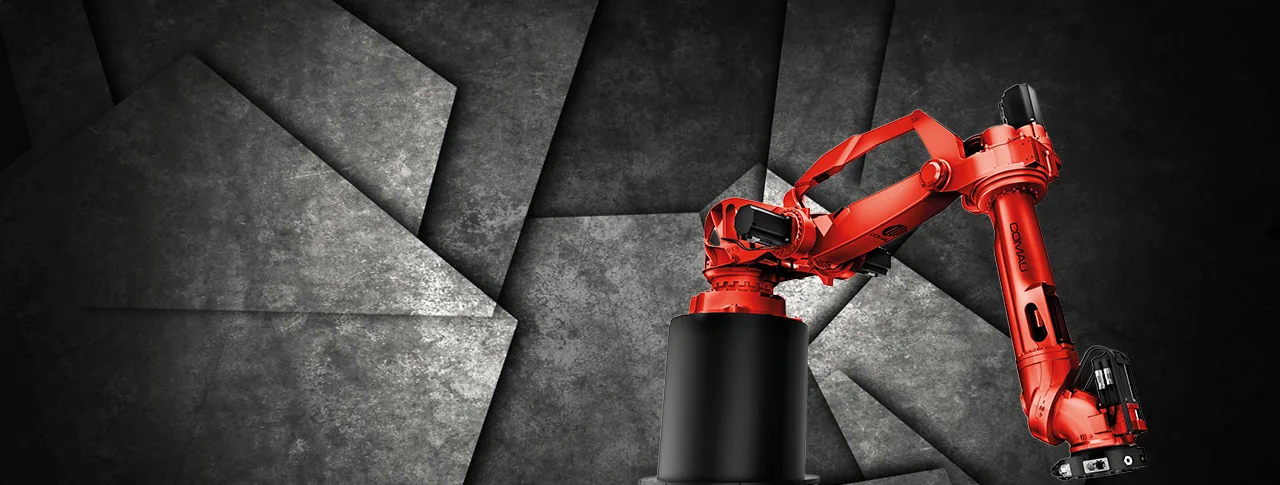
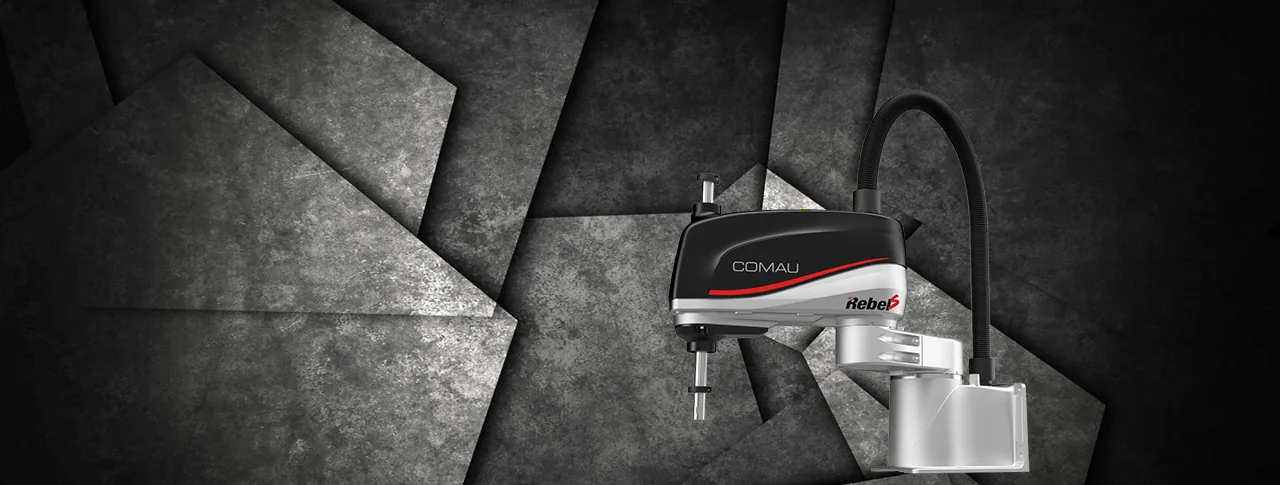
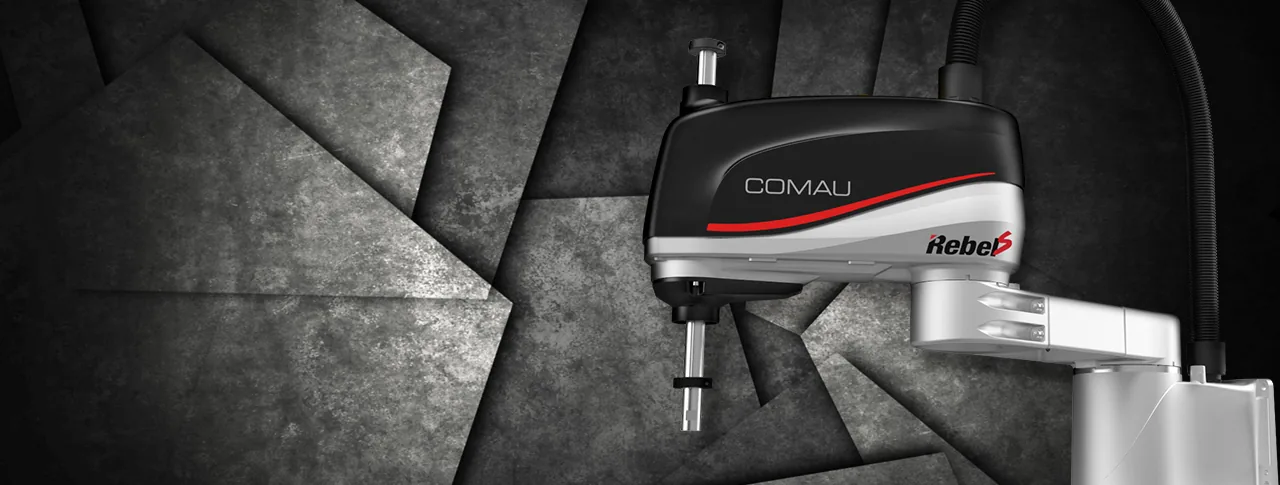
Dedicated robot for Rebel-S / PAL / PRESS
SCARA · Palletizing · Stamping automation
Rebel-S6 series has a reach of 0.45-0.75m, official SCARA branch.
PAL-180/260/470 four-axis palletizing machine models, load capacity up to 470kg (official website classification).
The NJ-PRESS model features press-to-press automation (official website).
Uses the C5G/TP5 controller ecosystem with NJ/Racer (official website Works with).
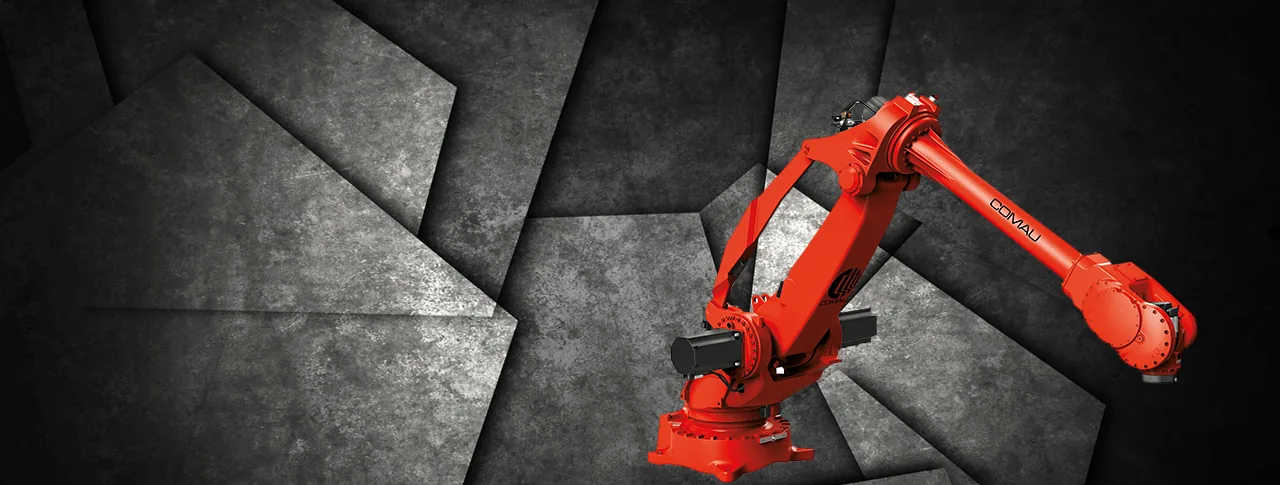
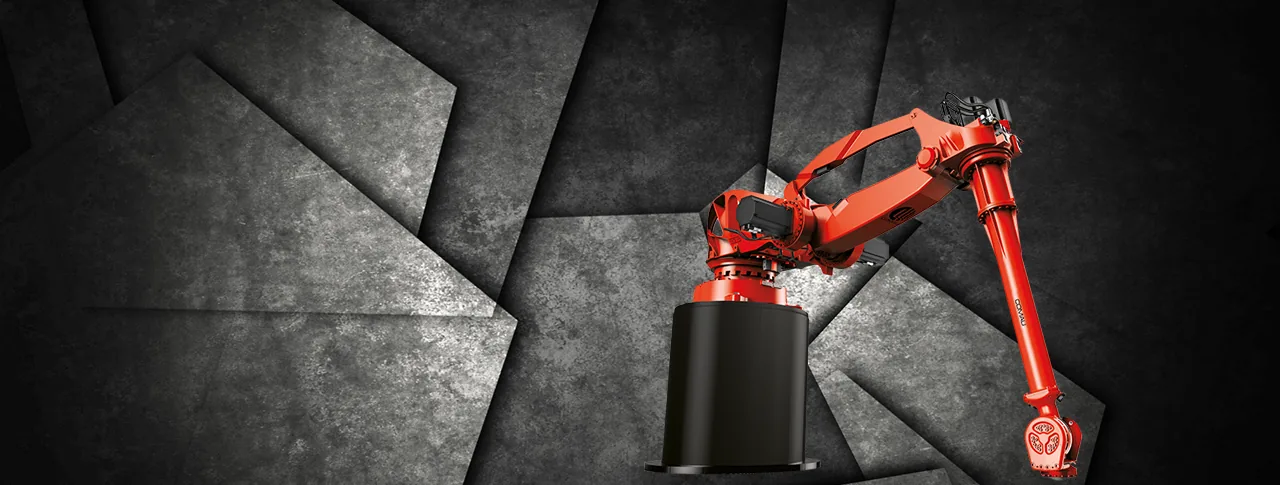
Core technical features
Automotive Gene · Human-machine collaboration
The Racer 5 COBOT automatically switches from collaborative mode to maximum industrial speed when the operator approaches (official product page).
Dedicated sensors give AURA "near-human" sensitivity, allowing close contact with personnel without the need for a safety light curtain (official website).
NJ4 series welding torch cables and signal lines pass through the arm, enhancing flexibility, penetration, and adaptability.
Control cabinets, teach pendants, auxiliary equipment, and software form Comau's proprietary automation suite (official website: unique automation suite).
Reliability verification from the complete stamping and welding lines delivered by automakers such as Fiat Chrysler.
Application scenarios
From palletizing and welding to machine tool maintenance, assembly, dispensing, grinding, and quality inspection, Comau COMAU can be rapidly deployed to various processes.
Service industry
Comau COMAU is widely used in the following industries, and we can provide selection and implementation support tailored to local industry characteristics.
Why choose Comau COMAU?
The model has been validated over a long period along with Comau's own FCA/Stellantis production line, with a deep automotive heritage.
3-650kg load capacity, over 40 models, covering everything from desktop collaboration to oversized load handling in one stop.
From the 5kg Racer to the 170kg AURA, Comau is one of the leading manufacturers in heavy-duty collaboration.
Integrated design of robots, control cabinets, software, and process units such as OpenRobogate.
Trusted by global customers
Comau COMAU serves many globally renowned companies (brand logo copyrights belong to each company).
Comau Robotics provides professional services
As a third-party industrial robot technology service provider, Henghuan offers selection, integration, maintenance, spare parts, and modification services for COMAU's full range of robots.
Process validation, workstation solutions, programming and teach-in and production ramp-up support, and turnkey delivery of robot applications.
Learn more → Sales of new industrial robotsAuthorized-style sales of brand-new mainstream robots with selection support for new production lines and capacity expansion.
Learn more → Research and development of automation equipmentResearch, development, integration, and delivery of end-effectors, conveyor positioning, safety peripherals, and complete control systems.
Learn more → Research and development of algorithms and control systemsMotion planning, machine vision, and PLC/SCADA system development to address takt-time bottlenecks, accuracy, and data interconnection.
Learn more → Robot rentalShort-term rental, long-term rental and lease-to-own for in-stock models, long-term rental, and lease-to-purchase transfer, including transportation, installation, commissioning, and lease-term maintenance.
Learn more → Software and hardware upgrade servicesController retrofits, software and firmware upgrades, mechanical refurbishment, and safety upgrades restoring performance to older equipment.
Learn more → Maintenance and repairOn-site inspection, fault diagnosis and repair, and annual maintenance contracts covering 1,310 models from 21 brands.
Learn more → Used & in-stock robot salesWe buy back used robots and handle inspection, refurbishment and resale; every unit ships with inspection records and a warranty, and trade-ins can offset new purchases.
Learn more →Comau COMAU Frequently Asked Questions
Focusing on Comau COMAU equipment selection, maintenance, parts, and second-hand circulation, we answer the most frequently asked questions from customers.
What controllers does Comau Robotics have? How do you distinguish between repairs and modifications?
The product detail page on the official website indicates that the current model comes with a C5G controller and TP5 teach pendant (Works with C5G TP5 section on the page). Older NJ/Racer batches may be paired with first-generation control cabinets. After the second-hand equipment arrives, first verify the control cabinet nameplate and teach pendant model before determining the spare parts and software versions; The program for cross-generation controllers is not compatible with the driver board; upgrades and modifications require evaluation of the compatibility between the main encoder and motor power, with specific on-site diagnostics as the final reference.
What are the key maintenance points for the NJ series hollow wrist (Wrist Hollow) wiring?
Comau's official website emphasizes hollow wrist wiring for models like the NJ4, with welding torch/tool cables running through the arm to reduce external friction and the risk of production discontinuation. Maintenance focus includes: regularly checking the cable sheath wear and bending fatigue through the wrist inspection holes, especially for high-current welding bars used in spot welding; When replacing internal wiring harnesses, remove the wrist cover in the order of the manual and record the zero point/travel. After reassembly, perform TCP calibration verification. Abnormal vibrations or alarms must be confirmed together with on-site diagnosis.
What are the differences in selection and maintenance between the Racer collaborative robot and the NJ six-axis?
The Racer series (such as Racer-3/5/7, with a load capacity of 3-7kg and repeatability of 0.02-0.05mm) focuses on collaborative scenarios and supports direct human-machine mixing; NJ/NJ4 is a six-axis with a medium-to-high load capacity of 16-650kg, mostly used for spot welding, handling, machine loading and unloading, and usually requires safety fencing. Maintenance differences: Collaborative models are more sensitive to zero drift after collisions, so repeatability should be checked after collision events; NJ high-load models focus on checking the condition of the reducer and balancing mechanism.
How should Comau robots be rated for harsh working conditions such as casting and machining?
The official NJ high-load models (such as NJ-420-3.0) have technical specifications indicating protection ratings of IP65/IP67, capable of handling dust and water mist environments in foundry workshops. On-site recommendations include: regularly inspect the main body seals and cable inlet sheaths, and ensure the air source is dry when using the optional air curtain positive pressure device; IP rating only applies to factory condition; protection decreases after seal aging, and if oil backflow or water ingress occurs, the machine must be stopped immediately for drying and insulation testing.
How should the lubrication and maintenance cycle for Comau robots be arranged?
The Comau official website does not uniformly disclose grease injection intervals for each series; please refer to the included maintenance manual for actual use. The general rules are consistent with similar six-axis robots: J1-J3 large gear reducers should replenish or replace grease according to operating hours or years; wrist reducers and bearings should be inspected according to manual intervals; new machines should be inspected after about 1000-2000 hours of operation. High temperature, dust, or flip loading conditions should shorten the cycle; Excessive grease injection causing oil seals to bulge and leak oil is also a common fault and should be confirmed together with on-site diagnosis.
What faults can occur when the servo motor encoder battery runs out of power? How do you replace it?
Like most industrial robots, Comau robots use absolute encoders for multi-axis use and retain position data with batteries after power is cut off. A typical sign of battery depletion is the telegraph encoder/position loss alarm, which requires full-axis zeroing and recalibration. Battery replacement should be performed while the control cabinet is powered on or within the time limit specified in the manual, to avoid loss of origin data during power outages; After replacement, zero reset and accuracy verification must be performed. For frequent power-off alarms, check the battery holder contact and the cabinet's internal holding circuit.
Old Comau robot programs won't be migrated, and the teach pendant shows a black screen—is it still worth repairing?
Common causes include aging industrial computers/hard drives inside the cabinet, poor contact with screen cables, UPS battery bulging and power supply damage. In public maintenance practice, most old control cabinets can undergo board-level repairs or be retrofitted with a new controller + preserved body, but it is necessary to first confirm that the body's reducer, motor, and encoder are in good condition, and the program can be rebuilt on-site. Whether there is value should be evaluated based on the remaining precision of the equipment and process complexity, and conclusions should be made after on-site inspection.
Comau Robotics provides professional services
Henghuan provides selection, consulting, integrated commissioning, maintenance, and spare parts services for the full range of COMAU Racer/NJ/NJ4/PAL robots, offering full lifecycle support for existing Comau equipment as a third-party technical service provider.
Contact Henghuan