
Mobile robots AGV/AMR
AGV/AMR mobile robots—wheeled automated guided transport vehicles, responsible for internal factory logistics; they are not robotic arms themselves and are often used in combination with robotic arms. This page explains its structural principles, key parameters, applicable processes, advantages, and disadvantages, along with an index of the 21 models in our database.
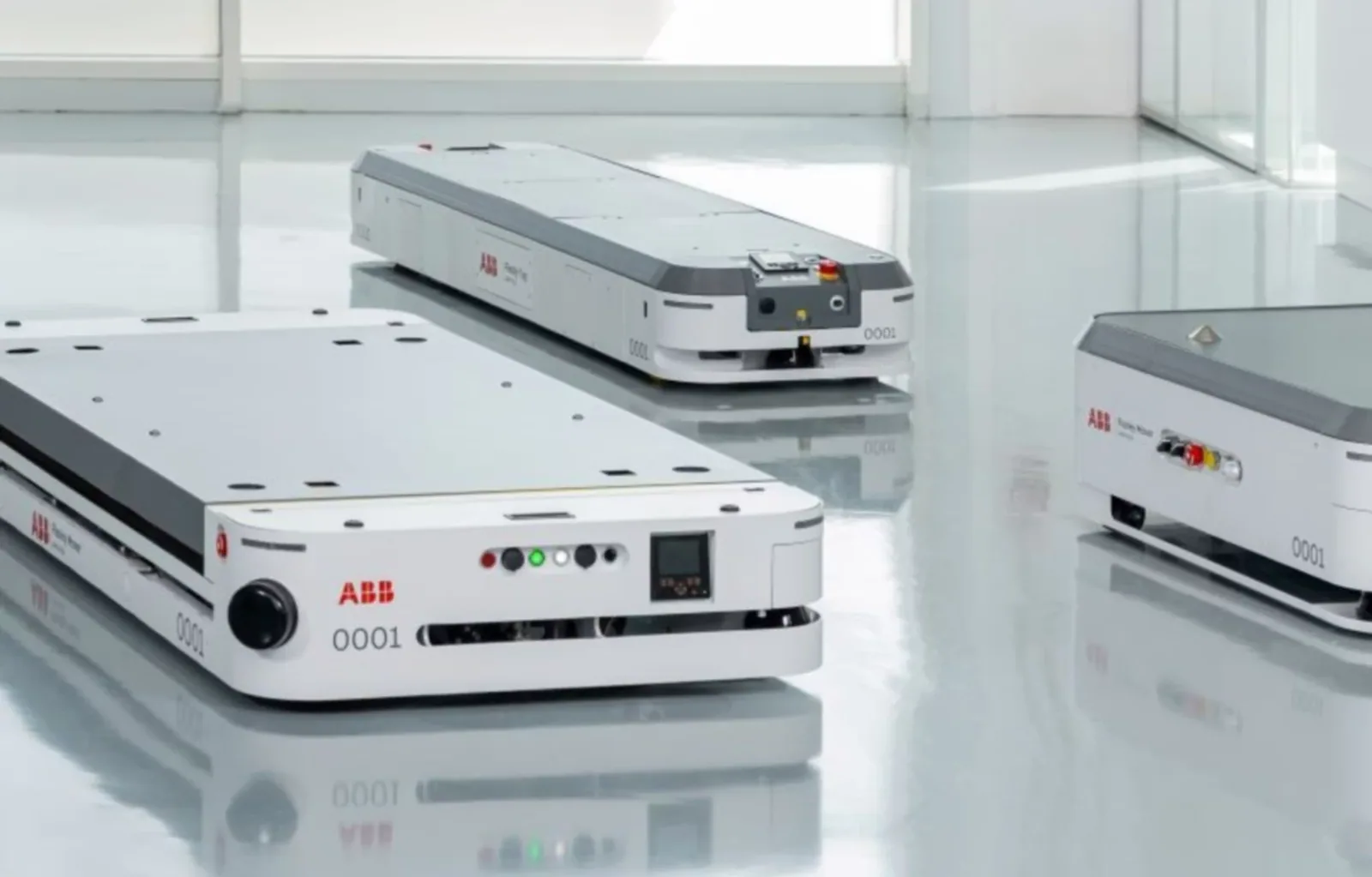
A moving robot that moves on its own—it's not a robotic arm
What is an AGV/AMR mobile robot?
This category requires special clarification: AGVs/AMRs are not robotic arms.Many people think industrial robots are just "arms," but AGVs (Automated Guided Vehicles) and AMRs (Autonomous Mobile Robots) doMobile platforms with wheels—It runs on the ground, responsible for transporting materials from point A to point B, acting as the factory's "automatic handler," with an appearance completely unrelated to a robotic arm.
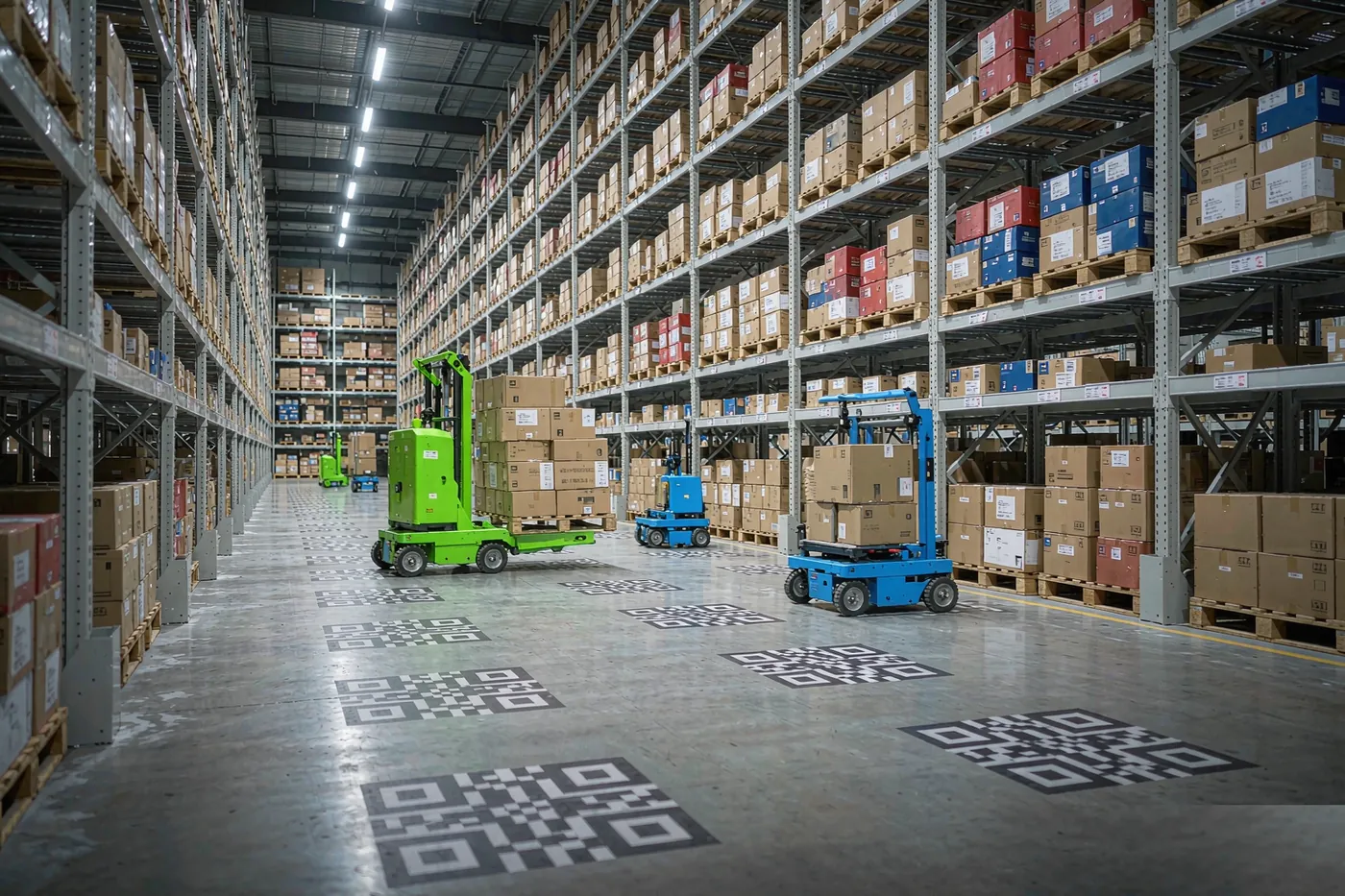
The difference between AGVs and AMRs lies in navigation methods:AGV(Automated Guided Vehicle) follows preset paths (magnetic stripes, QR codes, reflector navigation), with fixed routes and low cost;AMR(Autonomous Mobile Robot) relies on laser/vision SLAM for autonomous navigation, capable of dynamic obstacle avoidance and flexible route changes, making it smarter but more expensive. Most of the mobile robots in our database belong to this category.
| Parameters | Typical range | Engineering meaning |
|---|---|---|
| Navigation methods | Magnetic stripes / QR codes / Laser SLAM / Vision | Determine flexibility and retrofit costs |
| Rated load | 100kg – 2000kg+ | Handling capacity |
| Operating speed | 0.5 – 2m/s | No-load and load speeds differ |
| Positioning accuracy | ±5 – ±50mm | Precision requirements for docking workstations |
| Battery life/charging | Lithium battery with automatic recharge | It affects the ability to work continuously |
| Safety protection | LiDAR + bumper strips + emergency stop | Human-machine mixed driving safety |
Mobile Operation Robot: A combination of AGV + robotic arm
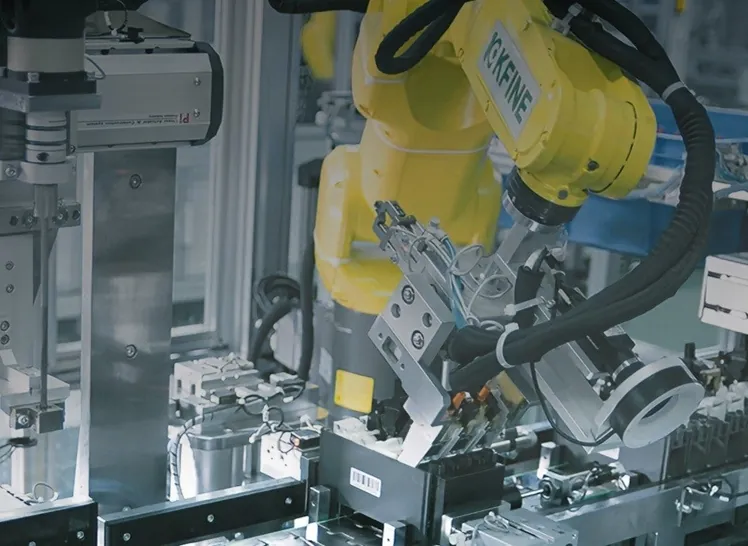
An interesting crossover pattern is:Mobile Manipulator— Equip a six-axis robotic arm or collaborative robotic arm on an AGV/AMR platform, allowing the "walking vehicle" to have a "grabbing arm," enabling both movement and operation. This breaks the boundary between "mobile robots" and "robotic arms," representing the forefront of flexible logistics automation. This site offers integrated solutions combining AGVs and robotic arms.
The main battleground for AGVs/AMRs
| Application scenarios | Explanation | Common navigation |
|---|---|---|
| Production line material distribution | Material transfer between workstations and warehouses to production lines | QR code / laser |
| Finished products are stored in the warehouse | Docked with palletizers and vertical warehouses | Laser SLAM |
| Goods-to-person picking | Lifting shelves to picking workstations | QR code |
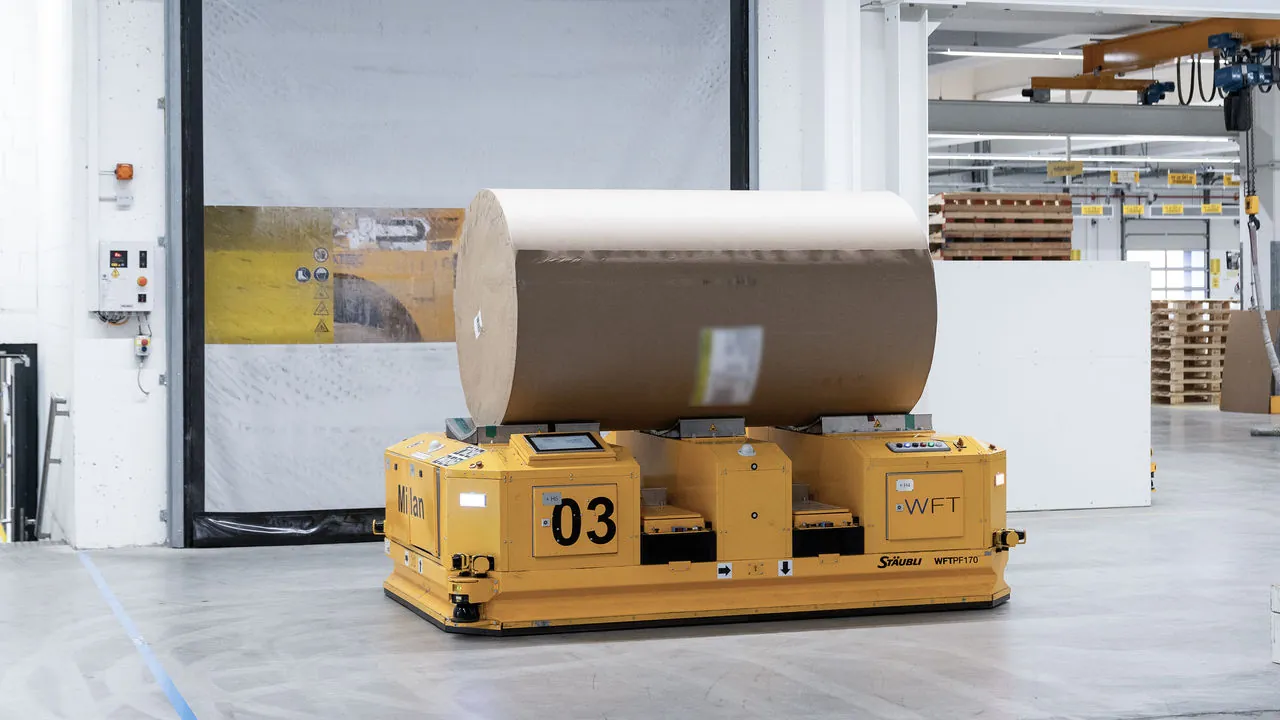
| Heavy loads are transported and transported | Handling large parts, molds, and racks | Laser/magnetic stripe |
| Cross-workshop logistics | Long-distance, multi-floor (elevator linkage) | Laser SLAM |
How AGVs/AMRs work together with robotic arms
In smart factories, AGVs/AMRs handle "horizontal logistics" (point-to-point transportation), while robotic arms handle "vertical operations" (grabbing, assembly, palletizing). The two work together through a scheduling system (RCS/WMS): AGVs deliver materials to workstations→ robotic arms pick and process materials→ AGVs transport finished products. Understanding this division of labor means you won't confuse a "walking car" with a "grabbing arm."
Frequently Asked Questions
Are AGVs robotic arms?
No. AGVs are wheeled mobile platforms responsible for transportation, without the joints and ends of robotic arms. It is a distinct category of industrial robots (mobile robots), and its form is completely different from robotic arms. This is the best example of the "industrial robot ≠ robotic arm."

How to choose between AGVs and AMRs?
AGVs have fixed routes, low cost, and stability, suitable for production line distribution with clear routes; AMR autonomous navigation, flexible obstacle avoidance, and easy route changes, suitable for scenarios with frequent changes and mixed human-machine traffic. If your budget is limited and your route is fixed, choose AGVs; if you want flexibility, choose AMRs.
Can I only buy AGVs and not robotic arms?
Yes, you can. AGVs handle handling, robotic arms handle operations, both independently procured and combined as needed. Many factories first implement AGVs for logistics automation, then gradually add robotic arms at key workstations. We offer solutions ranging from single devices to full-line integration.
Are mobile operation robots (AGVs + robotic arms) practical?
It is highly valuable in scenarios with multiple varieties and flexible layouts (such as flexible assembly and inspection sampling); However, in fixed-cycle mass production lines, fixed robotic arms + conveyor lines are often more economical and efficient. Whether to use mobile operation robots depends on the balance between flexible demand and investment; we evaluate based on operating conditions.
Mobile robot AGV/AMR in our inventory (21 models)
Browse by brand
Below are the representative models of this structural form in our database. Click to view specifications, technical interpretation, and maintenance points. For the complete model list, please see each brand's page.
KUKA (21 models)
Need robot selection, maintenance, or application solutions?
Tell us about workpieces, procedures, beats, and budgets. Local teams in Nanchong will connect with us, and on-site inspections are available in Sichuan, Chongqing, Yunnan, and Guizhou. Robotic arm (manipulator) selection, second-hand purchase and sale, maintenance and repair all in one place.
Contact usView all varieties