Five series, 1–35 kg payloads — JAKA cobots, full-line service
Integrated joints, drag-and-pull teaching and force control technology, Zu/Pro/S/A/Mini 5 series with 19 models, covering loading and unloading, assembly, welding, palletizing, and commercial service scenarios.
Collaborative robot integrated technology system
JAKA centers on integrated joints, torque sensing, and graphical programming, building a product family ranging from 1kg to 35kg payloads, from the main body to control cabinets/teach pendants/force control/vision components.
8 models with integrated joint design, drag-and-pull teaching, installation at any angle.
A reliable assistant for complex working conditions such as water environments and oil mist.
Integrated force control expands the boundaries of flexible operations, adapting to assembly and grinding.
End joint IP67, including integrated visual control A12L.
Desktop deployment, education, and new business scenarios.
Control cabinet, teach pendant, six-axis force sensor, and 2D/3D vision.
Product series and specifications
The following specifications are compiled from the official JAKA Robot website (load, reach, footprint, body weight) for model selection and comparison.
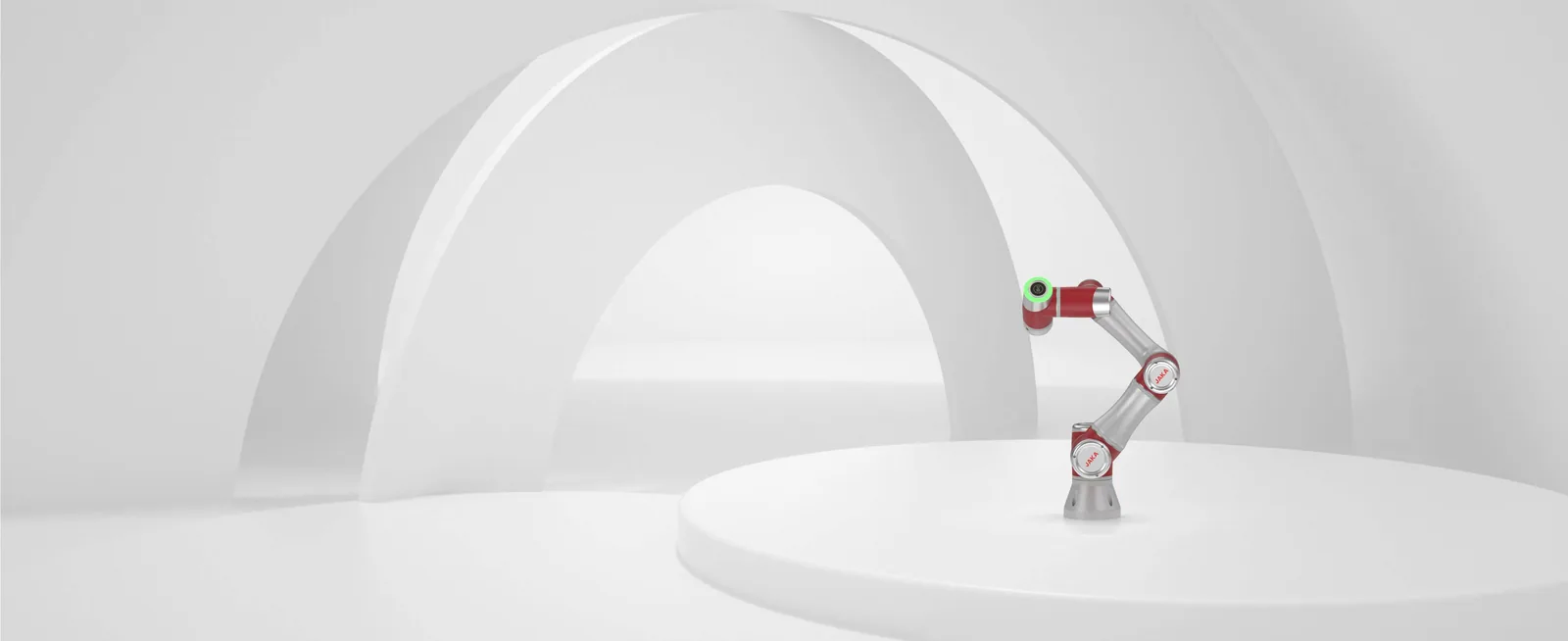
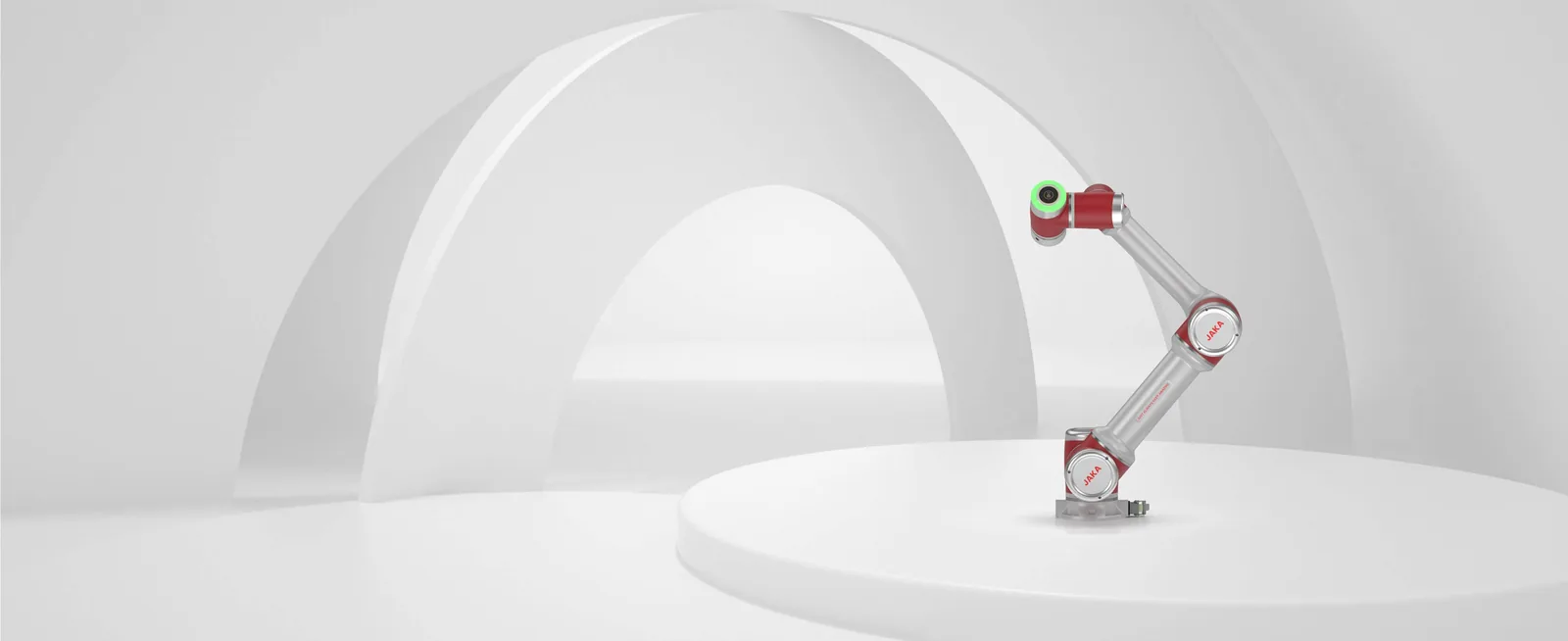
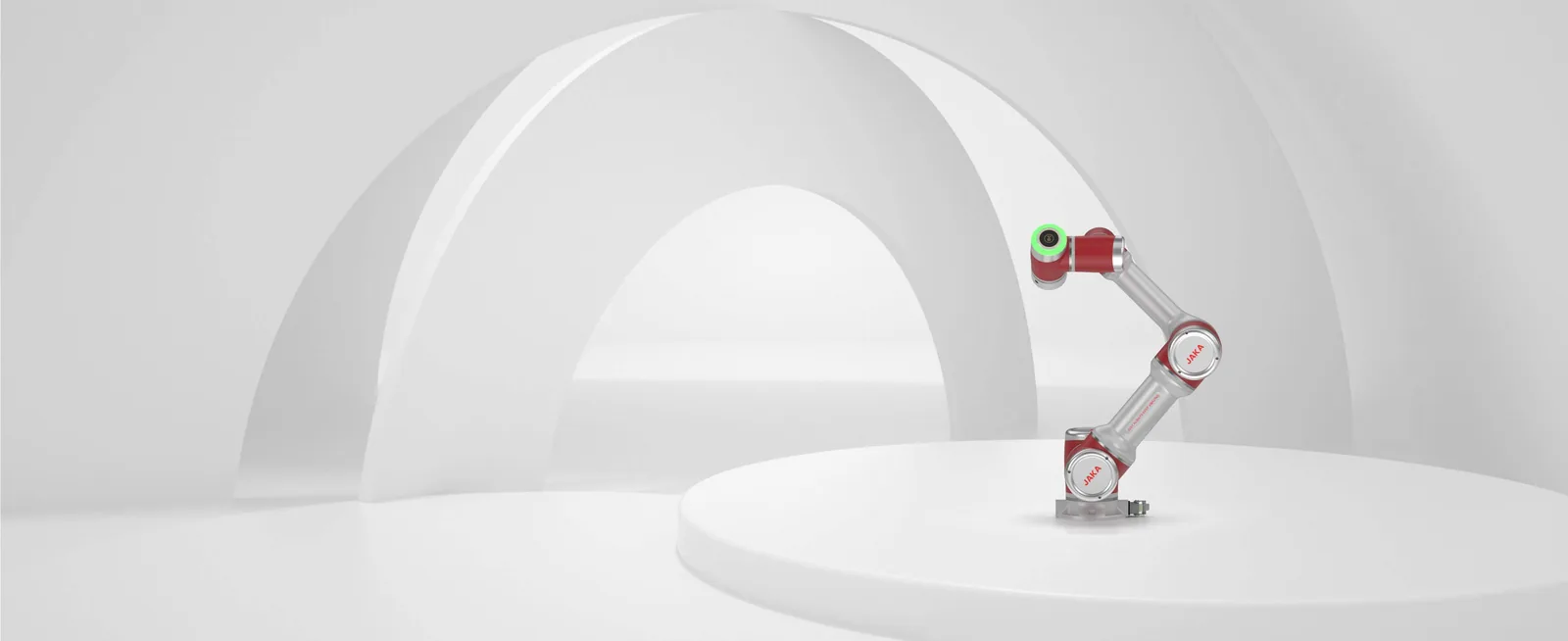
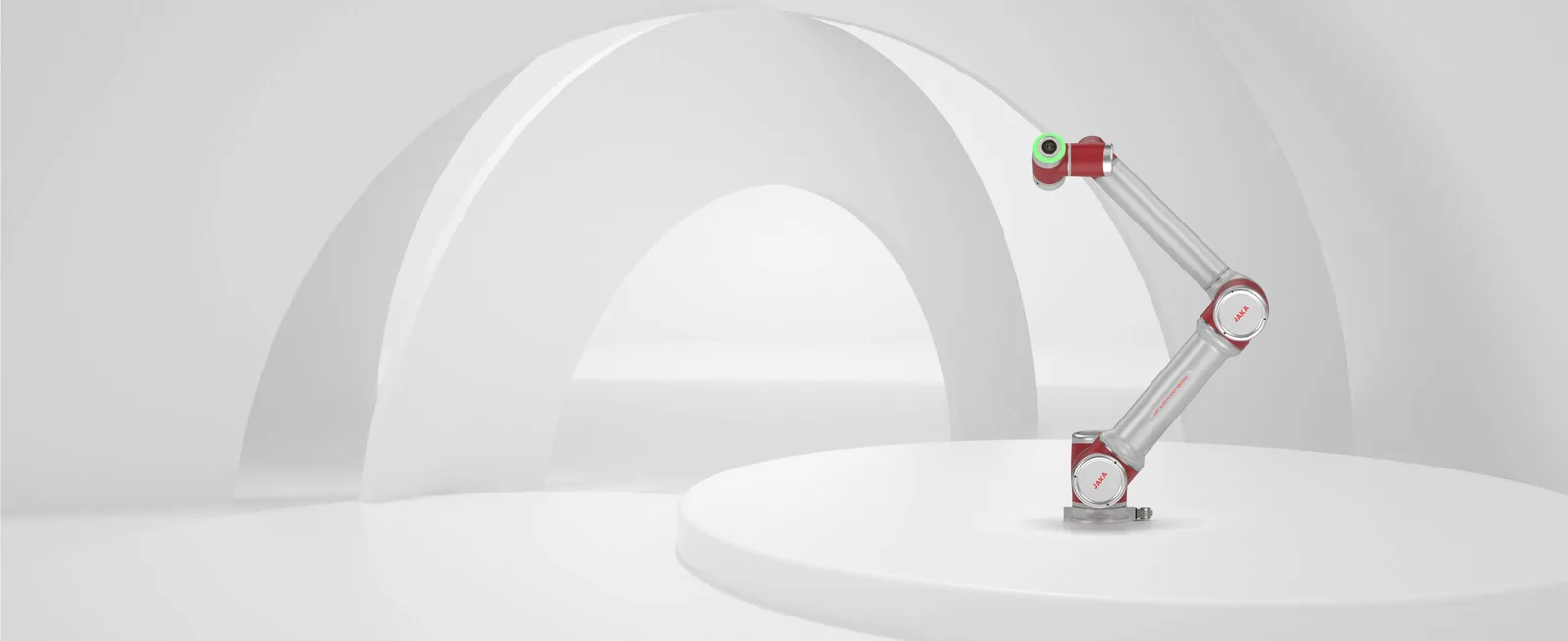
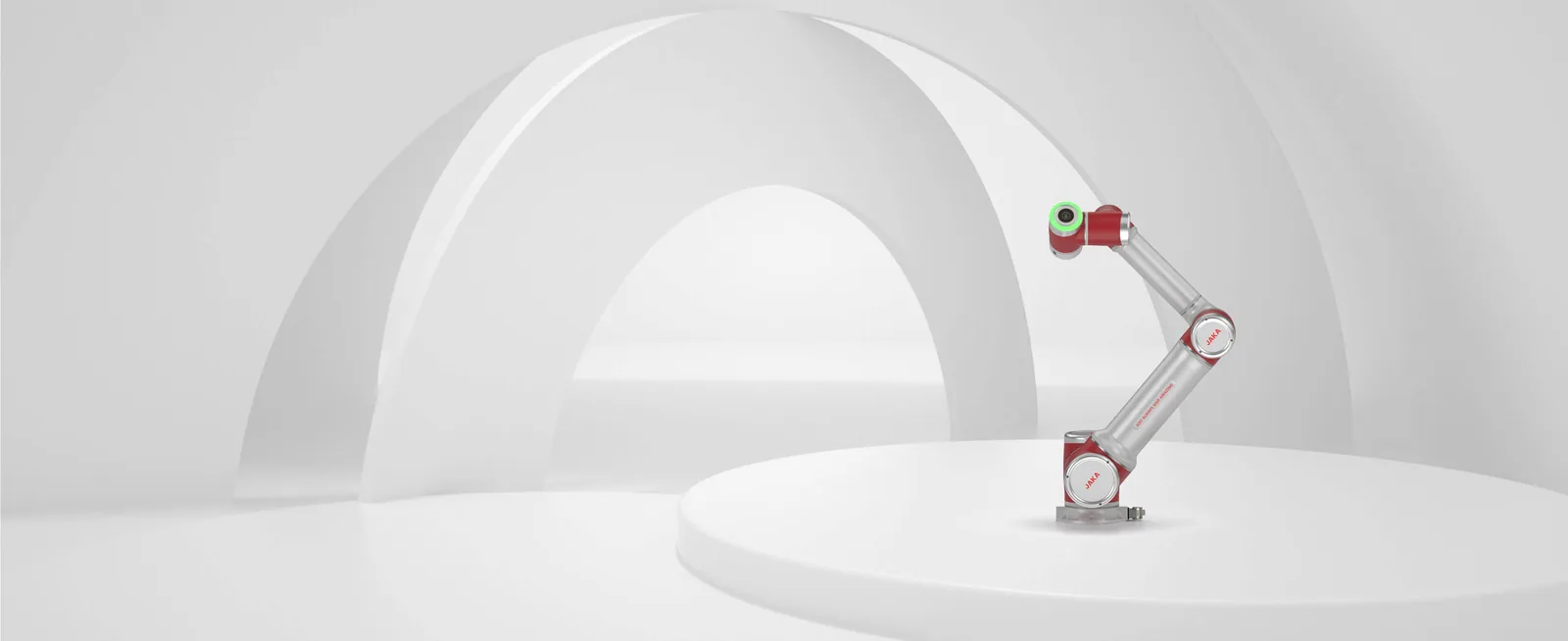
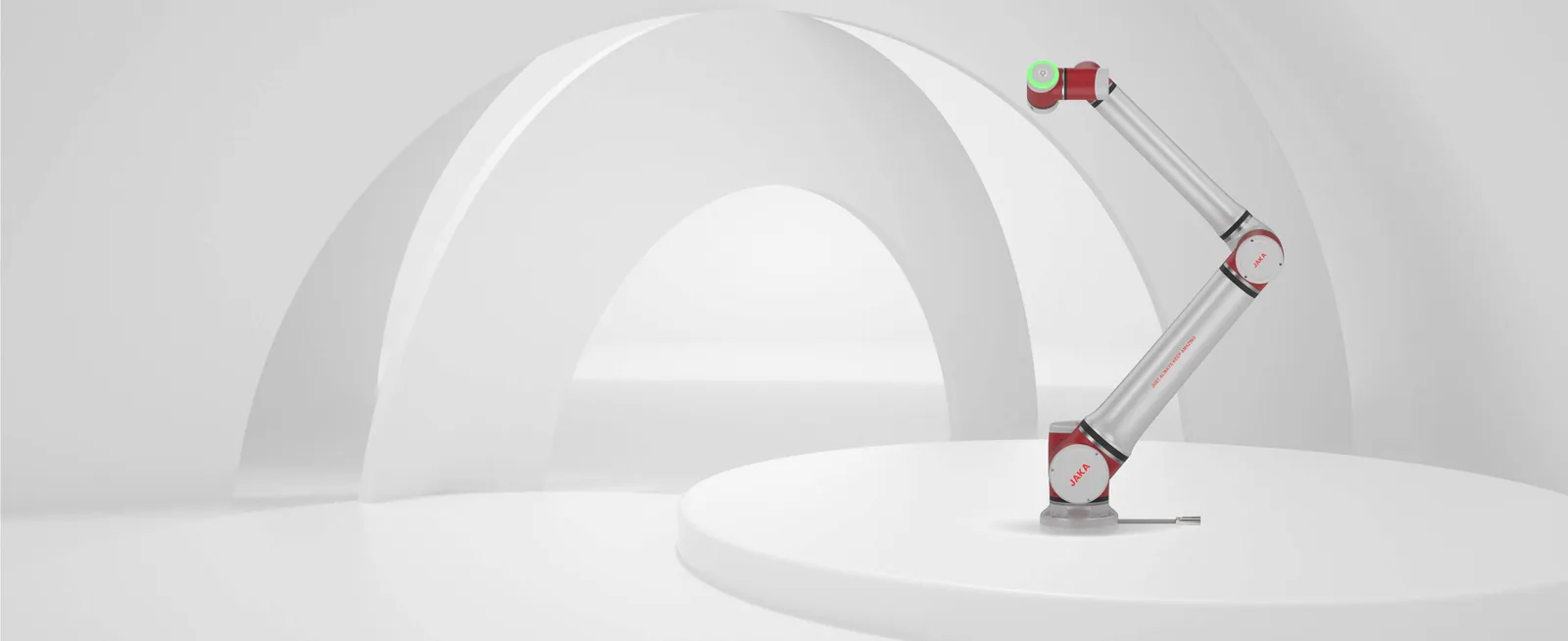
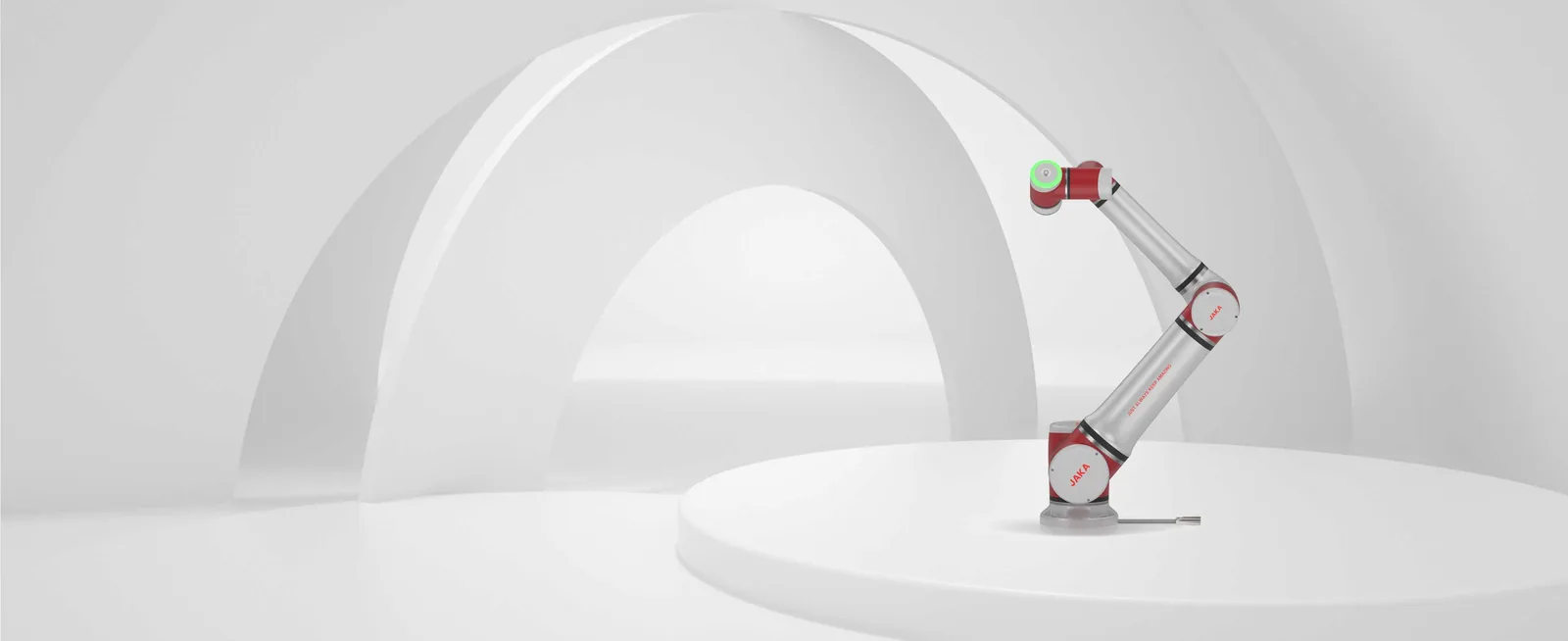
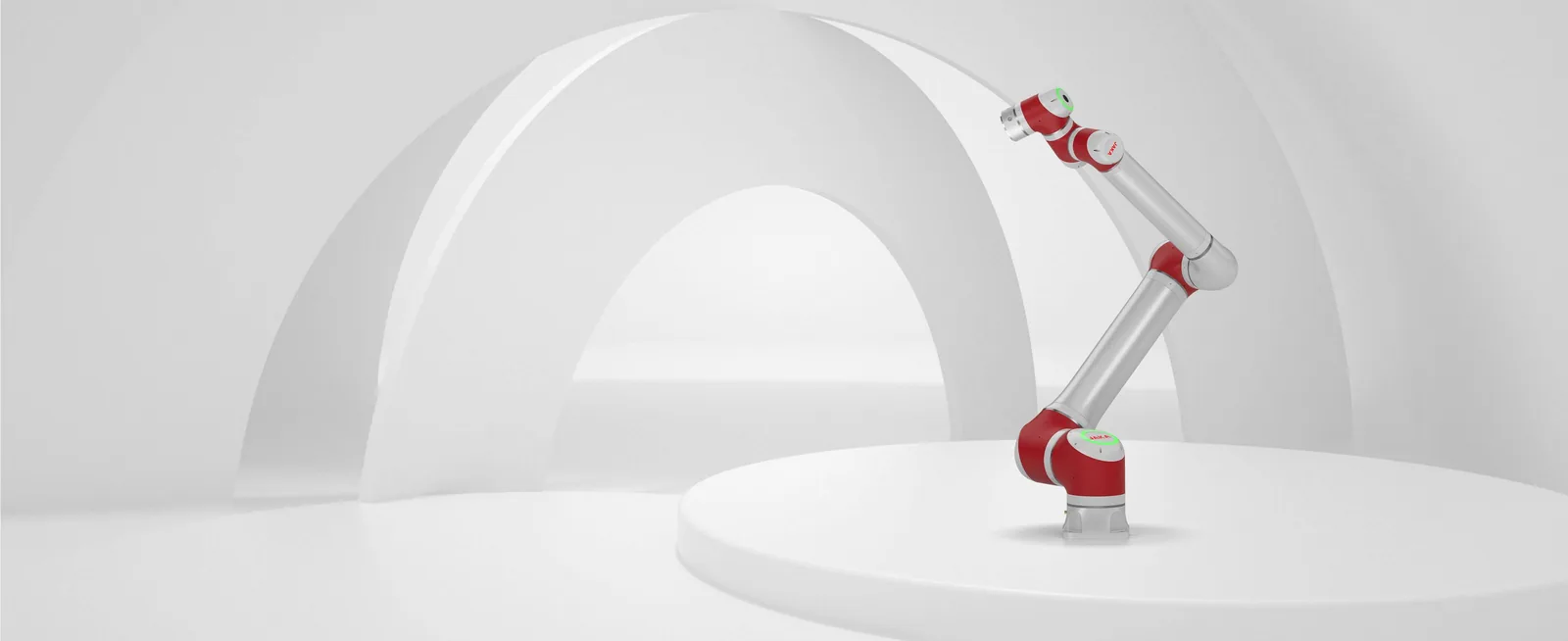
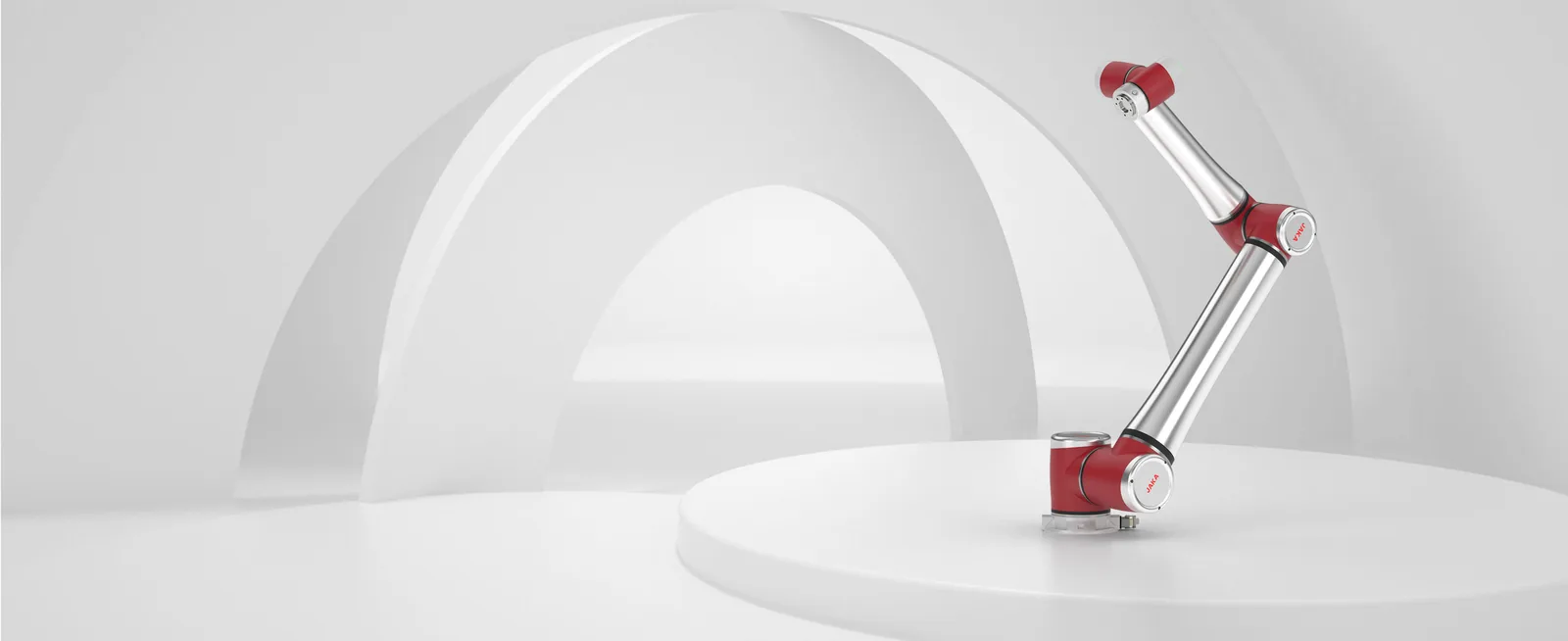
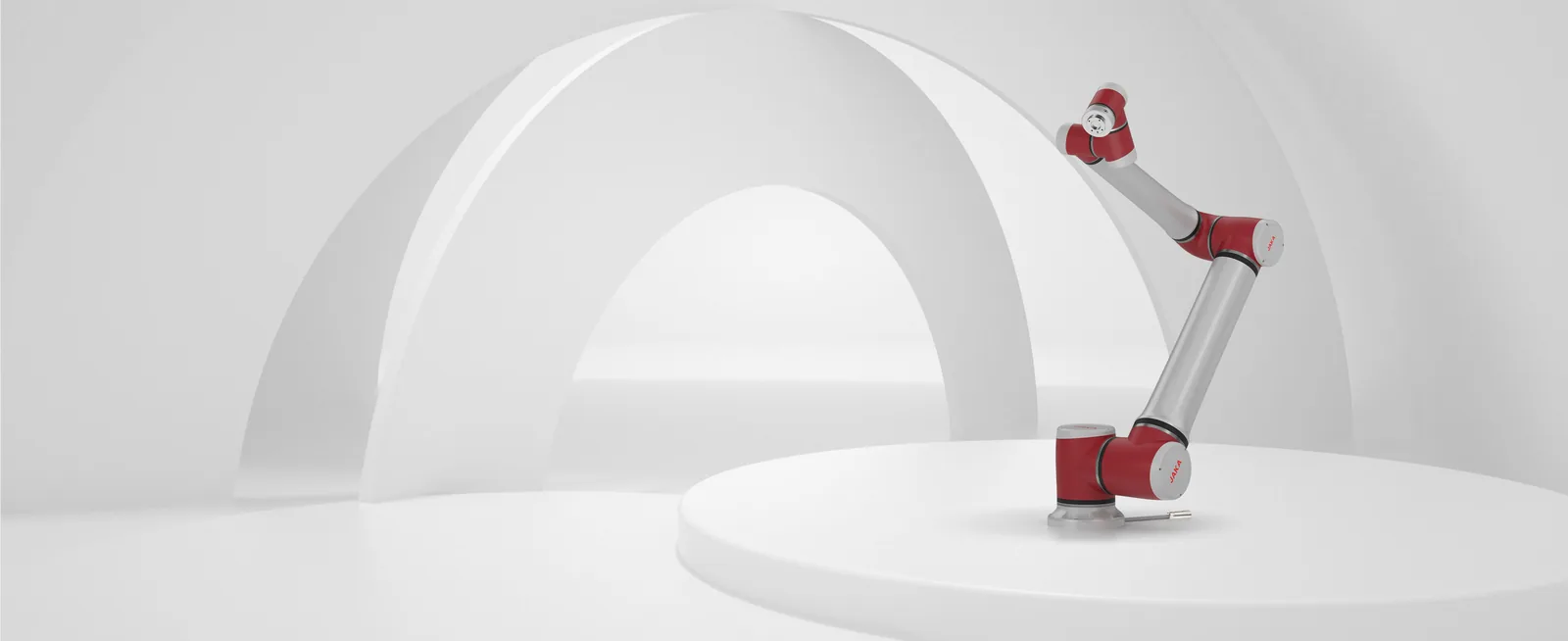
JAKA Zu series collaborative robots
3-35kg · Integrated Joints · Drag and drag him to instruct
Integrated joint modules, easy to assemble and disassemble.
Supports graphical programming and drag-and-drop teaching; the teach pendant can be selected as PC, tablet, or phone.
Complies with ISO/TS 15066 collaborative safety certification, with torque feedback for collision detection.
There are 8 models ranging from 3kg light load assembly to 35kg palletizing and handling.
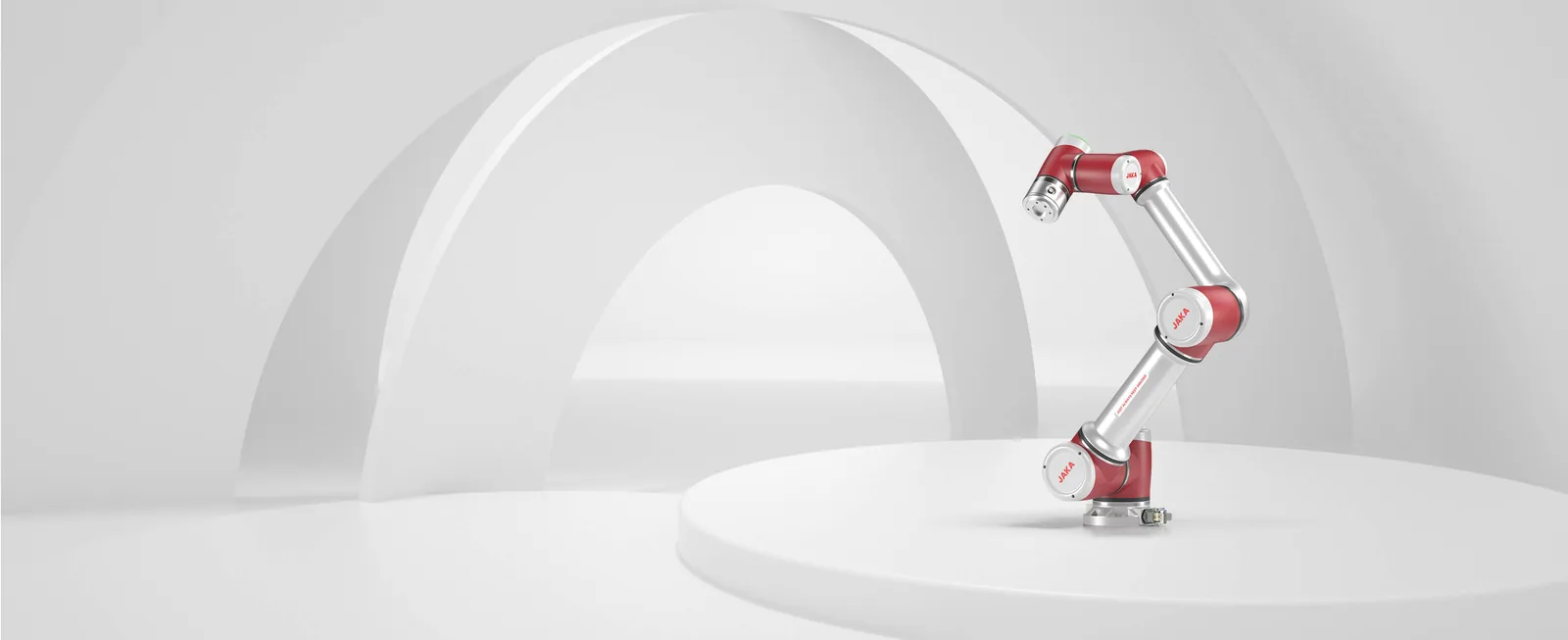
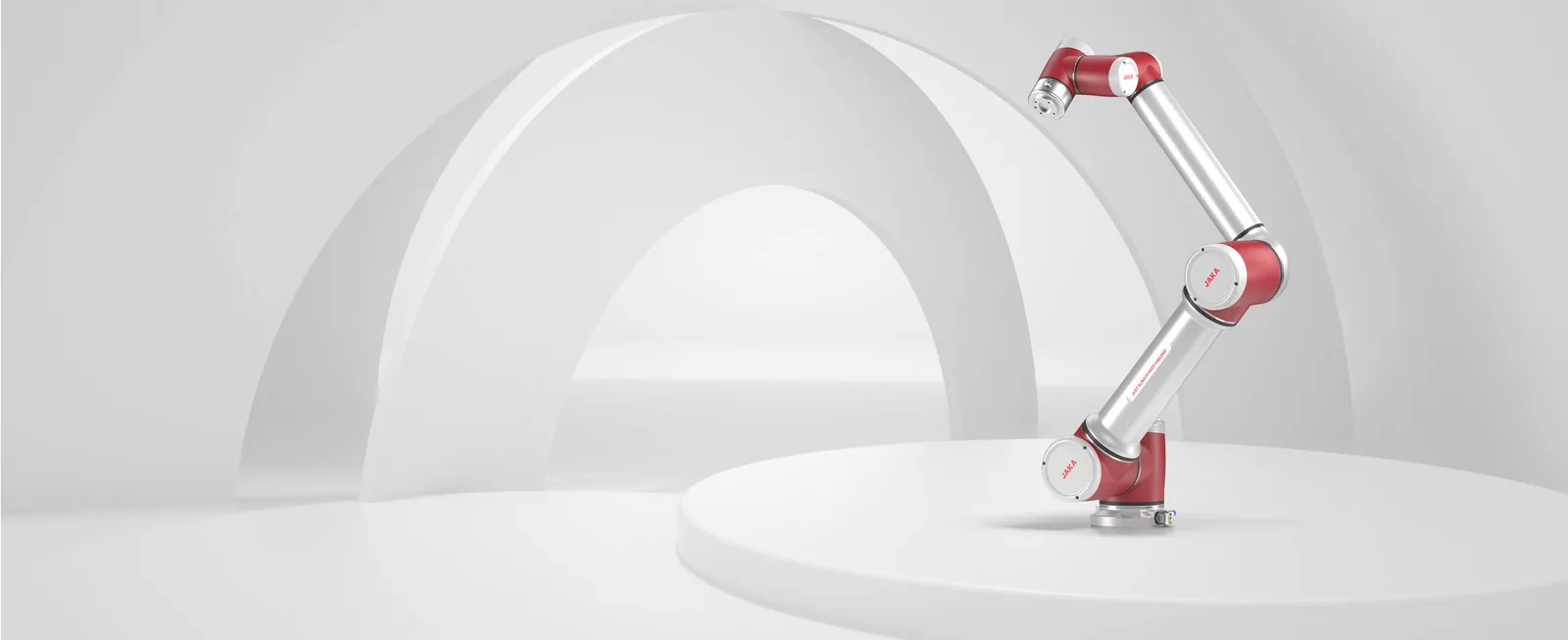
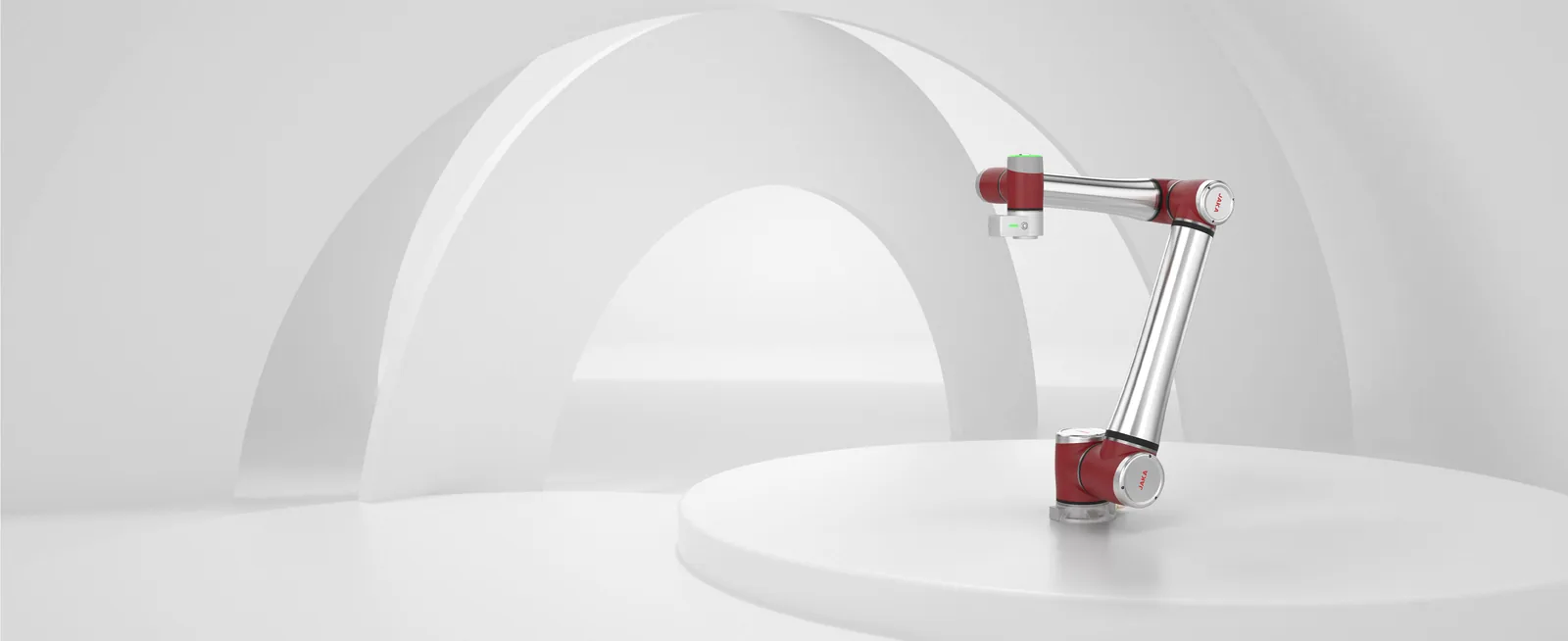
JAKA Pro/S series collaborative robots
5-16kg · IP68 high protection / integrated force control
The Pro series is positioned as a collaborative model for complex environments, washable and resistant to oil mist.
The arc welding app is ready to use after loading, with interlock of robot/welding machine alarm signals.
The official website positions it as integrated intelligent force control, targeting flexible assembly and polishing.
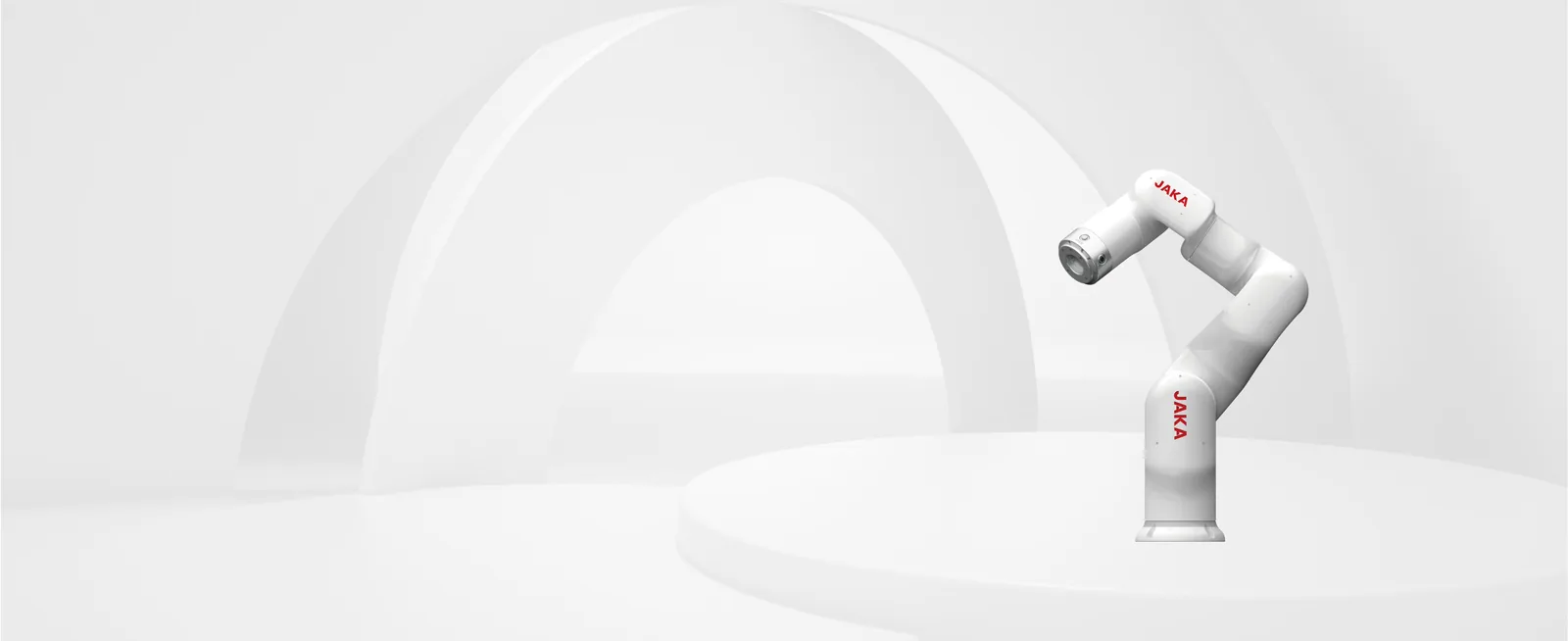
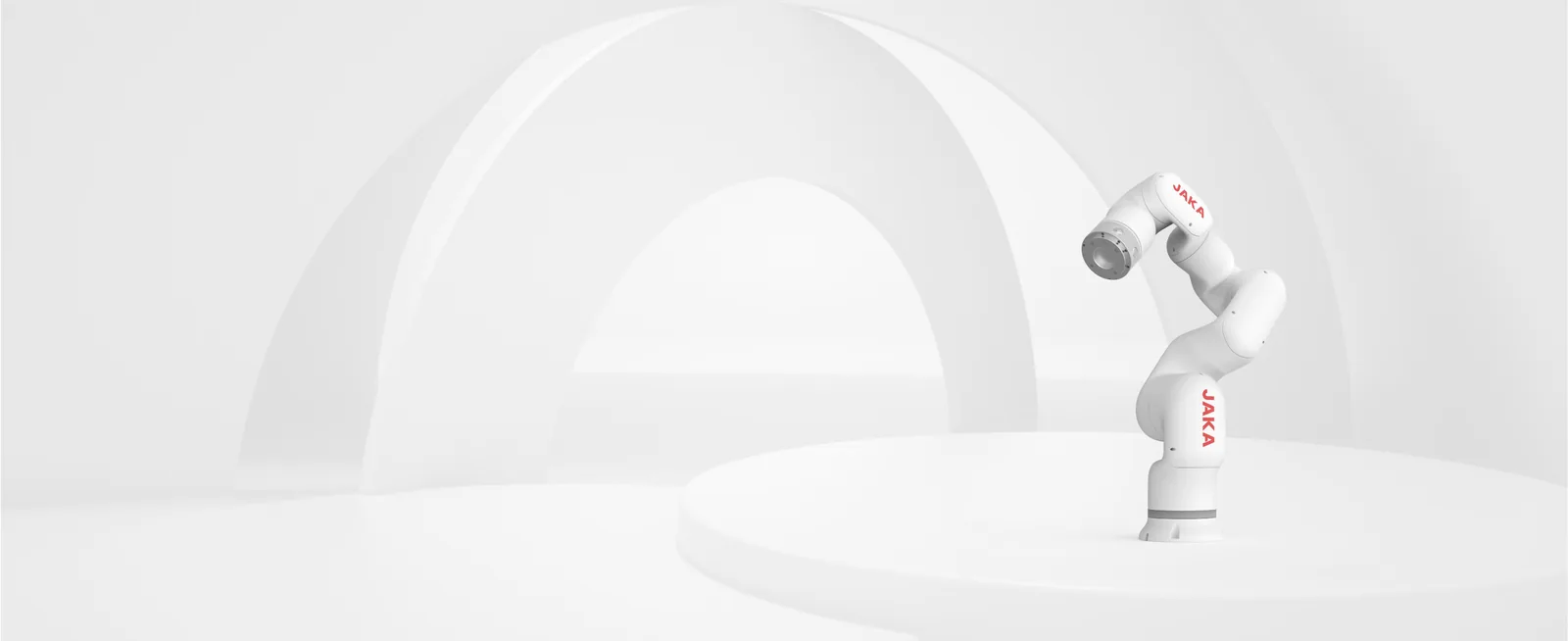
JAKA A/Mini series collaborative robots
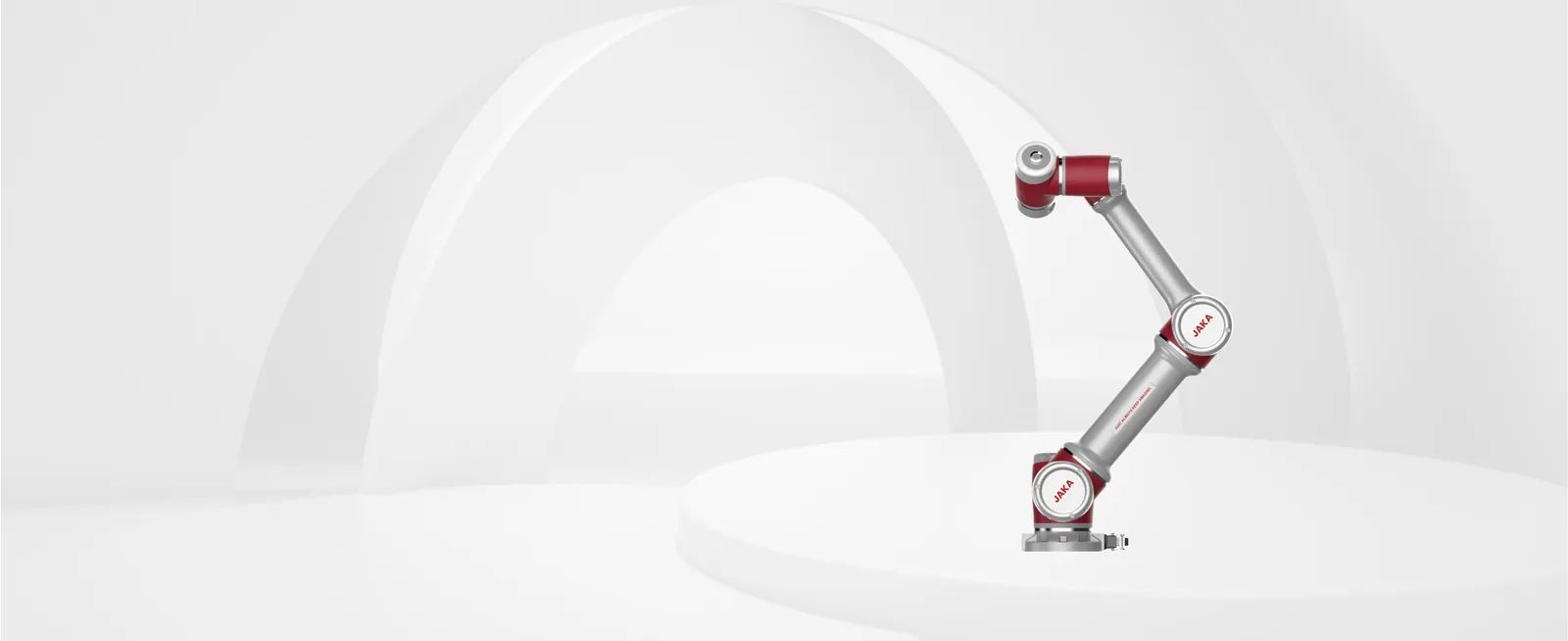
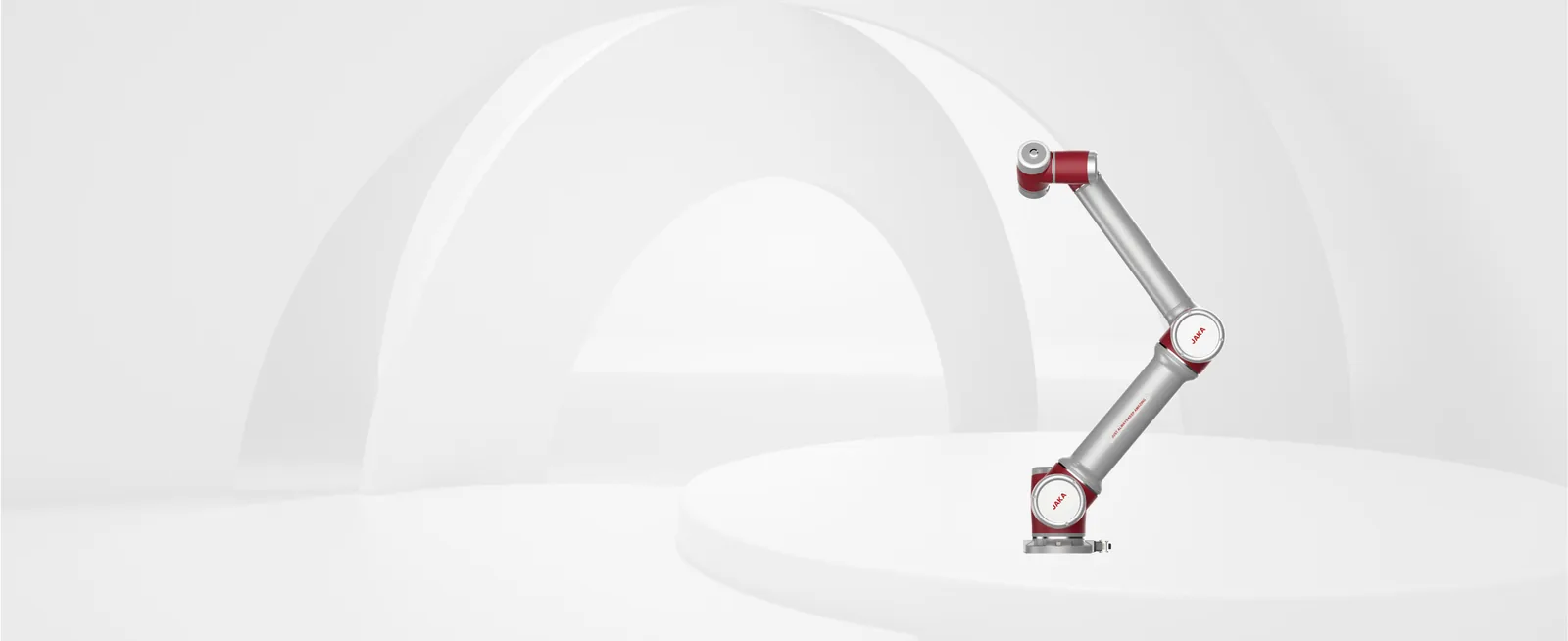
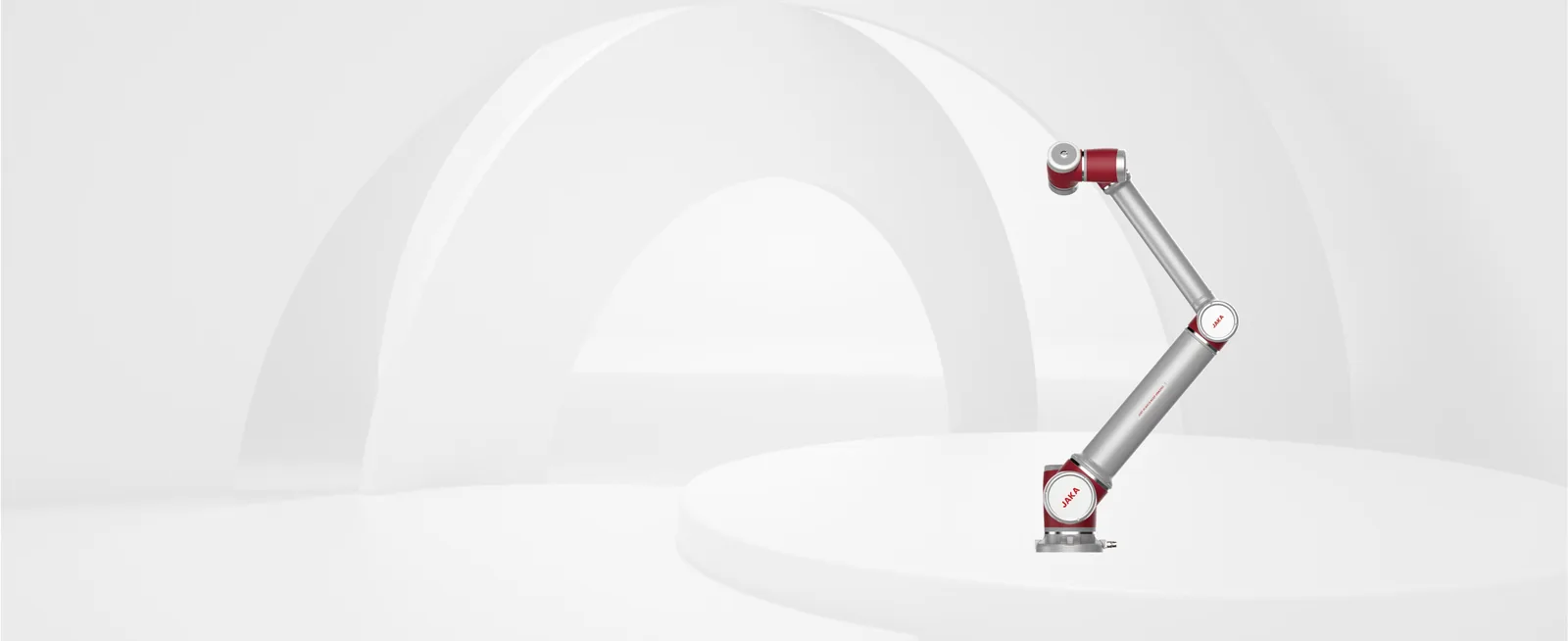
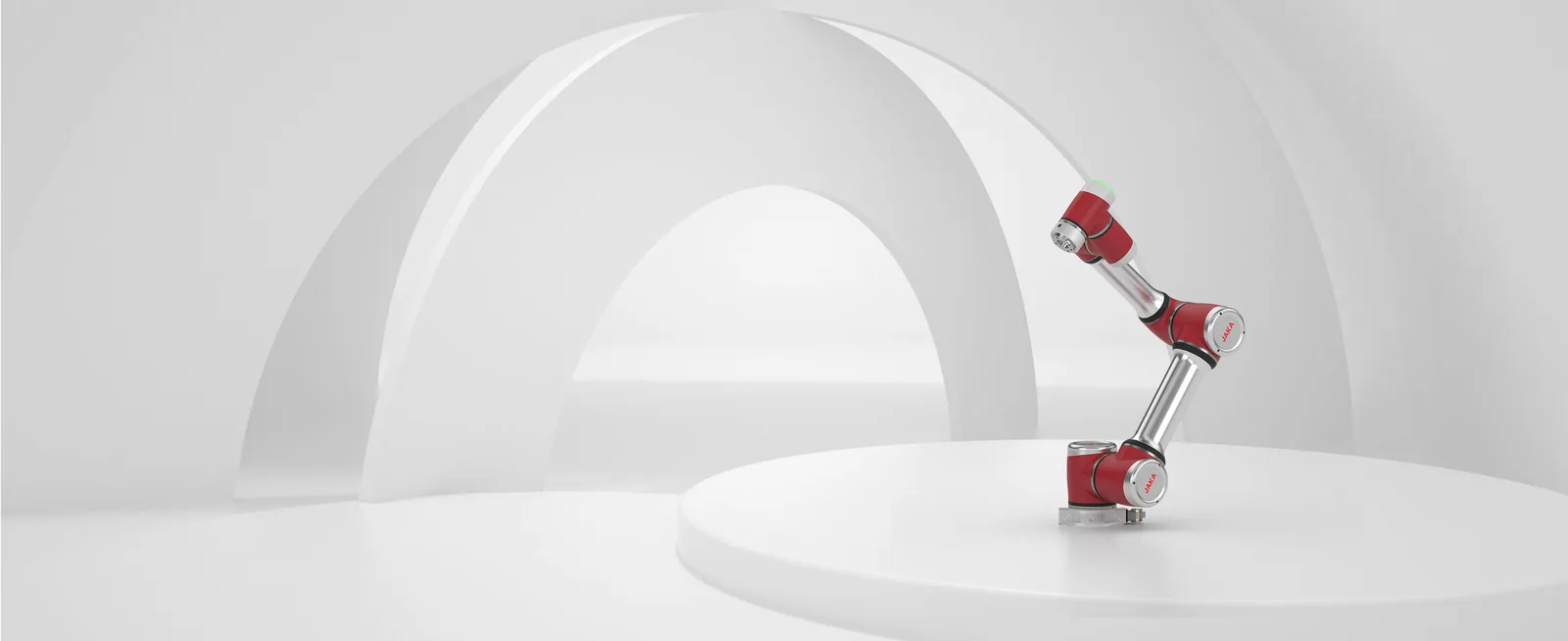
1-20kg · Terminal IP67 / lightweight desktop
End joints IP67, suitable for loading and unloading, spraying, and other working conditions.
Built-in 3456×2880 resolution camera, combining collaborative robots with intelligent vision.
The MiniCobo weighs 9.4kg, has a 580mm reach, and is equipped with a MiniCab control cabinet measuring 180×128×47mm, making it suitable for education and new business scenarios.
Core technology
Inclusive Collaboration · Force control perception
Integrated joint module design, easy to assemble and disassemble, with a high load-to-weight ratio.
Joint torque feedback supports drag-and-drop programming, lowering the barrier to use when combined with graphical programming.
Complies with ISO/TS 15066, multi-level collision protection strategy, and can cooperate without fences.
The terminal six-axis force sensor assembly enables constant force grinding, precise assembly, and smooth drag-and-pull.
PC/tablet/mobile phone can all serve as programming terminals; typical models do not have physical teach pendants.
The A12L integrates a 3456×2880 global shutter camera, simplifying inspection and sorting deployment.
Application scenarios
From palletizing and welding to machine tool care, assembly, dispensing, grinding, and quality inspection, the JAKA robot can be quickly deployed to various processes.
Service industry
JAKA Robotics JAKA is widely used in the following industries, and we can provide selection and implementation support tailored to local industry characteristics.
Why choose the JAKA robot?
From 1kg desktop to 35kg medium load, the five series cater to different budgets and operating conditions.
The main models have passed CR, CE, ISO/TS 15066 certifications.
Graphical programming and drag-and-drop teaching are accessible even to non-professional engineers.
The control cabinet, teach pendant, force sensor, and vision are all official accessories, ensuring compatibility.
Trusted by global customers
JAKA Robotics JAKA serves numerous globally renowned companies (brand logo copyrights belong to each company).
JAKA Robotics Professional Services
As a third-party industrial robot technology service provider, Henghuan provides full lifecycle technical support for JAKA collaborative robots.
Process validation, workstation solutions, programming and teach-in and production ramp-up support, and turnkey delivery of robot applications.
Learn more → Sales of new industrial robotsAuthorized-style sales of brand-new mainstream robots with selection support for new production lines and capacity expansion.
Learn more → Research and development of automation equipmentResearch, development, integration, and delivery of end-effectors, conveyor positioning, safety peripherals, and complete control systems.
Learn more → Research and development of algorithms and control systemsMotion planning, machine vision, and PLC/SCADA system development to address takt-time bottlenecks, accuracy, and data interconnection.
Learn more → Robot rentalShort-term rental, long-term rental and lease-to-own for in-stock models, long-term rental, and lease-to-purchase transfer, including transportation, installation, commissioning, and lease-term maintenance.
Learn more → Software and hardware upgrade servicesController retrofits, software and firmware upgrades, mechanical refurbishment, and safety upgrades restoring performance to older equipment.
Learn more → Maintenance and repairOn-site inspection, fault diagnosis and repair, and annual maintenance contracts covering 1,310 models from 21 brands.
Learn more → Used & in-stock robot salesWe buy back used robots and handle inspection, refurbishment and resale; every unit ships with inspection records and a warranty, and trade-ins can offset new purchases.
Learn more →JAKA Robot JAKA Frequently Asked Questions
Focusing on the selection, maintenance, spare parts, and second-hand distribution of JAKA robot equipment, we answered the most frequently asked questions from customers.
What are the commonly used control cabinet models for JAKA robots? How to check after reporting to the police?
Models are matched CAB3 / CAB 7 / CAB 12 / CAB 16 / CAB H and MiniCab. The control cabinet side provides 16 digital I/O channels and 2 analog channels, supporting TCP/IP and Modbus TCP/RTU. Zu20 and above models also support PROFINET and EtherNet/IP. For alarm troubleshooting, it is recommended to first record the fault code and verify the interlock status between the emergency stop circuit and the safety signal (such as the alarm interlock between the robot and welding machine in the arc welding process package), then check the plug of the main unit-control cabinet connection cable (standard 6m); If the fault recurs, on-site diagnosis and confirmation are required.
What model is the teach pendant for JAKA collaborative robots? How to program without a teach pendant?
The official teach pendants are the TOUCH I and TOUCH II series; Most Zu/A/S models support PC, tablet, or mobile apps as programming terminals for graphical programming and drag-and-drop teaching. If the mobile terminal cannot connect, first confirm that it is on the same LAN as the control cabinet and check the TCP/IP communication port settings. If troubleshooting still cannot be resolved, confirm with on-site diagnosis.
What should I do if the joint has a built-in torque sensor and the drag-and-pull teaching is unresponsive or a false alarm in collision detection?
Drag-and-drop teaching relies on joint torque feedback modules. Common causes of false alarms or lag: load parameters (end tool weight, center of gravity) settings do not match actual conditions, leading to dynamic model deviations; Joint zero-position drift; The collision sensitivity threshold is set excessively. It is recommended to recalibrate tool load and TCP before testing; Faults involving torque sensor bodies must be returned to the factory or disassembled and confirmed on-site; it is not advisable to disassemble joint modules by yourself.
How to replace the battery of the ZEKA robot encoder? What should you do if you lose zero after a power outage?
The joint encoder is powered by the main battery, storing absolute position data. If the battery is depleted or the power is cut off for a long time, a zero-point loss alarm is triggered. Battery replacement must be done while the control cabinet is powered on to prevent data loss (specific battery models and replacement steps are subject to the included user manual). Joints missing zero positions should be restored after following the official manual for zero point calibration. If multiple joints are missing simultaneously, it is recommended to have technical service personnel handle them on-site.
Do collaborative robot reducers need regular lubrication? How is the cycle determined?
JAKA uses an integrated joint design, with the internal reduction mechanism pre-filled with lubricating grease from the factory. Public information does not specify a unified grease change cycle; actual maintenance intervals depend on load rate, start/stop frequency, and ambient temperature, generally following the official manual's inspection recommendations; If joint abnormal noises, temperature rise, or deterioration of positioning accuracy occur, inspections should be made in advance. The specific grease model and replacement amount should be confirmed together with on-site diagnosis.
Can the JAKA Pro series IP68 protection rating be washed directly with water?
The Pro series has an IP68 rating. The official website positions it as a collaborative model for complex environments (water and oil mist), suitable for food and cleaning conditions. However, IP protection is intended for static immersion/spraying. High-pressure hot water flushing and corrosive cleaning solutions may still damage seals and connectors. It is recommended to avoid the main connector and cable interfaces and use low-pressure water for cleaning; The protection level of the sealing ring decreases as it ages, requiring regular inspection.
How often does a terminal six-axis force sensor assembly need to be calibrated?
JAKA terminal six-axis force sensors used for constant force grinding and precision assembly require recalibration after replacing end tools, collisions, or zero drift exceeding deviations; Under normal operating conditions, it is recommended to check reading drift quarterly. The specific calibration of tooling and procedures is based on the official supplementary data; if unsure, confirm based on on-site diagnosis.
JAKA Robotics Professional Services
Henghuan provides model selection consulting, integration commissioning, maintenance, and spare parts support for JAKA collaborative robots, covering the full range of Zu/Pro/S/A/Mini and CAB control cabinets.
Contact Henghuan