3C Electronics and Semiconductors
Industry Robot Application Solutions · 19 Brands Coverage · 6 Types of Typical Processes
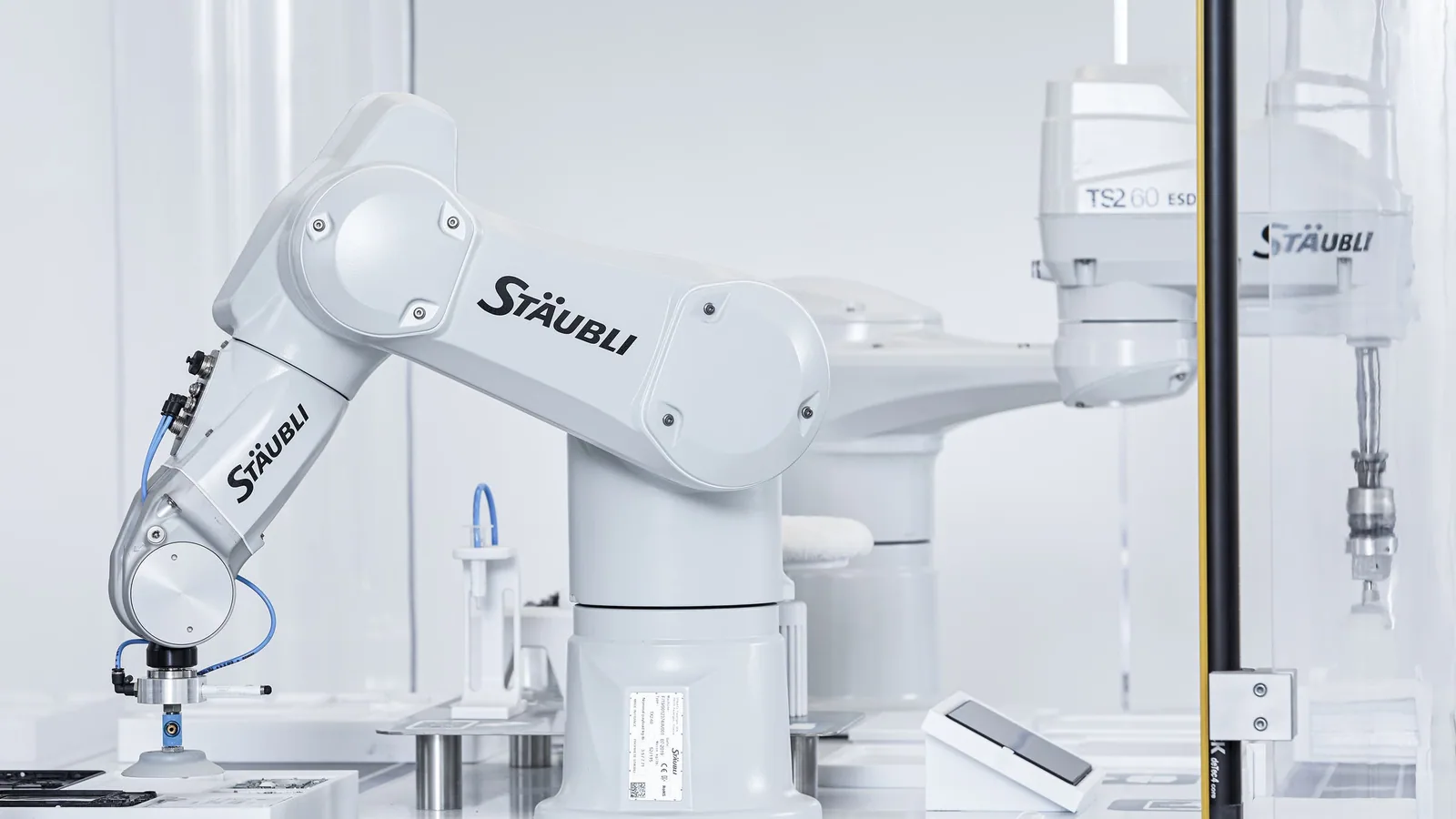
Robotic applications in the 3C electronics and semiconductor industries
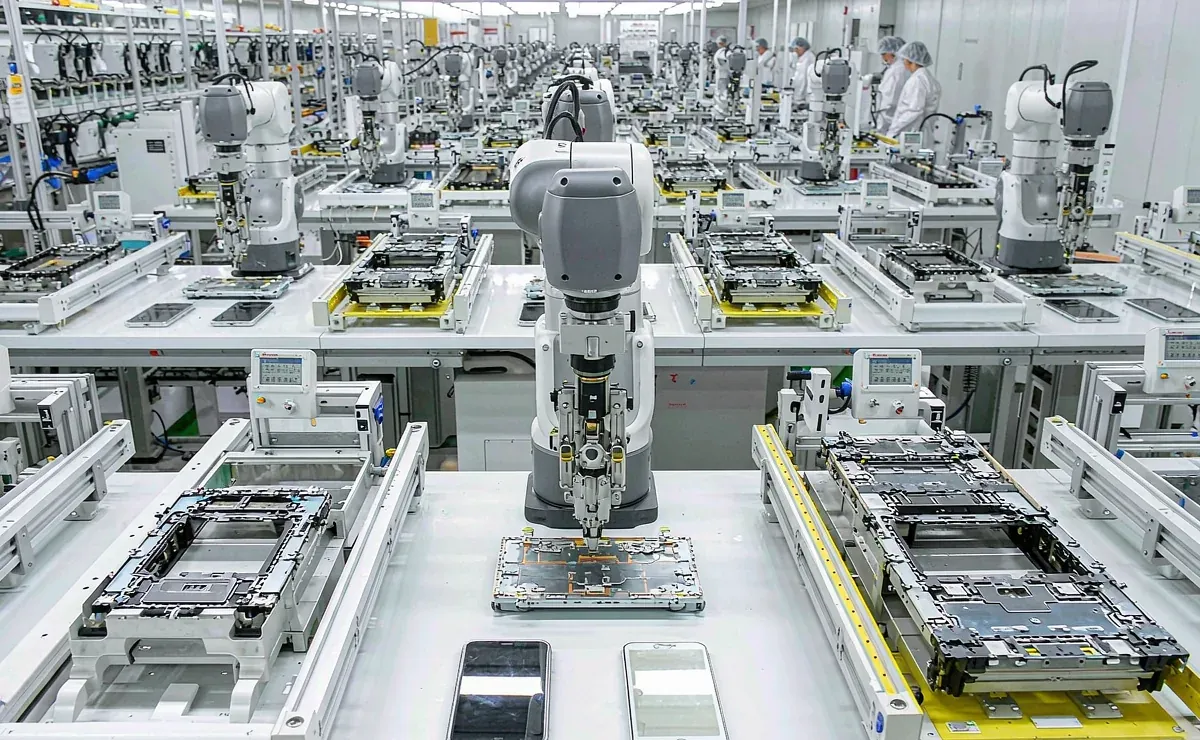
The 3C electronics industry demands extremely high precision and rhythm: SCARA robots (high-speed models on the level of Epson and Yamaha) handle insertion, screw locking, and dispensing processes; The small six-axis is responsible for inspection and assembly; The clean machine model is used for semiconductor wafer handling. Equipment utilization rates in this industry generally exceed 90%, resulting in significant downtime losses and demanding high maintenance response speed.
Typical automated processes
Common robotic processes in this industry—click to view key application points, customer cases, and applicable brands.
Automation of challenging assembly processes using Kawasaki's latest technology. Advances in automation control technology enable robots to complete complex assembly processes that were previously impossible. Over the past 40-plus years, Kawasaki has continuously improved its technology to meet the high...
View process details → DispensingCollaborative robots add flexibility, efficiency, and freedom to your gluing, sealing, painting, and other dispensing tasks. With built-in force sensing functionality, stable quality and precise positioning are achieved, reducing waste and improving efficiency. …
View process details → Quality inspectionZero tolerance, hard power! With collaborative robots, a safer, more efficient, and more precise quality inspection process is achieved, ensuring product quality is always on the line and consistency is impeccable. Equipped with an economical yet agile robotic arm, it not only standardizes operation processes but also...
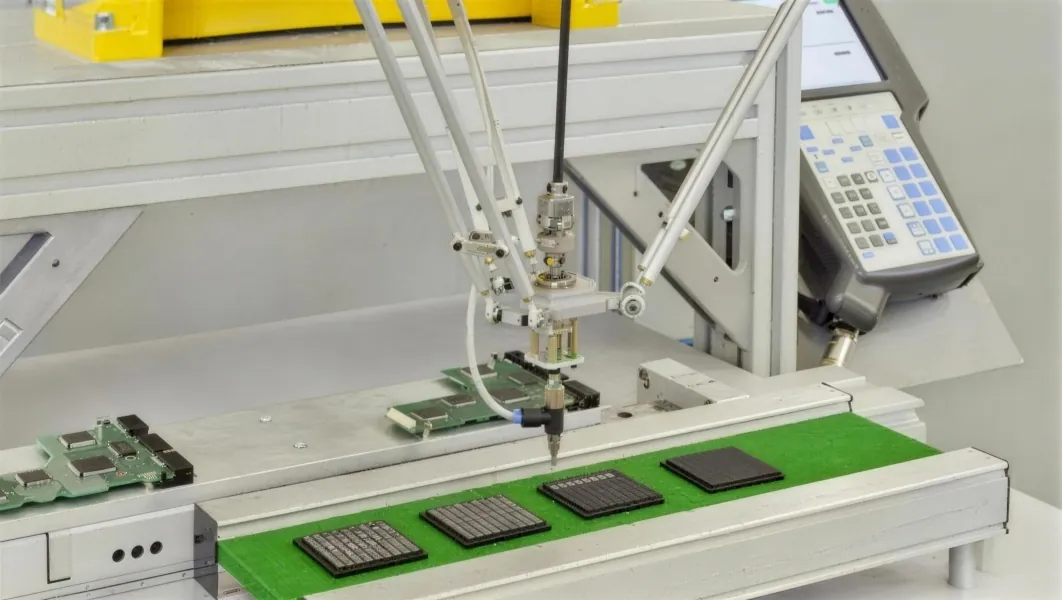
View process details → SortingSorting involves first grabbing small parts or food that move at high speed on a conveyor belt before sorting them, requiring high-speed movement. Kawasaki's YF series sorting robots can achieve high-precision, high-speed movements. It can be combined with the visuals developed by our company...
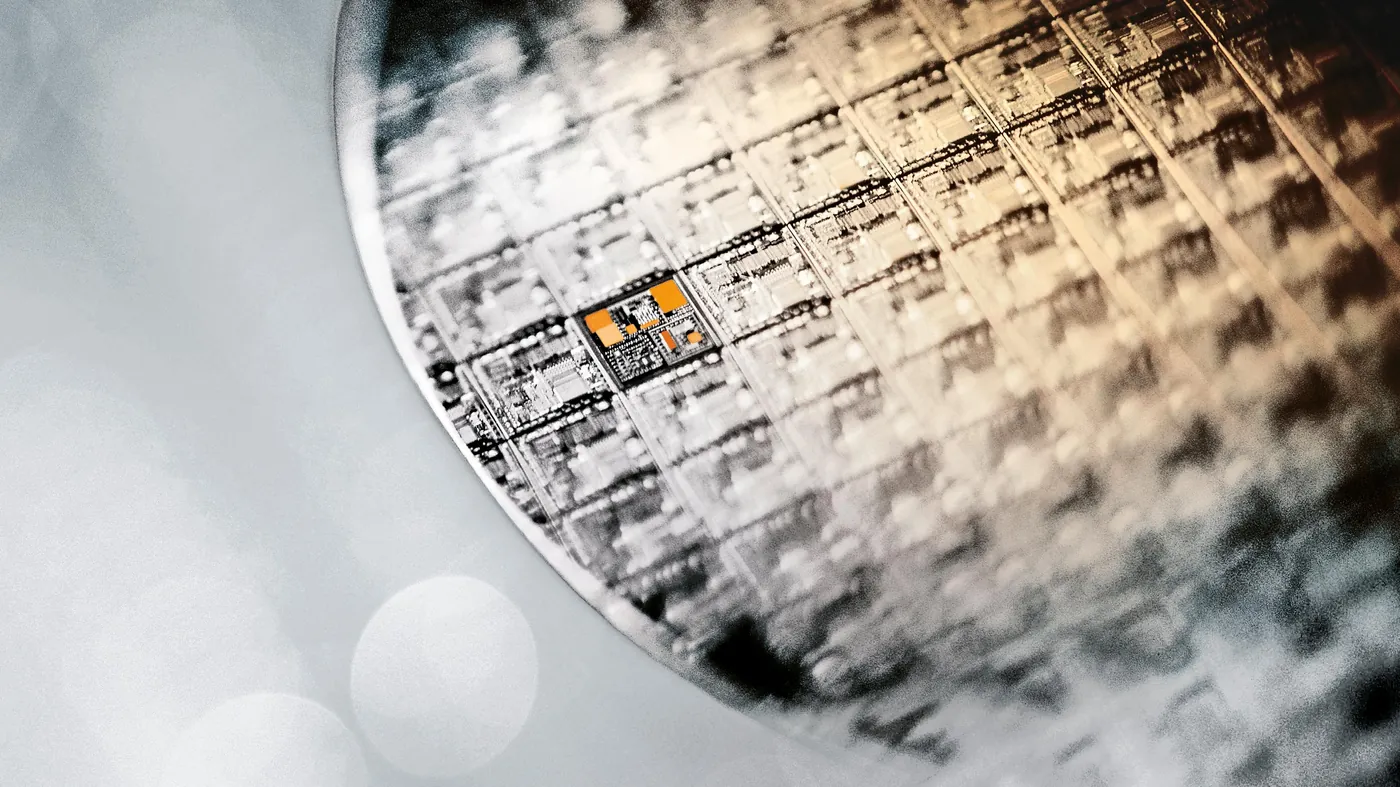
View process details → Wafer handlingWafer handling is a crucial step in the pre-production process of semiconductor manufacturing equipment, especially requiring high precision and high speed. Kawasaki's wafer handling robots can provide high-quality, high-performance clean robots, ranking among the top in global market share. …
View process details → Appearance inspectionVisual inspection refers to the process of checking scratches, stains, defects, and other issues on the surfaces of products and components to confirm quality. …
View process details →Covering branded equipment
Robot brands within Henghuan's service scope that have practical applications in the 3C electronics and semiconductor industries. Click to enter the brand page to view series and model specifications.
 FANUC104 models
 ABB45 models
 Yaskawa85 models
 Kawasaki75 models
 KUKA456 models
 Inovance Technology58 models
 Estun71 models
 Stäubli30 models
 Universal Robots9 models
 Epson112 models
 Nachi Fubietsu18 models
 Siasun Robotics26 models
 EFORT32 models
 Guangzhou CNC19 models
 JAKA19 models
 AUBO24 models
 TOPSTAR24 models
 HSR Robotics23 models
 QJAR Robotics40 models
Henghuan can provide services for the 3C electronics and semiconductor industries
All six core businesses can be procured independently or in combination.
Process validation, workstation solutions, programming and teach-in and production ramp-up support, and turnkey delivery of robot applications.
Learn more → Sales of new industrial robotsAuthorized-style sales of brand-new mainstream robots with selection support for new production lines and capacity expansion.
Learn more → Research and development of automation equipmentResearch, development, integration, and delivery of end-effectors, conveyor positioning, safety peripherals, and complete control systems.
Learn more → Research and development of algorithms and control systemsMotion planning, machine vision, and PLC/SCADA system development to address takt-time bottlenecks, accuracy, and data interconnection.
Learn more → Robot rentalShort-term rental, long-term rental and lease-to-own for in-stock models, long-term rental, and lease-to-purchase transfer, including transportation, installation, commissioning, and lease-term maintenance.
Learn more → Software and hardware upgrade servicesController retrofits, software and firmware upgrades, mechanical refurbishment, and safety upgrades restoring performance to older equipment.
Learn more → Maintenance and repairOn-site inspection, fault diagnosis and repair, and annual maintenance contracts covering 1,310 models from 21 brands.
Learn more → Used & in-stock robot salesWe buy back used robots and handle inspection, refurbishment and resale; every unit ships with inspection records and a warranty, and trade-ins can offset new purchases.
Learn more →Industry Status: Precision and rapid changeover are driving flexible automation
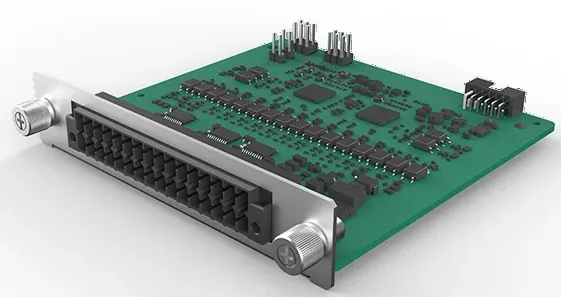
3C electronics (computers, communications, consumer electronics) are the industries with the highest automation penetration rates and the fastest technological iterations: product lifecycles range from 6 to 18 months, production lines are changed several times a year, and the demand for equipment flexibility outweighs the demand for single-point takts. Three main themes of technology trends:Refinement— The processing precision of the phone mid-frame has reached the ±0.01mm level, with visual alignment and force control assembly becoming standard;Miniaturization— Smaller component sizes drive high-speed, high-precision competition between SCARA and Delta, with Delta sorting cycles reaching 300 times per minute;Cleanliness and electrostatic management— Semiconductor and optical device processes require Class 1000 cleanrooms and full-process ESD protection.
The automation threshold in the semiconductor segment is the highest: wafer handling, chip packaging (Die Bond/Wire Bond loading and unloading), and testing equipment are all required to interface cleanroom certified models with SECS/GEM communication protocols, and the cleanroom protocols for equipment maintenance are far superior to those in the general industry.
| Process steps | Mainstream equipment forms | Key technical indicators |
|---|---|---|
| SMT Backend (Plug-in/Test) | SCARA+ visual alignment | Repeatability ±0.01–0.02mm, cycle time <1s |
| Precision assembly (screws/snaps) | SCARA/six-axis + force-controlled electric screwdriver | Torque accuracy ±3%, missed lock detection |
| Dispensing/Underfilling | Six-axis + injection valve | Single dispensing volume nL level, accuracy ±3% |
| Visual inspection | Robot + multi-angle vision | Missed detection: <0.5%, overkill: <3% |
| CNC loading and unloading (middle frame/housing) | Six-axis + dual-station silos | One person multi-machine, model change < 10 minutes |
| Wafer/chip handling | Clean SCARA/Double Arms | ISO Class 3–5, zero tolerance for fragments |
| Packaging and sorting | Delta parallel | 120–300 beats per minute |
Eight major business areas are located in the 3C industry
Research and development of algorithms and control systemsThese are the key differentiation points: visual alignment algorithms (subpixel positioning, Mark point compensation), Likong assembly process packages, SECS/GEM device communication integration—3C customers require nearly 100% device connectivity rates, and data interface capability determines whether they can enter the supply chain.
Robot rentalFitting industry fluctuations: 3C orders are highly seasonal (capacity ramps up before new product launches), the model of leasing equipment during peak seasons and terminating in off-season is mature in South China, and this applies to customers in the southwest as well; The rent-to-purchase channel enables seamless consolidation of equipment that successfully validates trial production.
Maintenance and repairResponse should be hourly: 3C production lines suffer significant downtime losses and rigid order delivery times. For SCARA/six-axis high-frequency faults (belt looseness, encoder alarms, driver overcurrent), we have established a rapid diagnostic database by brand. Most faults are remotely located within 2 hours, and spare parts are replaced on site and resumed on the same day.
Industry Q&A
What requirements does ESD static protection have for robots?
The body and ends undergo electrostatic dissipation treatment (material/coating in the 10⁶–10⁹Ω range of surface resistance), with a complete and measurable grounding path; Vacuum suction cups should be made of anti-static materials, and drag chain cables should be shielded. During acceptance, surface resistance meters and grounding continuity tests are used for item-by-item verification, and included in the ESD audit documentation.
With frequent model changes, how can you manage your program without making mistakes?
Formula-based management: Each product's program, visual template, and parameter set are packaged into one recipe, automatically switched and verified by MES/QR code scanning (program version comparison to prevent misalignment); Changes to key product formulas go through approval and retention records. Our delivery includes formulation management tools and training.
Can semiconductor customers' confidentiality and cleanliness requirements be met?
Yes. Cleanroom operations follow customer procedures (changing clothes, tool cleaning, particle retesting), maintenance records are stored locally and not uploaded to the cloud; NDA and background checks are coordinated according to client requirements. We have clean procedure SOP templates for wafer handling robot maintenance, which can be directly integrated with customer systems.
Do 3C electronics and semiconductor industry equipment require technical support?
Tell us your brand model, processes, and equipment status. Henghuan offers 3C electronics and semiconductor industry robot maintenance, servicing, second-hand purchase, sales, and selection advice. Rooted in Yilong, focused on Sichuan and Chongqing, serving the vast Southwest.
Contact Henghuan View all industries