
SCARA robotic arm
The horizontal multi-joint robotic arm (commonly known as the SCARA manipulator) moves at high speed within the horizontal plane and has strong Z-directional rigidity, making it the main model for electronic assembly and sorting. This page explains its structural principles, key parameters, applicable processes, advantages, and disadvantages, along with an index of the 218 models in our database.
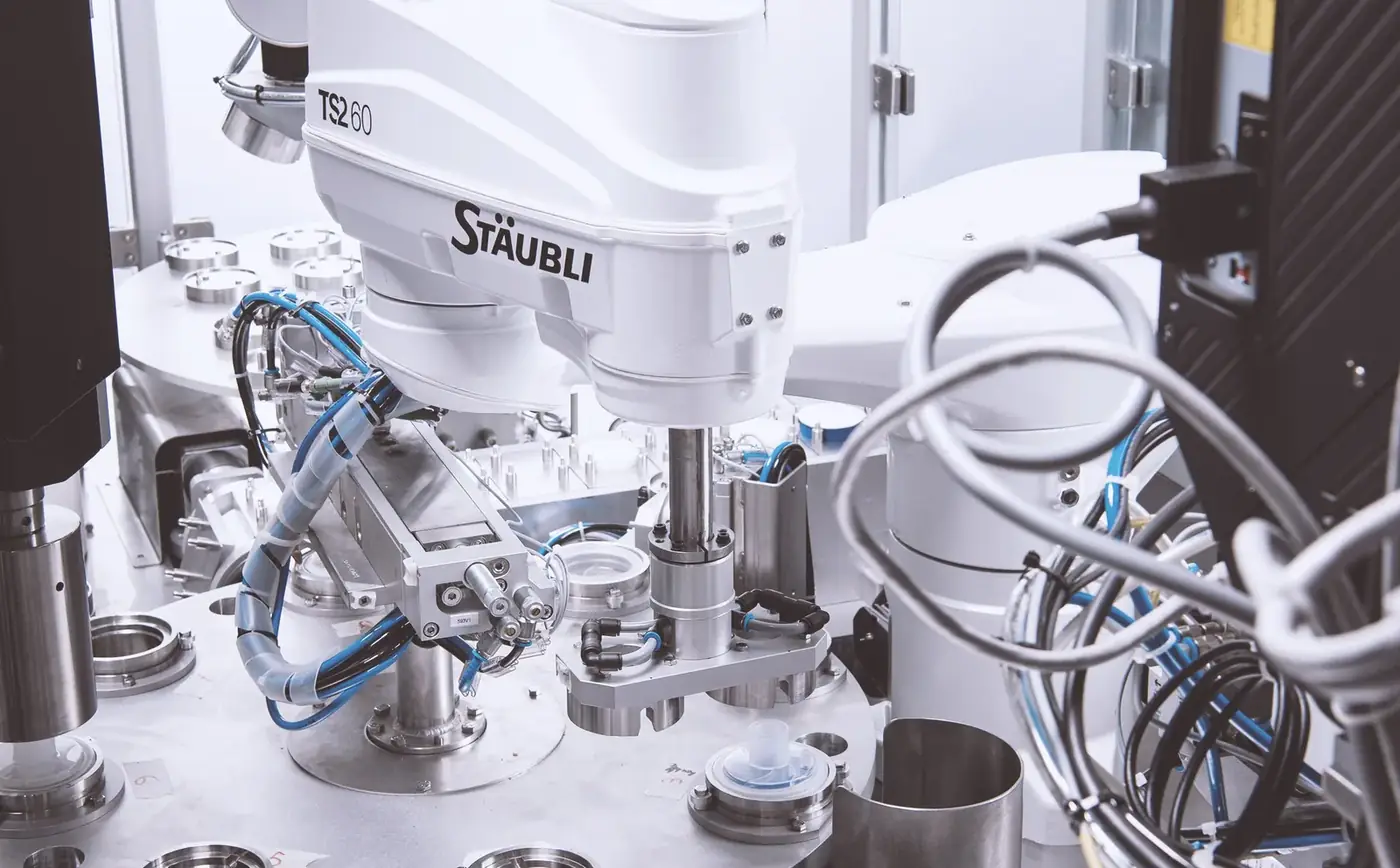
Flexible on the horizontal plane and rigid in the vertical direction
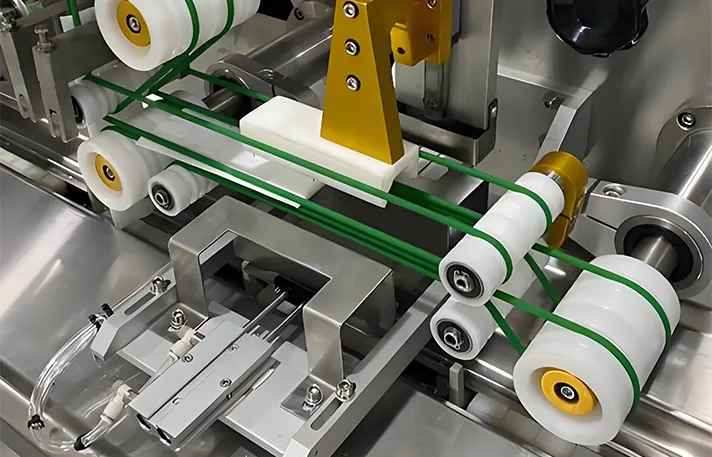
What is the SCARA robotic arm?
SCARA (Selective Compliance Assembly Robot Arm) is a type of robotHorizontal multi-joint robotic arm, commonly known as the "SCARA manipulator". It has four axes: the first two are on the first axisWithin the horizontal planeRotate (like a person's shoulders and elbows, determining the flat position), and the third axis edgeVerticallyLinear motion (Z-axis, responsible for vertical and down), and the fourth axis is terminal rotation (R-axis, adjusting posture).
The essence of this structure is "selective compliance":Smooth in the horizontal direction(to facilitate tiny alignment during assembly),Vertically stiff(Can withstand pressing forces in the Z direction.) Moreover, without the large overhang of six-axis systems, SCARA is extremely fast and highly precise in flat operations, making it the absolute mainstay for 3C electronic assembly, dispensing, sorting, and locking. Its shape resembles a "folded arm," which is also one of the types customers commonly refer to as a robotic arm/manipulator.
| Parameters | Typical range | Engineering meaning |
|---|---|---|
| Degrees of freedom | 4 Axes (Standard) | 2 Horizontal rotation +1 Vertical +1 End rotation |
| Rated load | 1 – 50kg | Mainstream 3–20kg, heavy SCARA loads up to 50kg |
| Arm length (stroke) | 200 – 1200mm | Horizontal operation range should be selected according to workstation span |
| Repeatability | ±0.005 – ±0.02mm | Core advantages of precision planar operations |
| Standard cycle time | 0.3 – 0.5s | Key metrics for measuring speed (the faster, the better) |
| Z-axis travel | 50 – 300mm | Vertical travel available |
Advantages and limitations
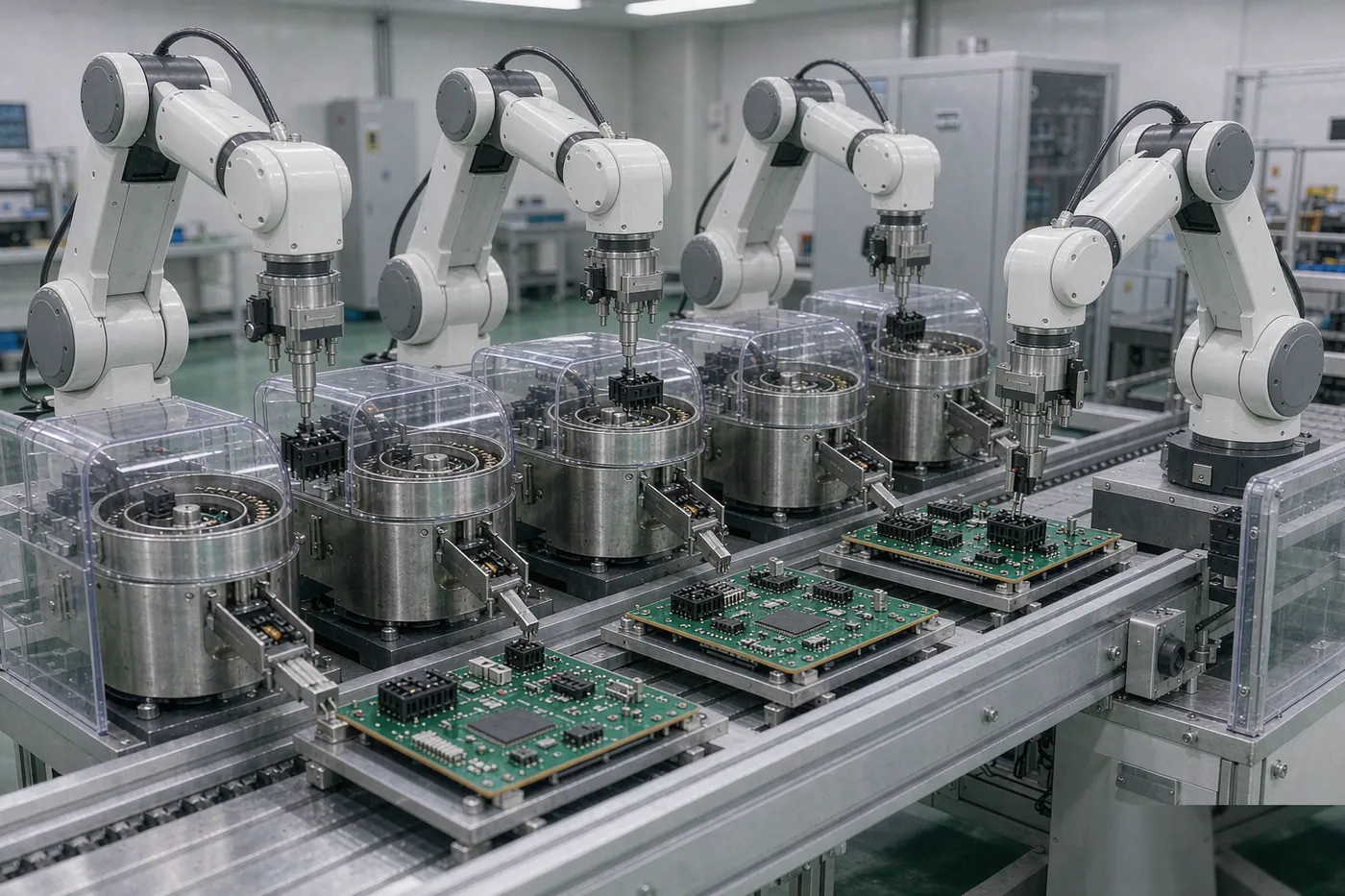
Advantages:Fast speed, high precision, and good rigidity within the planar surface; Relatively simple structure and low cost; Small footprint, suitable for densely arranged electronic production lines. In processes such as assembly, dispensing, screw tightening, and flat sorting, its cost-performance ratio far exceeds that of six-axis.
Limitations:Minimal posture freedom (the end can only rotate around the Z-axis and cannot be flipped arbitrarily), making it impossible to perform tasks requiring inclined surfaces, curved surfaces, inverted surfaces, or other tilted postures; The Z-axis has limited travel and is not suitable for handling with large height differences. When complex spatial postures are needed, the six axes must still be returned.
SCARA's main battleground: 3C electronics and light industry
| Application process | Technical Points | Common industries |
|---|---|---|
| Precision assembly | Force-controlled press-fitting and alignment accuracy | 3C electronics, connectors |
| Applying glue and coating | Trajectory speed coupling, glue quantity control | Electronics and semiconductors |
| Screw tightening | Torque monitoring and automatic nail feeding | Home appliances and 3C products |
| Flat sorting | Visual guidance, high-speed pick-and-place access | Electronics, food, pharmaceuticals |
| Loading and unloading materials | Connect with special machines and match beats | Machining and injection molding |
| Testing | Visual/probe mounted, multi-point positions | Electronics and precision components |
SCARA vs Six-Axis vs Delta: How to choose?
High-speed precision operation on flat surfaces(Assembly, dispensing, sorting) → SCARA is optimal;Requires any spatial posture(Welding, complex assembly, surface grinding) → Six axes;Ultra-high-speed sorting of light and small items(Food and medicine packaging) → Delta. The three often collaborate on the same production line; it's not either-or.
Frequently Asked Questions
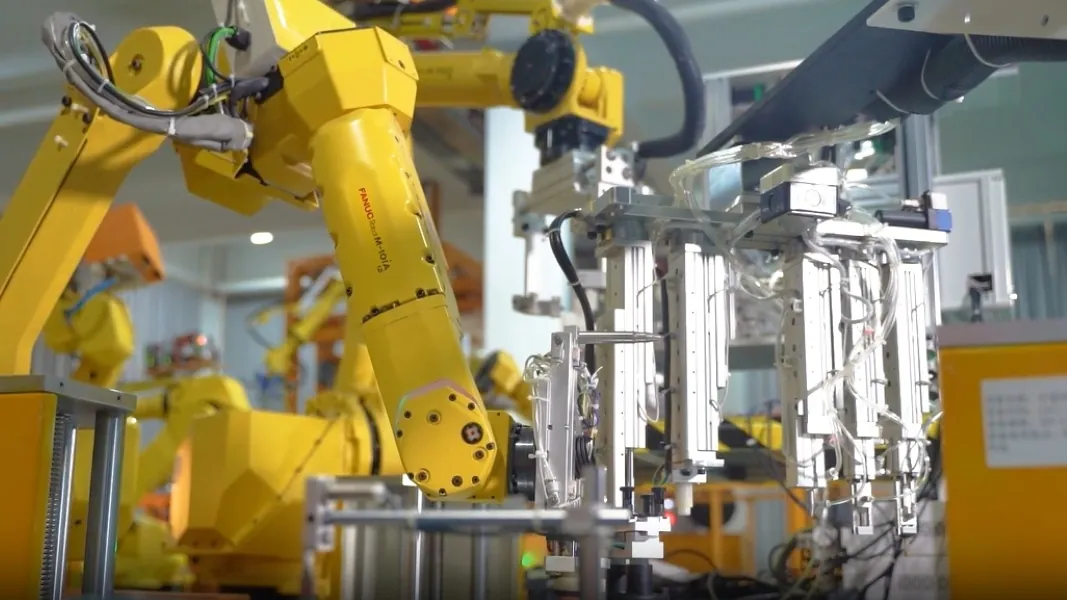
Is SCARA also considered a robotic arm?
Yes. SCARA is a horizontal multi-joint robotic arm shaped like a folded arm, belonging to a type of robotic arm/manipulator. Many customers searching for "robotic arms" are looking for models like SCARA for electronic assembly.
Which has higher accuracy, SCARA or six-axis?
By scenario: SCARA typically achieves better repeatability in the horizontal plane (±0.005–0.02mm) than six-axis at the same price point, due to its rigid structure and lack of large overhangs; But the six axes can operate in any spatial direction, whereas SCARA can only operate within a plane. Before accuracy, first ask "Which direction and what process to do."
How much load can SCARA handle?
Mainstream SCARA models have loads of 1–20kg, while high-load models (such as some domestic SCARA models in our database) can reach 35–50kg. For heavy-duty operations beyond this range, six-axis or palletizing models are more suitable.
Why do electronics factories use SCARA extensively instead of six-axis?
Because electronic assembly mostly involves precise pick-and-place, dispensing, and locking within a plane, SCARA is fast, highly accurate, low-cost, and takes up little space, making it a perfect match. The flexibility of the six-axis is excessive performance here, making it more expensive and takes up more space.
Our site is in the SCARA robotic arm warehouse (218 models)
Browse by brand
Below are the representative models of this structural form in our database. Click to view specifications, technical interpretation, and maintenance points. For the complete model list, please see each brand's page.
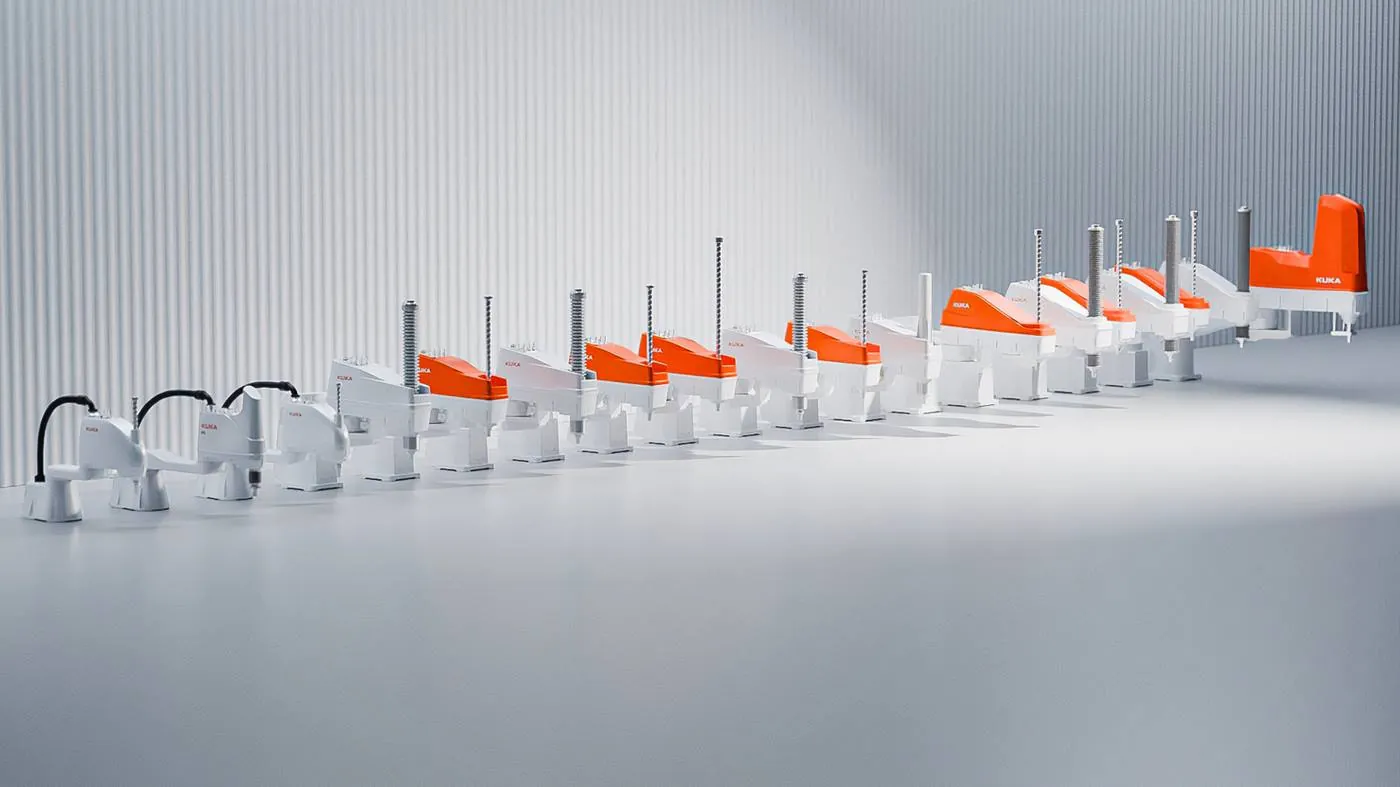
KUKA (65 models)
Kawasaki (4 models)
Stäubli (4 models)
Epson (77 models)
Inovance Technology (28 models)
Estun (15 models)
EFORT (6 models)
SIASUN (4 models)
TOPSTAR (15 models)
Need robot selection, maintenance, or application solutions?
Tell us about workpieces, procedures, beats, and budgets. Local teams in Nanchong will connect with us, and on-site inspections are available in Sichuan, Chongqing, Yunnan, and Guizhou. Robotic arm (manipulator) selection, second-hand purchase and sale, maintenance and repair all in one place.
Contact usView all varieties