Plastics and Chemicals
Industry Robot Application Solutions · 5 Brands Coverage · 4 types of typical processes
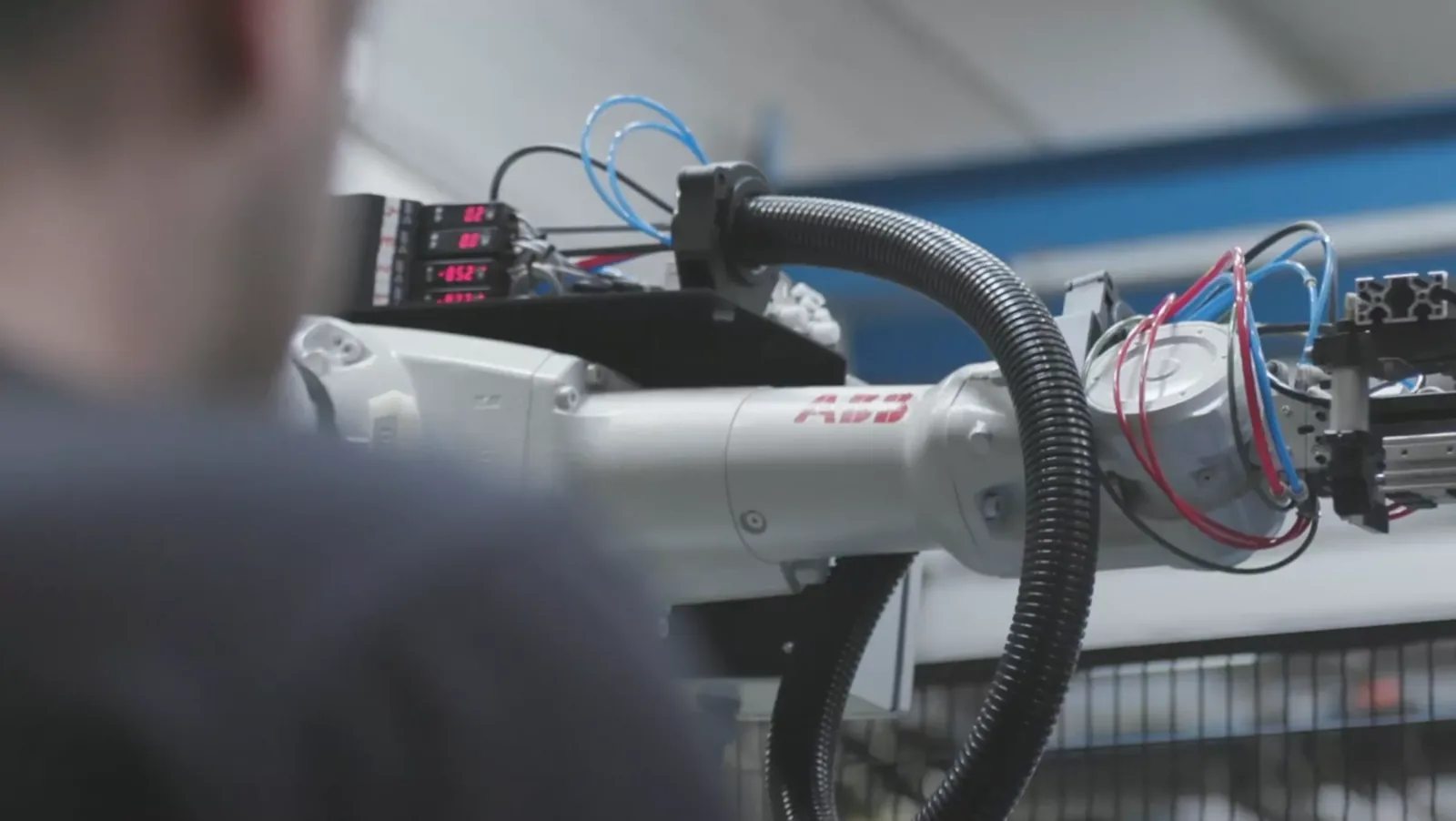
Applications of robots in the plastics and chemical industries
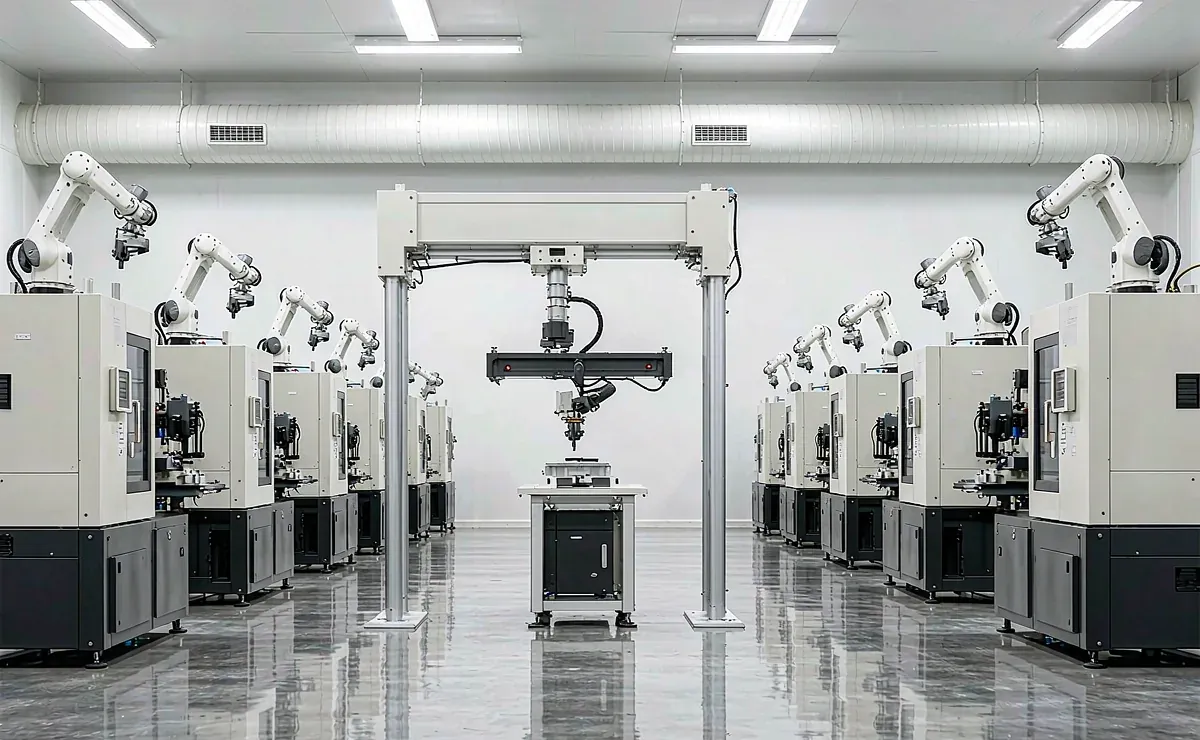
In the injection molding industry, the processes of part pickup, embedding, and gate removal are mature applications of robots; Domestic brands like TOPSTAR have a high market share in the injection molding machine supporting sector. The chemical industry focuses on handling and filling in explosion-proof environments. Henghuan provides the injection molding workshop with maintenance, program adjustment, and second-hand sales of pick-up robots and robots.
Typical automated processes
Common robotic processes in this industry—click to view key application points, customer cases, and applicable brands.
Robotic grasping is an automated program that uses a robotic arm to fully control an object. Kawasaki leverages robotic products to reduce manufacturing cycle times and offer greater automation flexibility. …
View process details → Material handlingReducing labor costs through automation Material Handling (MH) utilizes the simple capabilities of robots to transport objects. By fitting the robot with the appropriate end-of-arm tooling (for example, a gripper), the robot can efficiently and accurately transfer products from a position...
View process details → Machine tool loading and unloadingRobotic loading and unloading can be a simple automated process for handling products to adapt to the manufacturing process. However, reducing cycle time is crucial, as the robotic loading and unloading process cannot add value to the product. Kawasaki is continuously developing new products to reduce...
View process details → AssemblyAutomation of challenging assembly processes using Kawasaki's latest technology. Advances in automation control technology enable robots to complete complex assembly processes that were previously impossible. Over the past 40-plus years, Kawasaki has continuously improved its technology to meet the high...
View process details →Covering branded equipment
Robot brands within Henghuan's service scope that have practical applications in the plastics and chemical industries. Click to enter the brand page to view series and model specifications.
 ABB45 models
 Kawasaki75 models
 KUKA456 models
 Universal Robots9 models
 Guangzhou CNC19 models
Henghuan can provide services for the plastics and chemical industries
All six core businesses can be procured independently or in combination.
Process validation, workstation solutions, programming and teach-in and production ramp-up support, and turnkey delivery of robot applications.
Learn more → Sales of new industrial robotsAuthorized-style sales of brand-new mainstream robots with selection support for new production lines and capacity expansion.
Learn more → Research and development of automation equipmentResearch, development, integration, and delivery of end-effectors, conveyor positioning, safety peripherals, and complete control systems.
Learn more → Research and development of algorithms and control systemsMotion planning, machine vision, and PLC/SCADA system development to address takt-time bottlenecks, accuracy, and data interconnection.
Learn more → Robot rentalShort-term rental, long-term rental and lease-to-own for in-stock models, long-term rental, and lease-to-purchase transfer, including transportation, installation, commissioning, and lease-term maintenance.
Learn more → Software and hardware upgrade servicesController retrofits, software and firmware upgrades, mechanical refurbishment, and safety upgrades restoring performance to older equipment.
Learn more → Maintenance and repairOn-site inspection, fault diagnosis and repair, and annual maintenance contracts covering 1,310 models from 21 brands.
Learn more → Used & in-stock robot salesWe buy back used robots and handle inspection, refurbishment and resale; every unit ships with inspection records and a warranty, and trade-ins can offset new purchases.
Learn more →Industry Status: Injection molding automation is mature, and chemical industry scenarios are rapidly penetrating
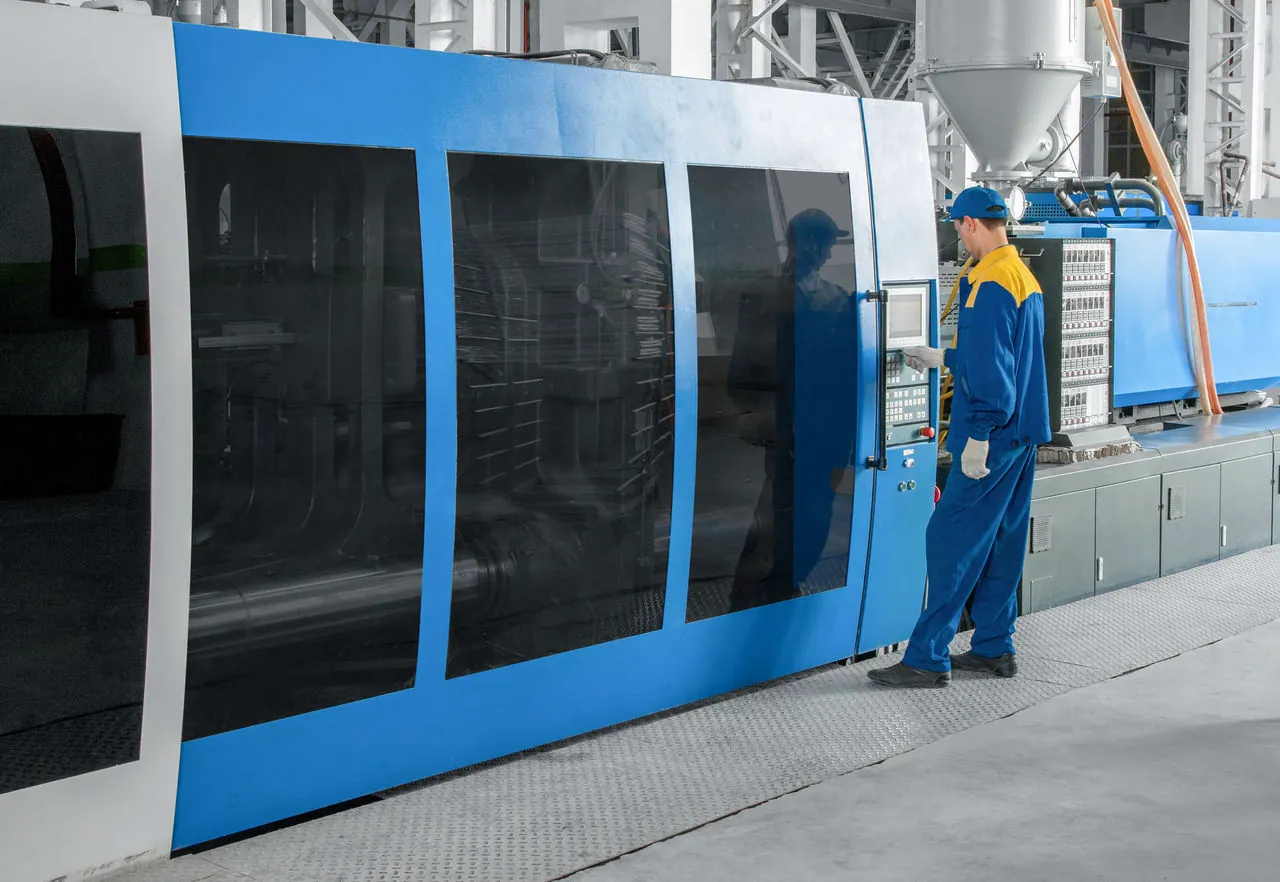
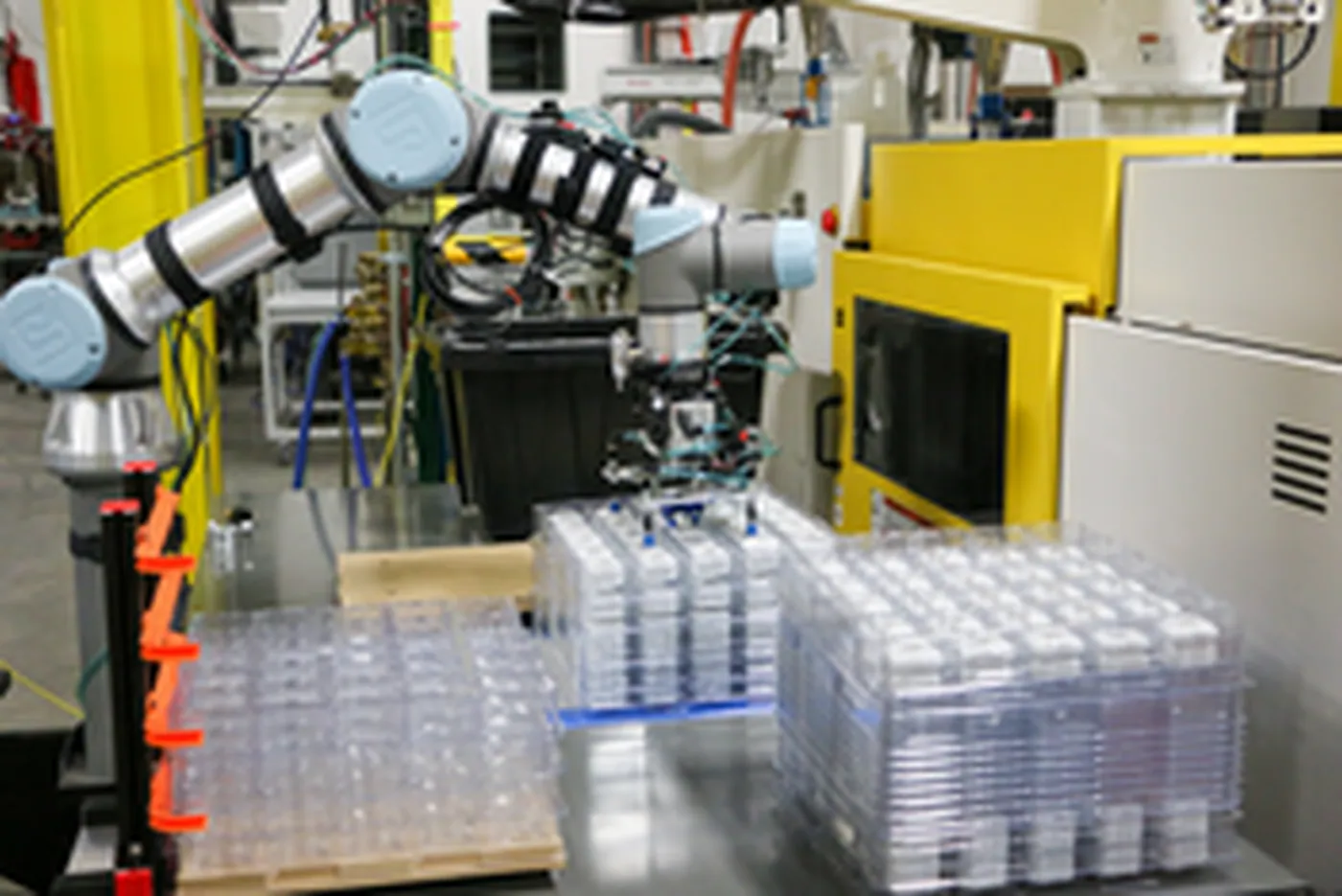
Automation in the plastics industry is hereInjection molding workshopThe main battleground: injection molding machine extraction (robotic arm/six-axis), insert insertion, post-processing (drainage, assembly, inspection), packaging and palletizing are highly standardized, and horizontal robotic arms are almost standard for injection molding machines; The current upgrade direction is "injection molding island unitization"—one robot serves 2–4 injection molding machines, completing removal, trimming, inspection, and placement all in one. Workshop labor has evolved from "one person viewing three machines" to "one person viewing one island."
Robot applications in the chemical industry are concentratedPackaging and handling of the rear section(Stacking and filling line loading and unloading of bagged/drum products) andReplacing dangerous positions(Feeding, sampling, valve operation), explosion-proof requirements are the core threshold: according to the explosion hazard zone division (Zone 1/Zone 2), choose explosion-proof certified equipment (Ex d/Ex p/Ex ib), and every detail in electrical and mechanical design must correspond to the explosion-proof level.
| Segmented scenarios | Equipment type | Technical/compliance points |
|---|---|---|
| Injection molding removal and inserts | Horizontal robotic arm / six-axis | Compatible with injection molding machine safety interlocks (EUROMAP 67/TIA interface) and molding cycle |
| Drainage port and post-processing | Six axes + cutter/grinding | Sprue material recovery channels and tool life management |
| Injection molded part inspection and assembly | SCARA+ Vision | Consistency inspection of multi-cavity components and missing insert detection |
| Bagged products are palletized | Palletizing robot + end clamping end | Dust explosion-proof (plastic powder/chemical powder), bag body shaping |
| Barrel filling and unloading | Six-axis + clamp / vacuum | Explosion-proof zone certification and filling interlock |
| Dangerous goods feeding/sampling | Explosion-proof six-axis + dedicated end | Zone 1/2 explosion-proof certification, electrostatic grounding, operating procedures |
Eight major business locations in the plastics and chemical industry
Applied technology servicesStarting from injection molding island planning: the modular design of mold layout, extraction paths, and subsequent process connections directly determines molding cycles and labor numbers—we create solutions based on the "island," with cycle time calculations accurate to the second level, and investment recovery quantified by the number of positions saved and yield improvements.
Research and development of automation equipmentCovering explosion-proof non-standard products: explosion-proof control cabinet modification, intrinsic circuit design, anti-static terminals and grounding systems—there are few standard products in chemical scenarios, and customized R&D capability and explosion-proof compliance experience are hard criteria for supplier selection.
Maintenance and repairCompatible with continuous production: chemical units run 24/7, with maintenance windows arranged for annual major overhauls; Our maintenance contracts are divided into two types of services: "Daily Inspection (Online) + Major Overhaul Special (Parking Window)", with spare parts stockpiled by critical grade.
Industry Q&A
How are robots in explosion-proof areas certified?
Check the complete machine explosion-proof certificate: The main body (motor, encoder, switches) is designed according to Exd explosion-proof or Exp positive voltage design; the control cabinet is placed by area (safe zone) or synchronously explosion-proof; cable entry devices have explosion-proof Granheads; static electricity grounding can be measured. During procurement, verify that explosion-proof labels match hazardous area grades (e.g., Ex p IIB T4 for Zone 1), and conduct explosion-proof inspections after installation—our explosion-proof retrofits include complete certification documents and acceptance support.
The injection molding workshop already has horizontal walking robots; is it still necessary to replace the six-axis?
Depends on process requirements: simply remove + place, horizontal walking manipulators are sufficient and inexpensive; When insert embedding, multi-machine service, and post-processing (drain/inspection/assembly) are required, the flexible path of the six-axis is irreplaceable. Our usual recommendation is a "hybrid configuration": simple stations retain the robotic arm, compound stations use six axes, not advanced just for the sake of advancement.
How can the explosion risk of plastic dust be controlled?
According to GB 15577 Dust Explosion Protection Specification: Dust Explosion Characteristic Test (Kst/Pmax) determines explosion-proof rating, explosion-proof design of dust removal system explosion relief, equipment grounding and anti-static, and regional dust accumulation cleaning system. Grinding scenarios involving magnesium-aluminum powder and other metal dust have higher risk levels, and the plan must undergo explosion-proof special review—this is the prerequisite process for our related projects.
Do equipment in the plastics and chemical industry need technical support?
Tell us your brand model, processes, and equipment status. Henghuan offers advice on robot maintenance, servicing, second-hand purchase, sales, and selection for the plastics and chemical industries. Rooted in Yilong, focused on Sichuan and Chongqing, serving the vast Southwest.
Contact Henghuan View all industries