
Robot rental
Flexibly providing short-term and long-term leasing services to meet the phased needs of enterprises such as production fluctuations and project trial production.
Is production capacity insufficient during peak order season? For a new project, I want to first try out whether robots can handle it. Leasing is the easiest way to try. No need to invest large sums at once; rent as needed and return at maturity, flexibly adapting to production changes.
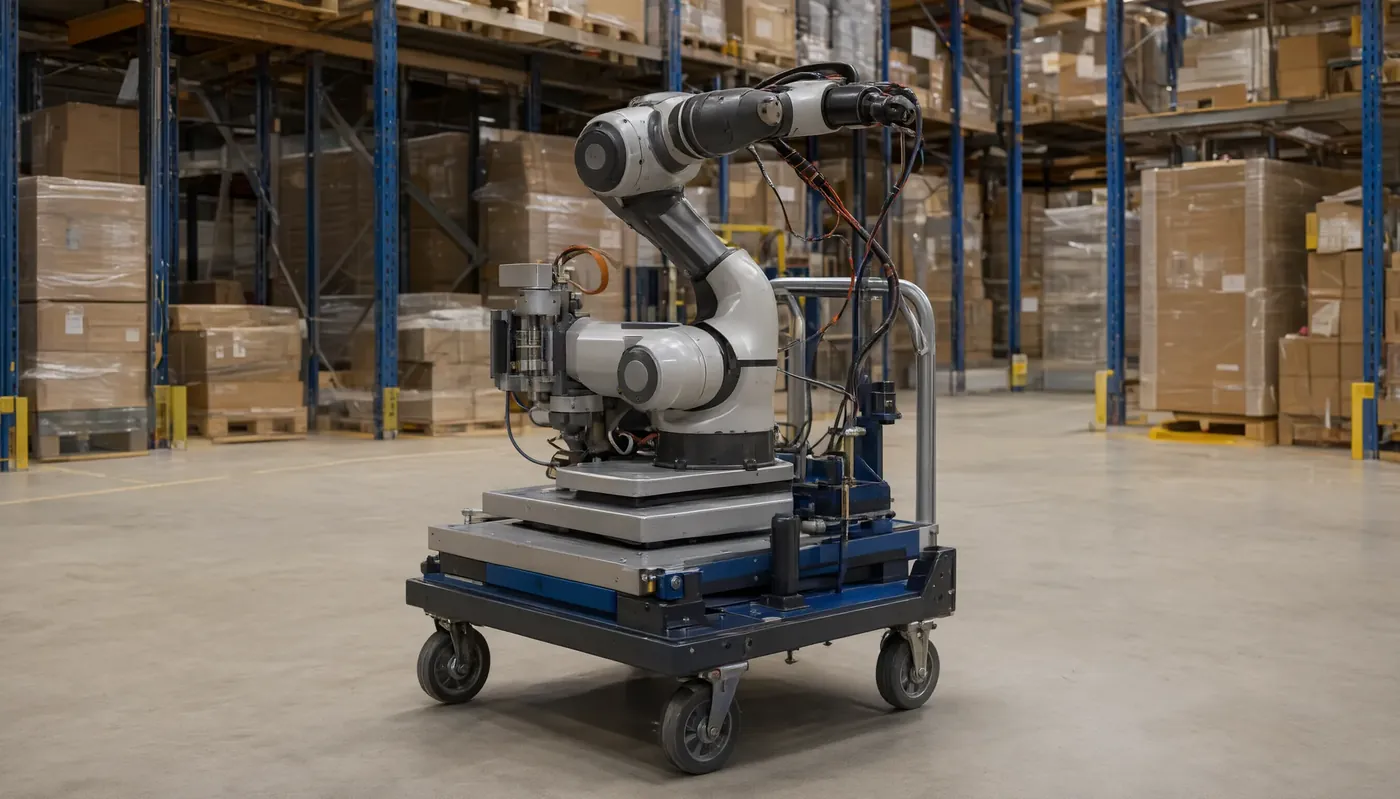
When is renting more cost-effective than buying?
Leasing is not an alternative to unaffordable purchases; it is a lighter way to organize capacity. The most typical scenarios are four types: First, seasonal order peaks, where the three-month peak season capacity gap is obvious, and equipment idle in off-season, buying one machine just for three months a year is not economical; Second, new projects are in trial production, with the process route not yet finalized, and both cycle time and yield pending validation. Rent one machine first and run it before deciding whether to invest in batches, keeping trial and error costs controllable; Third, equipment needs to be replaced during repairs, with uncertain maintenance cycles, so renting machines on top atop can prevent production line interruptions; Fourth, short-term display needs such as exhibitions, demonstrations, and product promotions, which are repaid once used up. Conversely, if a workstation is running at full capacity for long periods, with stable processes and clear capacity planning, the unit time cost of purchasing it directly will definitely be lower than long-term leasing—we will calculate this for you, rather than just recommending rental.
How to choose a lease term plan
We offer weekly, monthly, quarterly, and long-term rental plans over six months, with longer terms lowering unit time costs. Short-term rentals (one week to one month) offer the highest flexibility, suitable for emergency replacement and event displays, but they cannot be diluted by preparation and transportation costs, resulting in relatively high unit rents; Mid-term leases (one to six months) are the choice for most trial production and peak season expansions, with a balanced cost and flexibility; Long-term leases (over six months) are close to the cost-sharing logic of procurement, suitable for companies with tight cash flow but definite capacity needs, and usually include regular maintenance and replacement protection. We also offer rent-to-purchase: after the lease period ends, decide to purchase the equipment, and the rent already paid is deducted from the purchase price according to the agreed ratio, effectively using it deeply before paying, avoiding buying the wrong model.
What does the rent include and excludes?
Rent typically includes: equipment usage fees, routine maintenance during the rental period, non-human fault repair and replacement guarantees, and remote technical support. Typically, it does not include: transportation and lifting costs, on-site installation, commissioning and process instruction, operator training, or repairs for damage caused by human error or external accidents. The deposit is determined based on the value of the equipment and the length of the lease term, and will be fully refunded after the equipment is inspected and undamaged at the end of the rental period. We clearly define these boundaries in the contract, especially clarifying "what constitutes human damage" to avoid disputes when returning the phone. If you need an integrated solution including installation, commissioning, and training, we can package it in your quote.
What do we do before delivery?
Before each shipment of the rental equipment, a round of preparation must be completed: appearance and structural inspection, full-stroke operation tests of each axis, reducer oil level and seal check, controller self-check and alarm history clearing, teach pendant function verification, safety loop and emergency stop testing, and simple posture reset according to process requirements. Preparation records are delivered with the equipment and can be referenced during acceptance. After the equipment arrives, we assist in positioning, wiring and power-on, and foundation commissioning; If it involves joint commissioning with other equipment on the production line or process program development, it falls under the scope of technical services and will be agreed upon separately. When returning the rental at the end of the lease, we also conduct an acceptance inspection. After confirming there are no abnormal damages, the deposit will be refunded.
Which model to rent?
The available rental models cover ten of our top ten mainstream brands, with loads ranging from small machines weighing a few kilograms to heavy loads of several hundred kilograms, commonly FANUC LR Mate and M-710iC series, ABB IRB 1200 and IRB 4600 series, Yaskawa GP and MH series, KUKA KR AGILUS and KR QUANTEC series, as well as domestic models from Inovance and Estun. The specific rental models and current inventory status change in real time with inbound and outbound shipments. We match your load, reach, and beat requirements to provide a rental list and corresponding rental period quotes. Low-load SCARA and collaborative robots are also in stock, suitable for 3C assembly, inspection, and loading/unloading scenarios.
| Types of lease terms | Duration | Unit cost | Suitable scenarios | Coverage content |
|---|---|---|---|---|
| Short-term rentals | 1 week – 1 month | High (low dilution of transportation and preparation costs) | Equipment repair and replacement, exhibition demonstrations, and last-minute order processing | Preparation inspection, remote support, and fault replacement |
| Medium-term lease | 1 – 6 months | Moderate | Seasonal peak season expansion and trial production validation of new projects | Maintenance inspection, regular maintenance, repair, and machine replacement guarantee |
| Long-term lease | More than 6 months | Lowest (close to procurement cost allocation) | Cash flow is limited but capacity needs are clear, with long-term replacement workstations | Regular maintenance, priority repairs, and flexible upgrades and replacements are available |
| renting and purchasing through purchase | Conversion after the lease term ends | Paid rent is proportionally deducted from the purchase price | If you want to thoroughly verify the model, decide whether to buy | Rental period guarantee + purchase inspection report and warranty |
Service process
From requirement integration to delivery and archiving, every step has clear outputs, without relying on verbal agreements.
-
01
Requirement confirmation
We specify the application scenario, workpiece weight, required arm reach and beat, expected lease period, and start time, and match the in-stock models accordingly.
-
02
Model matching and pricing
Provide a list of available rental models, parameters, actual photos, and rental period quotes, clearly specifying rental items, deposit amounts, and transportation arrangements.
-
03
Contract signing and deposit
Sign a lease contract specifying the lease term, rent, deposit, boundaries of liability between parties, damage assessment standards, and renewal terms. After paying the deposit, arrange for warehouse release.
-
04
Equipment preparation and outbound
Complete pre-shipment maintenance inspections and issue records, arrange logistics shipments, and simultaneously send requirements for water, electricity, gas, and foundation for installation and positioning.
-
05
On-site installation and commissioning
Assist with positioning, wiring and power-on, zero point calibration, and basic operation commissioning; If process demonstration and joint adjustment are required, technical services will be arranged separately.
-
06
Lease term service and return
Remote technical support and device replacement guarantee during the rental period; After expiration, arrange for disassembly and return of the machine. After inspection and no damage, the deposit will be refunded, or lease renewal or lease-to-purchase can be handled.
This service covers brands and industries
Click to enter the brand page to view model specifications, or view application solutions by industry.
 FANUC
FANUC ABB
ABB YASKAWA
 KAWASAKI
 KUKA
KUKA INOVANCE
 ESTUN
ESTUN STÄUBLI
 Universal Robots
 Epson
Epson NACHI
NACHI COMAU
COMAU SIASUN
 EFORT
EFORT GSK
GSK JAKA
JAKA AUBO
AUBO TOPSTAR
 HSR ROBOT
 QJAR
QJAR Panasonic
Frequently Asked Questions
For the most frequently asked questions from customers, try to be realistic and avoid vague promises.
How much is the monthly rent?
Rent is determined by the machine model's load capacity and reach, brand, equipment condition, rental period, and whether installation, commissioning, and transportation are included; there is no fixed price. The unit time cost of short-term leases is significantly higher than that of long-term leases because transportation and outbound preparation costs need to be diluted. If you tell us the operating conditions and rental period, we will quote each unit after matching the model in the warehouse, which is more meaningful than asking for a general monthly fee.
What is the minimum rental period?
The minimum minimum lease period is usually one week; short-term demand below one week is not cost-effective for transportation and preparation costs. Needs like exhibitions and demonstrations calculated by the day can be discussed individually; we will decide based on equipment scheduling and venue distance.
What should you do if the equipment malfunctions during use?
First, make remote judgments, and handle those that can be resolved remotely immediately; For on-site repairs, we arrange for engineers to come and repair them. If the fault cannot be repaired within a reasonable time, we provide replacement equipment of the same or higher specifications to prevent prolonged shutdowns on your production line. Here, responsibility must be distinguished: if the fault is caused by the equipment itself, we bear the full repair and replacement costs; Damage caused by human error, external impact, or over-standard use will be borne by the lessee according to the contract, and this will be clearly stated in the contract.
How much is the deposit? When will you withdraw?
The deposit is determined based on the value of the equipment and the length of the rental period, with the specific amount specified in the contract. After the equipment is returned and inspected without damage, the full amount will be refunded within the agreed period. Acceptance criteria are clearly listed at the time of signing—including appearance damage, functional condition, and accessory integrity—to avoid conflicting opinions when returning the device.
Can I rent collaborative robots?
Yes, you can. Collaborative robots (such as the Universal UR series, FANUC CR series, ABB YuMi, etc.) are suitable for human-machine mixed-line and small-batch, multi-variety assembly inspection scenarios. Their deployment without safety fences requires minimal site modification requirements, making them ideal for trial production verification. The specific available rental models depend on the current inventory status.
Who is responsible for transportation and lifting?
We can arrange it ourselves, or you can handle it yourself, as stipulated in the contract. It should be noted that the robot itself has a high center of gravity and is heavy; improper lifting can easily cause structural damage. It is recommended that the robot be operated by an experienced team. We provide technical information in advance such as equipment weight, center of gravity position, lifting points, and foundation load requirements.
Is it okay to buy it when the lease term ends?
Yes, we support rent-to-purchase. The rent already paid will be deducted from the purchase price according to the agreed ratio. After the equipment is converted for sale, a test report will be issued and the equipment will be covered by a warranty. This path is especially suitable for customers still hesitating about choosing a model—renting for three months to get the process running first, then deciding whether to buy or what model to buy, is much better than signing a procurement contract and only realizing it's not suitable.
How far in advance do I need to book?
For standard models, advance from a few days to a week; For special loads, large quantities, or peak season (usually the peak order period in the second half of the year), it is recommended to communicate at least two weeks in advance so we can reserve equipment and arrange preparations. We will prioritize scheduling for emergency replacement needs, but due to the in-stock status, it is still recommended to contact as early as possible.
Need business cooperation?
Feel free to contact us to explain your specific scenario and needs, and we will communicate and coordinate with you in a timely manner.
Contact us immediately