Metal processing and machinery manufacturing
Industry Robot Application Solutions · 19 Brands Coverage · 6 Types of Typical Processes
Robotic applications in the metalworking and machinery manufacturing industries
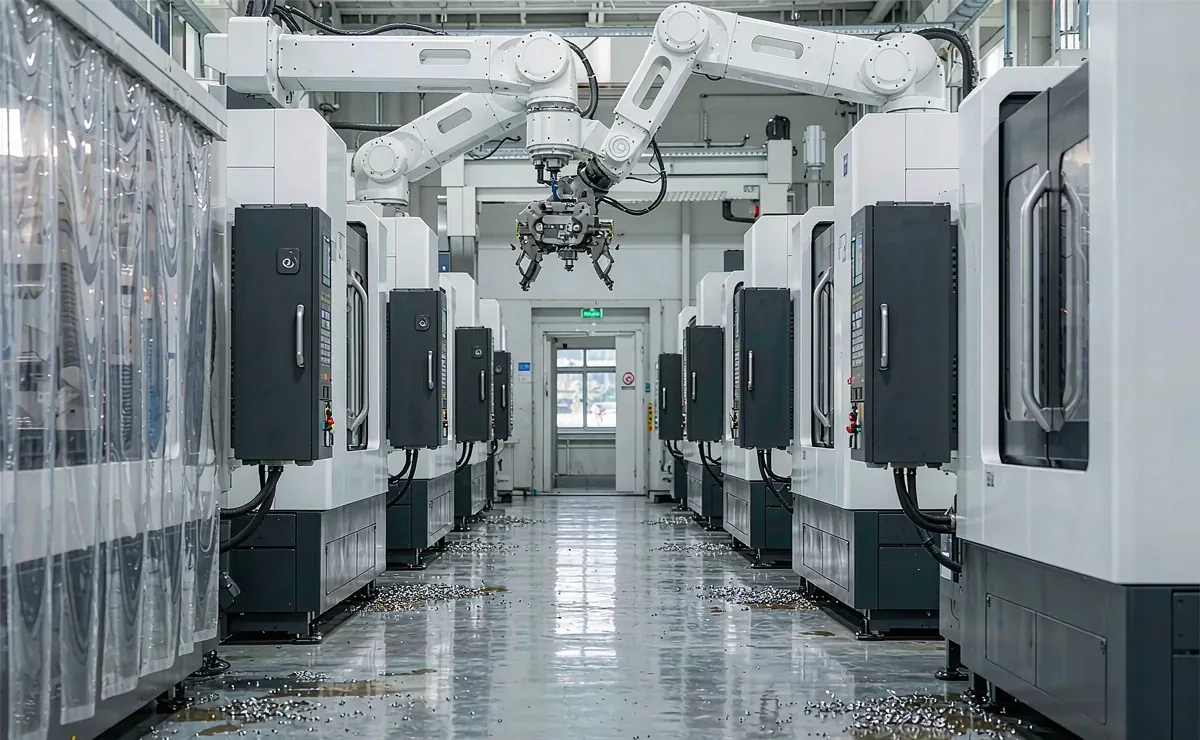
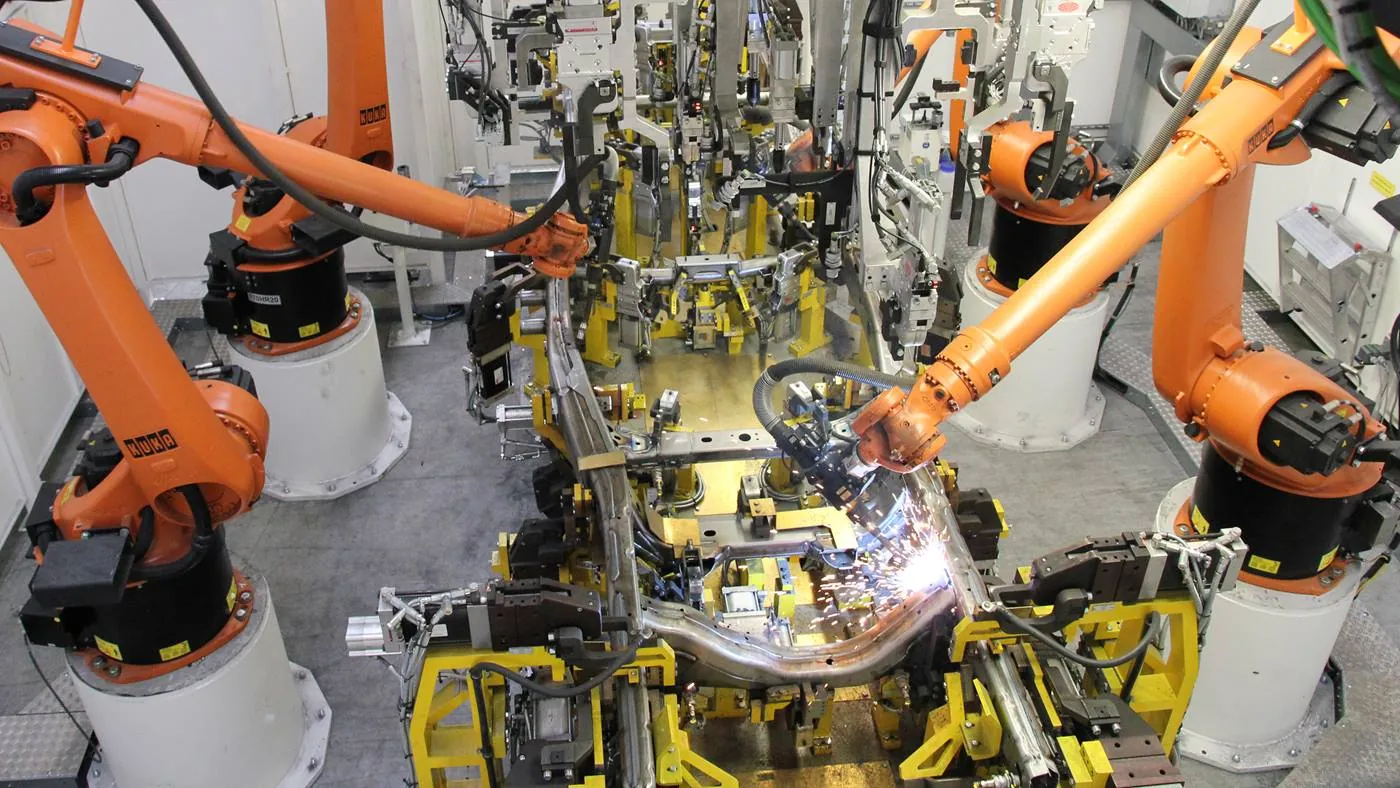
Robots in the metalworking industry are mainly used for machine tool loading and unloading (CNC watching), stamping and wiring, welding structural parts, and deburring and grinding processes. Covering a wide range of payloads from 6kg to 500kg, FANUC M-20iA/M-710iC, ABB IRB 2600, KUKA KR QUANTEC, and Yaskawa GP/AR series are common models. Henghuan provides technical support for machine tool online modification and maintenance of in-service robots.
Typical automated processes
Common robotic processes in this industry—click to view key application points, customer cases, and applicable brands.
Robotic loading and unloading can be a simple automated process for handling products to adapt to the manufacturing process. However, reducing cycle time is crucial, as the robotic loading and unloading process cannot add value to the product. Kawasaki is continuously developing new products to reduce...
View process details → Arc weldingHigh-quality arc welding requires exceptional operational flexibility and a deep understanding of material and thermal applications. With automated collaborative welding solutions, you can achieve stable and consistent welding results and improve production efficiency. …
View process details → Subtractive processingAutomated grinding and polishing applications include polishing, grinding, trimming, cutting, and deburring (to name just a few). These processes are challenging due to factors such as movement and positioning requirements, tool wear errors, and force control. Kawasaki has already developed software...
View process details → Grinding and polishingOperations such as polishing, grinding, and grinding all require precise force control. The Universal collaborative robotic arm equipped with force control technology can automatically adjust its position based on real-time feedback, ensuring the applied pressure remains within the ideal range,...
View process details → CuttingCutting is a process in which metal materials are cut or burned with flames or arcs using machine tools. Cutting and other related processes are widely used in transportation, construction, and industrial equipment manufacturing. Robot cutting ensures smooth cuts and precise cutting positions...
View process details → Material handlingReducing labor costs through automation Material Handling (MH) utilizes the simple capabilities of robots to transport objects. By fitting the robot with the appropriate end-of-arm tooling (for example, a gripper), the robot can efficiently and accurately transfer products from a position...
View process details →Covering branded equipment
Robot brands within Henghuan's service scope that have practical applications in the metal processing and machinery manufacturing industries can click to enter the brand page to view series and model specifications.
 FANUC104 models
 ABB45 models
 Yaskawa85 models
 Kawasaki75 models
 KUKA456 models
 Inovance Technology58 models
 Estun71 models
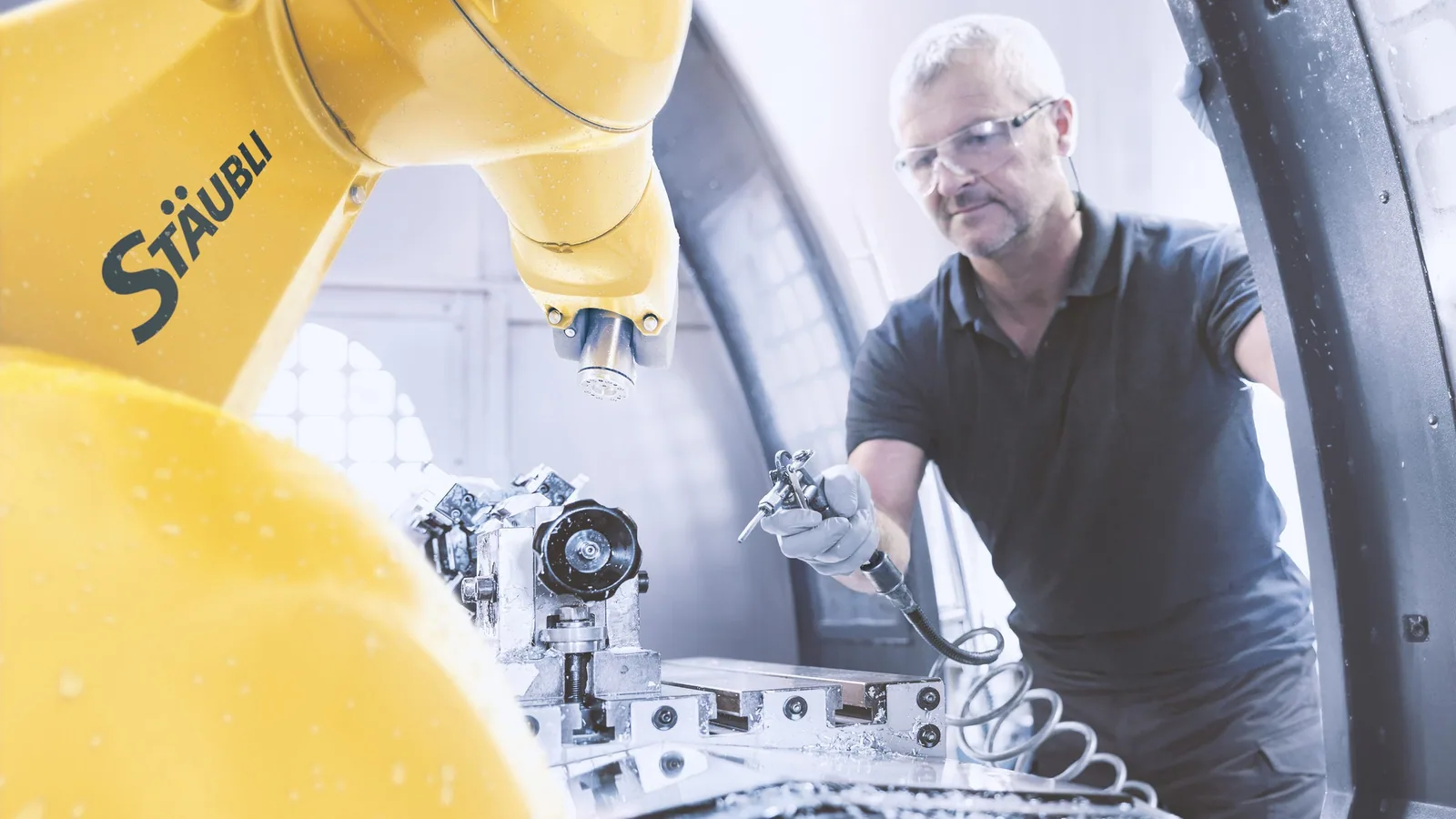
 Stäubli30 models
 Universal Robots9 models
 Nachi Fubietsu18 models
 Comau30 models
 Siasun Robotics26 models
 Guangzhou CNC19 models
 JAKA19 models
 AUBO24 models
 TOPSTAR24 models
 HSR Robotics23 models
 QJAR Robotics40 models
 Panasonic10 models
Henghuan can provide services for the metalworking and machinery manufacturing industries
All six core businesses can be procured independently or in combination.
Process validation, workstation solutions, programming and teach-in and production ramp-up support, and turnkey delivery of robot applications.
Learn more → Sales of new industrial robotsAuthorized-style sales of brand-new mainstream robots with selection support for new production lines and capacity expansion.
Learn more → Research and development of automation equipmentResearch, development, integration, and delivery of end-effectors, conveyor positioning, safety peripherals, and complete control systems.
Learn more → Research and development of algorithms and control systemsMotion planning, machine vision, and PLC/SCADA system development to address takt-time bottlenecks, accuracy, and data interconnection.
Learn more → Robot rentalShort-term rental, long-term rental and lease-to-own for in-stock models, long-term rental, and lease-to-purchase transfer, including transportation, installation, commissioning, and lease-term maintenance.
Learn more → Software and hardware upgrade servicesController retrofits, software and firmware upgrades, mechanical refurbishment, and safety upgrades restoring performance to older equipment.
Learn more → Maintenance and repairOn-site inspection, fault diagnosis and repair, and annual maintenance contracts covering 1,310 models from 21 brands.
Learn more → Used & in-stock robot salesWe buy back used robots and handle inspection, refurbishment and resale; every unit ships with inspection records and a warranty, and trade-ins can offset new purchases.
Learn more →Industry Status: Labor Dilemma Driving Automation into Machining Challenges
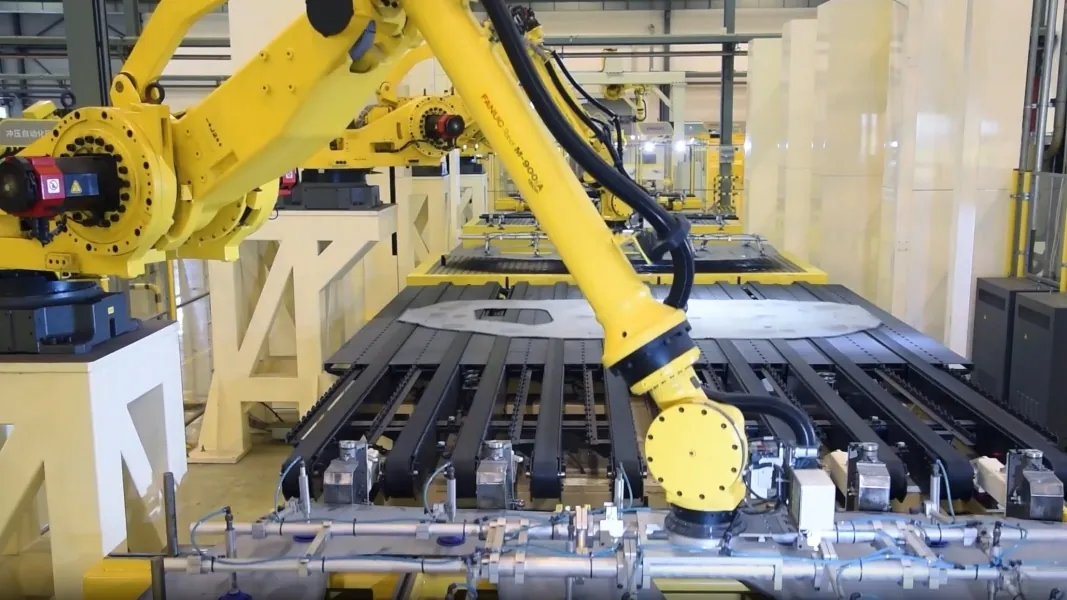
Metal processing and machinery manufacturing are the foundation of manufacturing in Southwest China and the sectors most urgently in demand for automation transformation: aging CNC operators, young people unwilling to enter factories, and difficulty recruiting night shifts—"one person with multiple machines" has shifted from a cost-cutting option to a survival option. The current state of industry automation is highly differentiated—large-batch automotive/3C parts factories have already achieved an automation rate of over 60%, with the majorityA multi-variety, small-batch machining factory(Typical examples include general machinery, mold, and agricultural machinery parts enterprises in Southwest China) The automation rate remains below 20%, leaving huge room for improvement.
The automation path for multi-variety, small-batch operations is now clear: no longer pursuing a "black factory" approach, but moving step by step—Step oneMachine tool loading and unloading (one-to-two/four-to-four, with the shortest payback period),Step twoDeburring and cleaning automation (the most labor-intensive and most challenging processes),Step threeWelding and inspection stations,Step fourLogistics connectivity and digitization. Each step generates returns independently, with no one-time big bets.
| Renovation scenes | Typical configuration | Investment range | Reference for payback periods |
|---|---|---|---|
| CNC one-to-two loading and unloading | Six-axle 20–50kg + double silo + fence | 150,000–250,000 | 12–18 months |
| CNC One-to-Four (Trusses/Ground Rails) | Robot + ground rail or multiple trusses | 300,000–600,000 | 18–24 months |
| Deburring station | Six-axis + force-controlled grinding head + dust removal | 150,000–300,000 | 12–20 months |
| Welding Station (Structural Parts) | Six-axis + welding machine + positioner + cleaning gun | 250,000–450,000 | 18–30 months |
| Loading and unloading from the washing machine | Robot + cleaning line integration | 100,000–200,000 | 12–18 months |
| Coordinate measuring and detection networking | Robot + probe/vision | 200,000–400,000 | Calculated based on quality inspection manpower |
Eight major business areas in the machining industry
Application technology services + sales of new industrial robotsCombination is the mainstream entry point: first conduct process evaluation (which processes are suitable for automation, which are left to others), then equip equipment—most machining clients are switching to automation for the first time, so "buying the right equipment" is more important than "buying expensive equipment." Our selection recommendation starts from the workpiece lineage and five-year plan.
Used & in-stock robot salesFitting industry budget characteristics: thin machining profit margins, used robots (refurbished machines from established brands like FANUC/Yaskawa) save half the investment, and mature processes (loading/unloading, palletizing) using second-hand is a rational choice; We provide test reports + 12-month warranty, with controllable risks.
Maintenance and repairAddressing concerns about "not daring to go in": The real reason many machining factories don't adopt automation is "no one to fix it when it breaks"—localized maintenance (same-day delivery in Sichuan-Chongqing) + annual contracts (including preventive maintenance and priority response) has shifted equipment downtime risk from "waiting for the manufacturer to stop production for a week" to "same-day recovery."
Industry Q&A
We have hundreds of varieties—is automation realistic?
Reality, but the path must be correct: First, classify by "process family" (turned/milled/casing), select the top 20% of products in each group for the first batch of automation (usually covering 60%–80% of output), and keep manual labor for long-tail products; Quick changeover + combined positioning solution for fixtures is compatible with multiple varieties within the family. Launching everything at once is a big mistake; rolling renovations in batches are the safest.
Machine tool brands (all available) include Guangsu, Frank, and Xindai. Can they be integrated in one place?
Yes. The loading and unloading interfaces of these systems are all standard IO or bus protocols, and our signal meter templates are covered; For old machines without reserved interfaces, install an intermediate relay board without using the original machine tool's system and warranty. Mixed-line management is centrally scheduled by the central control PLC, with a consistent operator interface.
What do you need to use for unmanned night shifts?
Three hardware tasks: silo capacity coverage for entire shifts (rotary silo / three-dimensional silo), automatic abnormal handling (jam detection, tool break detection, machine tool alarm linkage), and remote monitoring and push notifications (status and alarms via mobile phone). Software One-Thing: First and last piece inspection process. Manage one thing: night patrol system. We provide step-by-step solutions based on the client's current situation, without requiring a one-step solution.
Does equipment in the metalworking and machinery manufacturing industry require technical support?
Tell us your brand model, process details, and equipment status. Henghuan offers robot maintenance, servicing, second-hand purchase, sales, and selection advice for the metalworking and machinery manufacturing industry. Rooted in Yilong, focused on Sichuan and Chongqing, serving the vast Southwest.
Contact Henghuan View all industries