Software and hardware upgrade services
Restoring performance and extending the lifespan of old equipment: control system upgrades, software firmware updates, mechanical refurbishment, and safety modifications.
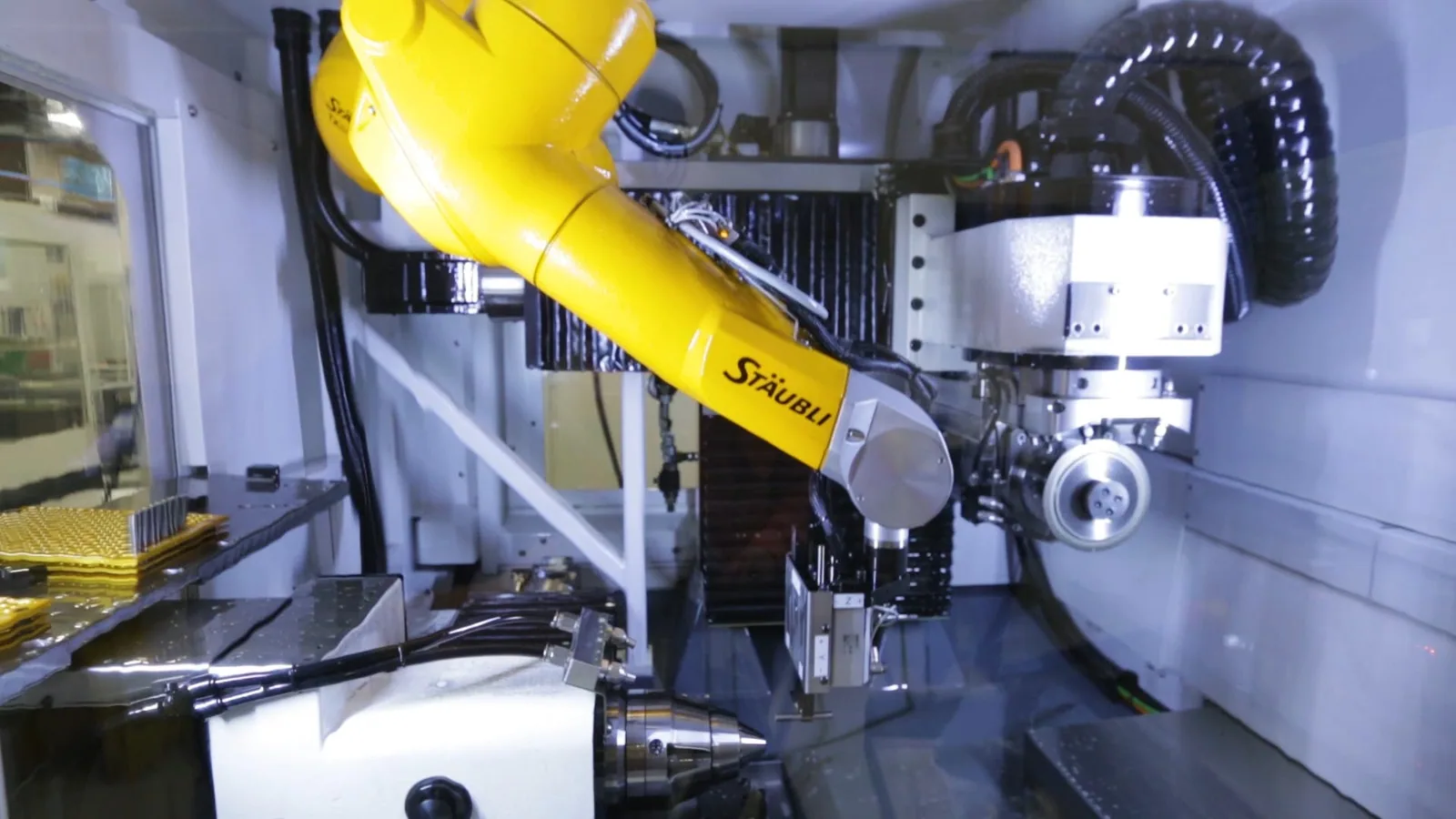
A well-maintained industrial robot can last more than fifteen years, but its control system and mechanical components will age first: controllers are discontinued and spare parts can't be purchased, system versions are too old to support new functions, reducer backlash increases and accuracy drops. The purpose of upgrading services is to bring equipment back to usable status at a cost far below the cost of new purchases.
Three upgrade directions
Discontinued controller replacement, teach pendant and driver upgrade solutions.
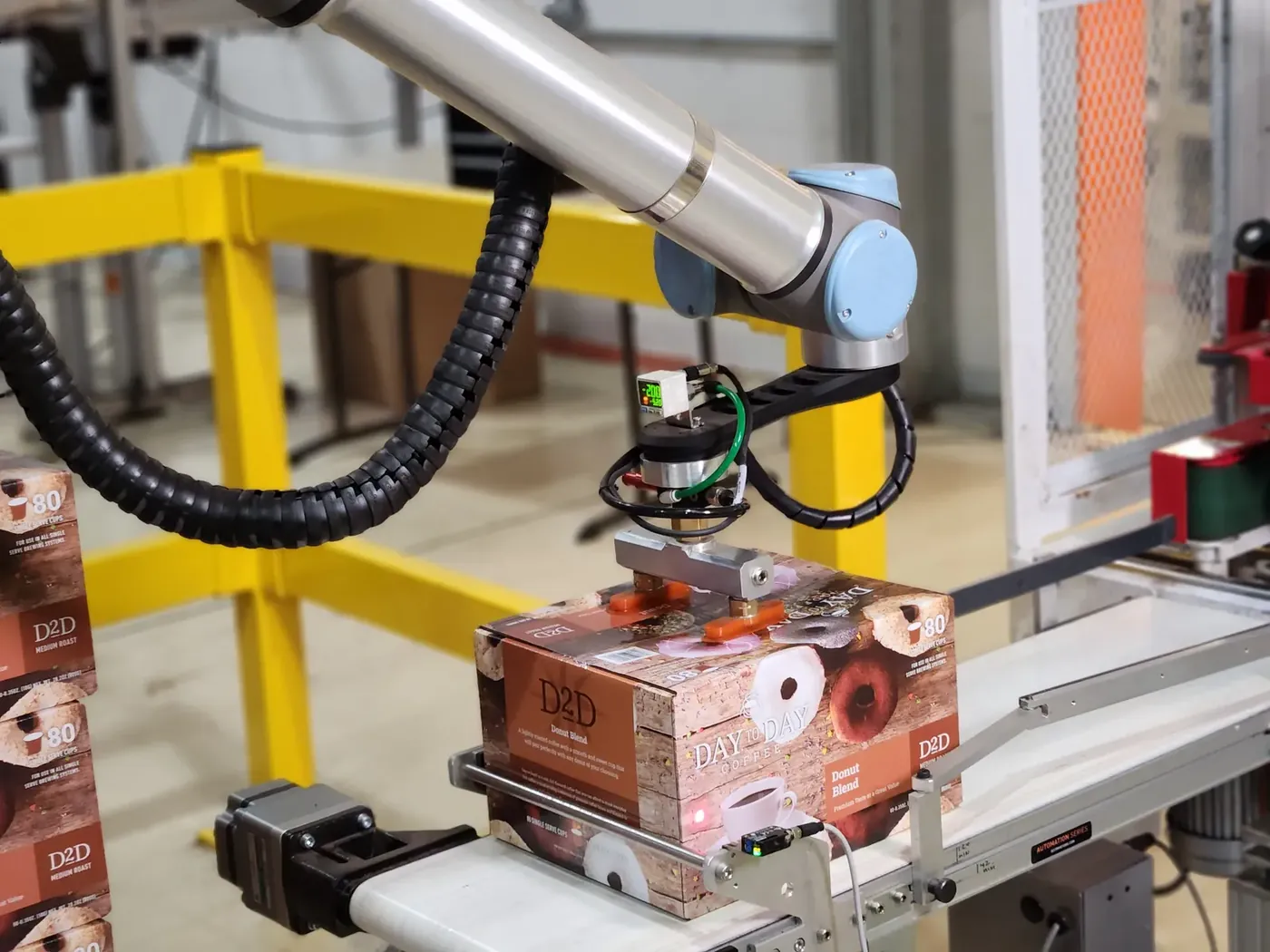
System version upgrade, parameter backup migration, and feature option activation.
View details → Mechanical refurbishment and modificationNanchong Henghuan · Local deliveryReducer/bearing replacement, precision calibration, safety modifications.
View details →Upgrade decision recommendations
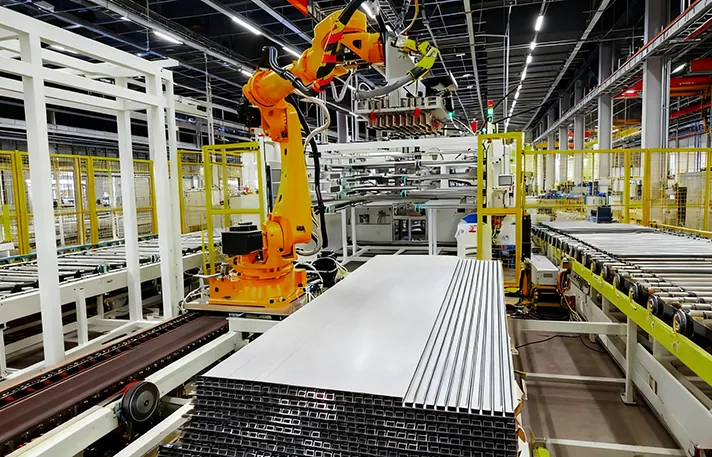
Not all older devices are worth upgrading. Our assessment conclusions fall into three levels: worth upgrading (good mechanical condition, control system has alternatives), recommended partial replacement (main unit good but control system discontinued with no replacement), and recommended full machine replacement (mechanical life ended). The evaluation report directly provides conclusions and budget ranges, not recommending upgrades just to take orders.
| Equipment status | Suggestion | Typical investment |
|---|---|---|
| Good mechanics + control system repairable | Repair + software upgrade | 5%-10% of new devices |
| Good machinery + control system discontinued | The control system was fully upgraded | 15%-25% for new devices |
| Mechanical wear + control system available | Mechanical refurbishment + precision calibration | 10%-20% of new machines |
| The mechanical lifespan is coming to an end | Full machine replacement (old can be traded in for new) | Deduction is based on the second-hand vehicle recycling price |
Industry Status: Existing Robots Enter the 'Upgrade and Replacement Window'
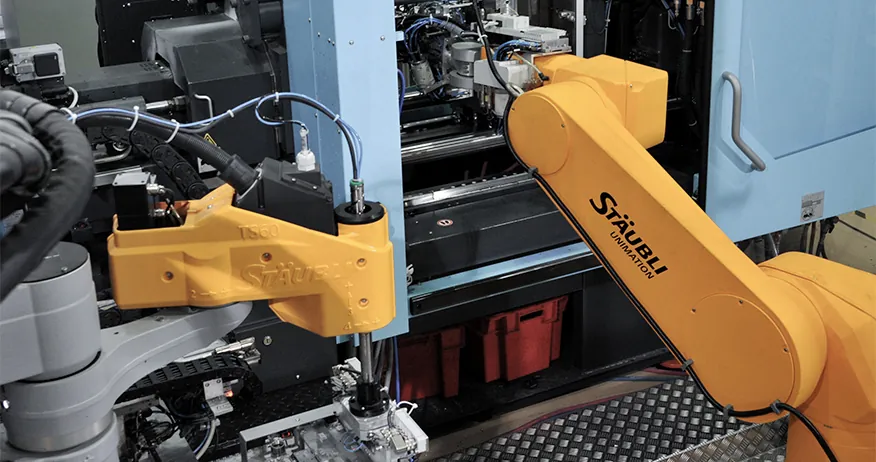
China's industrial robot fleet has exceeded 1.8 million units, with a significant proportion of the equipment procured during the automation wave around 2015. The mechanical condition of these devices is acceptable (industrial robots generally have a design lifespan of 80,000–120,000 hours), but the control system faces three pressures:Production and supply cutoffs— After the controller and teach pendant stop production, spare parts are hard to find, and a single driver board failure can cause the entire line to shut down;Outdated technology— The old system does not support visual guidance, force control, or data networking, making it impossible to connect to new processes;Safety did not meet standards— Early production line safety circuit designs no longer meet the current GB/T 36008 and factory inspection requirements.
Upgrade or upgrade? To do the math: a complete replacement of a six-axis robot costs 150,000–400,000 yuan, with losses calculated separately for re-commissioning after production stoppage; Control system upgrades typically cost 30%–50% of the total unit price, saving another level on mechanical refurbishment, while retaining original tooling and program logic. The retrofit cycle is 2–4 weeks, much shorter than new purchase delivery. For existing equipment in good mechanical condition,Upgrading is the choice with the highest return on investment—This is also why we have listed hardware and software upgrades as one of our eight major business lines.
| Equipment condition | Recommended plan | Investment level | Downtime |
|---|---|---|---|
| Mechanical operation is good, but controllers are shut down or frequently fail | Complete replacement of the control system | Whole machine price: 30%–50% | 2–4 weeks |
| The machinery is good, the system is usable but lacks functionality | Software and optional upgrades | Thousands to tens of thousands of yuan | Several days |
| Reduced precision and wear of reducers/gears | Mechanical Refurbishment (Major Overhaul of the Main Body) | Unit price 20%–40% | 3–6 weeks |
| If the safety circuit does not meet standards, the factory inspection will fail | Safety retrofit (standalone or combined) | 1–80,000 yuan per station | 1–2 weeks |
| Machinery and controls have reached their end of their lifespan, and the processes have changed | Evaluate trade-in or new purchase | Selection is based on new purchase comparison | By project |
The entire upgrade project process: survey, evaluation, renovation, and verification
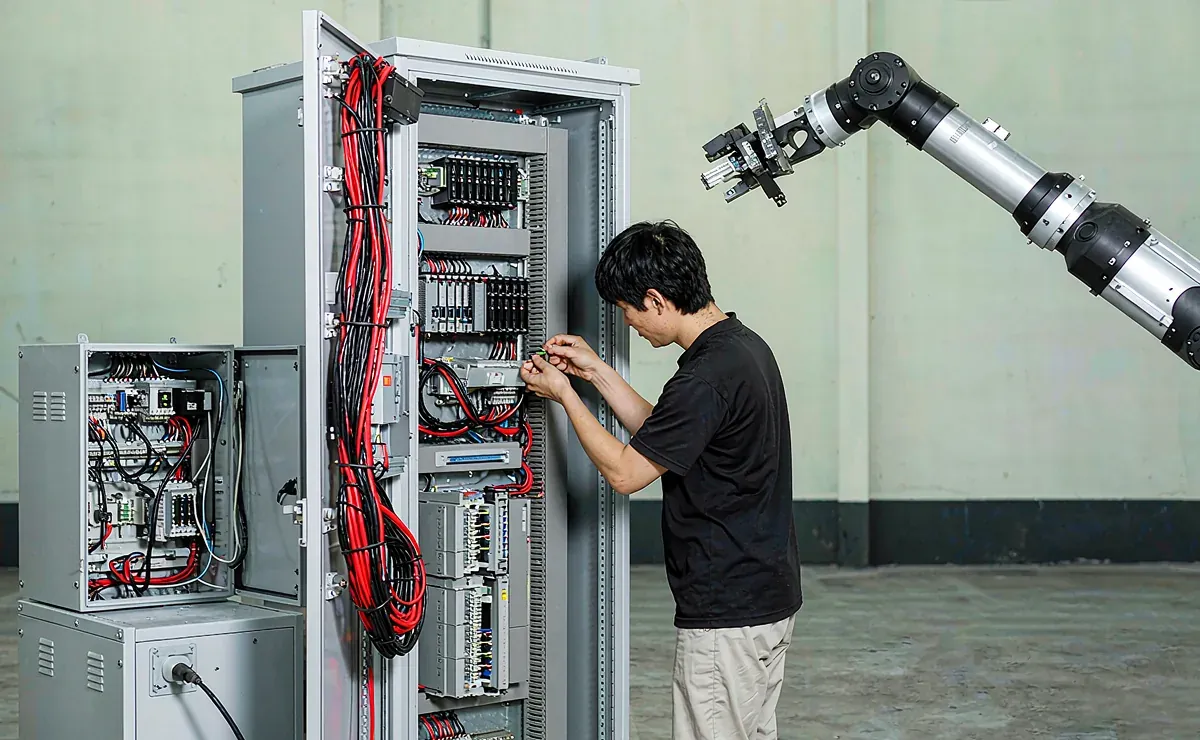
(1) Equipment Inspection and Health Assessment:On-site testing of mechanical aeration, reducer status (vibration and oil analysis), motor insulation, cable aging, and control cabinet component status is issued, and a "Equipment Health Assessment Report" is issued—showing which components can still be used and which must be replaced, with data for themselves.
(2) Upgrade plan and residual value calculation:Based on evaluation results, a menu-style plan combining "controlled replacement + mechanical refurbishment + safety retrofit," with investment comparisons (upgrade vs. second-hand replacement vs. new purchase) and cost-of-production loss estimates, allowing clients to make decisions based on ROI.
(3) Renovation Implementation:Priority was given to completing control cabinet modification and main body refurbishment in our workshop, with only hoisting, wiring, and joint commissioning done on site, minimizing the customer's shutdown window; Photos of the renovation process are taken for record.
(4) Verification and delivery:Repeatability measurements (dial gauge/laser tracker), continuous 72-hour aging operation, and safety circuit item by item; delivery is only after all passes are met; Includes modification records, new procedure backups, and warranty certificates.
In-depth Q&A
Do you need to rewrite the program after the upgrade?
Programs for same-brand control substitution (such as FANUC R-30iA swapping for R-30iB Plus) can be directly migrated, with point positions and process parameters retained; Cross-brand replacement requires program conversion; we provide equivalent reconstruction of trajectory and logic, and process parameters are checked item by item. Both approaches clarify the workload and risks at the planning stage.
How long is the warranty after an upgrade?
Control system replacement and mechanical refurbishment come with a 12-month warranty (excluding consumable parts), with free repairs for non-human faults during the warranty period; Renewal or transfer to an annual maintenance contract is possible.
Under what circumstances is upgrading not recommended?
We can directly state three situations: the main structural parts have cracks or severe deformation, multiple joints have reached the end of their lifespan simultaneously, and process requirements have completely changed (such as switching from handling to welding with insufficient load). At this point, upgrade money is better spent on second-hand trade-in or new purchases. We're comparing and calculating, not just for orders or hard repairs.
Tell us your production line requirements
Process, cycle, budget, site conditions—the more specific you are, the more executable the plan. Local teams in Nanchong will be coordinated, and on-site inspections will be available in Sichuan, Chongqing, Yunnan, and Guizhou.
Contact usView all services