Control system upgrade
Discontinued controller replacement, teach pendant and driver upgrades, allowing old robots to regain spare parts and technical support.
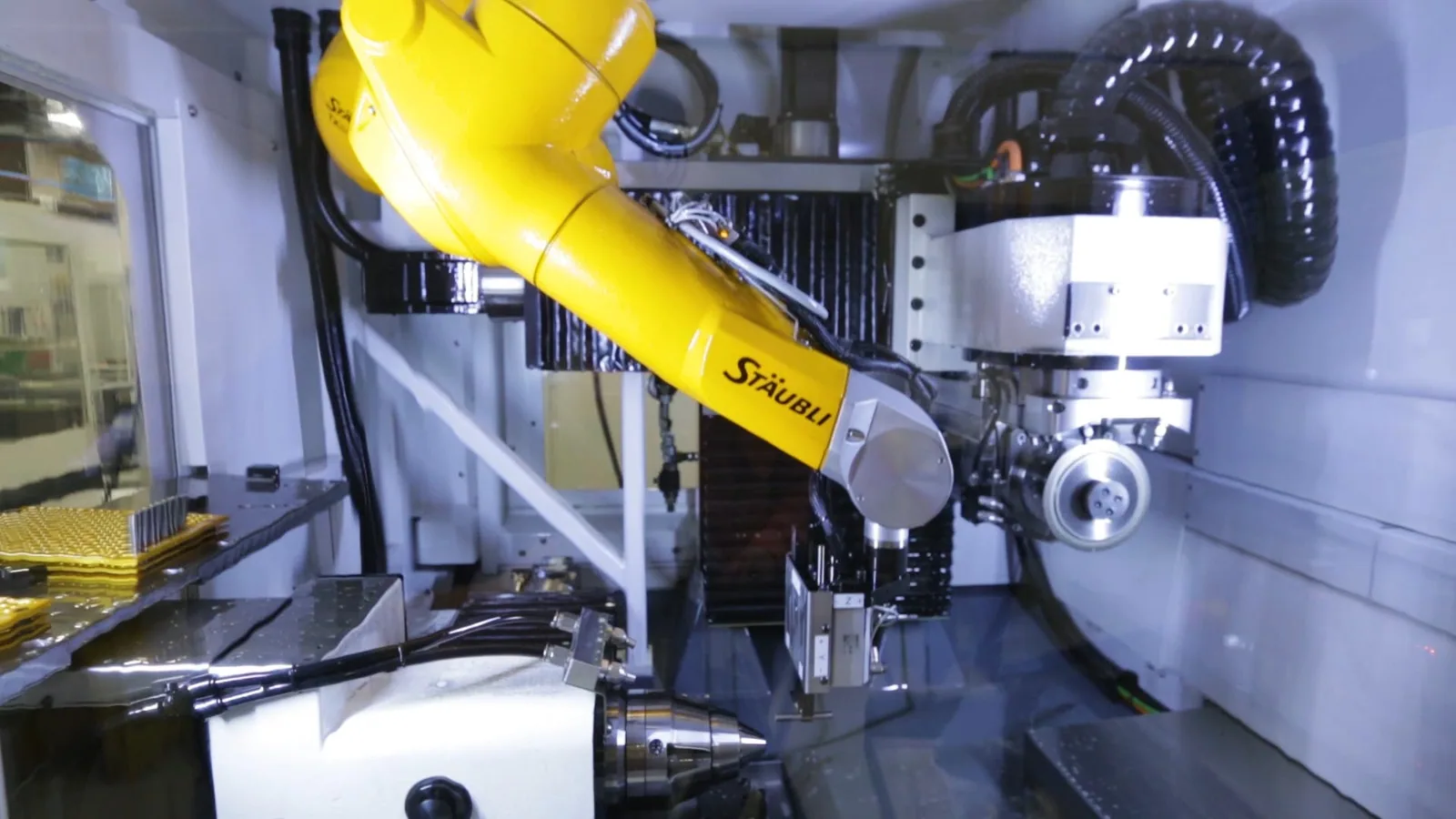
The biggest problem with discontinuing a controller isn't broken, but that once it's broken, there's no way to replace it. We offer two types of solutions: same-generation spare parts refurbishment (low cost, minimal changes) and cross-generation upgrades (replacing with new controller models, migration programs and parameters), selected based on remaining equipment lifespan and budget.
Upgrade content
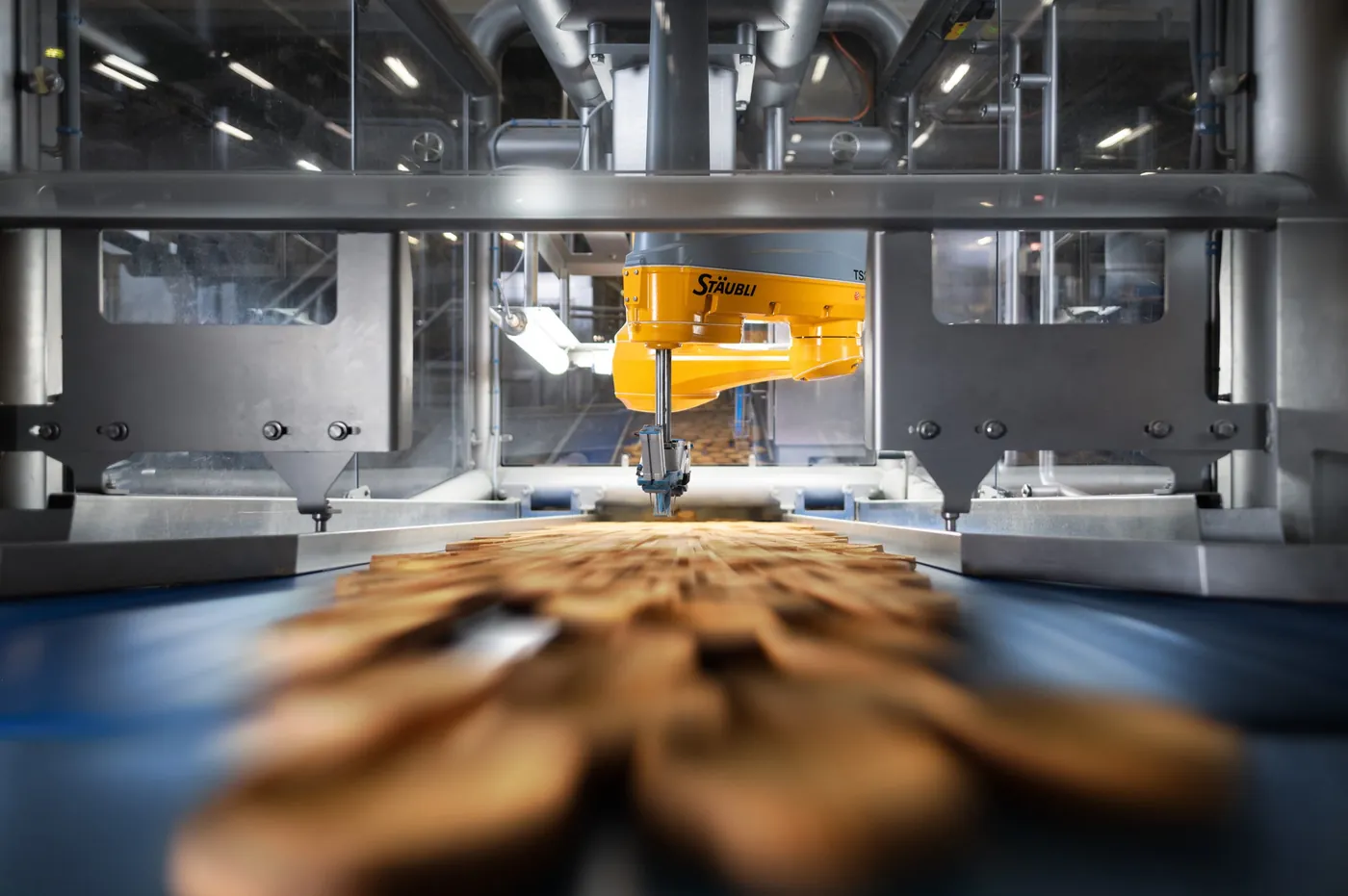
- Backup controller configuration after complete controller replacement or board-level maintenance
- Teach pendant replacement (including button mapping and adaptation to operating habits)
- Driver, encoder, and motor upgrades and matching commissioning
- Complete migration and verification of user programs, point data, and process parameters
- After the upgrade, full machine testing: repeatability, cycle time, and load operation
Process
- 01Current Situation Assessment
Control system model, spare parts channels, and program backup completeness
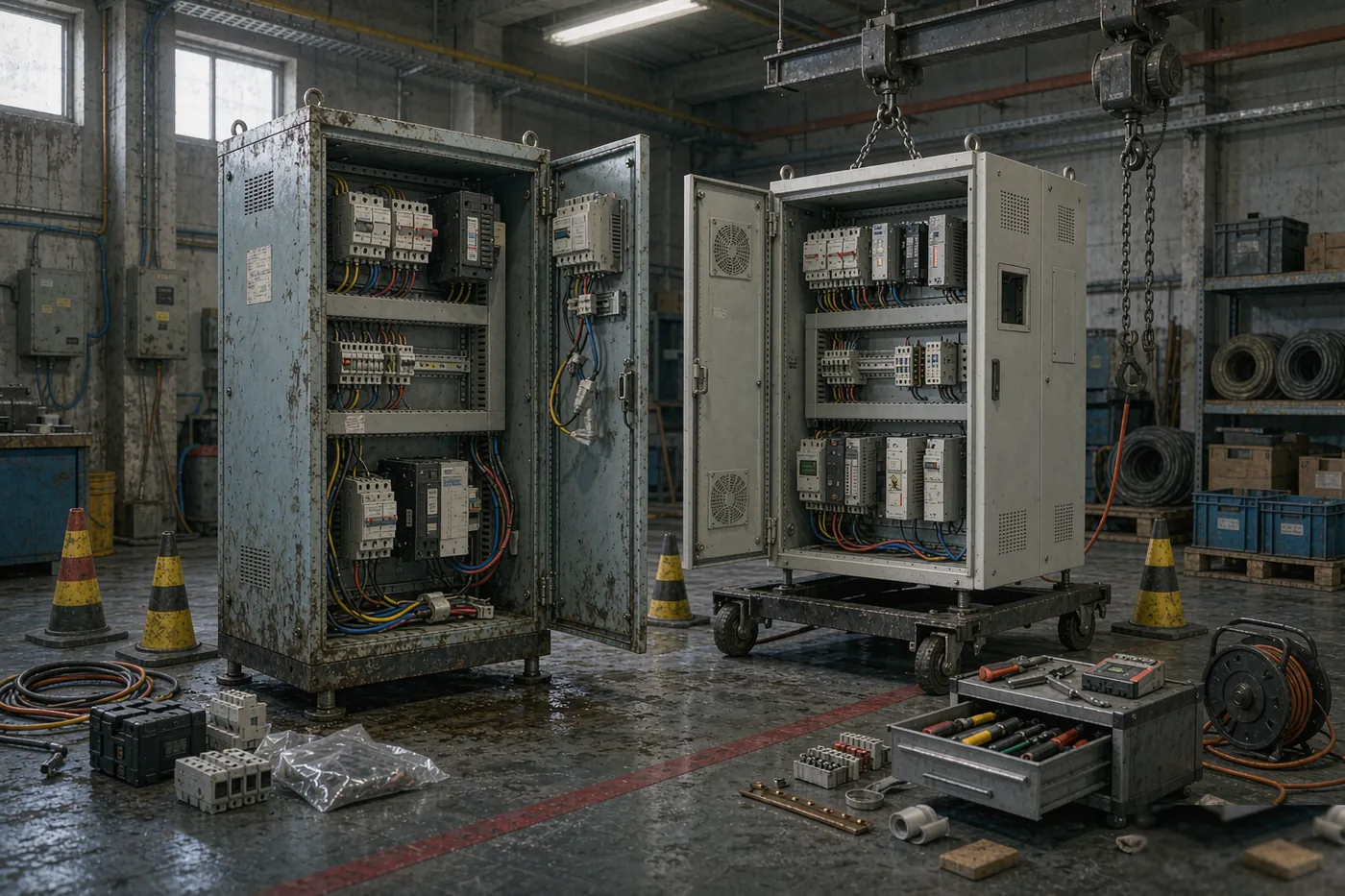
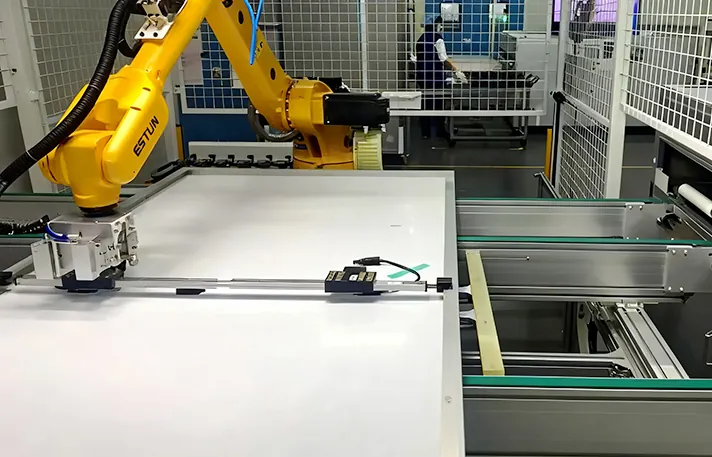
Typical workcell in operation - 02Scheme selection
Same-generation renovation vs. cross-generation upgrade (including budget)
- 03Offline migration verification
The backup program is running on the new control system
- 04On-site Switching and Testing (Using Downtime Window)
- 05Delivery of backup media and upgraded archives
Control System Replacement: Giving Old Robots a 'New Heart'
The controller is the part with the highest failure rate in robots—electrolytic capacitor aging, driver board power device failure, fan bearing wear, battery leakage and corrosion of the mainboard, all of which are concentrated in the control cabinet. When the OEM stops production, spare parts prices soar, or delivery times are calculated by months, the replacement of the control system changes from "optional" to "mandatory."
Replacement plans are divided into two categories:Same brand upgrade(FANUC R-30iA→ R-30iB Plus, ABB S4C→ IRC5→OmniCore, Yaskawa XRC→YRC1000, etc.), with good compatibility, program migration, and minimal risk;Domestic substitution(Domestic controllers such as Inovance, Gugo, Xinshida, etc. are adapted to imported bodies), offering lower costs, faster delivery, and closer service response, making them suitable for budget-sensitive and well-maintained equipment.
| Original controller | Production halt/risk status | Recommended replacement plan | Program migration |
|---|---|---|---|
| FANUC R-J3iB / R-30iA | Discontinued, spare parts are scarce | R-30iB Plus is upgraded from the same brand or has a domestic controller | Files from the same brand can be directly migrated and converted from image files |
| ABB S4C / S4Cplus | It has been discontinued for over 15 years | IRC5 refurbished cabinet or OmniCore | RAPID programs are basically compatible, but version adaptation is required |
| Yaskawa XRC / NX100 | Production discontinuation / nearing discontinuation | YRC1000 or domestic controllers | JBI programs are convertible |
| Kawasaki E/F series | Old models are in short supply of spare parts | F60 is an upgrade within the same series | AS: Language programs can be migrated |
| KUKA KRC1 / KRC2 | Production has long been discontinued | KRC4 refurbished or KRC5 | The KRL program requires version conversion |
| Discontinued models such as Panasonic and Mitsubishi | Complete machine production halted | Domestic controller + retention body | The program needs to be rebuilt, so we perform trajectory equivalent transformation |
Key details of the replacement project
Motor Matching:The old base motor's encoder protocol must be compatible with the new controller—the absolute encoder's battery standard and the incremental encoder's feedback format. If mismatched, add a conversion module or replace the motor synchronously, and check item by item during the solution phase.
Cables and connectors:As the main cable ages, replace it by simultaneously checking the insulation and shielding status between the power and encoder wires. It is recommended to replace the entire cable—replacing the old cable with a new controller is a major source of "difficult problems" after renovation.
Zero Point and Accuracy Recovery:After replacement, perform zero calibration and repeatability tests. For joints with heavy mechanical wear, it is recommended to simultaneously perform reducer inspections to restore accuracy to acceptable levels, rather than "just being able to move."
Peripheral Compatibility:Verify the signal interfaces of peripheral equipment such as positioners, guide rails, vision, and welding machines one by one, and clearly list the scope of modification in writing to avoid on-site disputes.
In-depth Q&A
How long will the replacement be discontinued?
Control cabinet modification is pre-installed and pre-adjusted in our workshop (completed outside the customer's production downtime). Only cabinet wiring and calibration are needed on site, with a single unit usually shut down for 3–7 days. Multiple machines can be rotated and retrofitted, with production lines running continuously.
Are domestic controllers reliable?
Mainstream domestic controllers (such as Inovance) have been extensively validated in routine conditions such as handling, palletizing, and loading, with MTBF reaching tens of thousands of hours; For high-dynamic trajectories (high-speed welding, precision gluing), we will conduct real-world tests and verification before recommendation. Selection is based on operating conditions, not for the sake of domestic production.
Is there still a warranty from the original manufacturer after replacement?
Expired devices do not have this issue; Replacing the third-party controller with the device under warranty will void the OEM warranty. We will clearly state this in the plan for you to weigh carefully. For faults within the warranty period, it is recommended to prioritize using the original manufacturer channel.
Tell us your production line requirements
Process, cycle, budget, site conditions—the more specific you are, the more executable the plan. Local teams in Nanchong will be coordinated, and on-site inspections will be available in Sichuan, Chongqing, Yunnan, and Guizhou.
Contact usView all services