Core business
Nanchong Henghuan Industrial Robot Service Center has set up eight major business lines for Southwest manufacturing enterprises: application technology services, sales of new industrial robots, research and development of automation equipment, research and development of algorithms and control systems, robot rental, software and hardware upgrade services, maintenance and repair, and sales of second-hand and inventory robots, which can be purchased independently or in combination.
 >
>Applied technology services
Process validation, workstation solutions, programming and teach-in and production ramp-up support, and turnkey delivery of robot applications.
See detailsSales of new industrial robots
Authorized-style sales of brand-new mainstream robots with selection support for new production lines and capacity expansion.
See detailsResearch and development of automation equipment
Research, development, integration, and delivery of end-effectors, conveyor positioning, safety peripherals, and complete control systems.
See detailsResearch and development of algorithms and control systems
Motion planning, machine vision, and PLC/SCADA system development to address takt-time bottlenecks, accuracy, and data interconnection.
See detailsRobot rental
Short-term rental, long-term rental and lease-to-own for in-stock models, long-term rental, and lease-to-purchase transfer, including transportation, installation, commissioning, and lease-term maintenance.
See detailsSoftware and hardware upgrade services
Controller retrofits, software and firmware upgrades, mechanical refurbishment, and safety upgrades restoring performance to older equipment.
See detailsMaintenance and repair
On-site inspection, fault diagnosis and repair, and annual maintenance contracts covering 1,310 models from 21 brands.
See detailsUsed & in-stock robot sales
We buy back used robots and handle inspection, refurbishment and resale; every unit ships with inspection records and a warranty, and trade-ins can offset new purchases.
See detailsIndustry Background: Manufacturing automation enters the "deep waters," with service focus shifting from "buying equipment" to "using it well"

China has maintained its position as the world's largest industrial robot market for several consecutive years. According to the International Federation of Robotics (IFR) World Robot Report, the robot density in China's manufacturing sector has exceeded 400 units per 10,000 workers, significantly higher than the global average; The "Robot+" application initiative promoted by the Ministry of Industry and Information Technology and other departments is spreading automation from leading industries like automobiles and 3C to general manufacturing and county-level industrial belts.
But for small and medium-sized manufacturing enterprises in Southwest China, the main bottleneck for automation is no longer "not being able to afford robots," but three things:Easy to choose a model but hard to implement— Insufficient process validation causing equipment to run unstably after purchase;No one knows how to cultivate, no one understands how to tune— Brand OEM service outlets are concentrated along the coast, with slow local response and high costs;Outdated equipment and technology— The robot control system purchased in earlier years has ceased production and spare parts supply has been cut off, facing the dilemma of "replacing rather than repairing, and replacement is too expensive."
This is where the value of third-party technology service providers lies: standing on the customer's side, integrating technical resources across brands, and using localized teams to reduce response times from "cross-province scheduling by week" to "same-day delivery in Sichuan and Chongqing." The Nanchong Henghuan Industrial Robot Service Center was established according to this logic—relying on the technical expertise and spare parts channels of Guangzhou Henghuan Technology Co., Ltd., it has built localized testing, maintenance, and application engineering capabilities in northeastern Sichuan.
| Business lines | What problem is being solved? | A typical deliverable |
|---|---|---|
| Applied technology services | Robots bought but not knowing how to use them, and the processes running unstable | Process validation reports, workstation plans, programming and teach-in and production ramp-up support |
| Sales of new industrial robots | Adding new production lines and expanding capacity requires first-hand equipment | Selection configuration sheet, quotation and delivery schedule, installation and commissioning |
| Research and development of automation equipment | Standard models cannot meet non-standard demands | Fixture end drawings, specialized machine prototypes, and production line integration solutions |
| Research and development of algorithms and control systems | Taps, accuracy, and data interconnection have encountered bottlenecks | Motion optimization programs, vision inspection systems, PLC/SCADA integration with MES |
| Robot rental | Short-term capacity, trial production validation, and financial pressure | In-stock aircraft models are available for short-term rental, long-term rental, lease-to-purchase, including transportation, installation, and maintenance during the lease period |
| Software and hardware upgrade services | Old equipment systems have been discontinued, with outdated performance and substandard safety standards | Control system replacement, firmware upgrades, mechanical refurbishment, and safety upgrades |
| Maintenance and repair | Sudden downtime and lack of preventive maintenance | On-site diagnostic maintenance, annual maintenance contracts, and equipment health records |
| Used & in-stock robot sales | Limited budget, rapid production start-up, disposal of old equipment | Used robots after inspection and maintenance (with inspection report and warranty), old ones traded for new ones |
How eight major businesses collaborate: covering the entire equipment lifecycle
The eight business lines are not isolated product catalogs, but a closed loop designed around the "entire device lifecycle":Model selection stageProcess validation is provided by applied technology services, new industrial robots are sold or used and inventory are sold and supplied. If budget is tight, robot leasing can be handled.Implementation phaseAutomated equipment R&D, fixtures and peripherals, algorithms and control systems R&D solve cycle accuracy and data integration;Operation phasePreventive maintenance and fault handling are carried out through maintenance and repair;Retirement phaseExtending service life through hardware and software upgrades, or reusing second-hand recycling and replacement, with residual value flowing back to new purchases.
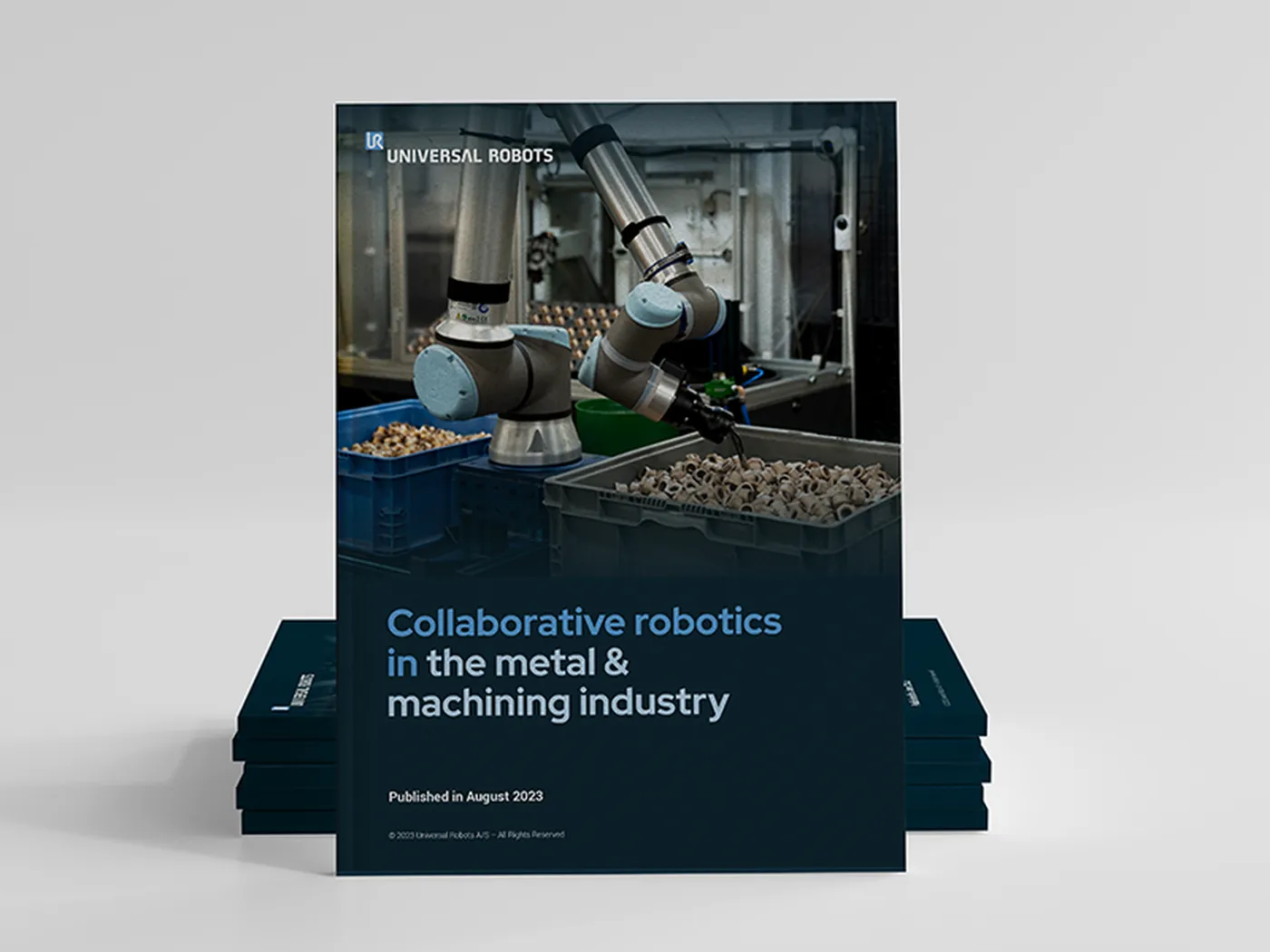
This structure means two things to customers: first,No need to search for suppliers multiple times— The same team is responsible for planning, supply, commissioning, and after-sales, with clear boundaries of responsibility; SecondData and archives are continuous— Each piece of equipment's maintenance records, parameter backups, and modification history are kept in the same set of files, so personnel mobility does not affect the assessment of equipment status.
Why choose a third-party technology service provider?
Cross-brand capabilities: The production line often has three or four robot brands mixed together, while the original manufacturer only manages its own equipment; We have established technical documentation and testing capabilities for 1,310 models across 21 brands, with one team managing the entire production line.
Response speed: Engineers are stationed in Nanchong, based in the Yilong E-commerce Industrial Park, with same-day on-site access in Sichuan-Chongqing and Yunnan-Guizhou within 48 hours; Cross-province dispatch by the original manufacturer usually takes more than a week.
Cost structure: Third-party repair and maintenance prices are usually 40%–70% of the OEM channel, and they support board-level repairs—if you can repair the board, you won't replace the whole piece; if you can use the old one, don't buy a new one.
Neutral stance: No single brand; selection should be based on craftsmanship and budget; Whether equipment is repaired or not, whether replacement or not is replaced, accounts are based on residual value and downtime losses, not by sales revenue.
Frequently Asked Questions
Can the eight major businesses be purchased separately?
Yes, you can. All eight business lines can be contracted independently or often combined—for example, "second-hand machine procurement + fixture R&D + annual maintenance" is a common combination for budget-constrained clients. For first-time collaboration, it is recommended to start validation with small cutouts (single maintenance, process prototyping, or selection consultation).
What is your relationship with the original robot manufacturer?
We are an independent third-party technology service provider and have no affiliation or authorized agency relationships with any of the 21 listed brands. Where the OEM channels can handle it, they use the factory warranty; for out-of-warranty equipment, discontinued models, cross-brand integration, and emergency repairs, third-party services are the main domain.
How do you start a partnership?
A phone or form describing the equipment brand and model, fault symptoms, or process requirements is sufficient. For repairs, we provide preliminary judgment and handling recommendations within 2 hours; For proposal-type projects, on-site surveys will be arranged first (free of charge between Sichuan and Chongqing), followed by the issuance of the "Feasibility and Budget Range Explanation."
Need business cooperation?
Feel free to contact us to explain your specific scenario and needs, and we will communicate and coordinate with you in a timely manner.
Contact us immediately