
Subtractive processing
Industrial robot subtractive processing steps: application points, process essentials, and practical cases
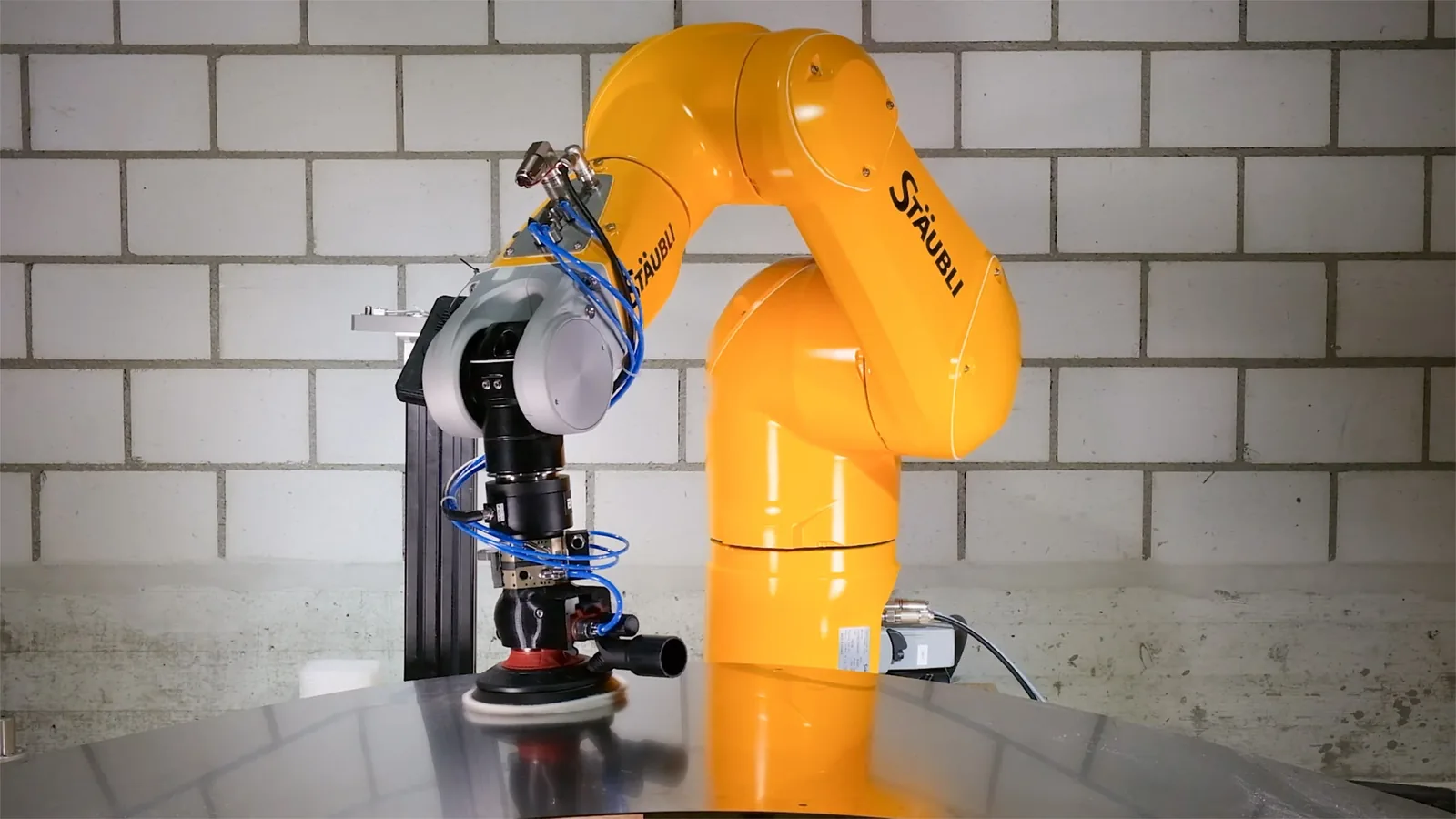
Application Overview
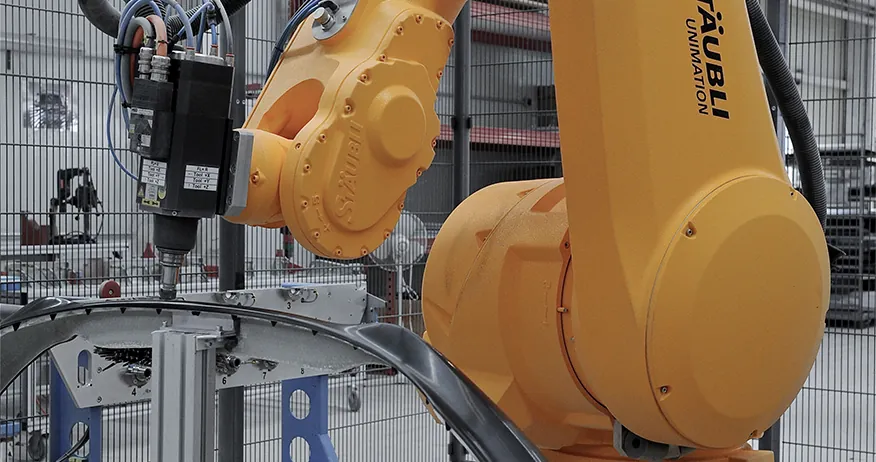
Subtractive processing refers to a family of processes aimed at removing materials—such as deburring, trimming, cutting, milling, chamfering, etc. The post-processing of castings, forgings, stamped parts, and injection-molded parts is almost indispensable from it. This is one of the most difficult processes to automate: incoming workpieces have casting deviations and batch fluctuations, continuous tool wear causes cutting state drift, and process parameters must be adjusted in real time according to material hardness—pure position teaching cannot handle this, relying on force control and adaptability.
Key points of application
Compiled from official brand application materials, source has been annotated.
Process validation, workstation solutions, programming and teach-in and production ramp-up support, and turnkey delivery of robot applications.
Learn more → Sales of new industrial robotsAuthorized-style sales of brand-new mainstream robots with selection support for new production lines and capacity expansion.
Learn more → Research and development of automation equipmentResearch, development, integration, and delivery of end-effectors, conveyor positioning, safety peripherals, and complete control systems.
Learn more → Research and development of algorithms and control systemsMotion planning, machine vision, and PLC/SCADA system development to address takt-time bottlenecks, accuracy, and data interconnection.
Learn more → Robot rentalShort-term rental, long-term rental and lease-to-own for in-stock models, long-term rental, and lease-to-purchase transfer, including transportation, installation, commissioning, and lease-term maintenance.
Learn more → Software and hardware upgrade servicesController retrofits, software and firmware upgrades, mechanical refurbishment, and safety upgrades restoring performance to older equipment.
Learn more → Maintenance and repairOn-site inspection, fault diagnosis and repair, and annual maintenance contracts covering 1,310 models from 21 brands.
Learn more → Used & in-stock robot salesWe buy back used robots and handle inspection, refurbishment and resale; every unit ships with inspection records and a warranty, and trade-ins can offset new purchases.
Learn more →Typical application scenarios for subtractive processing automation
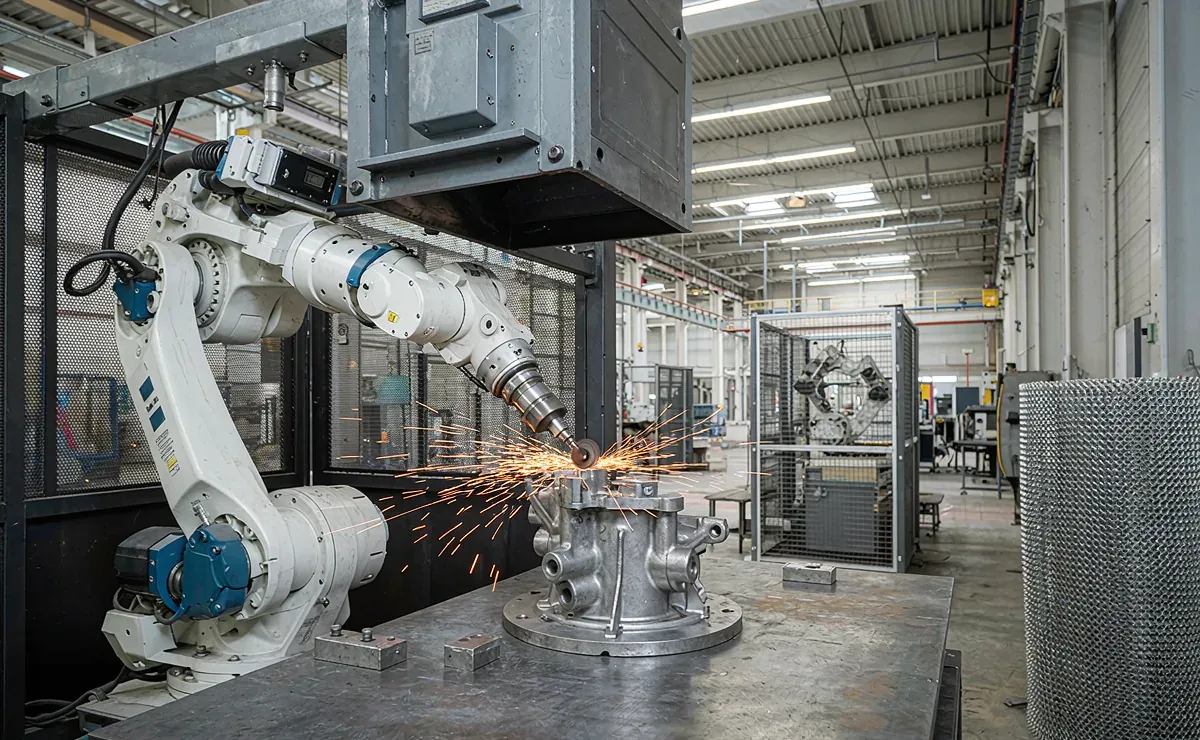
Below are representative subtractive processing automation scenarios from the Henghuan team and industry practice (client names omitted by convention), structured by "Background Pain Points→ Implementation Plan, → Implementation Results" for reference and evaluation by enterprises with similar needs.
| Scene | Background and pain points | Implementation plan | Implementation results |
|---|---|---|---|
| A foundry enterprise in Deyang · Deburring pump body castings | The parting surface of pump body castings has large burrs and batch fluctuations, manual pneumatic grinding efficiency is low, dust environments are harsh, and grinding workers are highly mobile. | The six-axis robot is equipped with a pneumatic floating spindle and a constant force control system. Offline programming generates trajectories based on the casting's 3D model, and incoming material deviations are compensated by the floating mechanism. | Deburring a single piece lasts 6 minutes, with a pass of burr residue in one go, making the grinding station unmanned and eliminating occupational health risks. |
| Luzhou Aluminum Alloy Die Casting Factory · Die castings are trimmed and polished | The removal of gates and flash for aluminum alloy die-cast shells relies on manual labor, and uneven force leads to an over-cutting scrap rate of about 4%. | The robot is equipped with a high-speed electric spindle and visual positioning, with a force control window of 40N for fine contour trimming and overcut detection and alarm. | Over-cutting scrap rate drops below 0.3%, single piece cycle time is 3 minutes, and incoming materials from different batches do not need to be readjusted. |
| An auto parts factory in Chongqing · Crankshaft bore opening chamfer | The manual chamfering of the crankshaft oil hole openings is inconsistent, and the size of the chamfer directly affects subsequent assembly and stress concentration. | The six-axis robot is equipped with dedicated chamfering tools and force control compensation, changing tools by piece count, and chamfer size sampling with SPC monitoring. | The chamfer size process capability index (CPK) is greater than 1.33, and after implementing the tool change system, tool costs have dropped by about 25%. |
Industries that commonly use this process
Click to view the overall robot application plan for the industry.
Robotic subtractive processing: a new choice for large-stroke flexibility
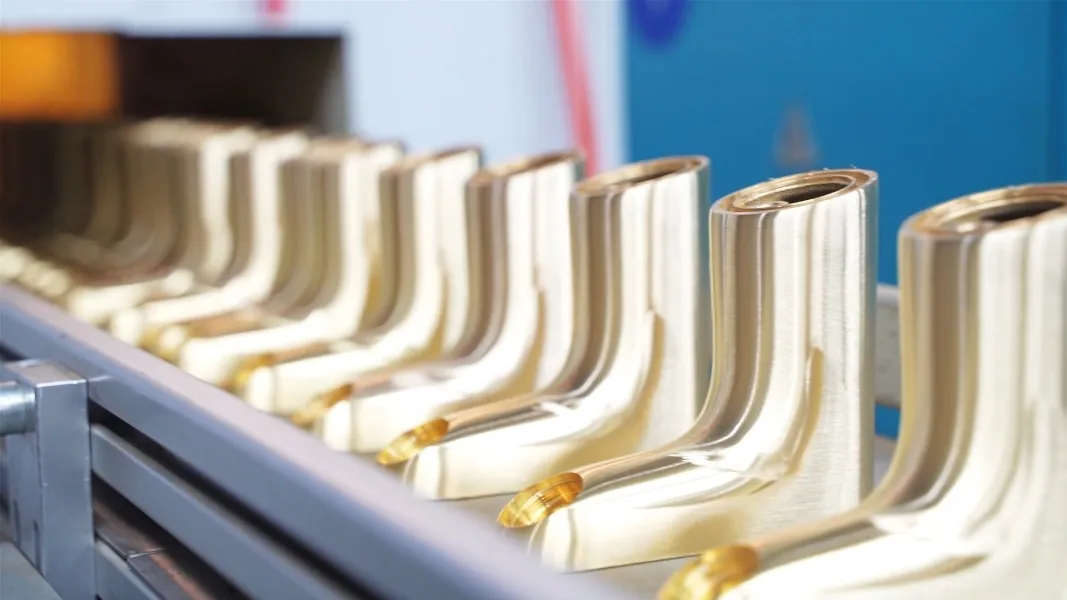
Subtractive processing (milling, deburring, trimming, drilling) has traditionally been part of the CNC machine tool field, and the logic behind robots entering this market is:Large stroke and flexibility: Gantry milling processes of 10m long profiles require massive machine tool investment, while the combined stroke of robot + ground rail easily covers and costs a notch lower; Multi-variety, small-batch drilling tapping, composite material trimming, type change only changes procedures, not tooling.
Physical boundaries that must be confronted: the absolute positioning accuracy of six-axis robots (0.5–1mm level) and rigidity lower than CNC machines (μm level), and heavy cutting (milling large remund steel parts) are not robots' main domain. Currently, mature applications are concentrated inLight cutting and non-metallic processing: Edge trimming and milling of aluminum alloy/wood/composite materials/plastic parts, deburring castings, weld grinding and cleaning, with cutting forces controlled within 200–500N.
| Processing elements | Applicable conditions | Not applicable to signals |
|---|---|---|
| Material | Aluminum alloys, composite materials, wood, plastics, cast iron (light cutting) | Quenched steel, titanium alloys, high-temperature alloys |
| Cutting allowance | Single side: ≤2mm, light cutting in each pass | Large allowance rough machining |
| Precision requirements | ± 0.1–0.5mm is sufficient | ± Geometric tolerance within 0.02mm |
| Cutting force | ≤500N (with power controller) | Continuous heavy-load cutting |
| Workpiece dimensions | Large-size/extra-long pieces are actually the advantageous scenarios | Small, high-precision components (CNC is preferred) |
Key technical compensation methods
Stiffness and precision compensation:The three main sources of absolute error in robots (reducer flexibility, gravity sagging, thermal deformation) all have mature countermeasures—kinematic parameter calibration (laser tracker global measurement + compensation model) can improve absolute accuracy by more than 50%; The machining area avoids unusual shapes and large overhanging postures; Heavy-duty cutting with external shafts allows the workpiece to move while minimizing robot movement.
Force Control Adaptation:Blank consistency in deburring conditions is poor, and constant trajectory control can "bite the knife" or "miss grinding"—active compliant force control (ATI and other six-axis force sensors) allows the spindle to fluctuate according to the set contact force, cutting more if burrs are large. This is the key to the success or failure of automated casting deburring.
Process chain design:Tool selection is designed with integrated design for robot rigid downshift (small cutting depth, high speed), spindle power and tool holder interface (ISO30/BT40 lightweight design), tool break detection and tool life management, dust removal, chip evacuation, and robot protection.
Offline programming closed-loop:CAD/CAM generates toolpath → robot post-processor conversion→ simulation verifies reachability and singularity→ real-machine trial and correction, with a four-step closed loop that "programming is completed in the office, only compensation parameters are adjusted on-site."
Craft Q&A
How to choose between a robot deburring machine and a dedicated deburring machine?
Fewer varieties, large batches, fixed burr positions→ specialized equipment (brush grinding/heat/high-pressure water), faster and cheaper; With a wide variety of types, scattered burr locations, and large, heavy workpieces→ robots have obvious advantages in force-controlled deburring flexibility. The two are often combined: specialized equipment for removing large burrs, and robots for precise finishing of complex areas.
What level of surface quality can robotic milling achieve?
After light-cutting and calibration compensation for aluminum alloys, dimensional accuracy ±0.1–0.2mm and surface roughness Ra1.6–3.2 remain stable and achievable levels, meeting most trimming and preprocessing needs; Mirror-level finishing should still be left to CNC. We will test your workpieces with hands-on results—the data speaks for itself.
How can the service life of equipment be guaranteed in dusty working conditions (composite materials/wood)?
Triple protection: Robot body positive pressure protection kit (joint and flange dust prevention), control cabinet with independent purification room or positive pressure cabinet, dust collection system near the cutting point (composite dust poses health risks, dust capture rate is an environmental acceptance item). Maintenance intervals are shortened according to dust levels and specified in the maintenance contract.
In-depth analysis of subtractive processing technology
The core technology of robotic subtractive processing is:Constant force control: Using a six-axis force sensor or built-in force feedback on the spindle, the pressure on the workpiece is maintained within a set window (typically 20–150N, depending on the process). If there is too much material, cut more; if there is little, let the tool be cut to ensure consistent removal without cutting too much. Supporting technologies include floating spindles (mechanical or pneumatic compensation for clamping deviations), tool wear compensation (automatic trajectory correction based on cutting time or current characteristics), broken tool detection (load abrupt change identification), and tool change strategies. Five-axis linkage deburring and offline programming trajectory generation (directly extracting edge lines from CAD models to generate chamfer trajectories) are key methods for improving efficiency.
Henghuan undertakes the design and integration of deburring stations and trimming stations: force control system selection and calibration, tool magazine and tool change logic design, offline programming and on-site commissioning, as well as maintenance and process optimization services for wear parts (floating spindle seals, force sensor calibration).
The technological evolution of subtractive processing automation and the Southwest market
Automation trends in subtractive processing: FirstLikong costs have decreased— Collaborative robotic arms with built-in torque sensors and dedicated floating spindles are seeing price drops year by year. Force control deburring, which was previously only affordable for high value-added parts, is now becoming widespread in general castings and aluminum parts; SecondOffline programming is becoming widespread— Dedicated CAM software directly extracts edge trajectories from 3D models to generate deburring trajectories and automatically avoid collisions, reducing programming time from days to hours. The economic inflection point for multi-variety, small-batch scenarios has arrived; Third,Process combinatory— Deburring, cleaning, inspection, and lubrication to prevent rust form an integrated post-processing unit, completing all processes in one assembly and reducing relapse and bumps.
In Southwest China, post-processing deburring demand is concentrated in the foundry (Deyang, Luzhou), auto parts (Chongqing, Yibin), and aluminum alloy die-casting industries, while manual deburring faces dual pressures from stricter dust occupational health reviews—grinding deburring positions are high-incidence occupations for pneumoconiosis and workplace injuries, and automation transformation offers both efficiency and compliance value. Henghuan offers multiple implementation paths, from single stations to complete lines, and from new machines to used robot upgrades.
Key engineering points and operation and maintenance management of subtractive processing workstations
Engineering Challenges and Countermeasures for Subtractive Processing Stations:Coordination between trajectory and force control— Conflicts between position commands and force control commands can cause oscillations, requiring correct setting of force control stiffness and filtering parameters, stabilizing at low speed before speeding up;Protection against dust and abrasions— Metal dust generated from deburring is finer and more abrasive than welding fumes, accelerating wear after entering joints. It must be equipped with positive pressure protection + joint seal reinforcement + regular purging system;Tool life management— Establish tool change ledgers for counting by piece or by time; overused tools not only worsen quality but also cause tool breakage and damage to workpieces and spindles.
Key reliability design points for subtractive stations: tool break detection (load current feature identification), linked shutdown and alarm, workpiece arrival and clamping confirmation, spot check after deburring (key edge chamfer dimensions), collection and disposal of waste and grinding chips. The subtractive station delivered by Henghuan includes these interlocks and inspection as standard equipment, and hands over tool life management sheets to the customer's production team for execution. The maintenance contract includes annual calibration of force sensors.
Need localization solutions for subtractive processing steps?
Whether it's selecting new project solutions, upgrading production lines, or operating and maintaining in-service equipment, Henghuan can provide third-party technical support for subtractive processing applications. Please tell us about material specifications, production cycles, and the on-site environment, and we will provide targeted solution recommendations.
Contact Henghuan View all application processes