
A world-leading factory automation brand — FANUC industrial robots (robotic arms/manipulators), the full range
Covers small, medium, large, heavy-duty, SCARA, parallel, spraying, and collaborative robots, with payloads ranging from 0.5kg to 2.3 tons.
Intelligent manufacturing experts
FANUC offers a complete automation ecosystem from controllers and servo systems to industrial robots, featuring yellow robots and covering loads ranging from 0.5kg to 2.3 tons.
Load capacity of 4-35kg, high speed and high precision, supporting floor mounting, inverted mounting, and inclined angle installation.
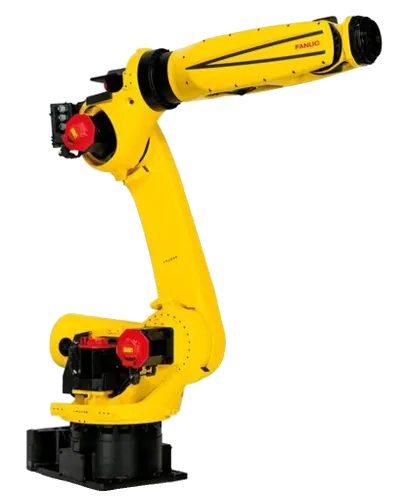
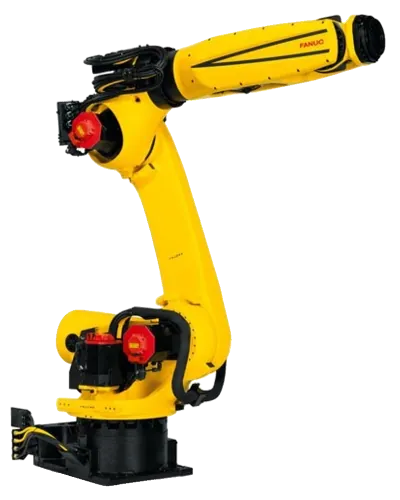
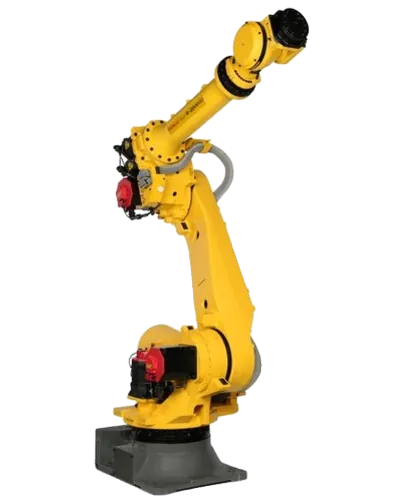
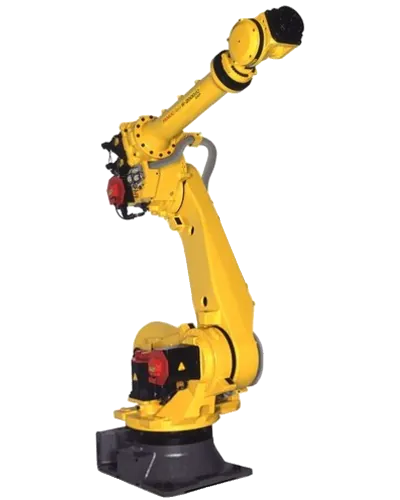
Load range from 10 to 800kg, hollow arm, high rigidity structure, suitable for welding and machining.
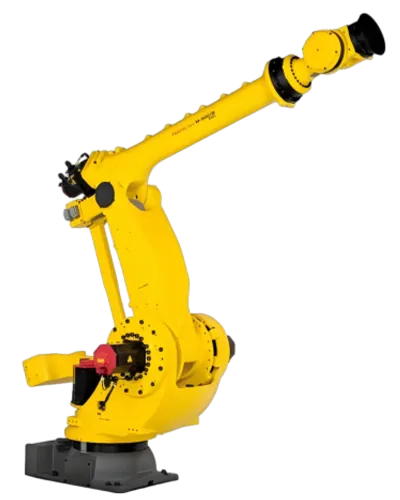
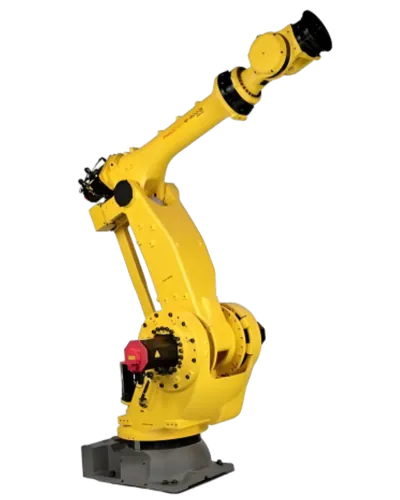
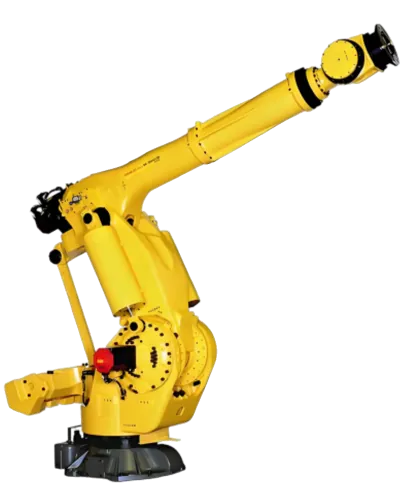
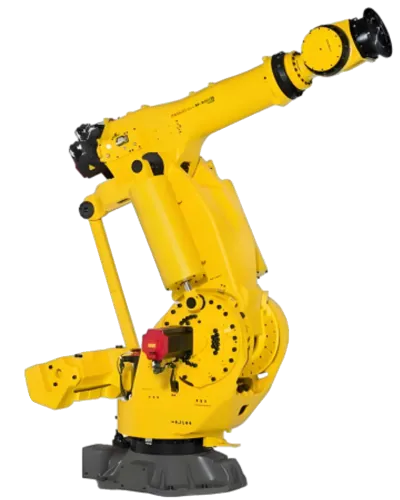
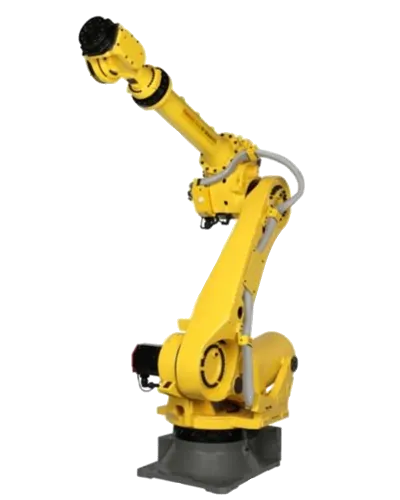
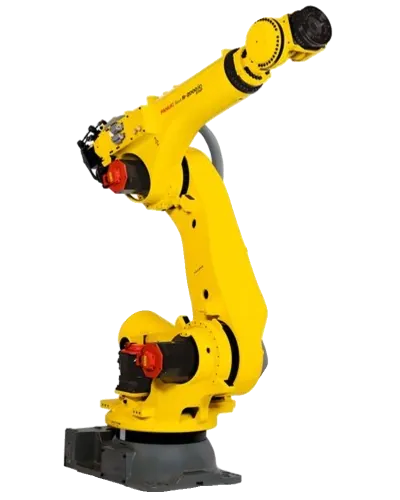
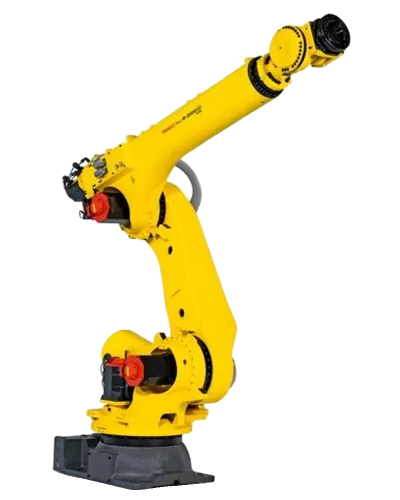
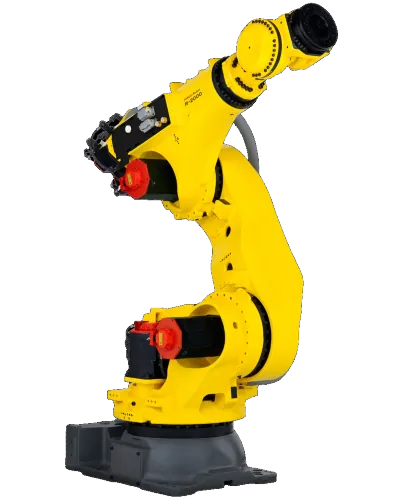
Load range from 80-2300kg, large reach, high rigidity, capable of palletizing, spot welding, and heavy-duty handling.
3-20kg load capacity, 360° working range, high-speed sorting and assembly.
0.5-12kg load, high-speed visual sorting and clean handling.
Explosion-proof spraying and force control collaboration, covering automotive spraying and human-machine collaboration scenarios.
Product series and specifications
The following specifications compile public information on the official website of Fanuc (load, reach, footprint, body weight) for model selection comparison.
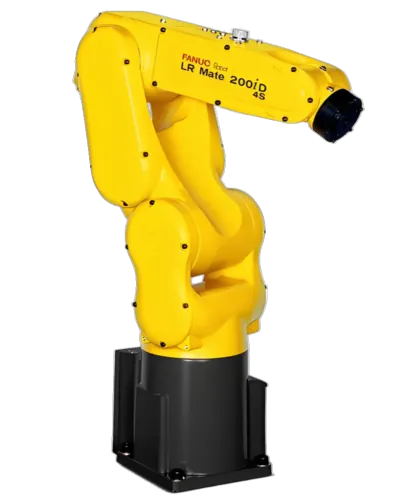
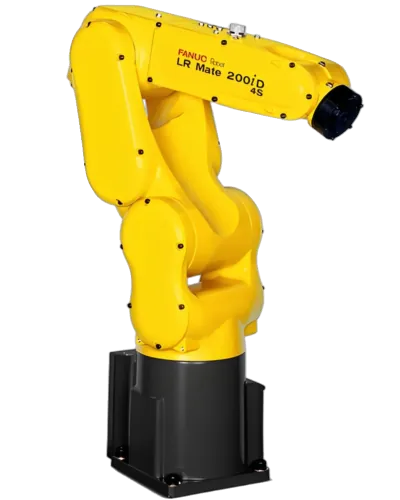
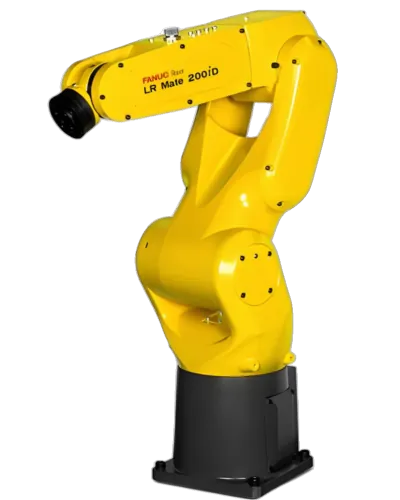
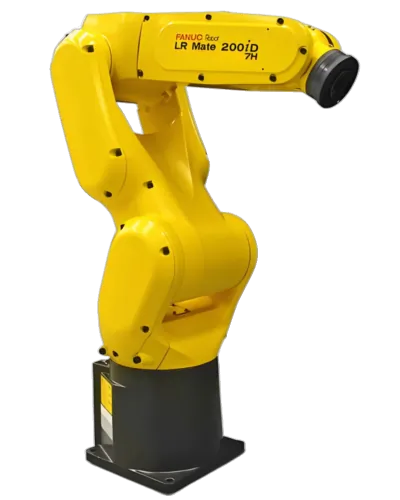
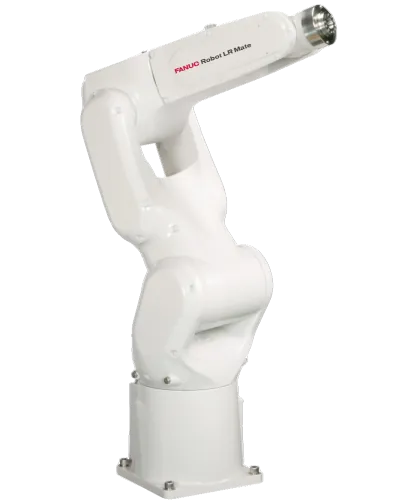
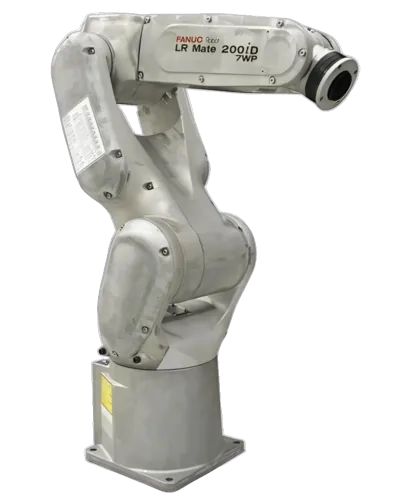
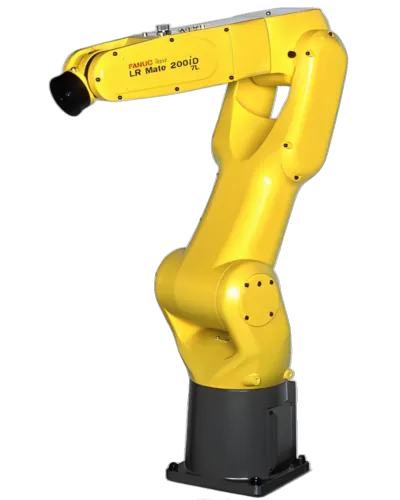
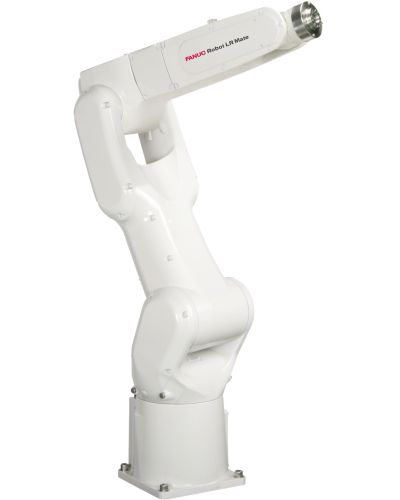
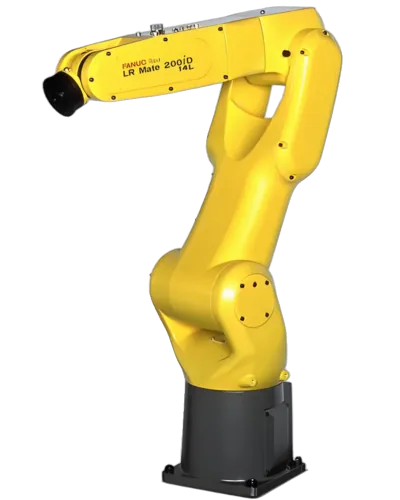
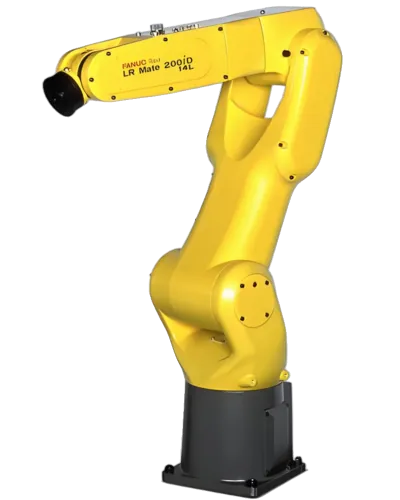
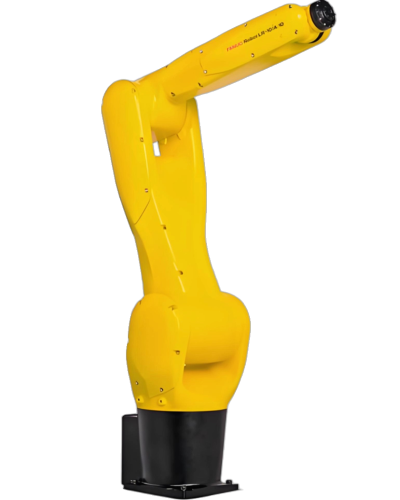
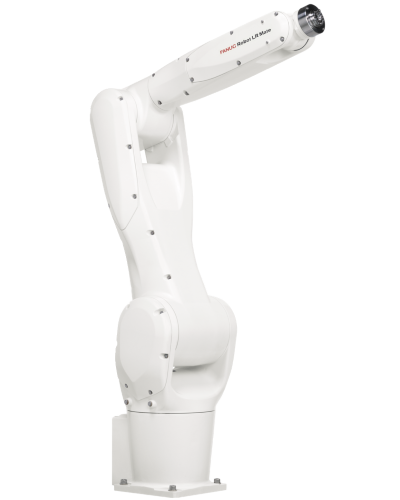
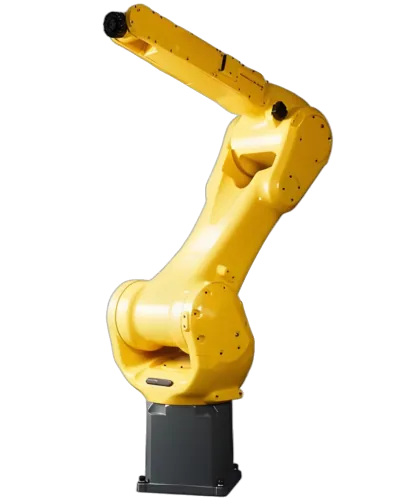
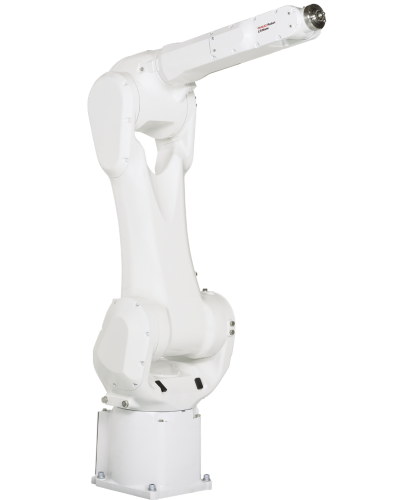
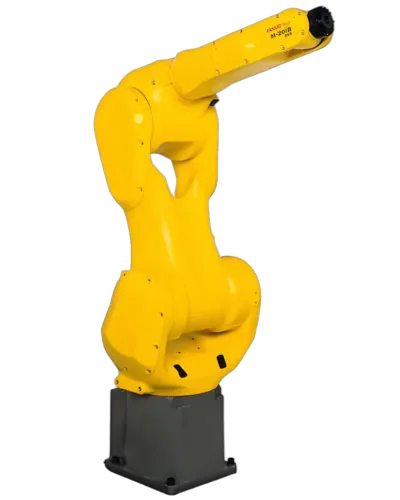
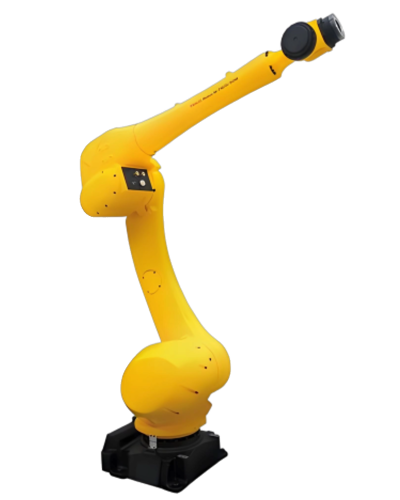
LR Mate series
Multiple flexible installation methods, factory layout just as you expect
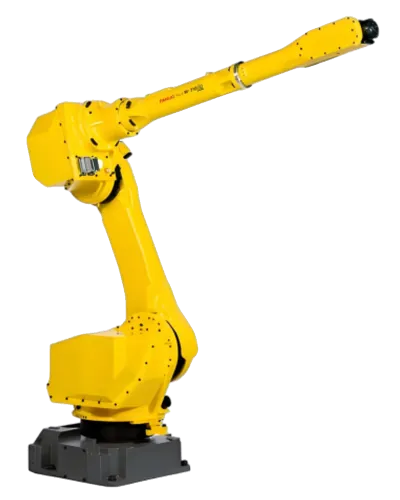
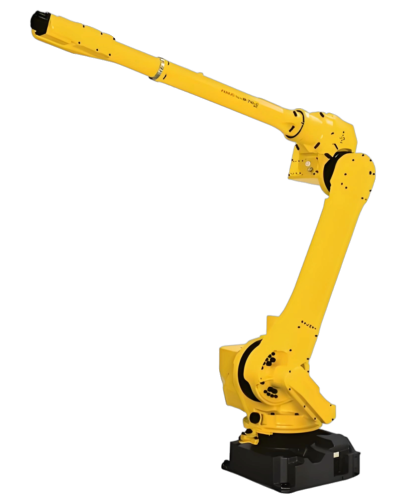
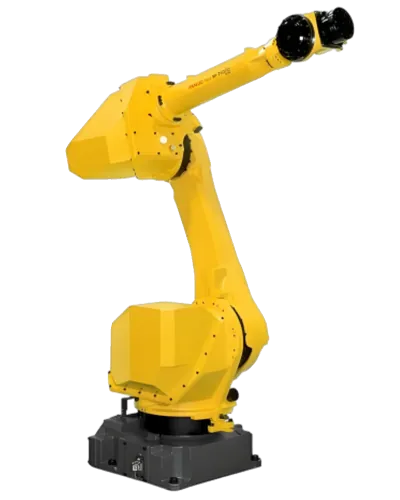
M-710 series
Long-radius rigid arm capable of handling medium to large workpieces over long distances
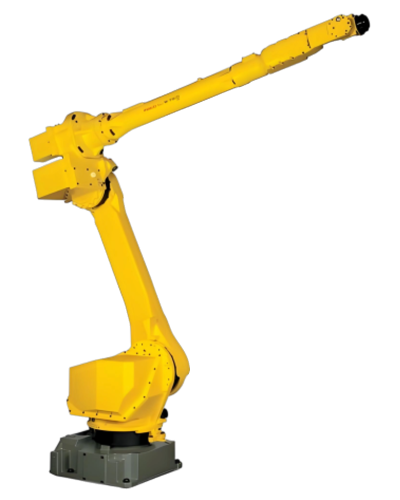
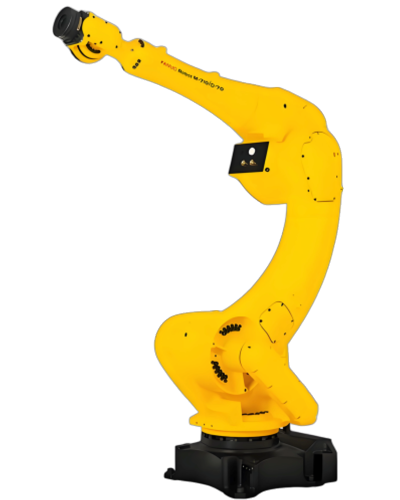
M-800 series
Absolute positional accuracy leaps with precise compensation for workpiece deviations
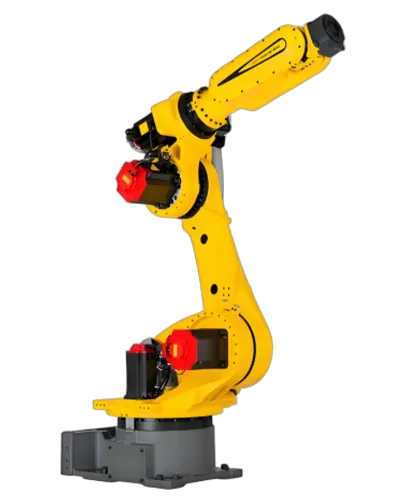
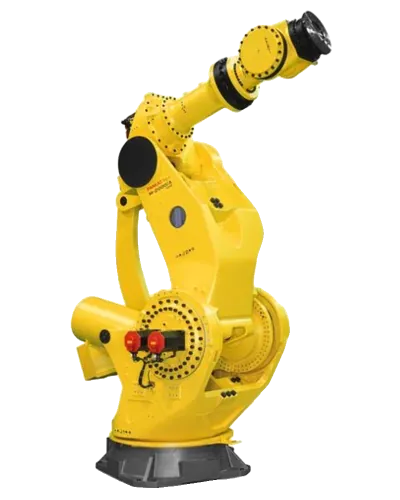
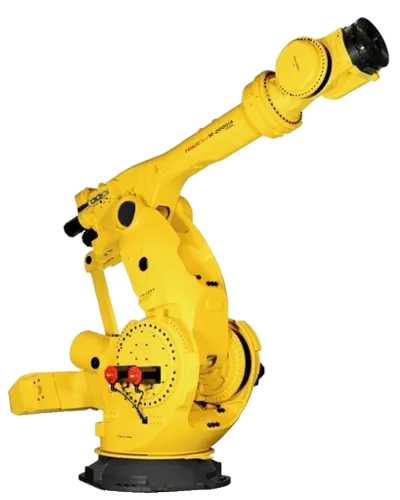
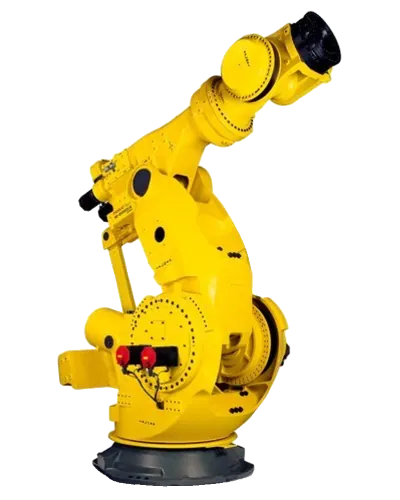
M-1000, M-2000 series
High-strength arm mechanism: wide lateral and longitudinal motion range + ultimate load in one
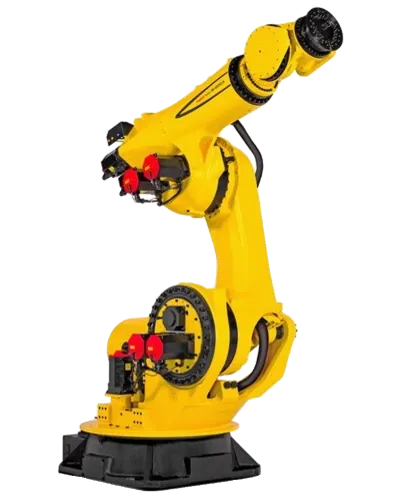
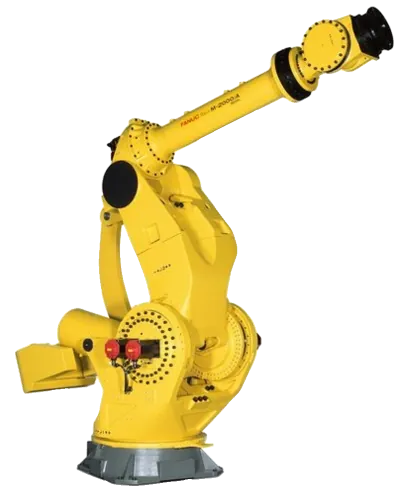
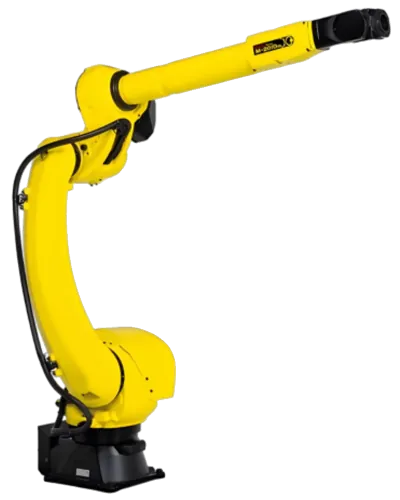
M-20 series
Proprietary gear drive mechanism for highly stable joint movement
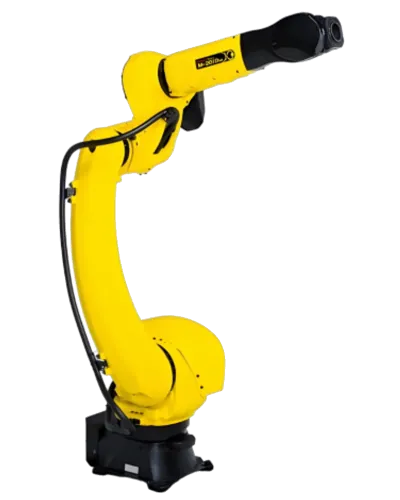
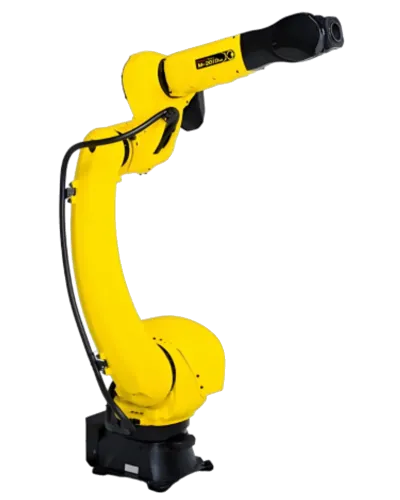
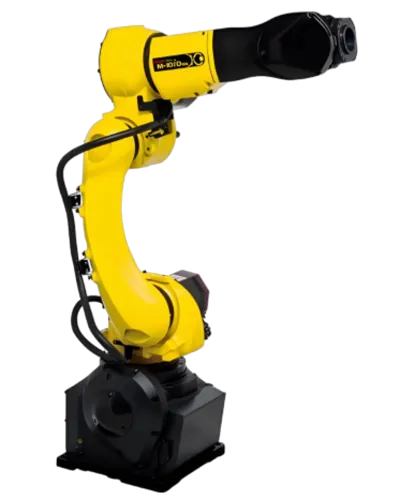
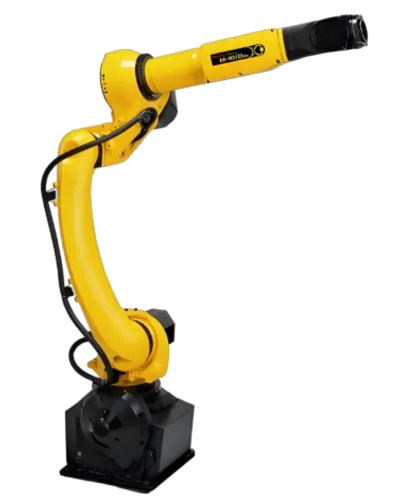
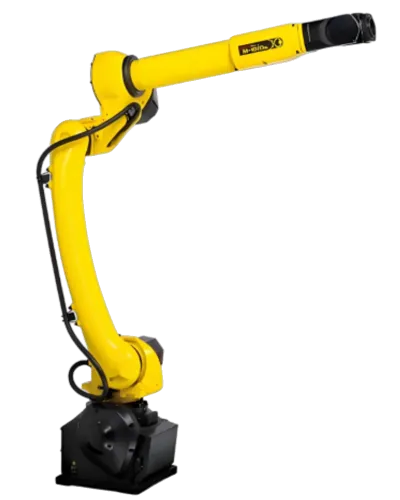
M-10 series
Lightweight machine structure allows flexible layout in narrow processing scenarios
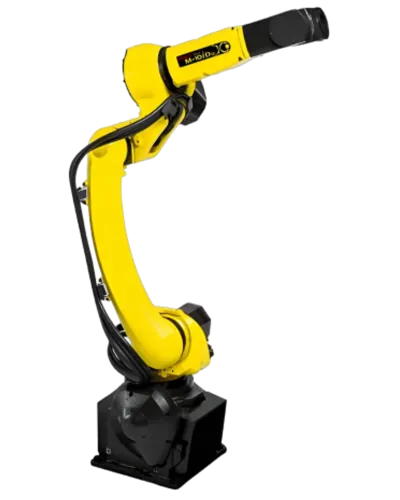
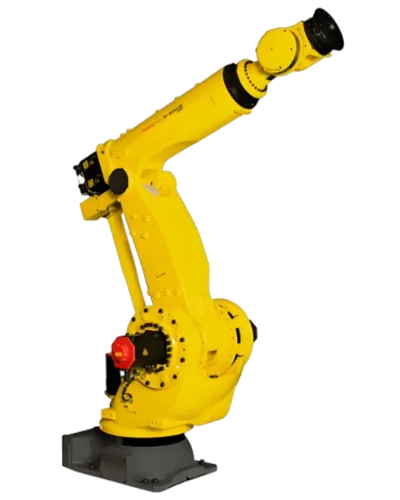
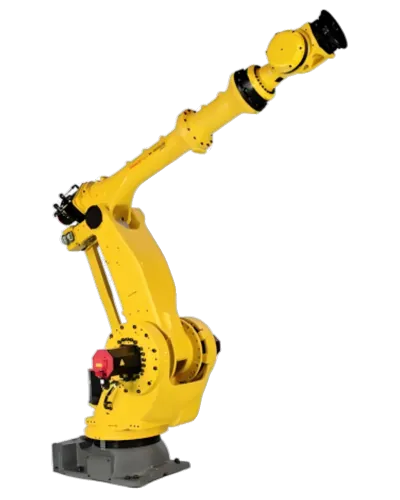
M-900, M-910, M-950 series
Heavy workpieces are easily handled, flexible and flexible, with a wide range of application scenarios
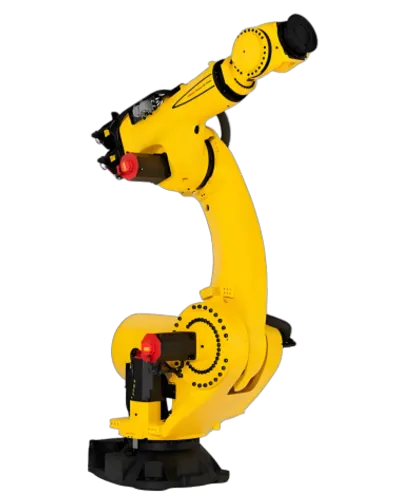
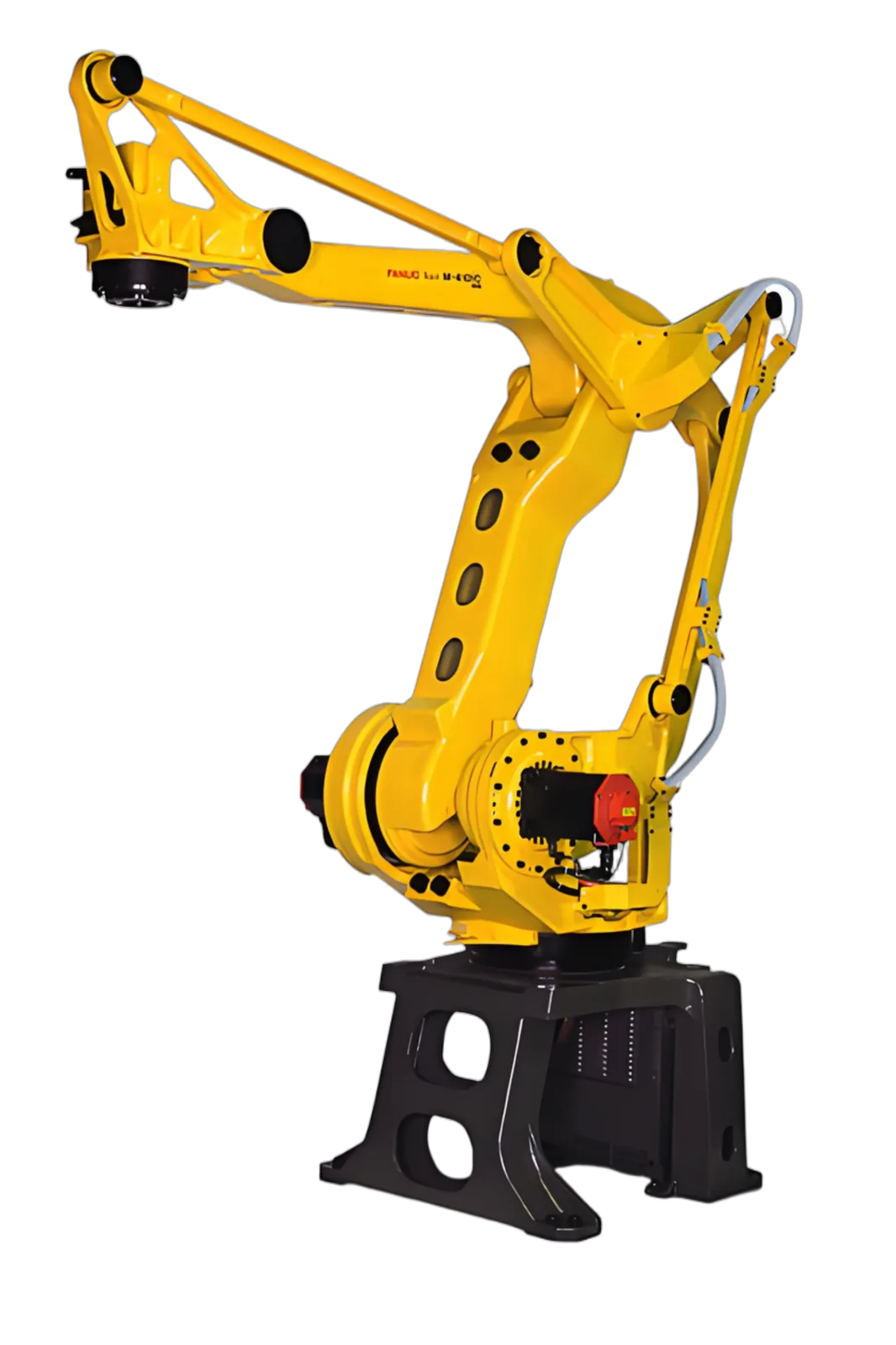
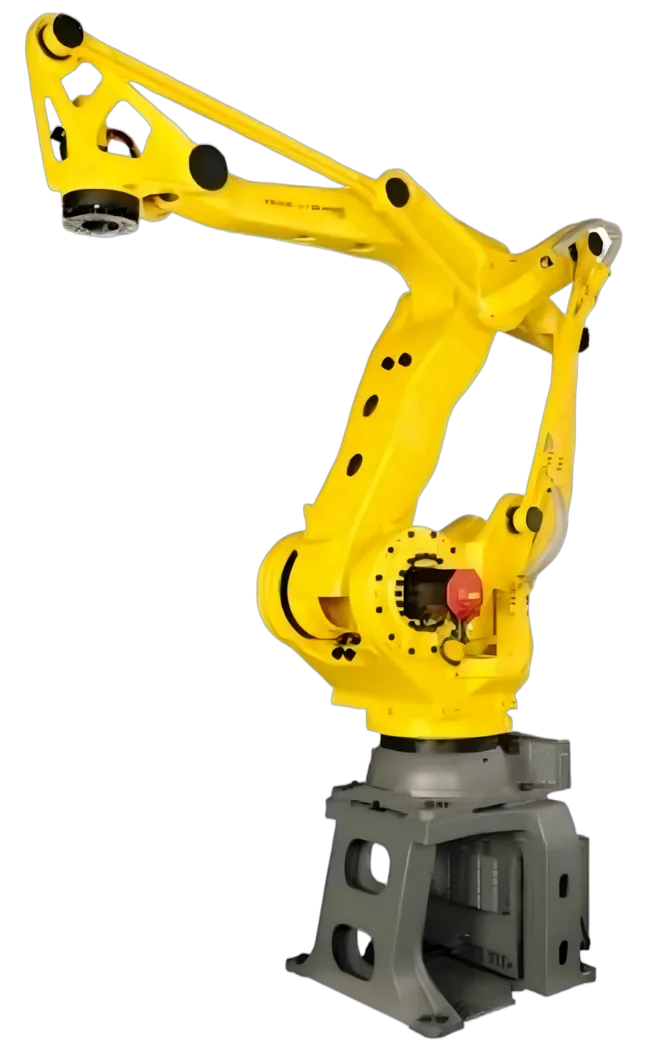
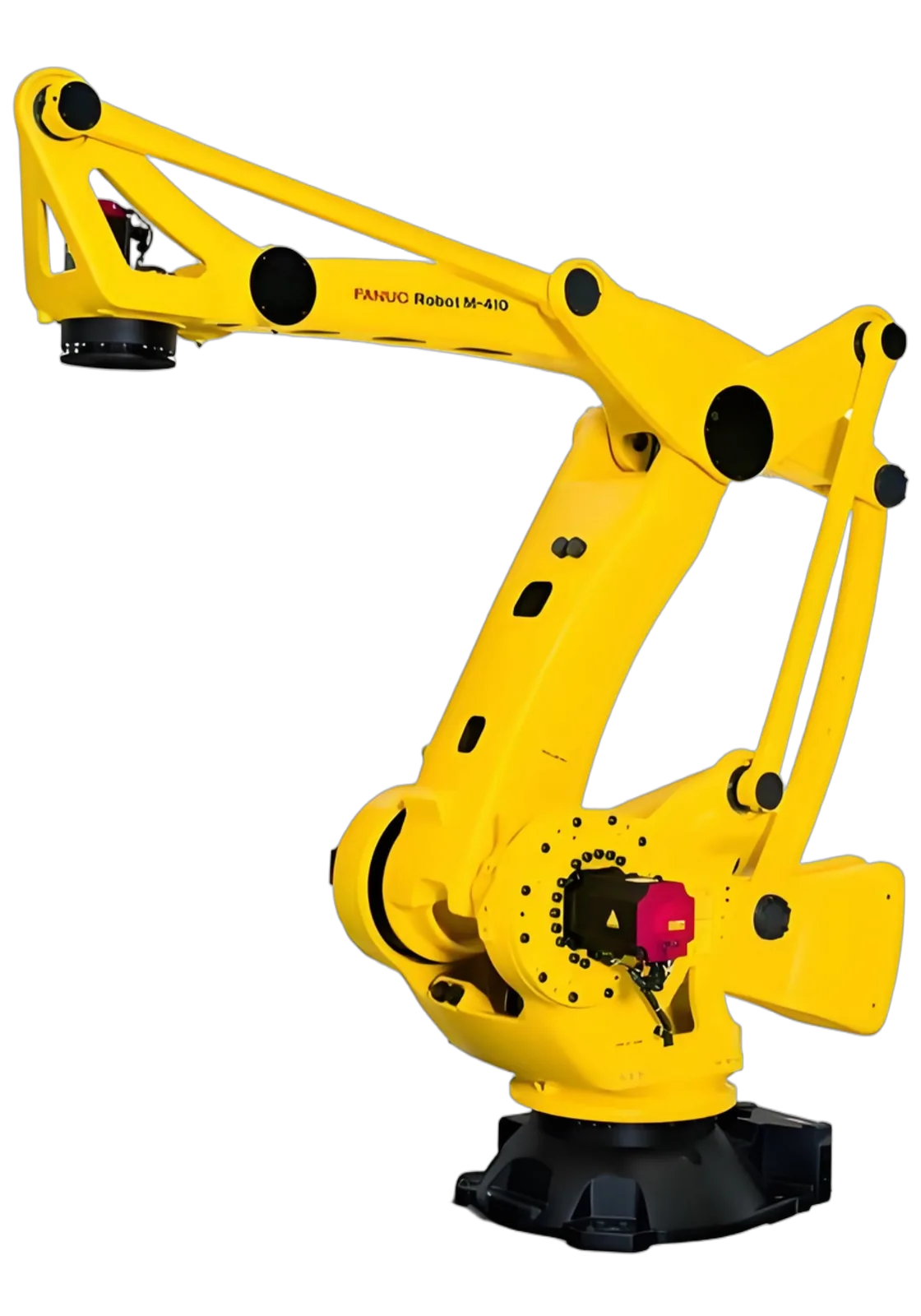
M-410 series
Special series for palletizing and depalletizing: ultra-high handling speed, supporting handling of up to 800kg heavy loads
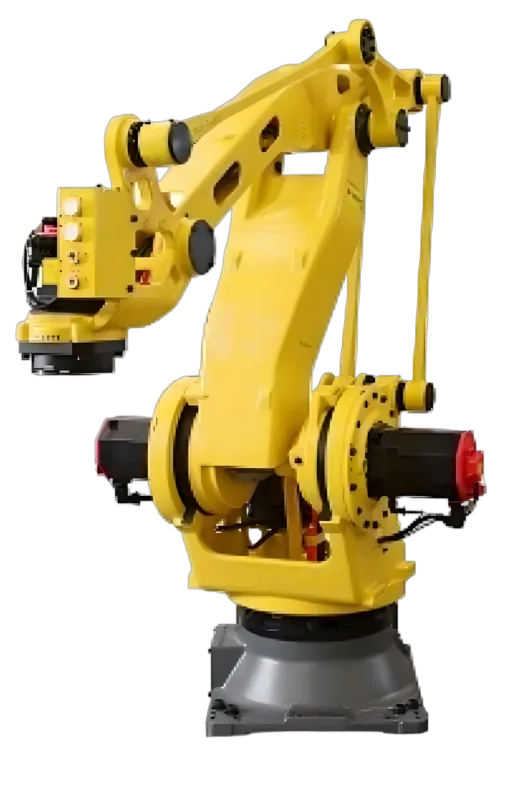
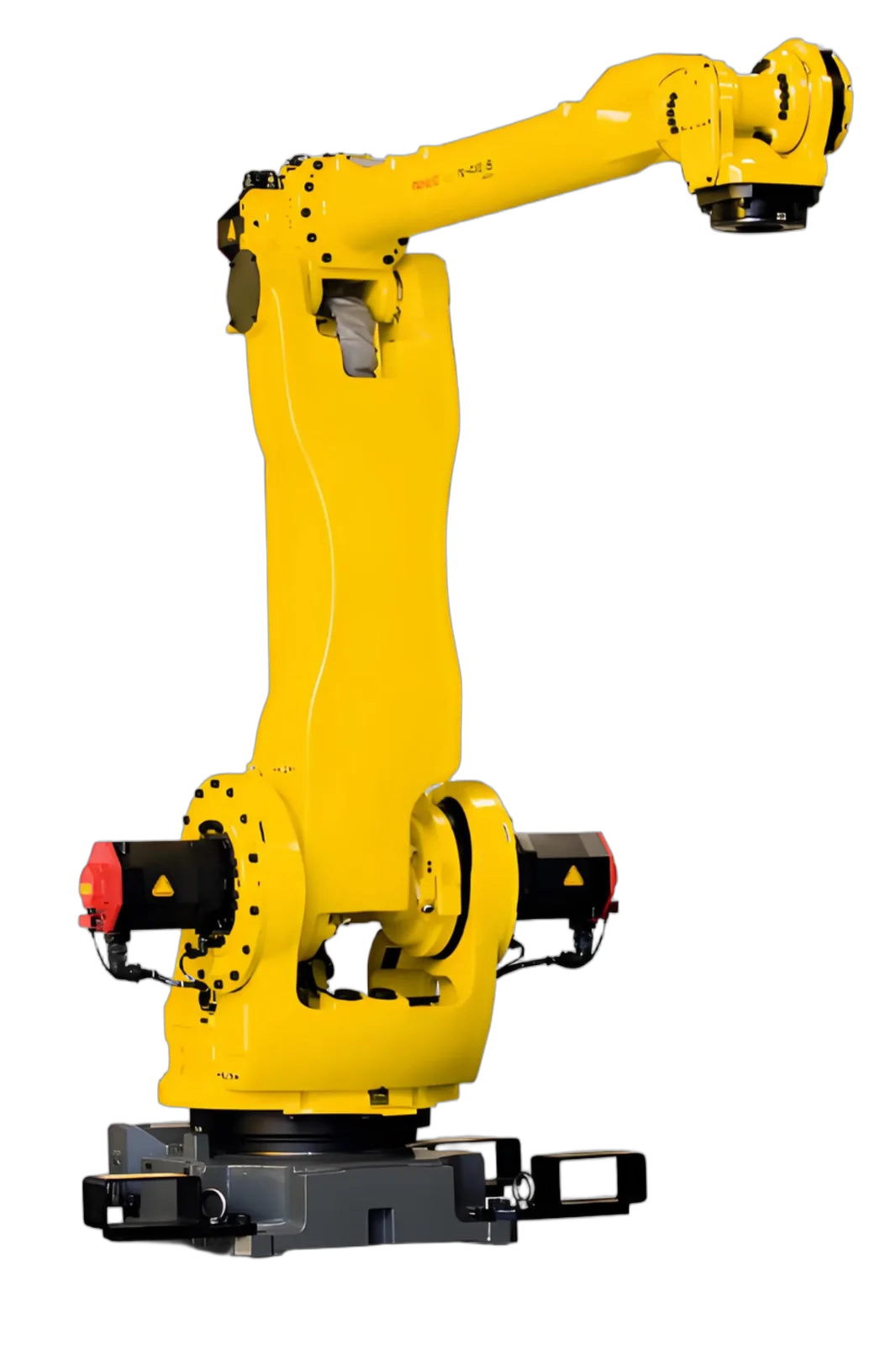
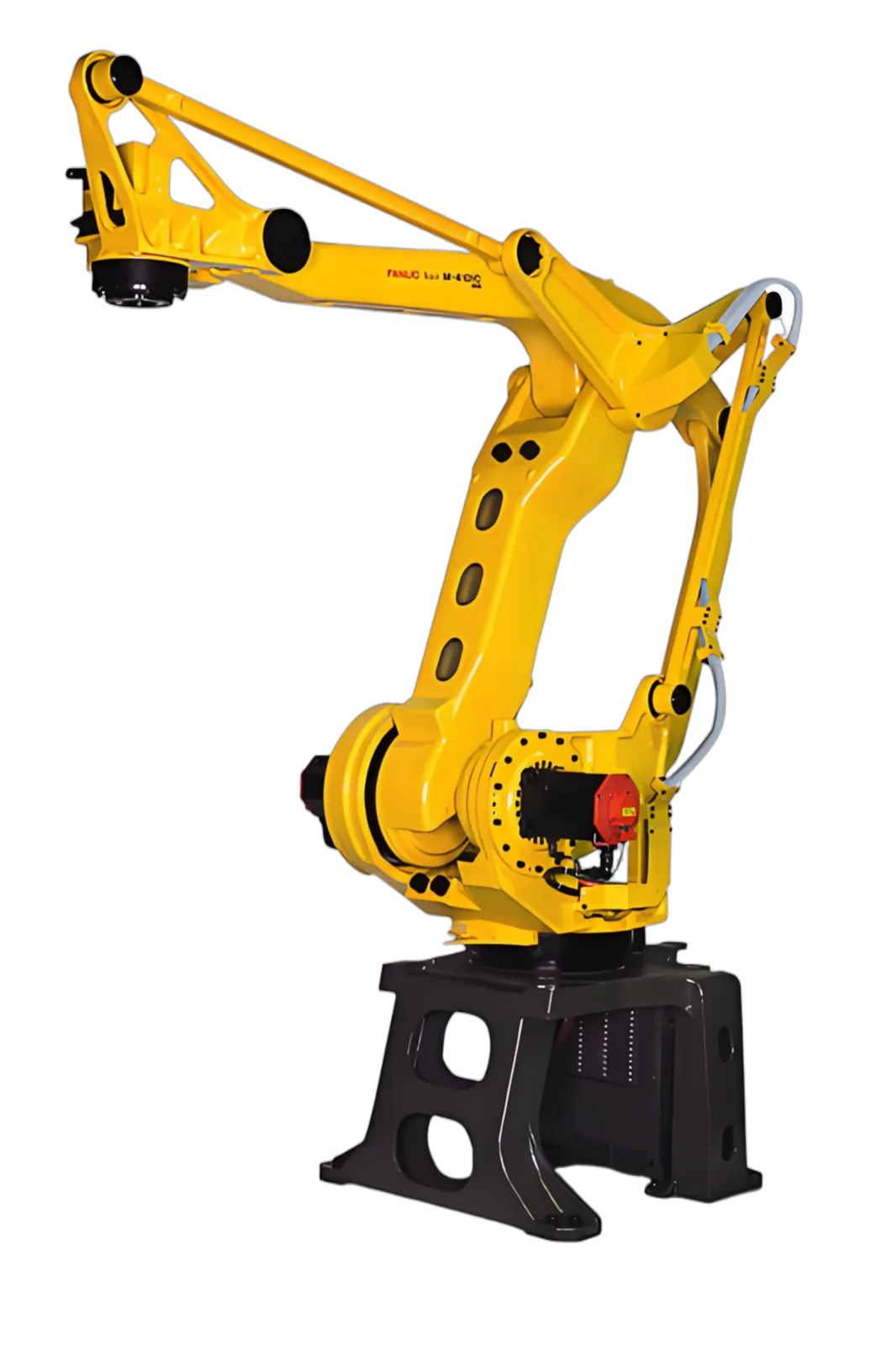
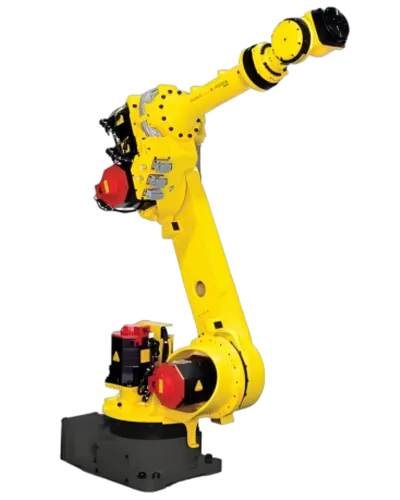
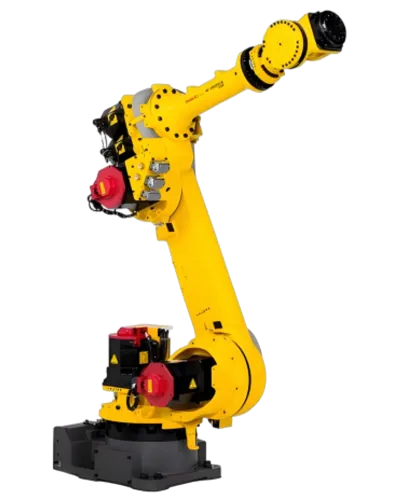
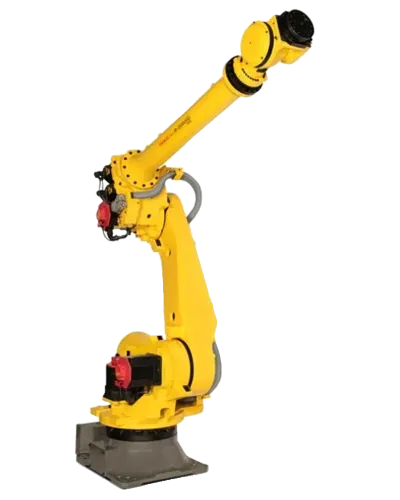
R-1000 series
Stable and coordinated operation to build an industry-leading high-speed spot welding system
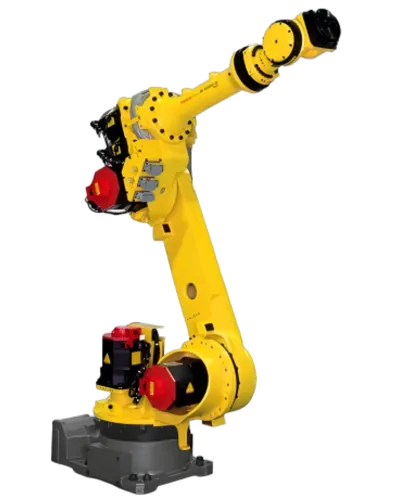
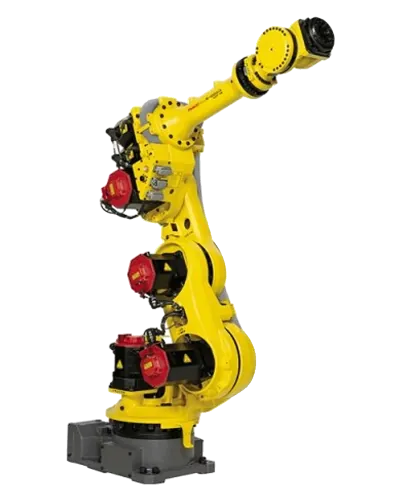
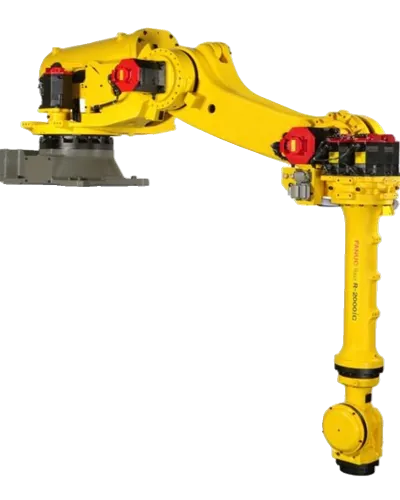
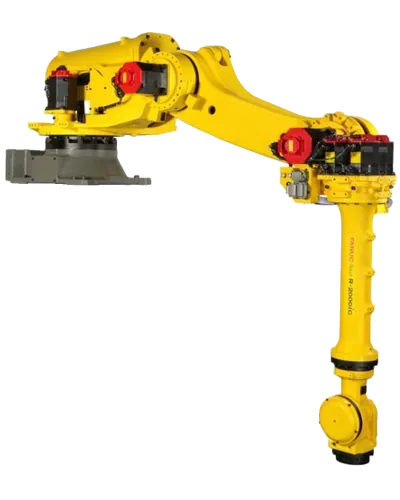
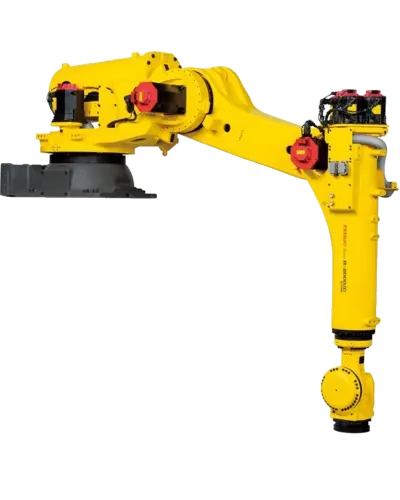
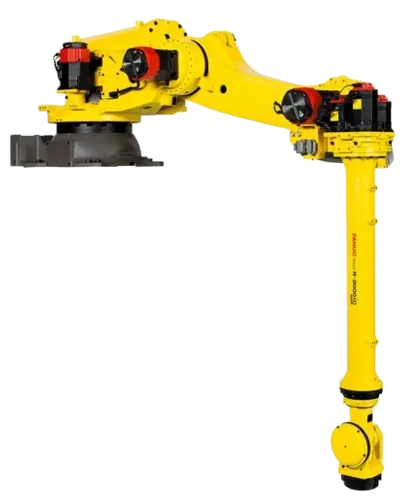
R-2000 series
Extremely lightweight all-purpose robot with a compact structure and excellent performance
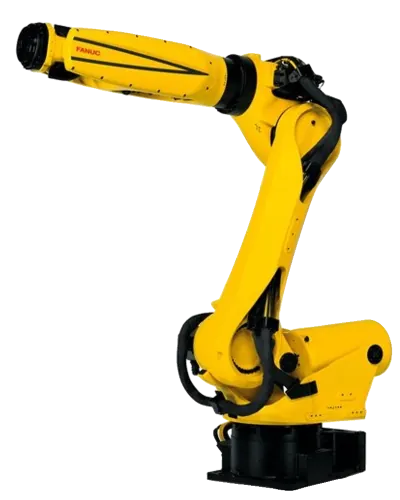
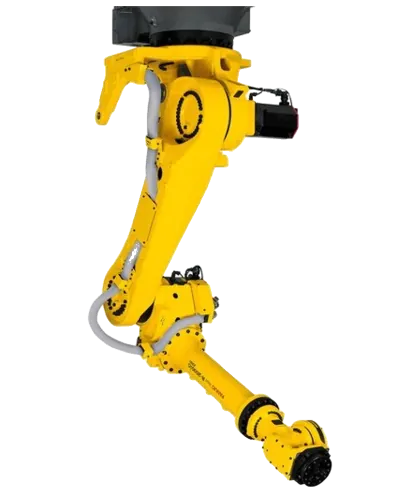
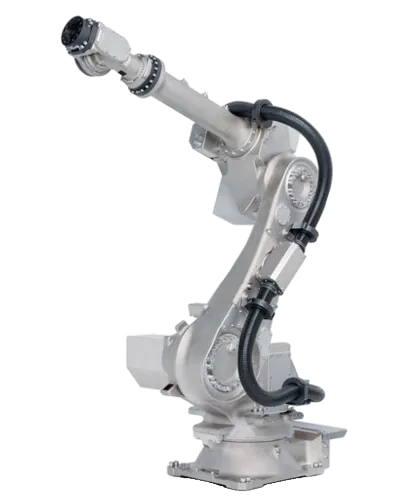
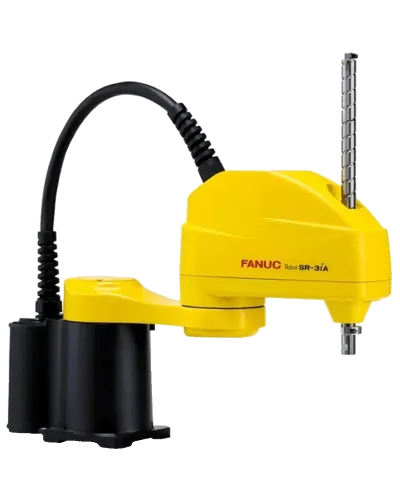
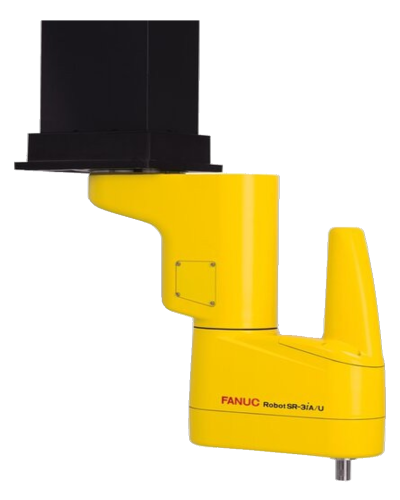
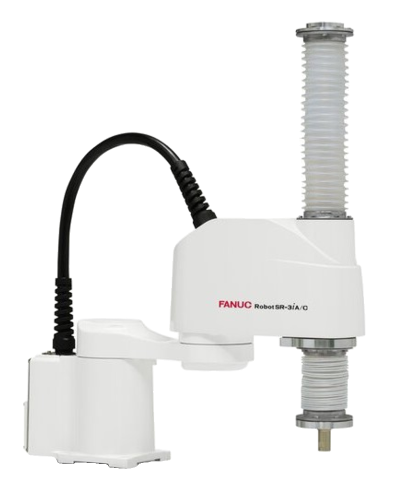
SR-3 series
Dual-effect speed and precision in one: 360° handling and sorting without blind spots
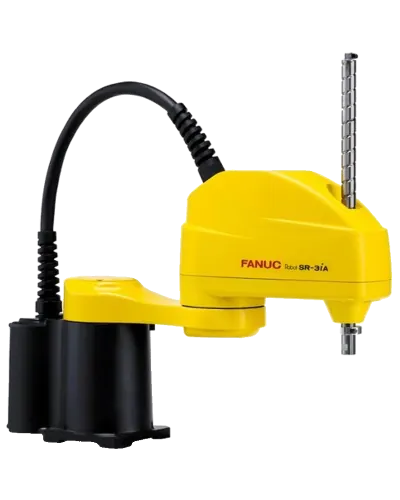
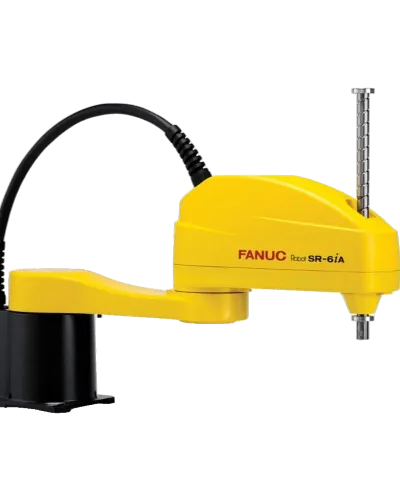
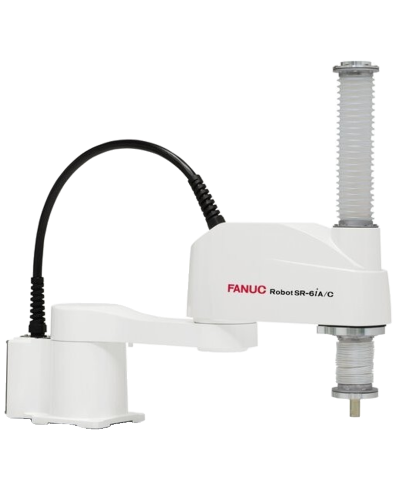
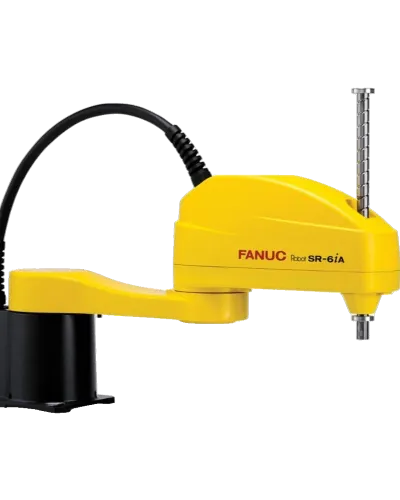
SR-6 series
± 0.01mm high-precision positioning ensures precise assembly and seamless fit
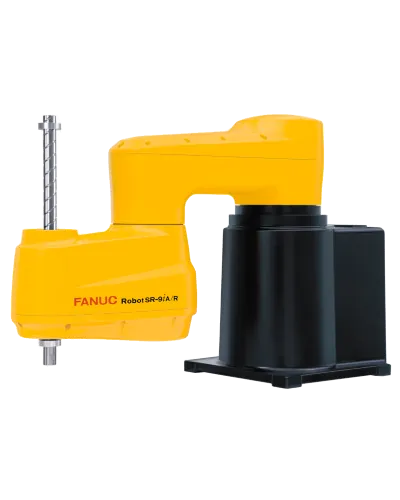
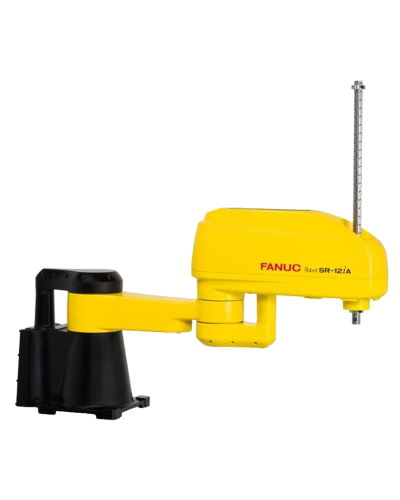
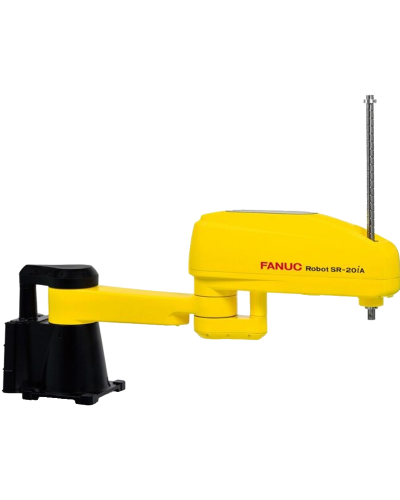
SR-9, SR-12, SR-20 series
Upgraded load + compact structure, easily adaptable to production line layouts
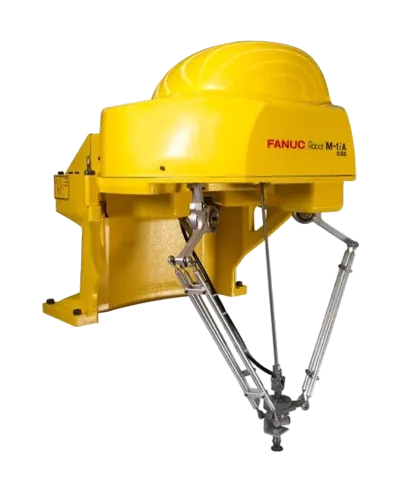
DR/05 series
Lightweight body + integrated vision enables sorting of small parts in various scenarios
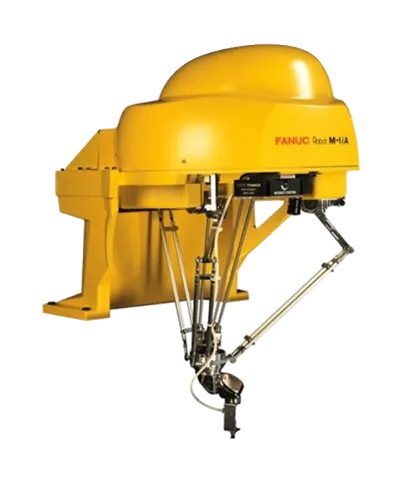
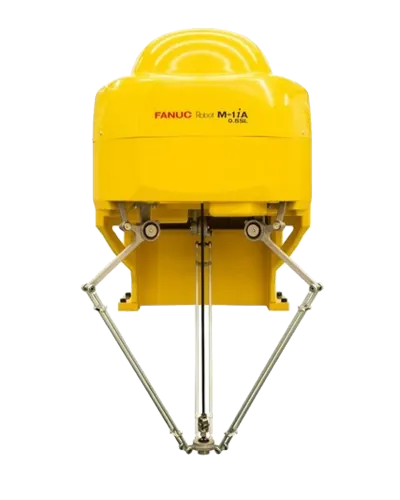
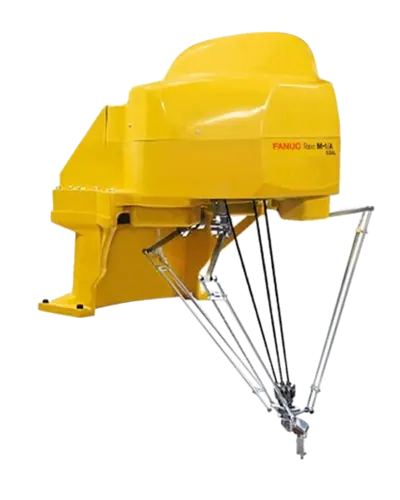
DR/3, DR/6 series
Resistant to acid and alkali on the surface of the body, meeting the disinfection needs of the food industry
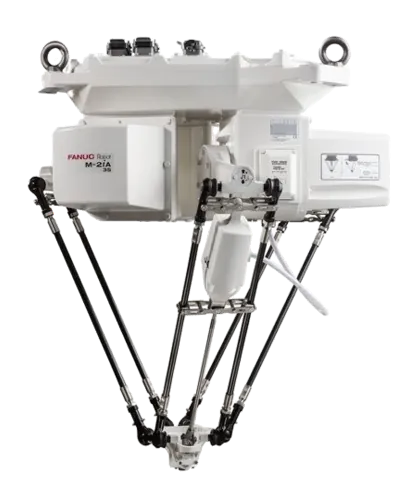
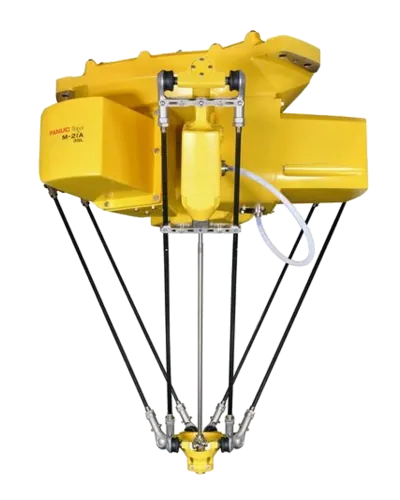
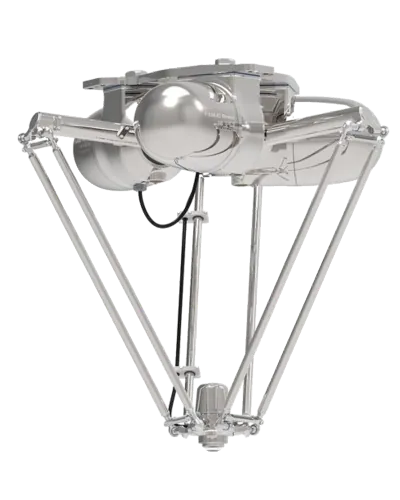
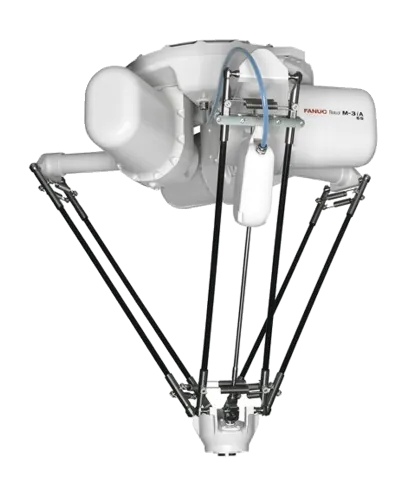
DR/8 and DR/12 series
High-load, high-speed clean models, a reliable assistant for cleaning scenarios
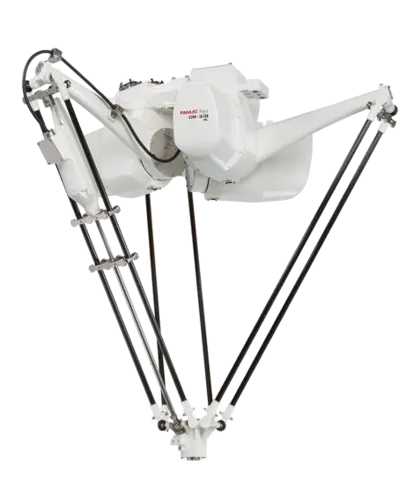
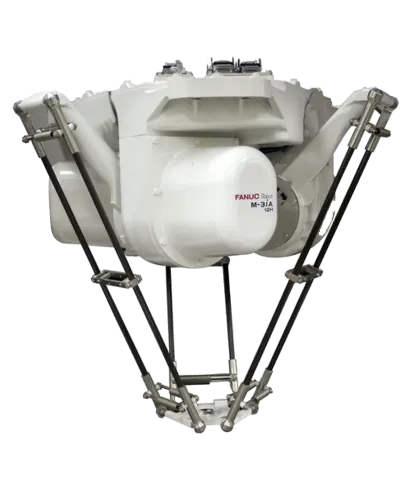
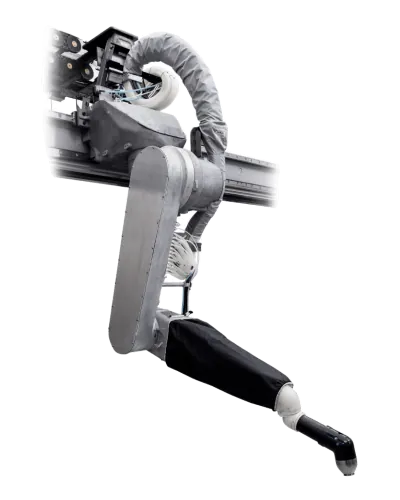
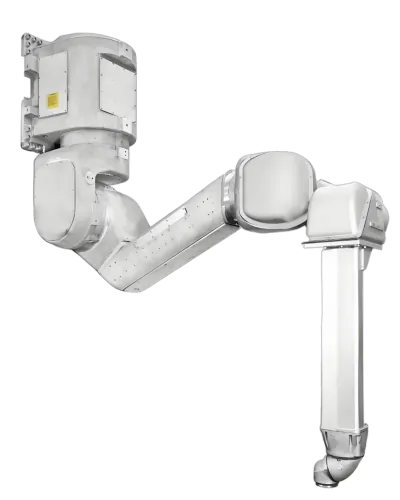
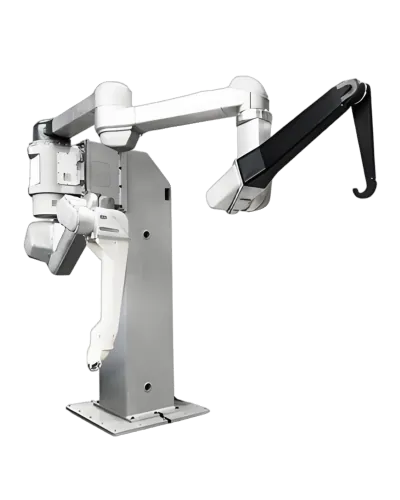
Automotive Spray Series
Multi-machine collaborative stable spraying, comprehensive coating coverage of composite systems
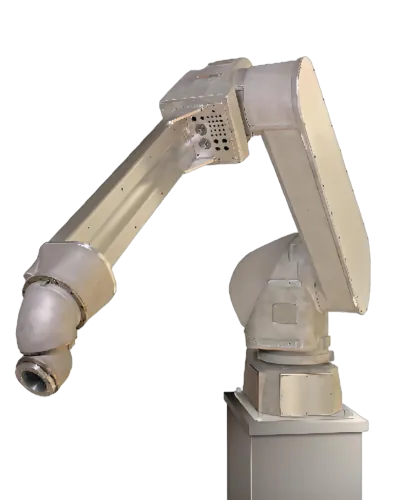
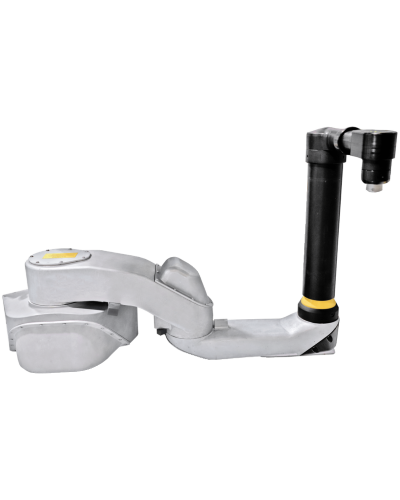
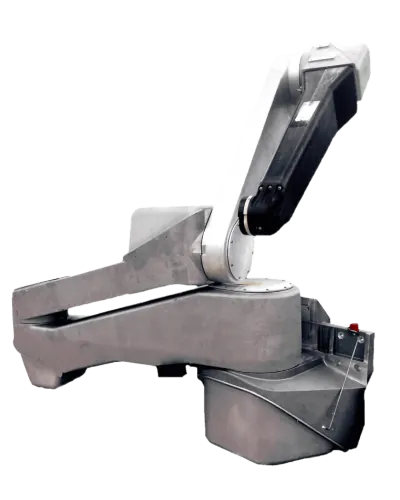
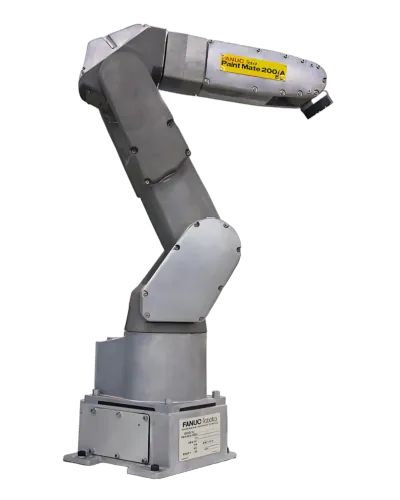
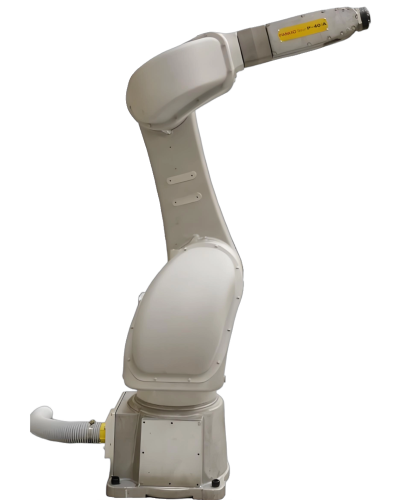
General industrial spraying series
Flexible joint all-around spraying enriches the paint surface quality with rich supporting features
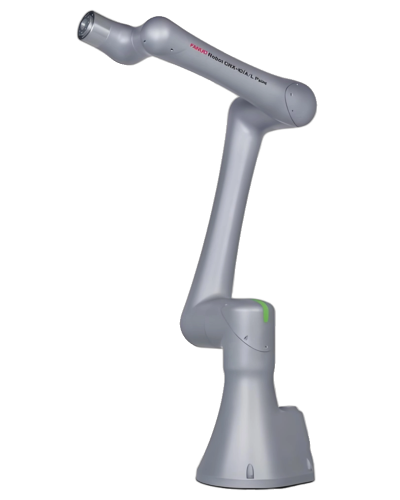
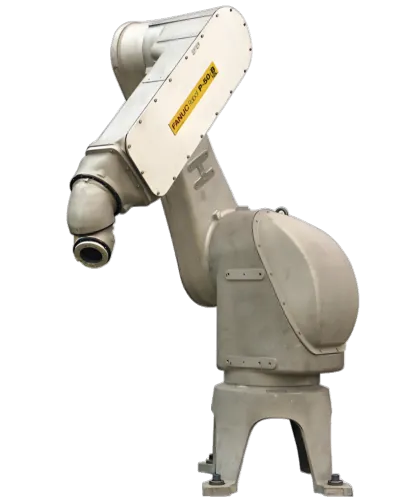
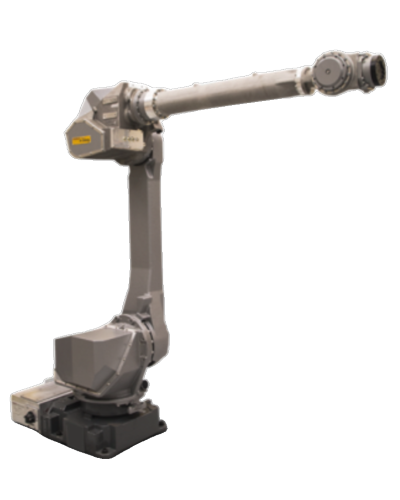
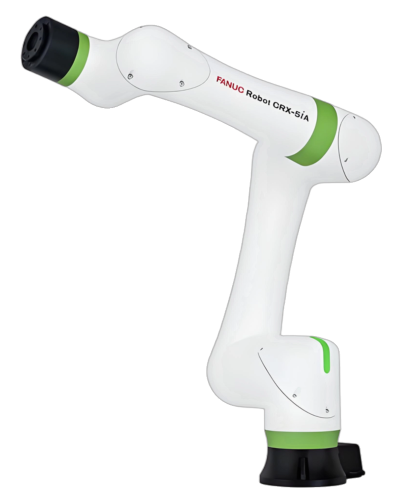
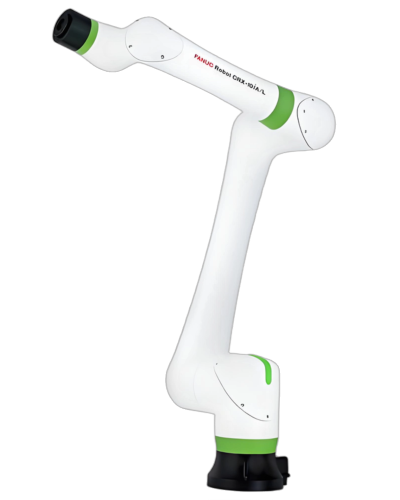
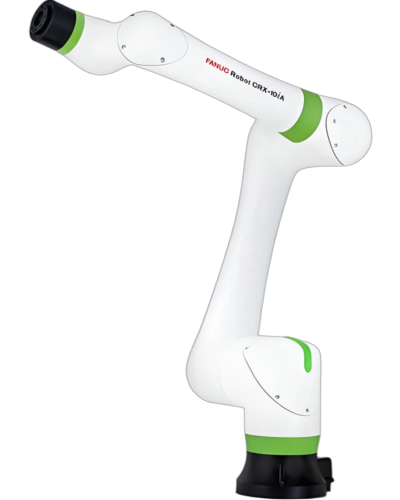
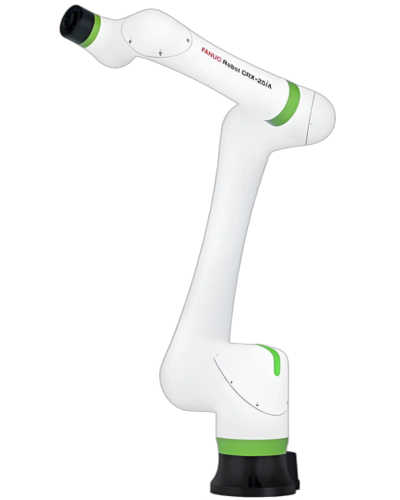
CRX series
Simple drag-and-drop teaching optimizes programming and commissioning workflows
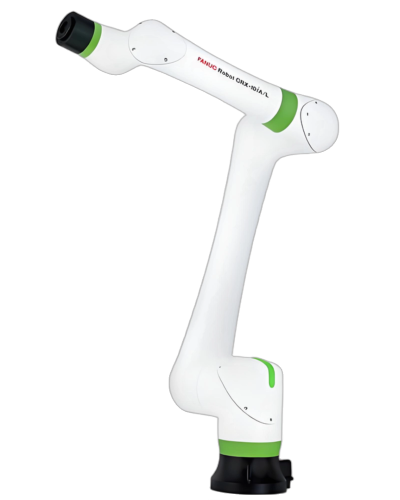
CR series
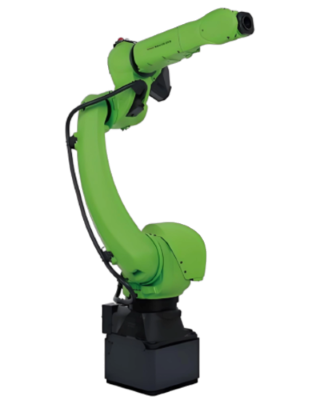
50kg excellent payload meets the collaborative needs of medium-scale processing scenarios
Core technology
R-30iB Plus / R-50iA controllers, high-rigidity arms, hollow wiring, IP67 protection, zero-downtime ZDT remote operation and maintenance.
Unified hardware and software platform supports robotics, CNC, servo, and vision.
Built-in cables and air pipes reduce wear, enhancing reliability and maintaining a clean appearance.
Adapts to dust, oil mist, and cleaning environments, ensuring long-term stable operation.
Real-time equipment status data for early warnings reduces the risk of unplanned downtime.
Application scenarios
From palletizing and welding to machine tool maintenance, assembly, dispensing, grinding, and quality inspection, FANUC can be quickly deployed to various processes.
Service industry
FANUC is widely used in the following industries, and we can provide model selection and implementation support tailored to local industry characteristics.
Why choose FANUC?
FANUC has long ranked among the top globally in robot ownership, with a mature spare parts and technical service network.
Industry-leading mean break-free operating time, active second-hand circulation, and high retention rate.
Robots, CNC, servo, and vision all share the same controller platform, resulting in low integration costs.
Trusted by global customers
FANUC serves many globally renowned companies (brand logo copyrights belong to each company).
Service support
Providing full lifecycle services for FANUC robots, including selection, commissioning, operation and maintenance, training, and spare parts.
Process validation, workstation solutions, programming and teach-in and production ramp-up support, and turnkey delivery of robot applications.
Learn more → Sales of new industrial robotsAuthorized-style sales of brand-new mainstream robots with selection support for new production lines and capacity expansion.
Learn more → Research and development of automation equipmentResearch, development, integration, and delivery of end-effectors, conveyor positioning, safety peripherals, and complete control systems.
Learn more → Research and development of algorithms and control systemsMotion planning, machine vision, and PLC/SCADA system development to address takt-time bottlenecks, accuracy, and data interconnection.
Learn more → Robot rentalShort-term rental, long-term rental and lease-to-own for in-stock models, long-term rental, and lease-to-purchase transfer, including transportation, installation, commissioning, and lease-term maintenance.
Learn more → Software and hardware upgrade servicesController retrofits, software and firmware upgrades, mechanical refurbishment, and safety upgrades restoring performance to older equipment.
Learn more → Maintenance and repairOn-site inspection, fault diagnosis and repair, and annual maintenance contracts covering 1,310 models from 21 brands.
Learn more → Used & in-stock robot salesWe buy back used robots and handle inspection, refurbishment and resale; every unit ships with inspection records and a warranty, and trade-ins can offset new purchases.
Learn more →FANUC FAQs
Focusing on the selection, maintenance, spare parts, and second-hand distribution of FANUC equipment, we answered the most frequently asked questions from customers.
How to recover a lost Zero Point robot from Fanuc? What is the SRVO-062 alarm?
SRVO-062 (BZAL) means the encoder's backup battery is dead, the pulse count is lost, and the zero point is lost along with it. After replacing the battery, perform zero reset: rotate each axis to the zero scale on the device body and calibrate the zero point in MASTER/CAL. For models with batteries that still have power and haven't completely drained, most models can directly set the zero point on a single axis, which is much easier. After marking, don't rush to start production; the interference zone and soft limit must be revisited to avoid collisions.
How to choose between the Fanuc R-30iB Plus and R-50iA?
FANUC allocates cabinets by model size: small machines use R-50iA Mate for LR Mate, medium M-10 and M-20 are mostly R-50iA (A, B, C cabinets) or R-30iB Compact Plus, and heavy-duty M-900 and R-2000 use R-30iB Plus (A cabinet). The two generations of hardware are not interchangeable; before ordering parts, you must first register the counter model; just reporting the robot model does not match the number. We are not an authorized agent for Fanake; we follow three routes: dismantling parts, third-party spare parts, and OEM orders. R-30iB series parts are easier to find, while R-50iA new parts have longer ordering cycles.
How long does it take to repair a Fanuc robot? Is it easy to find accessories?
FANUC has a large domestic supply, with relatively smooth channels for commonly used components such as batteries, cooling fans, teach pendant cables, and I/O boards; For large components like servo amplifiers and motherboards, production models are much easier to order than discontinued models. We don't set a set number of days—for board-level repairs, we fix them first; for parts that need replacement, we calculate the order cycle. After inspection, we give an estimate, without rushing to announce the time. The service center is in Nanchong, and customers from Sichuan, Chongqing, Yunnan, and Guizhou can arrange on-site testing; Guangzhou Henghuan Technology Co., Ltd. provides business and technical support.
What processes are FANUC robots suitable for? Which industries use it the most?
There are 104 models on sale, with payloads ranging from 4kg to 2300kg. LR Mate (4-35kg) for small parts assembly and machine tool loading and unloading; Arc welding and spot welding are our strengths; ARC Mate, R-1000, and R-2000 are common in automotive parts lines; There is a dedicated M-410 series for palletizing, with a maximum weight of 800kg; Food and pharmaceutical products come in Food Clean and Wash versions; SCARA's SR-3iA, SR-6iA, and parallel DR series for high-speed sorting; In dusty and oil mist environments, IP67 models can be installed.
How is the resale value of second-hand Fanuc robots? What should you look for when buying second-hand goods?
Fanuke is the most widely circulated brand in the used robot market, with many repair technicians and easy to find. Its value retention ranks among the top among Japanese brands. When inspecting the machine, pay attention to three key points: whether the reducer has abnormal noises or backlash, whether the control cabinet type is still in production, and whether the system has a combination lock. If the cabinet model is discontinued after more than ten years of production, the price will drop significantly. Prices are determined based on equipment model, fault condition, and repair plan. After inspection, a quotation will be issued, without looking at photos.
What are the most common types of faults in Fanuc robots?
Based on our experience, the first row is: encoder backup battery depleted causing zero loss, corresponding to SRVO-062 and SRVO-038; The RV reducers of heavy-duty models M-410 and R-2000 show wear, manifesting as increased backlash and abnormal noises; Aging of servo amplifier fans and capacitors is more common in summer; The teach pendant cable has been bent and broken for a long time. Additionally, emergency stop alarms like SRVO-001, 002, and 003 are mostly not with the robot itself, but with external safety circuits.
Can old Fanuc discontinued models still be repaired? Are there any accessories left?
It can be repaired, but the cost must be calculated separately. Mechanical parts have no major issues; reducers, gears, and seals can all be handled; The challenge is the electronic control—the discontinued cabinet models like the R-J3iB and R-30iA are no longer officially supplied, so you can only find disassembled parts or do board-level repairs. Whether you find them is up to us. It's recommended to conduct a comprehensive inspection first to determine whether it's a local fault or systemic aging, and then decide whether to repair or replace the entire model. It's better to calculate this cost clearly than to fix it directly.
Get the FANUC robot solution
Tell us about your payload, reach, and application scenarios to get recommended matching models.
Contact Henghuan