
Dispensing
Industrial robot dispensing process: application points, process essentials, and practical cases
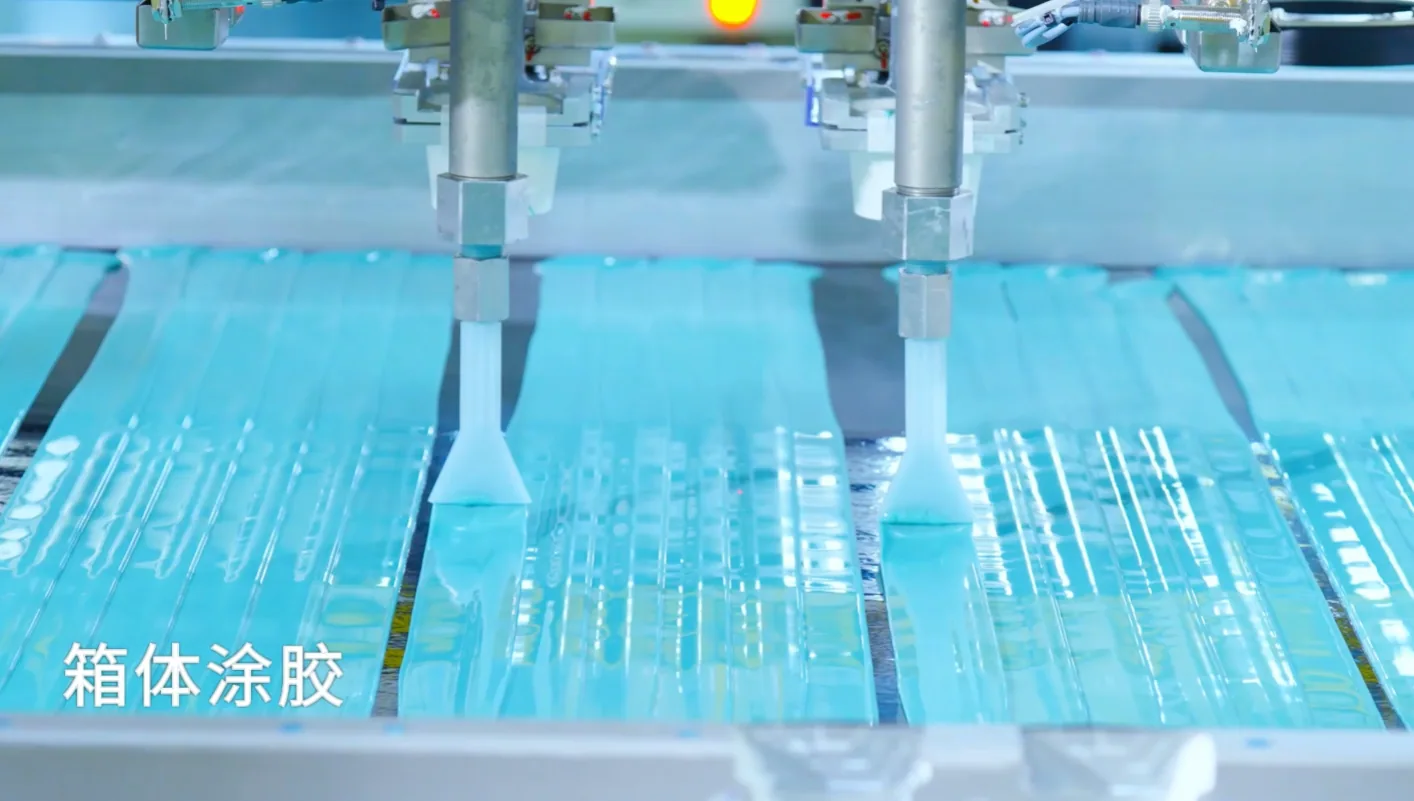
Application Overview
Robotic dispensing is a precise process that quantitatively coats fluids such as glue, sealant, and thermal conductive materials along preset trajectories—covering a wide range of fields including 3C electronics (bottom filling, dam filling, encapsulation), automotive (glass gluing, sealing), home appliances (panel bonding), and new energy (battery pack thermal conductive and sealant). The core indicators of dispensing quality are threefold: trajectory position accuracy, consistency of glue line cross-section, and controllability of start and end points.
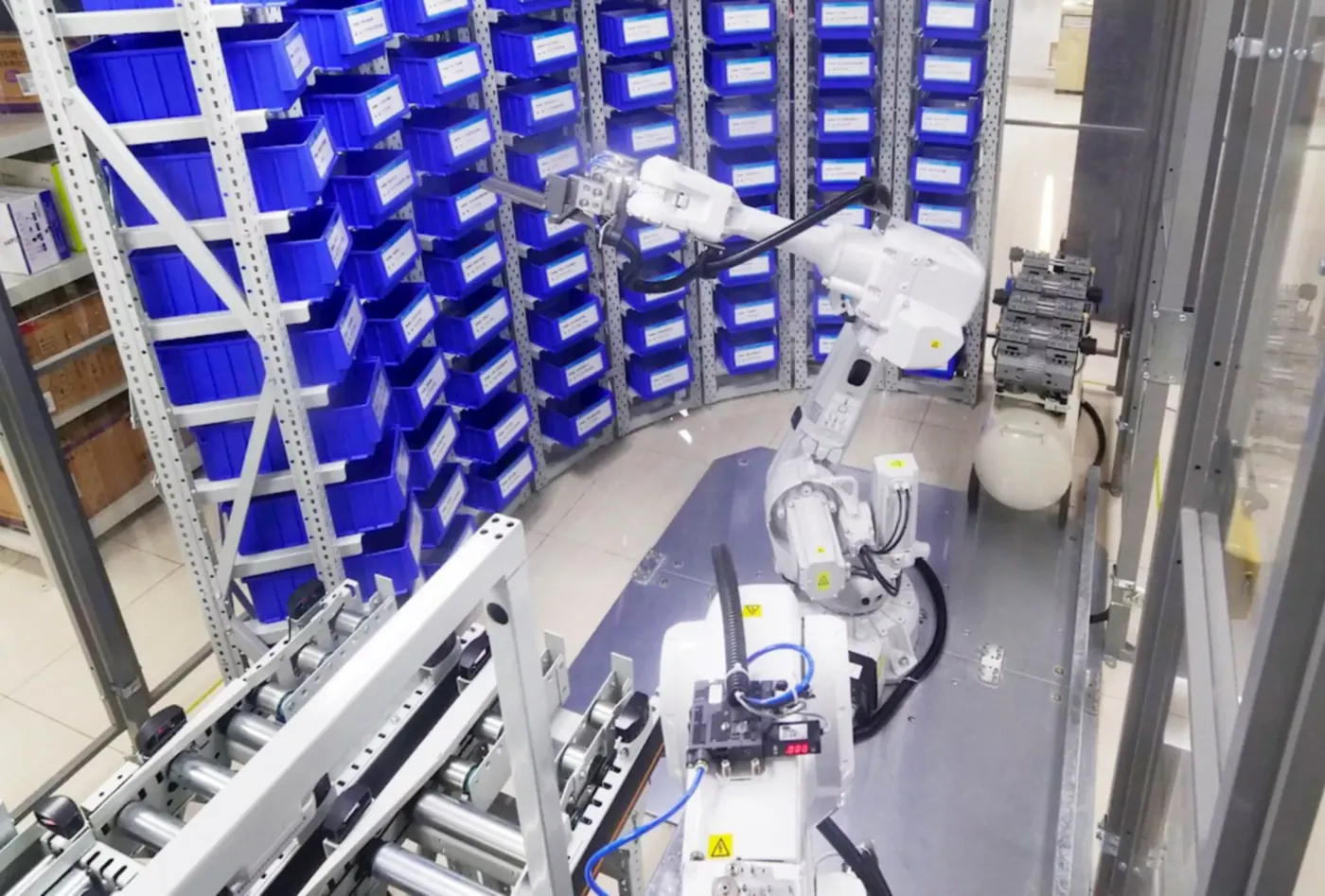
Key points of application
Compiled from official brand application materials, source has been annotated.
Process validation, workstation solutions, programming and teach-in and production ramp-up support, and turnkey delivery of robot applications.
Learn more → Sales of new industrial robotsAuthorized-style sales of brand-new mainstream robots with selection support for new production lines and capacity expansion.
Learn more → Research and development of automation equipmentResearch, development, integration, and delivery of end-effectors, conveyor positioning, safety peripherals, and complete control systems.
Learn more → Research and development of algorithms and control systemsMotion planning, machine vision, and PLC/SCADA system development to address takt-time bottlenecks, accuracy, and data interconnection.
Learn more → Robot rentalShort-term rental, long-term rental and lease-to-own for in-stock models, long-term rental, and lease-to-purchase transfer, including transportation, installation, commissioning, and lease-term maintenance.
Learn more → Software and hardware upgrade servicesController retrofits, software and firmware upgrades, mechanical refurbishment, and safety upgrades restoring performance to older equipment.
Learn more → Maintenance and repairOn-site inspection, fault diagnosis and repair, and annual maintenance contracts covering 1,310 models from 21 brands.
Learn more → Used & in-stock robot salesWe buy back used robots and handle inspection, refurbishment and resale; every unit ships with inspection records and a warranty, and trade-ins can offset new purchases.
Learn more →Typical application scenarios for dispensing automation
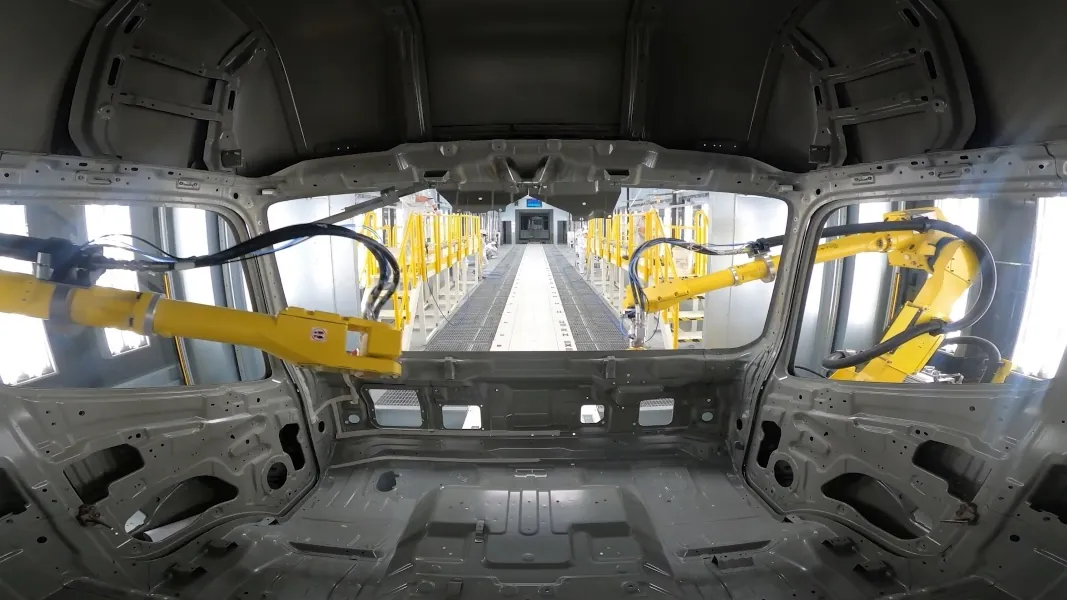
Below are representative dispensing automation scenarios from the Henghuan team and industry practice (customer names are usually omitted), organized by "Background Pain Points → Implementation Plan → Implementation Results" for enterprises with similar needs to reference and evaluate.
| Scene | Background and pain points | Implementation plan | Implementation results |
|---|---|---|---|
| A power battery company in Yibin · Module thermal conductive adhesive coating | The top of the battery module uses a large amount of thermal conductive adhesive (over 50g) per piece, and the ratio of two-component polyurethane is strict; bubbles and adhesive shortages can affect thermal conductivity and safety standards. | The six-axis robot is equipped with a two-component plunger valve, with a weighing closed-loop to check glue content for each piece, and online ratio monitoring automatically triggers an alarm and shutdown. | The adhesive process capability index (CPK) is greater than 1.67, the ratio deviation is controlled within 1%, the coating cycle meets production line requirements, and it has passed the OEM process audit. |
| An auto parts factory in Chongqing · Windshield glue wire | The glue application trajectory of automotive windshields exceeds 3 meters, and the uneven glue type and missed sealing caused by manual glue application are high. | The robot is equipped with a jet valve and glass visual positioning, with online glue height detection and automatic trajectory compensation for positioning deviations. | The first-pass pass rate for glue application increased from 92% to 99.6%, the cycle time was shortened by about 40%, and seal repair costs dropped by 80%. |
| A smart hardware company in Chengdu · Chip bottom filling | The bottom of the chip filler requires a trajectory accuracy of 0.2mm, and workshop vibration and temperature fluctuations affect glue quantity consistency, with yield stuck at 97% for a long time. | SCARA is equipped with a jet valve, marble platform for vibration isolation, constant glue temperature control, and visual inspection of glue type after dispensing. | The backfill yield has been improved to 99.8%, glue waste is reduced by about 30%, and the effects of seasonal temperature fluctuations are eliminated by the constant temperature system. |
Industries that commonly use this process
Click to view the overall robot application plan for the industry.
Precision dispensing: triple coupling of glue volume, trajectory, and speed
The difficulty of the dispensing process lies in the fact that "liquids are not as obedient as solids": the viscosity of the glue changes with temperature, the drawing speed is affected by the drawing speed, and the amount of glue is determined by pressure and time together. Precision dispensing (such as bottom filling for 3C electronics, LED packaging, medical device bonding) requires a single dispensing volume error within ±5%, and the uniformity of the strip width for trajectory application is ±0.2mm—this is a must-have dispensing systemMeasurement, temperature control, closed-loop feedbackThree abilities.
Mainstream dispensing solutions are layered by precision: time-pressure type (air pressure + time control, low cost, suitable for scenarios requiring accuracy ±10%), screw valve (volumetric metering, medium-to-high viscosity glue), jet valve (Jet, non-contact high-speed dispensing, single-point 1–10nL grade, standard for high-end 3C production lines). Solution selection is based on glue characteristics (viscosity, filler, curing method) and precision requirements, without blindly trusting expensive equipment.
| Valve type | Applicable viscosity | Accuracy level | Typical applications |
|---|---|---|---|
| Time—pressure valve | 1–50,000cps | Glue content: ±8%–10% | Ordinary bonding, sealing, and low-precision coating |
| Screw metering valve | 10–100,000cps | Glue content: ±3%–5% | Thermal conductive adhesive, epoxy resin, and medium-to-high-precision trajectory adhesive coating |
| Jet Valve | 1–30,000cps | Single point: ± within 3%. | Chip underfill, precision dot matrix, high-speed non-contact dispensing |
| Syringe rotary valve | Medium to high viscosity | Measure according to the rotary valve | Multi-station rotary dispensing, two-component glue |
Key points for process control of robotic dispensing
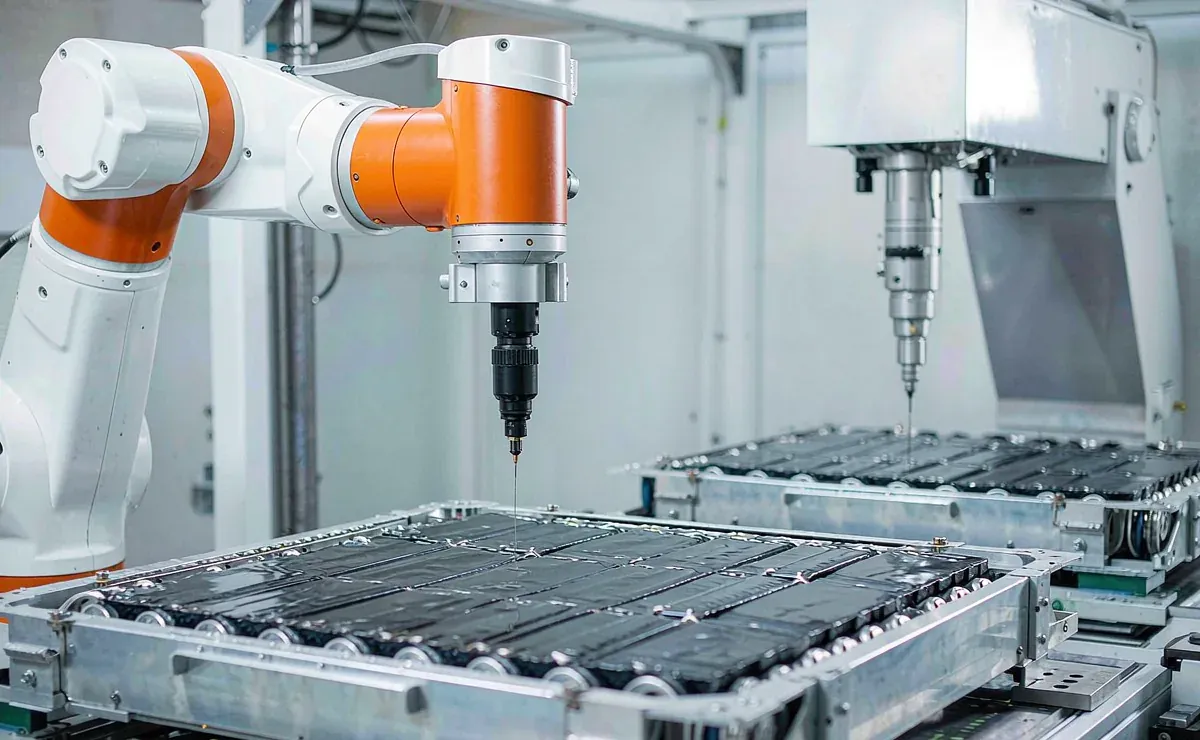
Temperature management:Glue viscosity is temperature-sensitive (viscosity drops by about 3%–5% per 1°L). Rubber drums and pipelines are equipped with constant temperature control, and production lines with large temperature differences in workshops compensate for glue temperature—if the temperature is unstable, any valve cannot be clicked accurately.
Trajectory and Speed Coupling:At corners along the glue application trajectory, the robot's automatic deceleration causes adhesive buildup, requiring look-ahead speed planning to dynamically match glue amount to trajectory speed; The suck-back parameter of the start-stop rubber eliminates drawing and dripping.
Two-component adhesive management:The proportional accuracy of AB glue, the lifespan of the mixing tube, and the pot life of the curing time are specialized topics—the ratio pump is closed-loop metering, the mixing pipe is replaced on time, and the automatic cleaning program during shutdown is all indispensable.
Process Inspection:Dual-layer control with glue weight sampling inspection (electronic scale weighing) + visual re-inspection (strip width and position), with online monitoring of glue quantity for key processes (laser height measurement or visual volume estimation).
Craft Q&A
What should I do if our glue contains fillers (thermal adhesive/silver paste) and easily blocks the valve?
Filler adhesive should be selected for large flow channel screw valves or plunger valves to avoid micron-level flow channels in injection valves; Supporting measures: anti-settling during drum mixing, automatic cleaning program during shutdown, and lifespan management of wear parts (seals/mixing tubes). We verified the matching of packing particle size and the flow channel clearance during the sampling stage.
Insufficient dispensing accuracy—what is the common problem?
Sorted by frequency: glue temperature fluctuation (about 40%), valve parameter mismatch with trajectory speed (30%), incoming material positioning deviation (20%), equipment body accuracy (10%). We use prototyping + parameter matrix testing to quickly identify the main cause, avoiding blind equipment changes.
Can you do curved/3D trajectory dispensing?
Yes. Five-axis/six-axis linkage enables constant surface gluing on surfaces, generating complex trajectories with offline programming; When the surface height changes significantly, laser height measurement provides real-time Z-direction compensation to ensure a constant distance between the glue gun and the workpiece.
In-depth analysis of the dispensing process
A complete dispensing system = robot + glue supply + glue valve + closed-loop process. Mainstream rubber valve types have clear division of responsibilities:Pneumatic time-type valveSuitable for universal dispensing of low-viscosity glues, with a simple structure and low cost;Screw valveSuitable for precise measurement of medium to high-viscosity glues, with glue output linearly related to rotational speed;Jet valve(Non-contact) uses millisecond-level pulses to spray glue droplets onto the workpiece, eliminating the need for Z-axis lifting, suitable for high-speed precision dispensing and uneven surfaces;Plunger valveSuitable for applying high-viscosity sealants and large amounts of adhesive. Two-component adhesives (such as two-component polyurethane and epoxy) require precise mixing ratios, shelf life management, and automatic flushing functions.
Henghuan provides full-chain dispensing process services: selecting glue valves based on glue characteristics (viscosity, filler, service life), trajectory and parameter commissioning, integrated closed-loop glue volume detection (weighing method/laser height measurement), maintenance of dispensing robots, and major valve overhauls.
The technological evolution of dispensing automation and the Southwest market
Three trends in dispensing technology: First,Refinement— New energy and semiconductor packaging are driving injection valve dispensing accuracy to a nanometer level, with single-point injection cycles under 3ms, and dots below 0.3mm becoming a reality; SecondClosed-loop development— Online detection of glue quantity and gel type (laser triangulation, visual inspection) shifts dispensing from immediate application to immediate inspection, with defective products intercepted during the process rather than flowing to later stages; Third,Two-component is widespread— The thermal conductive structural adhesive and sealant for new energy battery packs extensively use two-component materials. Mixing accuracy (within ±1%) and service life management are the core of the process. The lifespan of the rubber mixing tube and the logic of automatic flushing determine equipment utilization rates.
The new energy industry cluster in Southwest China (Yibin power batteries, material supply in Suining and Chengdu) has driven rapid growth in dispensing robot demand; Dispensing production lines in the 3C and home appliance industries are upgrading from dedicated dispensing machines to robotic flexible stations—multi-variety co-line and type-change-free fixtures are the main drivers of the upgrade. Henghuan's SCARA and small six-axis models in the warehouse are cost-effective choices for dispensing stations.
Key points and operation and maintenance management of the dispensing workstation
High-frequency issues and countermeasures in the dispensing process:Bubbles— Insufficient glue defoaming or air entrapment in the glue supply pipeline, causing glue breakage and bubble overflow in the glue line; The countermeasures are vacuum defoaming tank pretreatment + pipeline exhaust design + avoiding frequent barrel changes to introduce air.Brushed— High-viscosity adhesive contaminates the workpiece during trajectory turning and finishing with drawing; The countermeasure is optimization of the rubber valve's suction function parameters + design of the glue retraction point trajectory (decelerating early, raising the gun to retract).Mix drift— Wear of the two-component pump body causes A:B ratio deviation and poor curing; The countermeasure is to regularly check the weighing method for the mixing ratio + replace the pump body seals according to their service life.Nozzle clogged— Glue cures at the nozzle; The countermeasures include institutionalized automatic rinsing procedures + workshop temperature and humidity control + first-in, first-out glue inventory management.
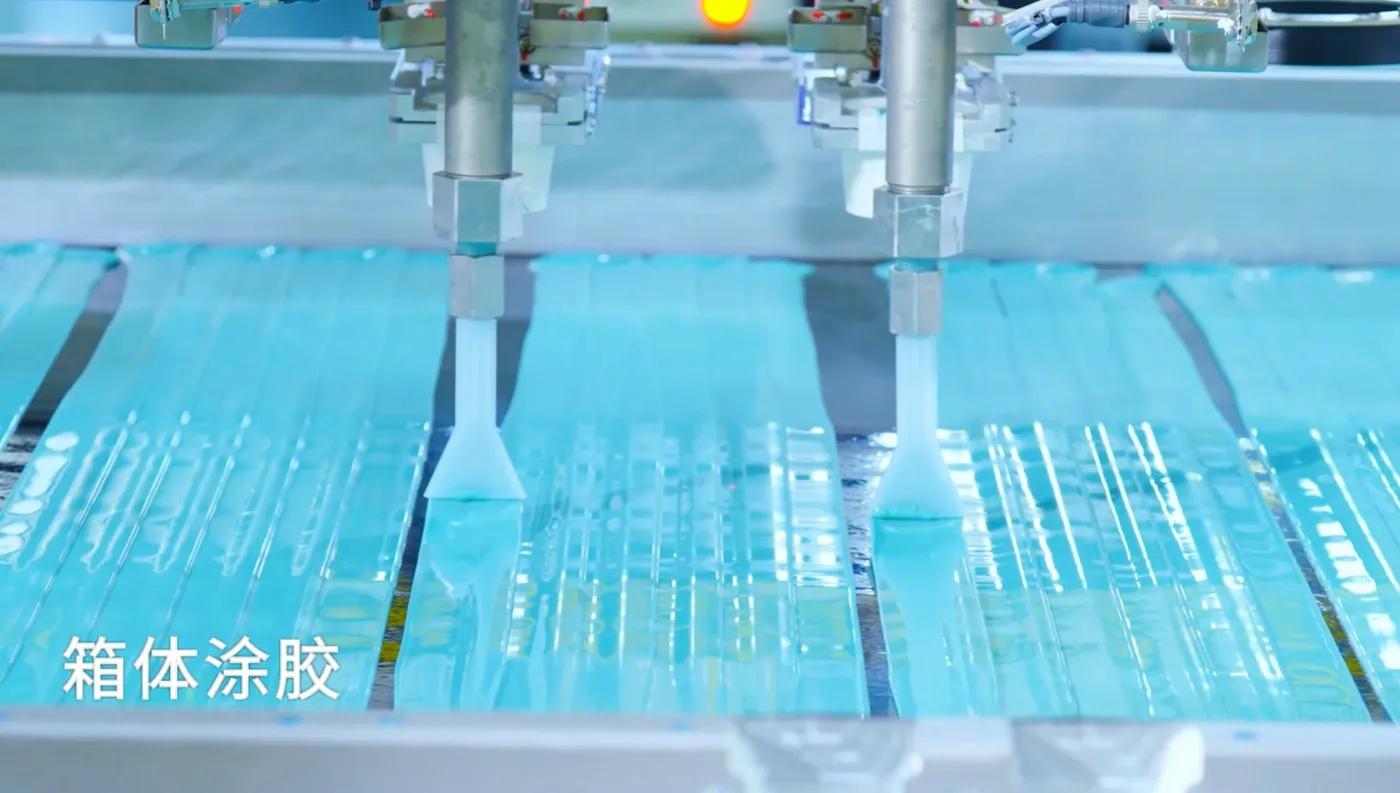
The core of dispensing station operation and maintenance is the cleaning regime: flushing frequency, cleaning agent replacement cycle, and seal lifespan must all be documented and properly executed—80% of dispensing equipment downtime failures stem from improper cleaning and maintenance. Glue storage conditions (temperature, light avoidance, shelf life) are also included in the management. Henghuan provides rubber valve overhauls, seal package replacement, and on-site maintenance training services.
Need localization solutions for dispensing processes?
Whether it's selecting solutions for new projects, upgrading production lines, or operating and maintaining in-service equipment, Henghuan can provide third-party technical support for dispensing applications. Please tell us about material specifications, production cycles, and the on-site environment, and we will provide targeted solution recommendations.
Contact Henghuan View all application processes