
Collaborative robotic arm
Collaborative robotic arms (commonly known as cobots) have built-in force control and collision detection, allowing them to work together with humans in the same space for flexible deployment. This page explains its structural principles, key parameters, applicable processes, and advantages and disadvantages, along with an index of the 123 models in our database.
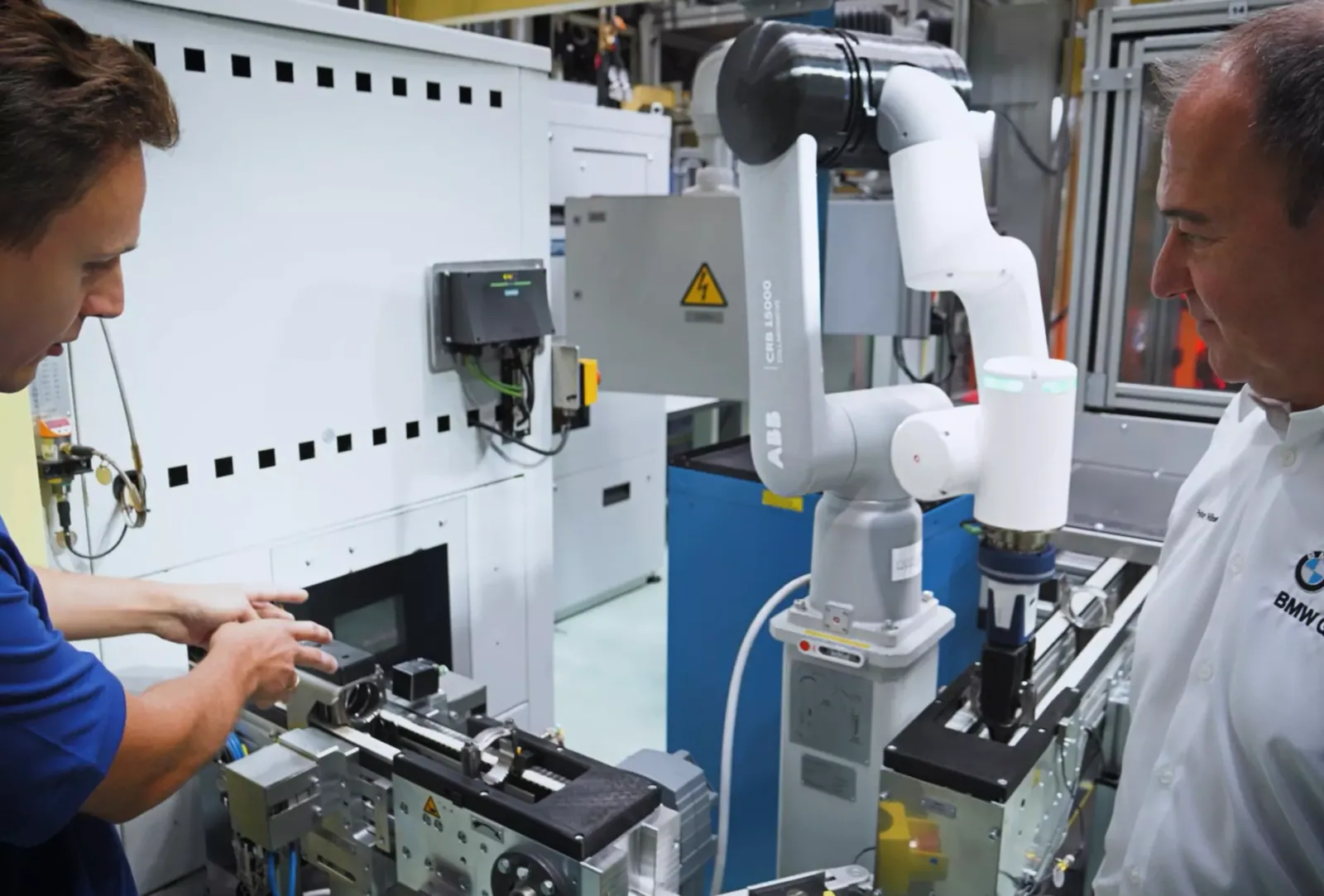
A robotic arm capable of working side by side with people
What is a collaborative robotic arm?
Collaborative robotic arms (commonly known as "collaborative manipulators," "collaborative robots," or "cobots") are essentiallySix-axis robotic arm with force sensing and safety control— It has a structure similar to traditional six-axis robotic arms but achieves "human-machine co-stationing" through three key technologies:Joint torque sensor(Perceived contact force),Collision detection algorithms(Stop immediately upon encountering someone),Power and force limitations(According to ISO/TS 15066, keep contact force within the human safety threshold.)
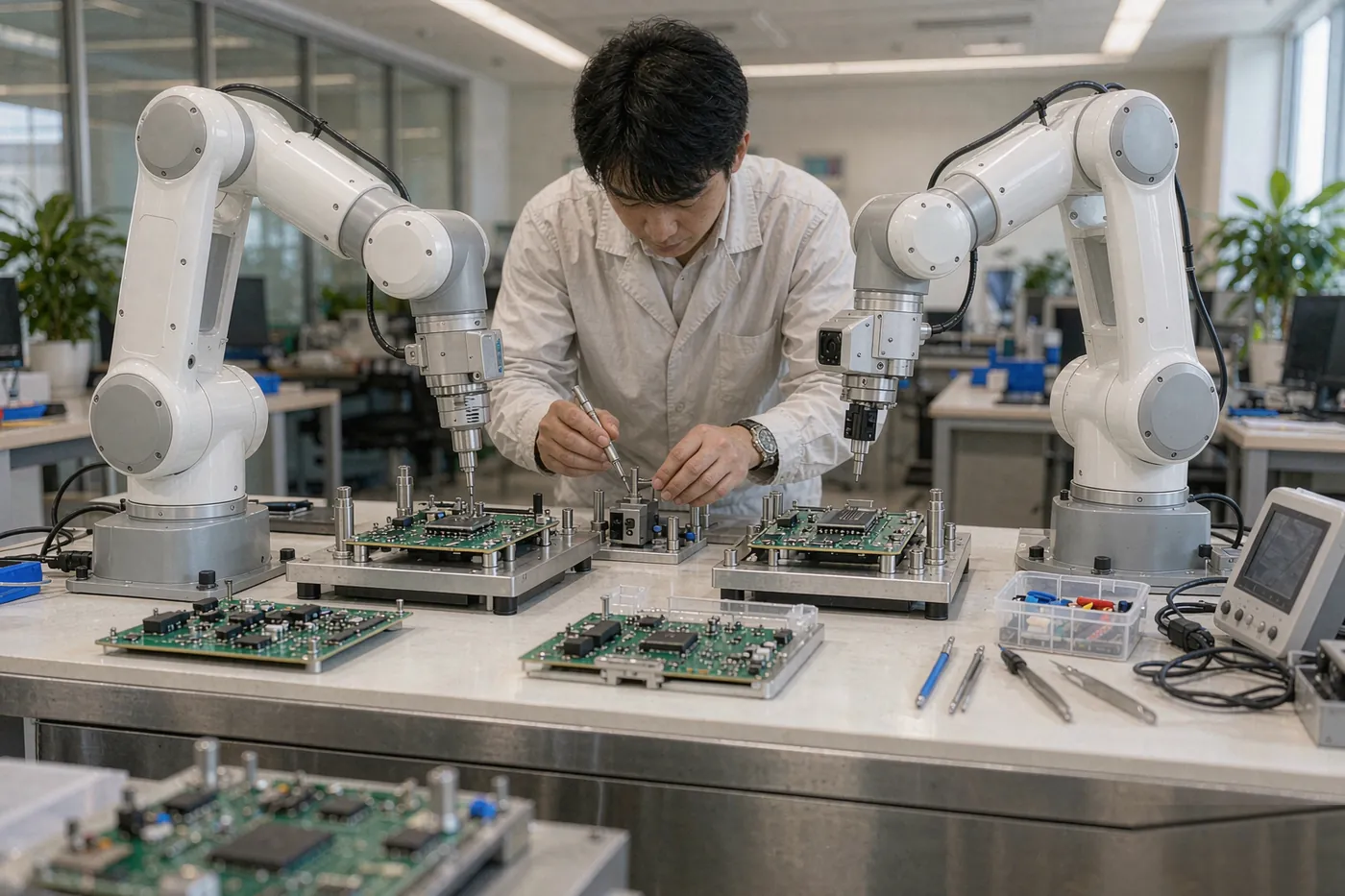
Traditional industrial robotic arms must be locked within safety fences (which can cause injury if touched), whereas collaborative robotic arms can share workspaces with people without (or simply simplify) the fence. It is usually lightweight, with rounded joints without sharp edges, and is acceptableDrag and drag him to instruct(Step-by-step instruction), with an extremely low programming threshold—which is precisely why it has rapidly gained popularity among small and medium-sized enterprises in recent years.
| Parameters | Collaborative robotic arm | Traditional six-axis robotic arm |
|---|---|---|
| Load | 3–35kg (mainstream 5–16kg) | 3 – 700kg+ |
| Speed | Lower (Safe Speed Limit) | High |
| Safety protection | Force control + collision detection, enabling human-machine co-operation | Requires safety fences for isolation |
| Programming methods | Drag-and-drop teaching + graphical design, easy to get started | Teach pendant/offline programming, training required |
| Deployment | Lightweight, movable, fence-free | Fixed installation, with fences required |
| Accuracy | ±0.02 – ±0.1mm | ±0.02 – ±0.1mm |
| Price | It tends to be higher under the same load | Under the same load, it is relatively low |
Advantages and limitations
Advantages:Flexible deployment (no fences, mobile), easy to use (drag-and-drop teaching, workers can program), safe (human-machine collaboration), fast return on investment (suitable for small to medium batches with many varieties). It is the top choice for small and medium-sized enterprises entering automation.
Limitations:Load and speed are limited (safe speed limits), and in high-taking, large-batch scenarios, it is not as good as traditional six-axis; Prices for the same load are relatively high; The force control accuracy and rigidity are inferior to specialized models under heavy-duty precision conditions. It excels at being "flexible, safe, and easy to use," but not at "high speed and heavy load."
The main battlefield of collaborative robotic arms
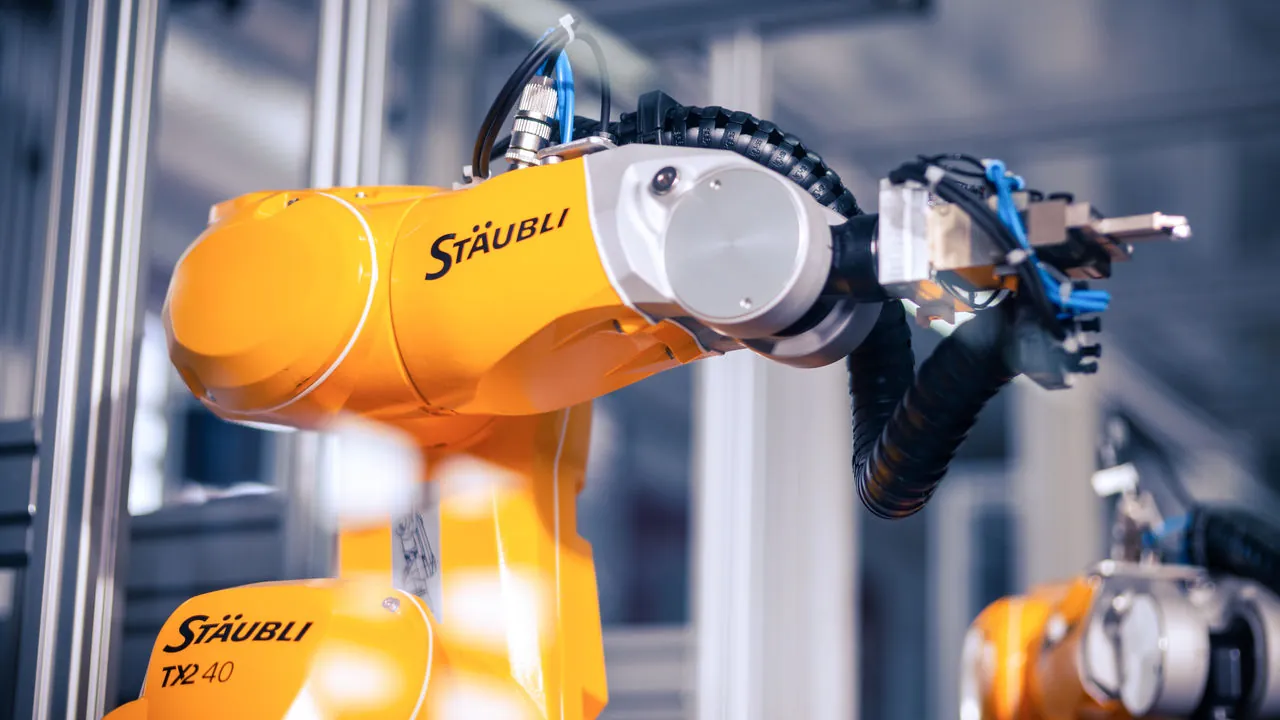
| Application process | Applicable scenarios | Technical Points |
|---|---|---|
| Machine tool loading and unloading | Small to medium batches, multiple varieties | Drag and drop to teach for quick style changes |
| Palletizing (light items) | At the end of the production line, human-machine mixed-line operations | Pallet-type programmatization |
| Assemble and tighten | Human-machine collaborative workstation | Force control assembly, torque monitoring |
| Applying glue and coating | Small and medium-sized pieces, multiple varieties | Trajectory planning |
| Testing | Incoming material sampling inspection, multi-point inspection | Visual features |
| Packaging | Packing and labeling | Quick end replacement |
Four collaboration modes of the collaborative robotic arm
According to ISO/TS 15066, there are four modes of human-machine collaboration:Security-level monitoring stopped(Stops when people enter),Manual guidance(Someone drags and teaches),Speed and interval monitoring(Slow down when people get close),Power and force limitations(Controlled contact force, sustainable contact). Most collaborative robotic arms support combined use, and specific safety protocols require on-site risk assessments (RIA).
Frequently Asked Questions
Can collaborative robotic arms completely replace traditional six-axis robots?
No, it's a complementary relationship. The collaborative arm excels at small to medium batches, multiple varieties, human-machine mixed-line scenarios, and flexible deployment scenarios; Traditional six-axis systems still have irreplaceable advantages in high-speed, heavy-load, large-scale, and high-cycle scenarios (full load lineup, fast speed, low cost). Many factories use both.
Is the collaborative robotic arm really safe enough not to need a fence?
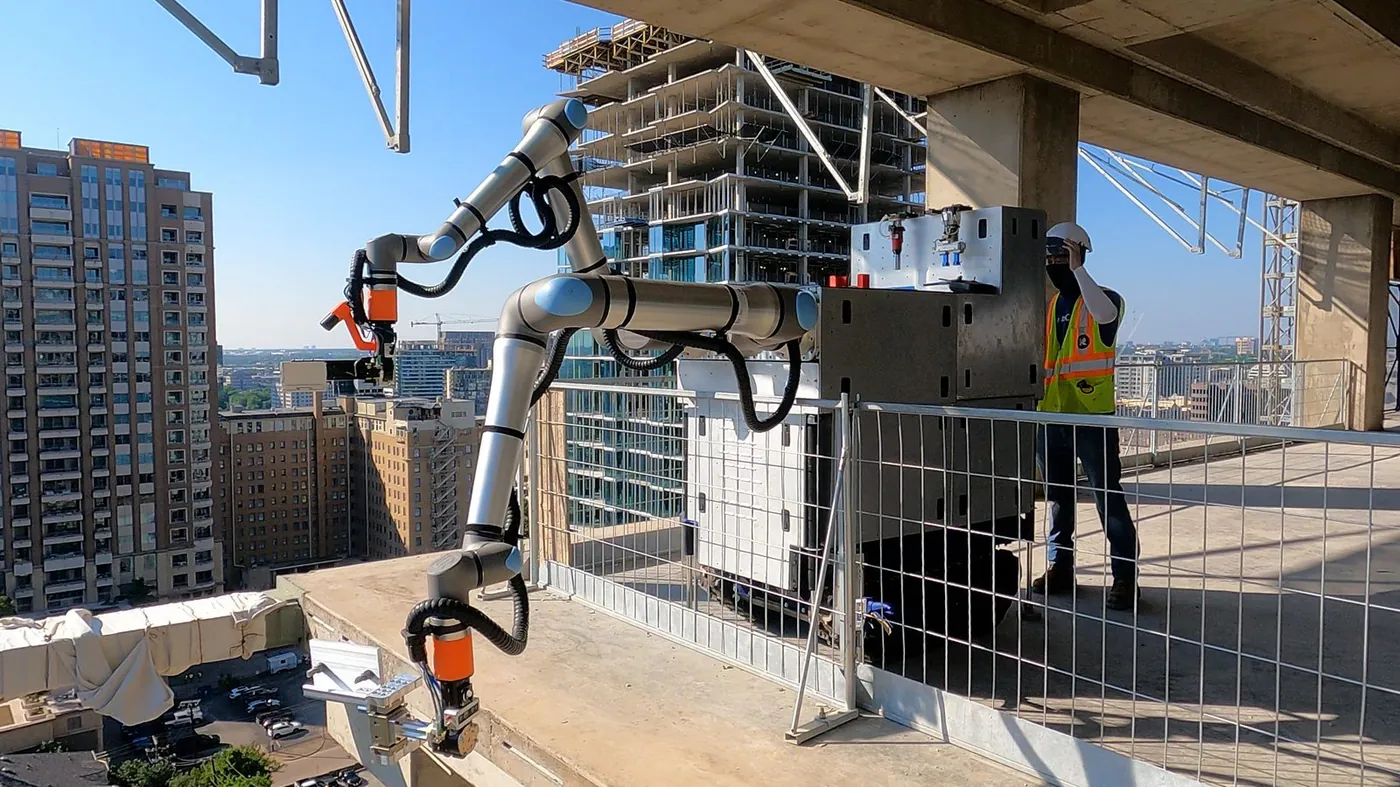
It depends on risk assessment. In power and force limiting modes, human-machine co-operation is possible, but risk assessment must still be conducted according to ISO/TS 15066: end shape (no sharp edges or sharp corners), workpiece weight (still at risk of collision with a clamped object), and motion speed must all be calculated. It's not about "buying a collaborative arm guarantees absolute safety," but about conducting compliant safety assessments.
What is the relationship between collaborative robotic arms and "manipulators"?
A collaborative robotic arm is a six-axis arm with force control and safety functions, and is a type of robotic arm/manipulator. When customers search for "collaborative robotic arm" or "collaborative robotic arm," they are referring to this model. Brands such as Aolo, AUBO, and JAKA are mainstream collaborative robotic arm brands on this site.
Can real workers really learn to teach by dragging and practicing?
Basic motor skills. Drag-and-pull teaching (hand-to-hand walking the trajectory with the robotic arm and recording it) has an extremely low entry barrier; ordinary workers can easily pick and place it after half a day of training; However, when it comes to visual guidance, complex logic, and multi-machine collaboration, process engineers still need to get involved. We deliver operational training to ensure client teams can independently maintain common programs.
Our site is currently in the warehouse of collaborative robotic arms (123 models)
Browse by brand
Below are the representative models of this structural form in our database. Click to view specifications, technical interpretation, and maintenance points. For the complete model list, please see each brand's page.
FANUC (7 models)
ABB (3 models)
KUKA (16 models)
Kawasaki (2 styles)
Stäubli (4 models)
Nachi Fubietsu (4 models)
Comau (6 models)
Epson (1 model)
Universal Robots (9 models)
AUBO (24 models)
Festival (19 models)
Inovance Technology (4 models)
Estun (10 models)
SIASUN (8 models)
HSR Robotics (6 models)
Need robot selection, maintenance, or application solutions?
Tell us about workpieces, procedures, beats, and budgets. Local teams in Nanchong will connect with us, and on-site inspections are available in Sichuan, Chongqing, Yunnan, and Guizhou. Robotic arm (manipulator) selection, second-hand purchase and sale, maintenance and repair all in one place.
Contact usView all varieties