
The national-standards body for cobots — AUBO collaborative robots, full-line service
Covers full loads from 3 to 42kg, with complete iS/G/E/EXPLOSION-PROOF/mobile versions, participated in formulating 28 national and industry standards, and operates in more than 50 countries and regions.
Collaborative robot autonomous technology system
AUBO builds a product family around integrated joints, the ARCS operating system, and developer ecosystem, ranging from desktop-level 3kg to 42kg heavy-duty collaboration, and then to mobile composite and embodied joint modules.
Ultra-large load collaboration, full series EtherCAT with 48V/96V power platforms.
Standard/Pro/SE/explosion-proof versions, with an IP67 rating.
The I series is the classic mainstay, while the C series is aimed at service and new retail.
Teaching practice and research innovation, supporting textbooks and certified courses.
Integrated control of mobile chassis and collaborative arms, logistics sorting and inspection.
RS/RP series universal joint modules for humanoid robots.
Product series and specifications
The following specifications are compiled from the official website information of AUBO Intelligence (load, arm reach, footprint, body weight) for comparison and selection.
AUBO iS series collaborative robots
3-20kg · Standard Edition · IP67
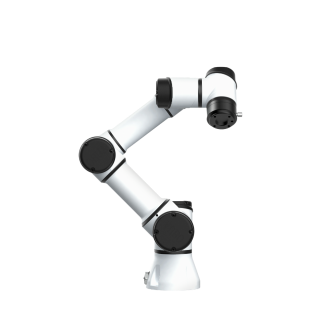
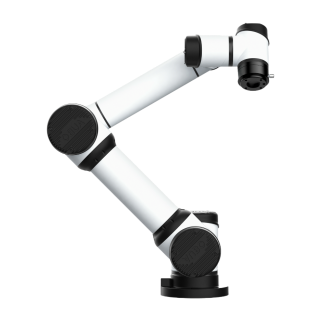
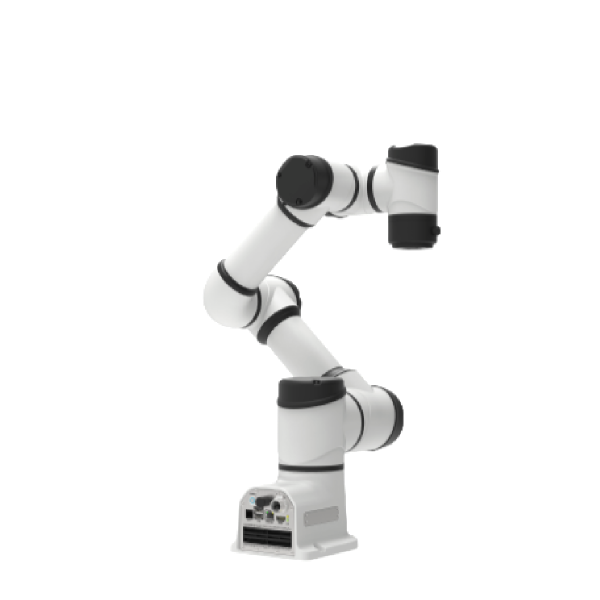
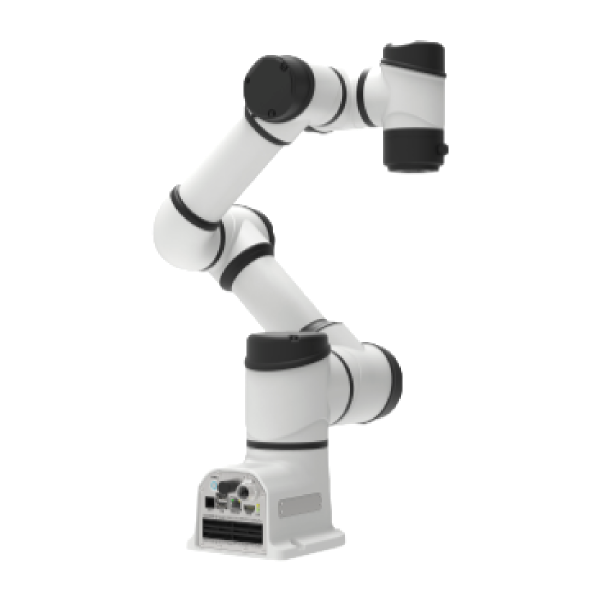
There are six models from iS3 to iS20L, covering 3-20kg standards, plus Pro Acceleration and SE Economy Editions.
Standard version with IP67 rating, suitable for precision manufacturing, spraying, and other sensitive environments.
Official website info: Full joint torque sensing, supports dragging teaching and collision detection.
The official offer also includes 8 models in the iS(Ex) explosion-proof series.
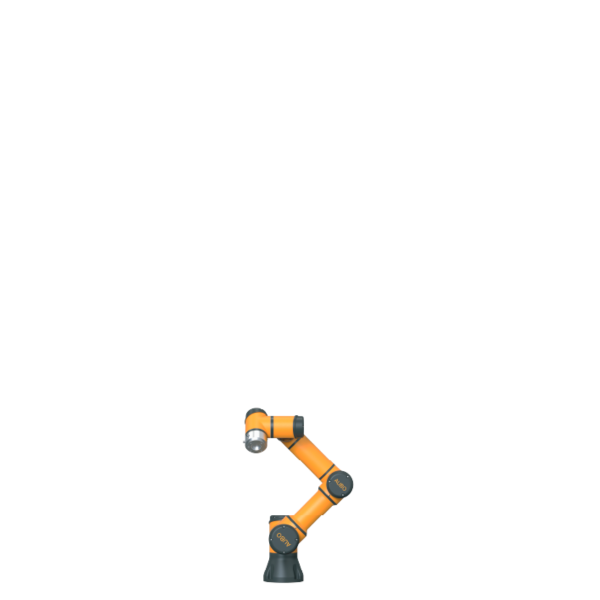
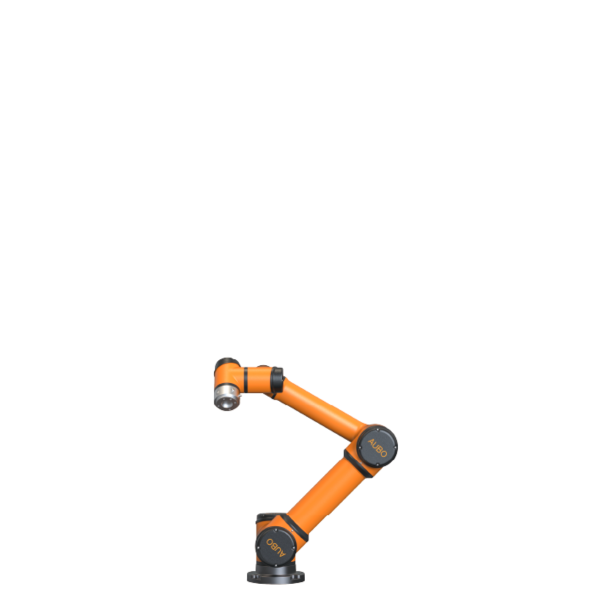
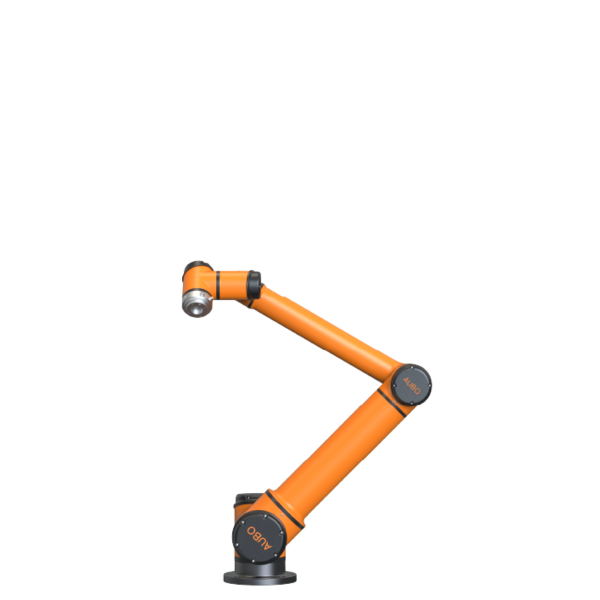
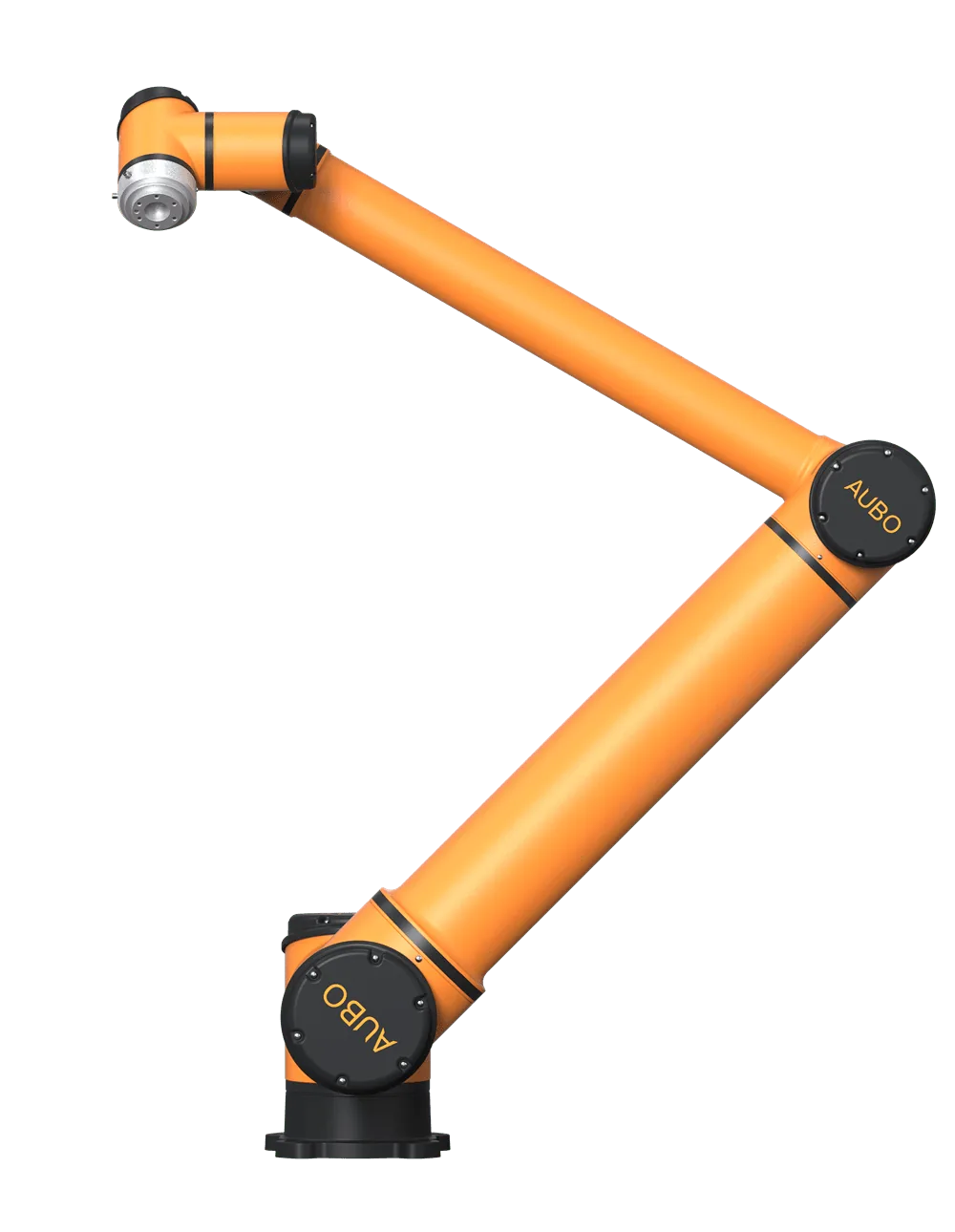
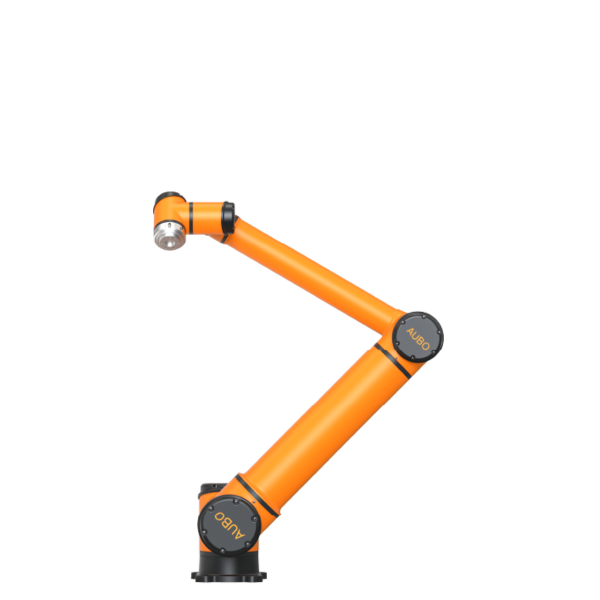
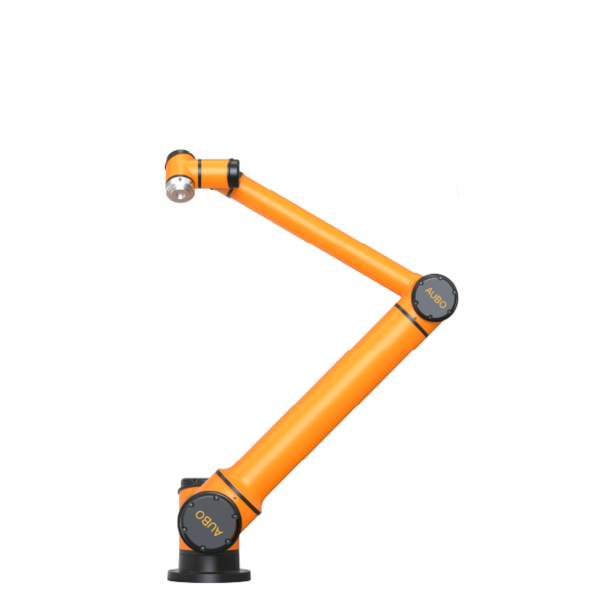
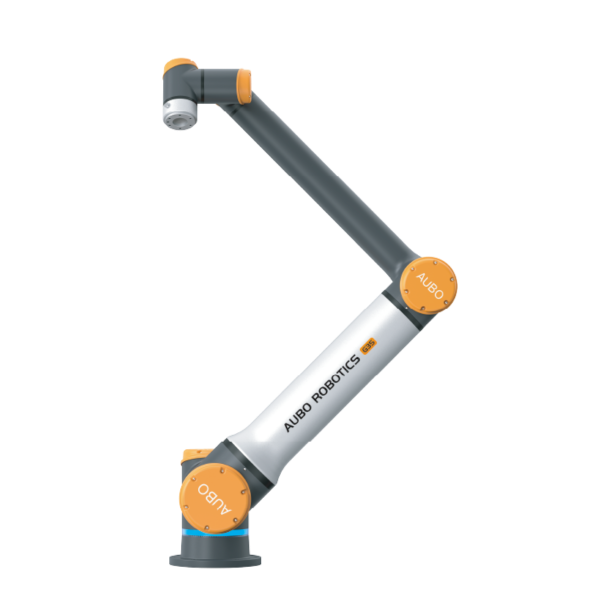
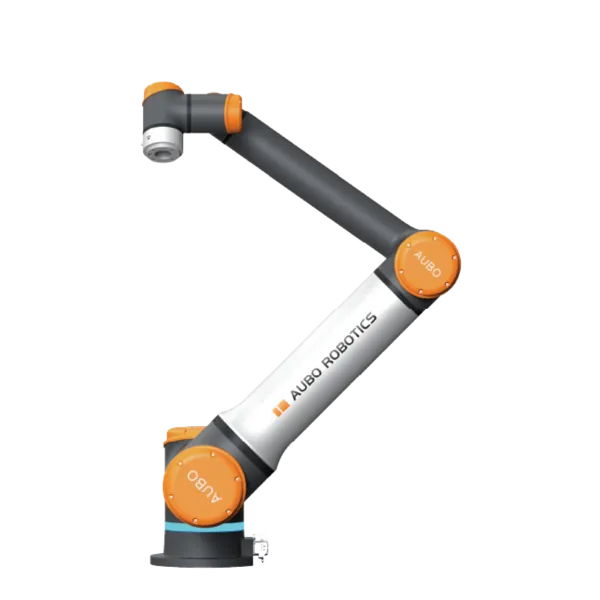
AUBO High-Load Collaboration (G/iS25-35)
25-42kg · Heavy-duty handling of palletizing
G35 payload 35kg, G40 payload 42kg, designed for heavy-duty collaborative scenarios such as palletizing and handling.
Developer platform public information: The G series supports EtherCAT communication and 48V/96V power platforms.
Uses permanent magnet braking for lightweight design, compatible with CB-G40 / CB-G40-MINI controllers.
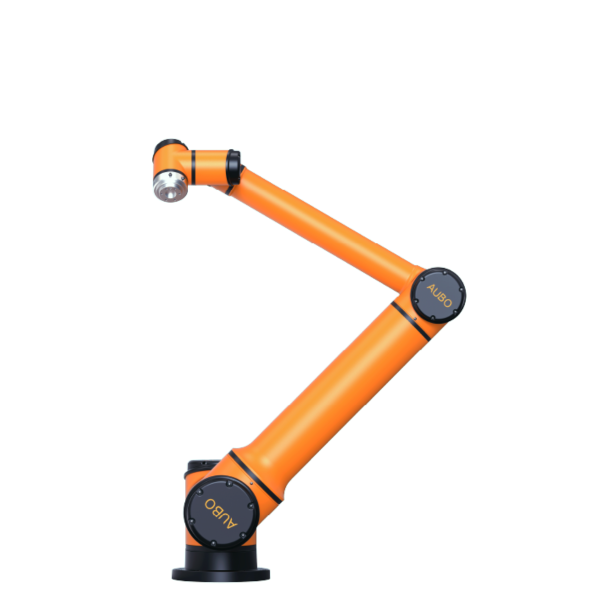
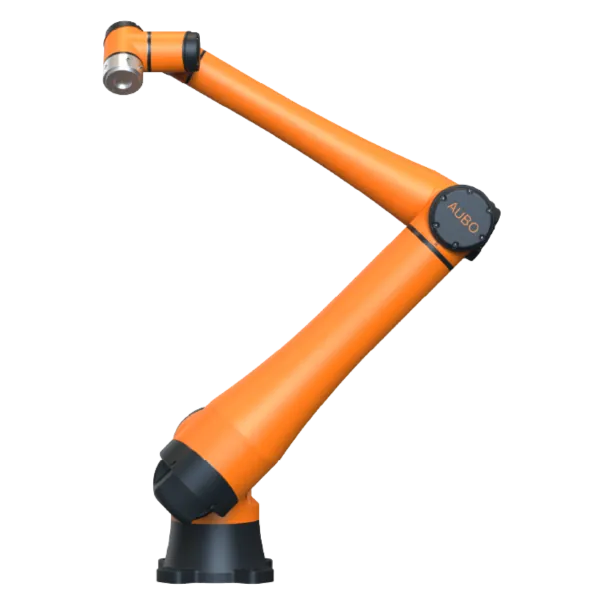
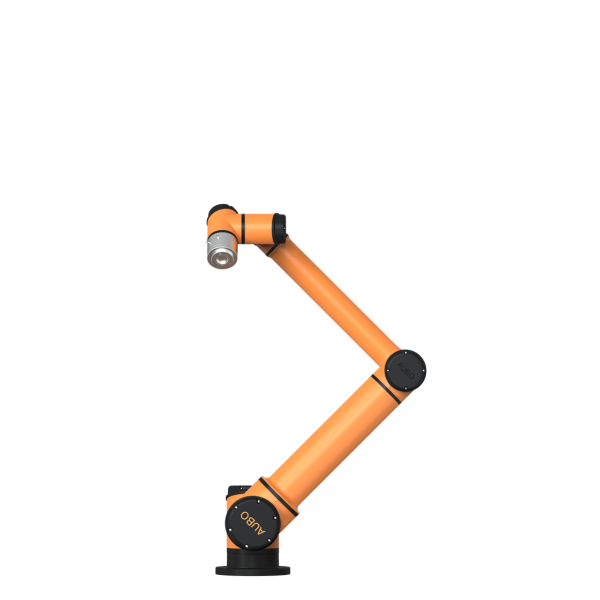
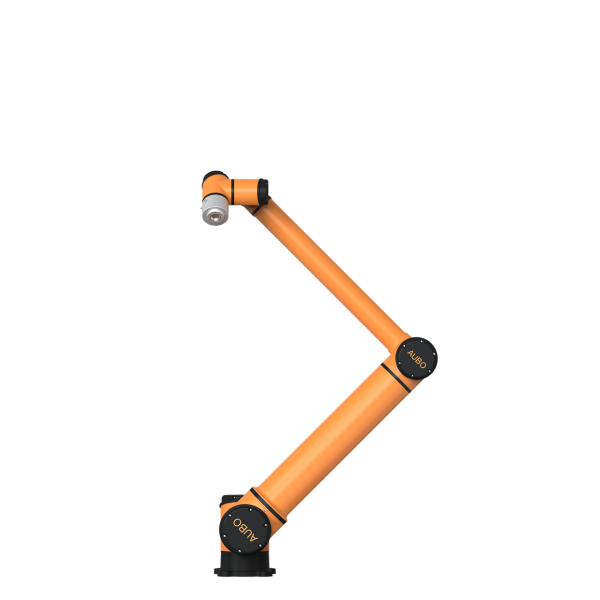
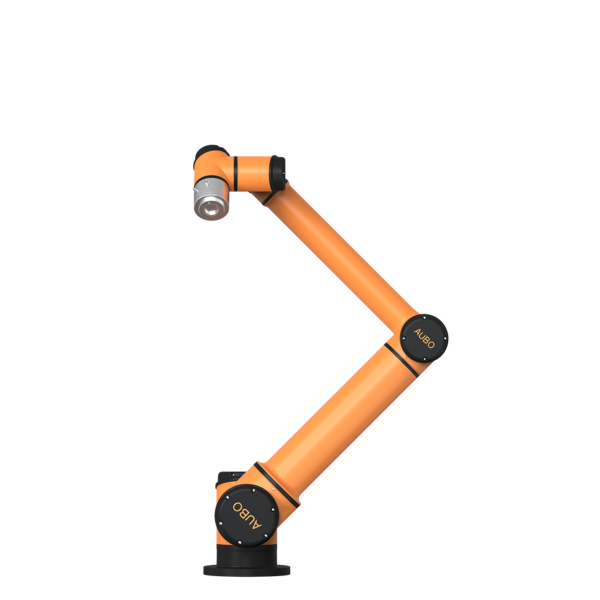
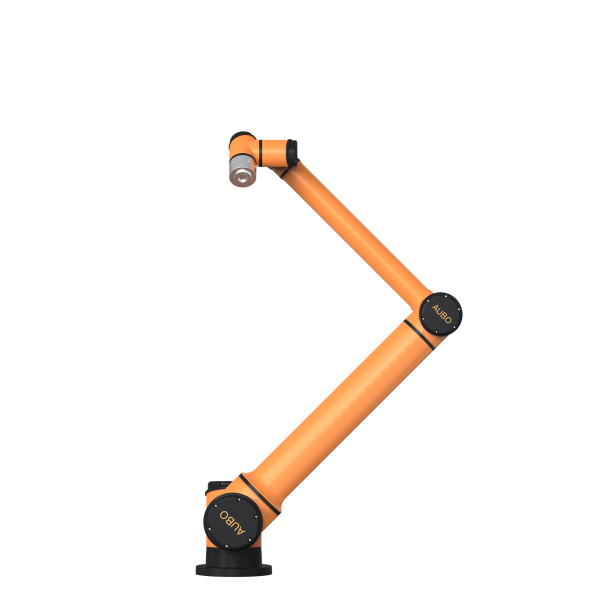
AUBO iS Pro series collaborative robots
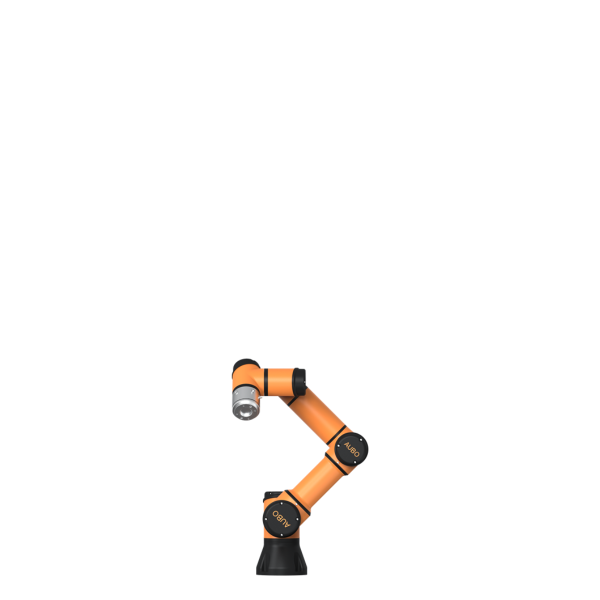
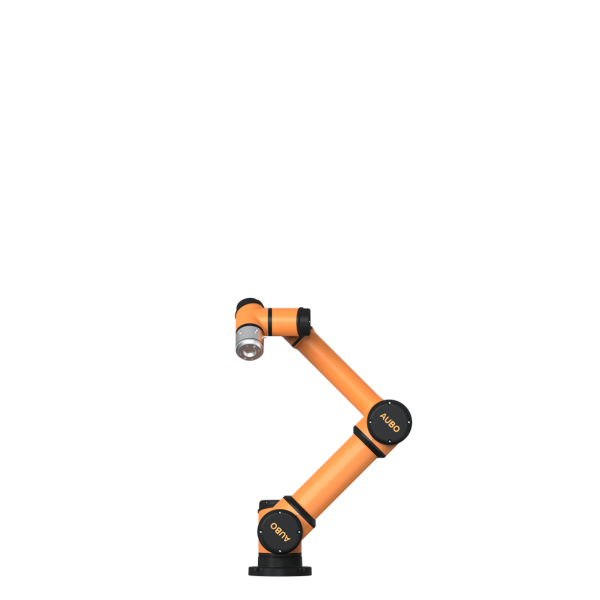
3-25kg · High-speed version
Tool speed increases under the same load and boom range, suitable for beat-sensitive conditions.
Developer platform information: The iS10/16 Pro tool center has significantly improved speed.
Seven models with standard load ranges for easy upgrade and selection according to beat times.
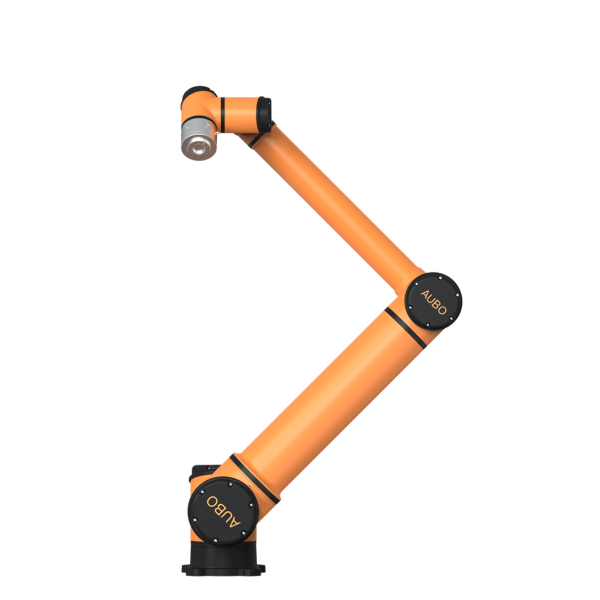
AUBO iS SE Economy Edition and E Education Edition
3-10kg / 3-5kg · Streamlined allocation and research teaching
Streamlined configuration for standardized applications, with repeatability of ±0.05mm.
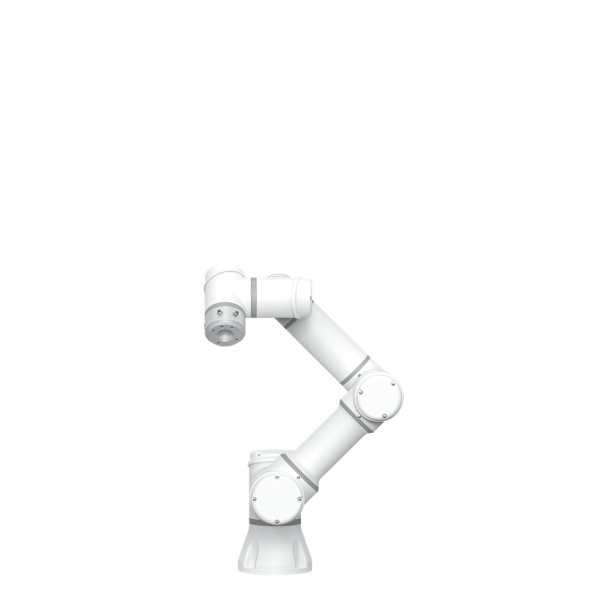
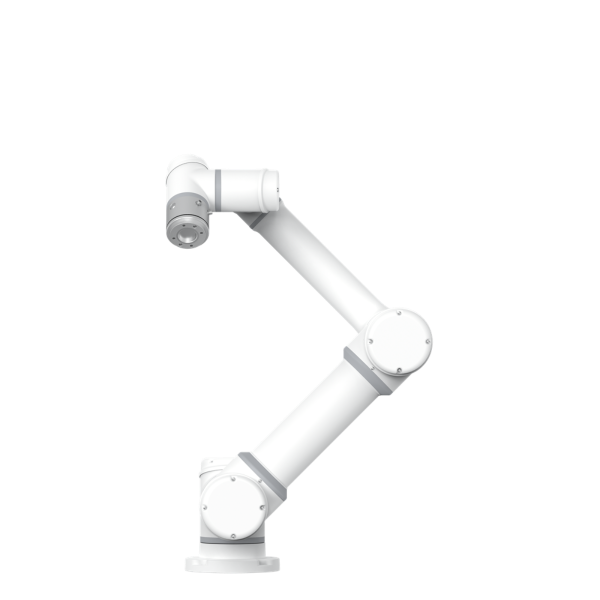
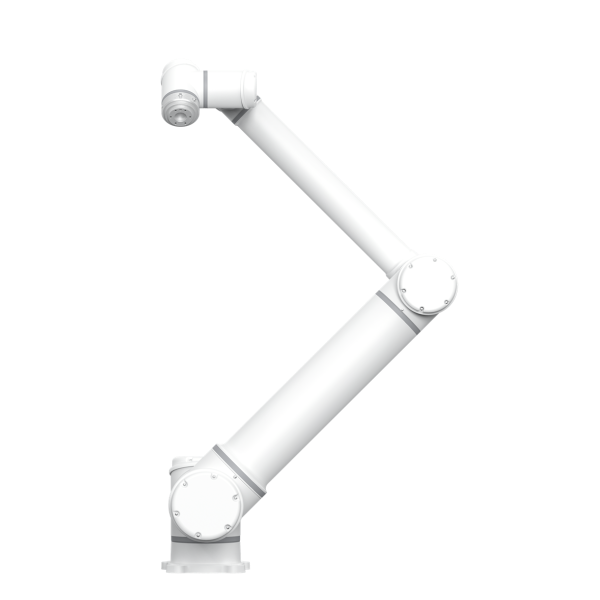
The E Series is designed for teaching practice and scientific research innovation, with supporting textbooks and training projects.
ES3/ES5 are integrated versions, offering higher integration of control units.
Core technology
Standard Navigation · Autonomous and controllable
Self-developed joint modules, undertaking the National Key R&D Program for Robot Intelligent Harmonic Reducers.
Self-developed general-purpose robot operating system, supported by AuboStudio teaching software and developer platform.
Joint sensing and force control algorithms support dragging teaching, constant force grinding, and precision assembly.
The entire G series supports EtherCAT and achieves high-speed synchronization with the CB-G40 controller.
iS(Ex) explosion-proof series is designed for hazardous environments (the world's first explosion-proof collaborative robot was launched in 2021).
developer.aubo-robotics.cn Release all series specifications, user manuals, and 3D models.
Application scenarios
From palletizing and welding to machine tool care, assembly, dispensing, grinding, and quality inspection, AUBO Intelligent AUBO can be quickly deployed to all types of processes.
Service industry
AUBO Intelligent is widely used in the following industries, and we can provide model selection and implementation support tailored to local industry characteristics.
Why choose AUBO Intelligence?
Led the formulation of three national collaborative robot standards and is a key formulator of industry national and institutional standards.
3-42kg payload, covering industrial, service, educational, explosion-proof, and mobile composite scenarios.
Joint systems, controllers, and operating systems are self-developed, and undertake multiple key national R&D projects.
The official website discloses that the 12,000th collaborative robot will roll off the production line in December 2025, marking mature mass application.
Trusted by global customers
AUBO Intelligent serves many globally renowned enterprises (brand logo copyrights belong to each company).
AUBO Robotics offers professional services
As a third-party industrial robot technology service provider, Henghuan offers full lifecycle services for AUBO's full range of collaborative robots.
Process validation, workstation solutions, programming and teach-in and production ramp-up support, and turnkey delivery of robot applications.
Learn more → Sales of new industrial robotsAuthorized-style sales of brand-new mainstream robots with selection support for new production lines and capacity expansion.
Learn more → Research and development of automation equipmentResearch, development, integration, and delivery of end-effectors, conveyor positioning, safety peripherals, and complete control systems.
Learn more → Research and development of algorithms and control systemsMotion planning, machine vision, and PLC/SCADA system development to address takt-time bottlenecks, accuracy, and data interconnection.
Learn more → Robot rentalShort-term rental, long-term rental and lease-to-own for in-stock models, long-term rental, and lease-to-purchase transfer, including transportation, installation, commissioning, and lease-term maintenance.
Learn more → Software and hardware upgrade servicesController retrofits, software and firmware upgrades, mechanical refurbishment, and safety upgrades restoring performance to older equipment.
Learn more → Maintenance and repairOn-site inspection, fault diagnosis and repair, and annual maintenance contracts covering 1,310 models from 21 brands.
Learn more → Used & in-stock robot salesWe buy back used robots and handle inspection, refurbishment and resale; every unit ships with inspection records and a warranty, and trade-ins can offset new purchases.
Learn more →Frequently Asked Questions about AUBO Intelligence
Focusing on the selection, maintenance, parts, and second-hand distribution of AUBO Intelligent AUBO equipment, we answered the most frequently asked questions from customers.
What controllers and operating systems does the AUBO collaborative robot use?
On the software side, it features the self-developed ARCS robot operating system and AuboStudio teaching software; Hardware controllers are matched by series, such as the G series compatible with the CB-G40 and CB-G40-MINI controllers (AUBO Developer Platform public information). In terms of communication, the entire G series supports EtherCAT, common protocols like Modbus TCP and PROFINET in the iS series. Please refer to the respective model's specifications for details.
What is the protection level of each series of AUBO bodies? Can it be used in cleaning/spraying environments?
The developer platform specification shows the iS standard version is IP67, capable of handling dust and short-term water splashes, suitable for precision manufacturing, spraying, and other environments; In the presence of long-term oil mist erosion or high-pressure washing, protective covers should be installed and seals checked regularly. Explosion-proof locations are based on iS(Ex) explosion-proof edition; standard models cannot be substituted.
What could be the cause of teaching failure or joint abnormal noises during drag-pulling?
The AUBO collaborative robot relies on built-in joint sensors to perform dragging teaching. Common causes of failure include: tool load parameters not being calibrated or not matching actual conditions, dragging teaching functions not enabled in the software, or joint torque sensing drift. For abnormal noises, distinguish whether it is resonance caused by load/speed exceeding limits or mechanical damage to the reducer/bearing. The latter should be stopped immediately for inspection and confirmed in conjunction with on-site diagnosis.
What are the consequences of a dead encoder battery? How often should they be replaced?
The absolute value encoder relies on the battery to store multi-turn position data. When the battery is depleted, a loss of zero position alarm occurs, requiring recalibration of the zero point before operation can resume. Battery replacement should be performed while the system is powered on (the steps should refer to the user manual included with the corresponding series); It is recommended to include battery voltage as a monthly inspection item, with the cycle depending on the battery specifications and on-site usage time.
How should the lubrication maintenance cycle for the AUBO collaborative robot gear reducer be determined?
Official public information does not uniformly disclose the fat replacement cycle. AUBO Joint adopts a self-developed reduction solution (undertaking the national key R&D program for 'Robot Intelligent Harmonic Reducer'), generally conducting dual inspection based on years and operating hours according to the complete machine maintenance manual; High load rates and frequent start-stop conditions should shorten the cycle. The grease grade and dosage must be carried out according to the model manual; if uncertain, confirm with on-site diagnosis.
Frequent false stops during collision detection—how to adjust?
The sensitivity of AUBO collision detection is related to the joint torque model. Common false alarm triggers include: overly high load weight/center of mass parameter settings, extra torque generated by cable constraints, and excessively high speed and power limit settings. It is recommended to first accurately calibrate the tool load and organize the wiring, then adjust the collision level by grading; If the joint torque sensor still stops mistakenly after adjustment, check the joint torque sensor and confirm it in conjunction with on-site diagnosis.
Are AUBO iS, i-series, and G series compatible for spare parts repairs?
Not fully compatible: The G series uses both 48V and 96V power platforms and is compatible with the CB-G40 controller, which differs from the iS/i series control cabinets and joint modules (according to the developer platform's published manual). When purchasing spare parts, provide the complete machine nameplate model and control cabinet model to match each one. Mixing them may cause communication or voltage mismatches, and if not accurate, coordinate with on-site diagnosis for confirmation.
AUBO Robotics offers professional services
Henghuan provides model selection consulting, integrated commissioning, maintenance, and spare parts support for the AUBO i, iS, G, E, and Haina series.
Contact Henghuan