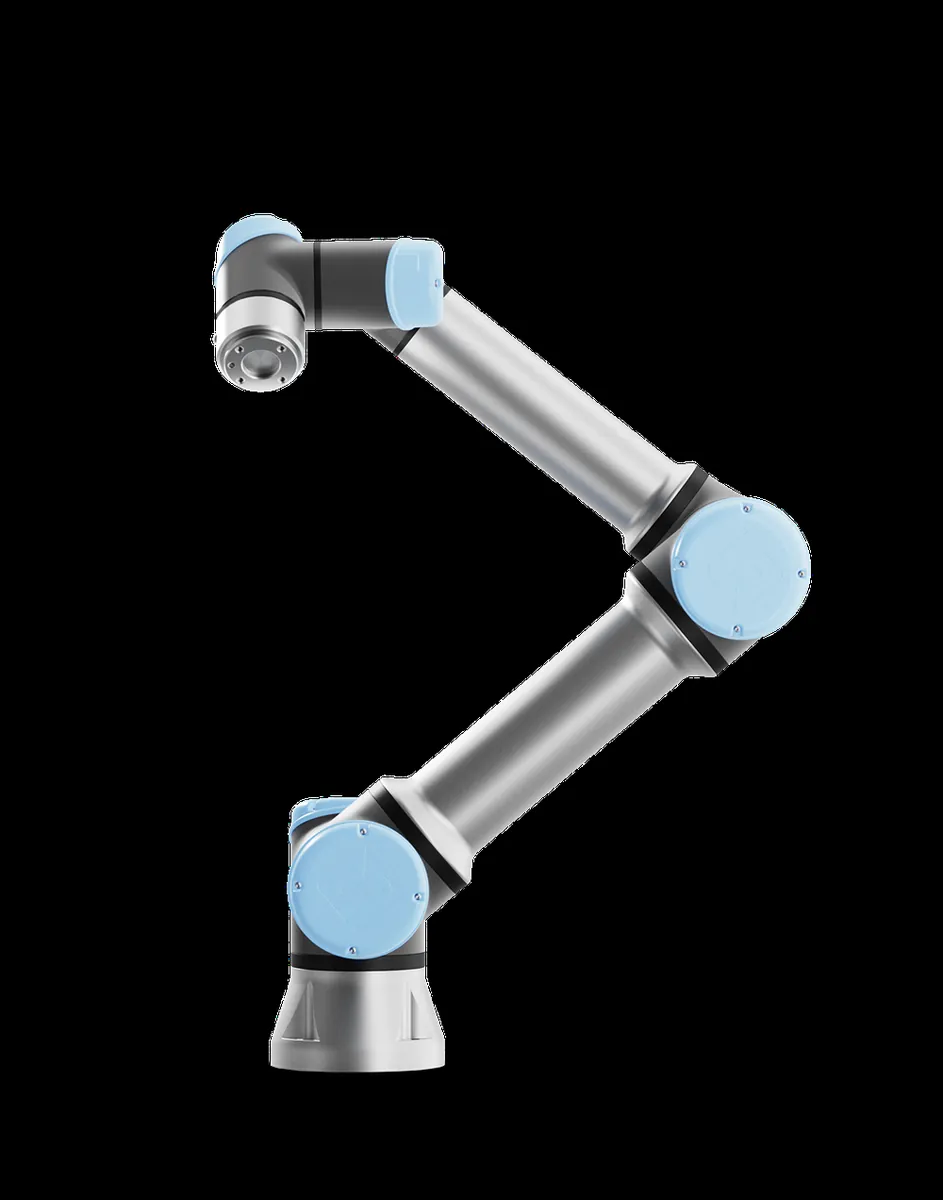
UR7e Collaborative Robotic Arm (Manipulator)
Lightweight deployment capability
UR7e Specifications
The UR7e is one of the larger models among Universal's two light-duty industrial collaborative robots, with an operating range 200 millimeters longer than a typical worker's arm, capable of executing small collaborative tasks with precision and detail. It is an upgraded version of the popular and proven UR5e.
Start your collaborative journey
The UR7e is ideal for users who need a collaborative robot that is lightweight enough to be installed on existing production lines, such as on a desktop or inside a machine. The UR7e can meet your needs for handling light to medium-sized objects, with a working range 200 millimeters longer than the arm of a typical worker. This advantage comes in handy when items need to be placed inside machines or tasks beyond the reach of employees' arms.
UR7e Core Features
Process validation, workstation solutions, programming and teach-in and production ramp-up support, and turnkey delivery of robot applications.
Learn more → Sales of new industrial robotsAuthorized-style sales of brand-new mainstream robots with selection support for new production lines and capacity expansion.
Learn more → Research and development of automation equipmentResearch, development, integration, and delivery of end-effectors, conveyor positioning, safety peripherals, and complete control systems.
Learn more → Research and development of algorithms and control systemsMotion planning, machine vision, and PLC/SCADA system development to address takt-time bottlenecks, accuracy, and data interconnection.
Learn more → Robot rentalShort-term rental, long-term rental and lease-to-own for in-stock models, long-term rental, and lease-to-purchase transfer, including transportation, installation, commissioning, and lease-term maintenance.
Learn more → Software and hardware upgrade servicesController retrofits, software and firmware upgrades, mechanical refurbishment, and safety upgrades restoring performance to older equipment.
Learn more → Maintenance and repairOn-site inspection, fault diagnosis and repair, and annual maintenance contracts covering 1,310 models from 21 brands.
Learn more → Used & in-stock robot salesWe buy back used robots and handle inspection, refurbishment and resale; every unit ships with inspection records and a warranty, and trade-ins can offset new purchases.
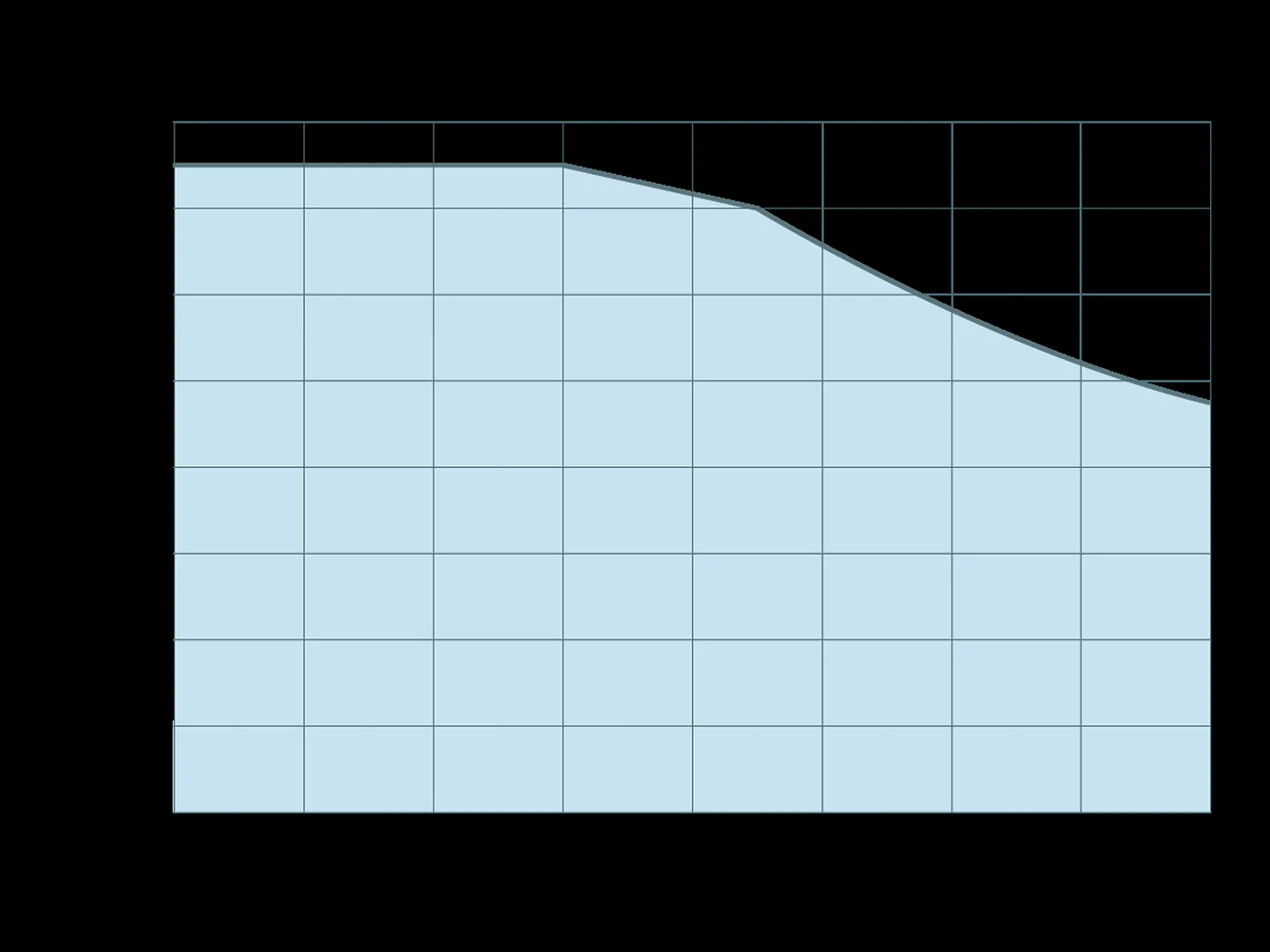
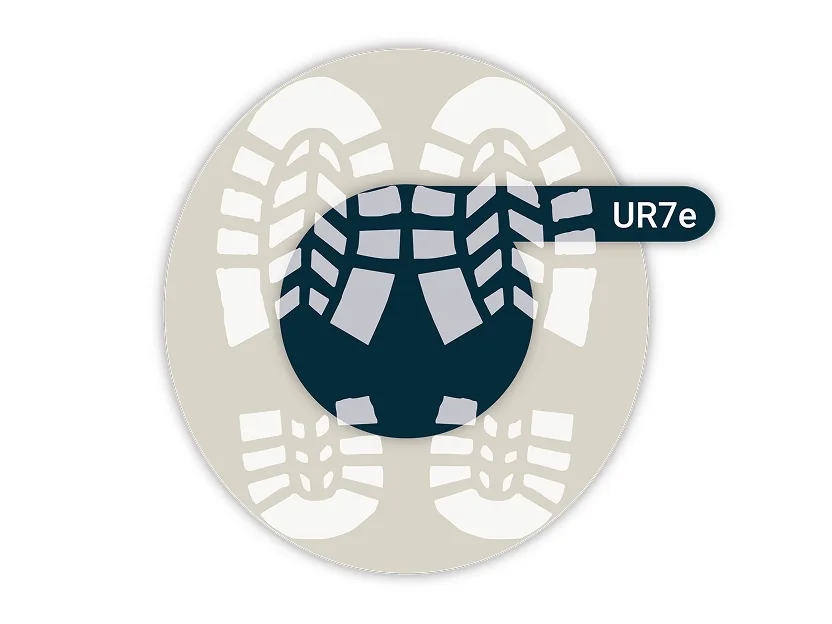
Learn more →Technical diagram
Load curve and footprint.
e Series Collaborative Robots · Series technical features
Stable performance in scenarios requiring high precision and deployment flexibility, such as precision assembly, inspection, and testing, also supports machine tool care and light-load material handling in compact spaces, without the need for complex setup or dedicated infrastructure.
The E Series collaborative robots have been deployed tens of thousands of times, and with a strong track record of reliability and efficiency, they continuously help businesses streamline operations and boost productivity.
The E Series collaborative robots feature self-calibration, fully installation capabilities, and on-site replaceable connectors, maximizing runtime and delivering consistent performance with minimal downtime.
The E Series offers a variety of payloads and compact base sizes, allowing seamless integration into tight workspaces and easy redeployment across multiple tasks.
Shared advantages
For untrained operators, the programming process for ready-to-use collaborative robots—from unpacking, installation, to completing the first simple task—usually takes less than an hour.
Collaborative robots occupy a small footprint and are ideal for performing automated tasks within existing production spaces, where space is often limited and space utilization is ideal.
After automating tasks, each task can run autonomously without the need for continuous employee monitoring. In addition, Universal Silicon collaborative robots are more energy-efficient than traditional industrial robots.
All Universal collaborative robots feature built-in safety features, including force sensing technology and collision detection, allowing them to work alongside employees without safety barriers or guardrails, boosting productivity and creating a safe working environment.
Contents of the kit
The standard order includes the robotic arm, control box, teach pendant (3PE optional), a power cable, a cable connecting the robotic arm and control box, and documentation. Application kits or other options are not included in the standard packaging and must be ordered separately.
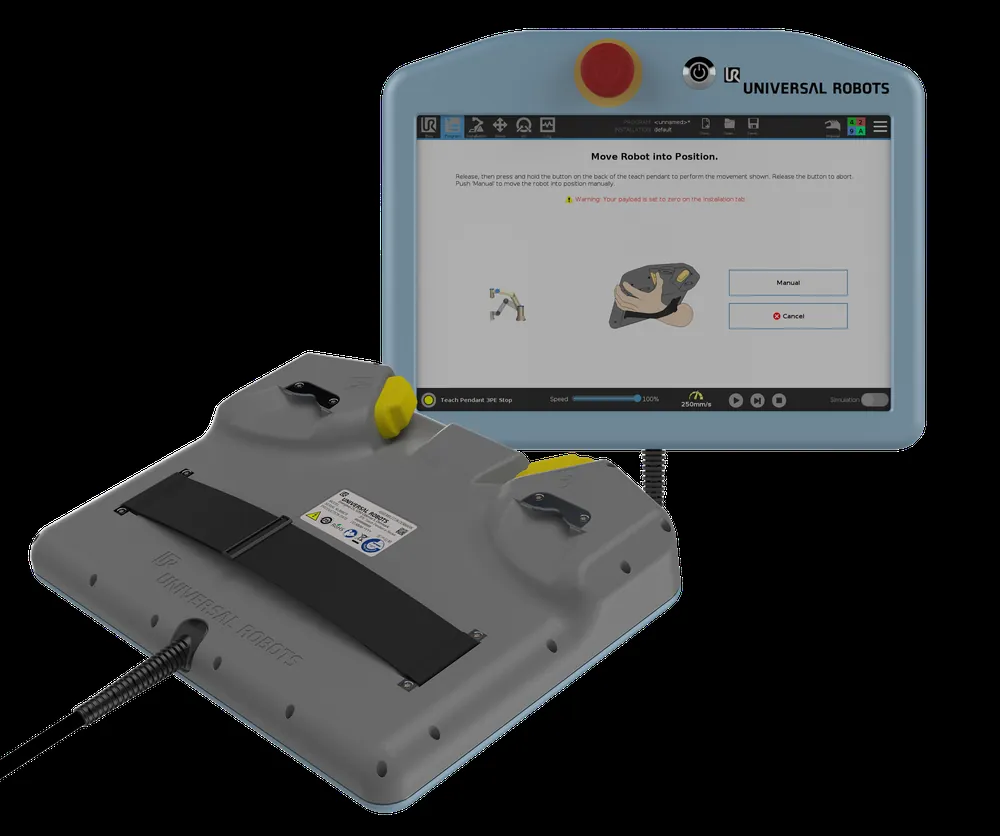
Standard teach pendants come standard by default, including industry-leading PolyScope software for controlling collaborative robots and ensuring high safety. The three-position enable device (3PE teach pendant) is an optional configuration and can be purchased via the UR+ platform.
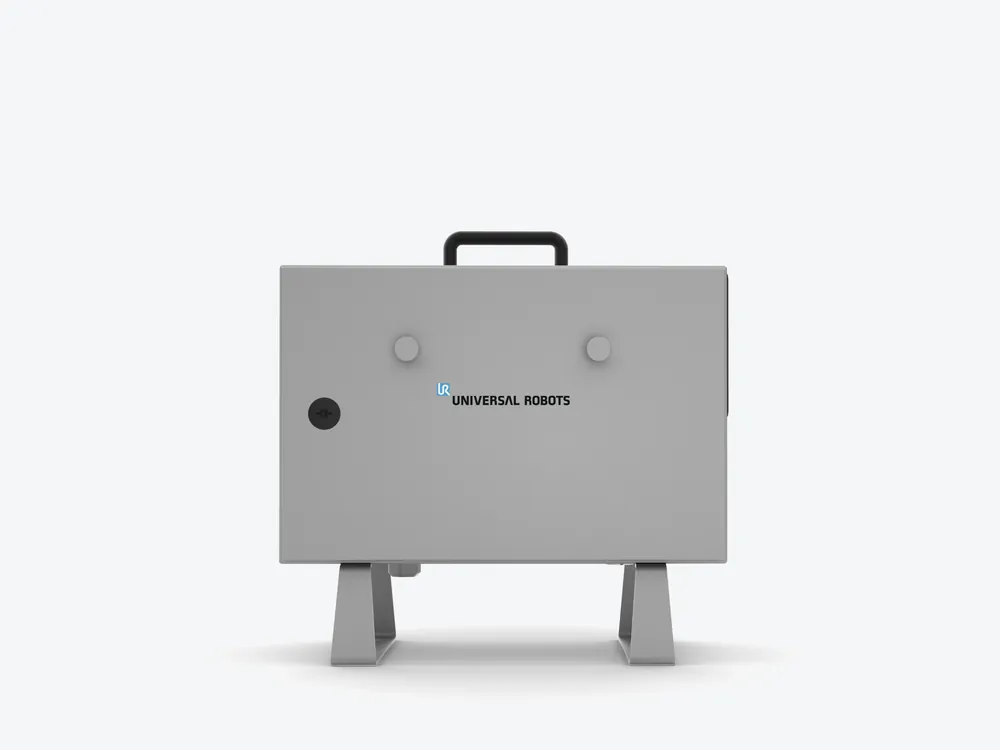
The standard control box weighs only 12 kilograms, can be equipped with a teach pendant, and is easy to store, suitable for any environment. The controller serves as a centralized hub for power, safety functions, and communication, providing a compact and efficient solution for system operation.
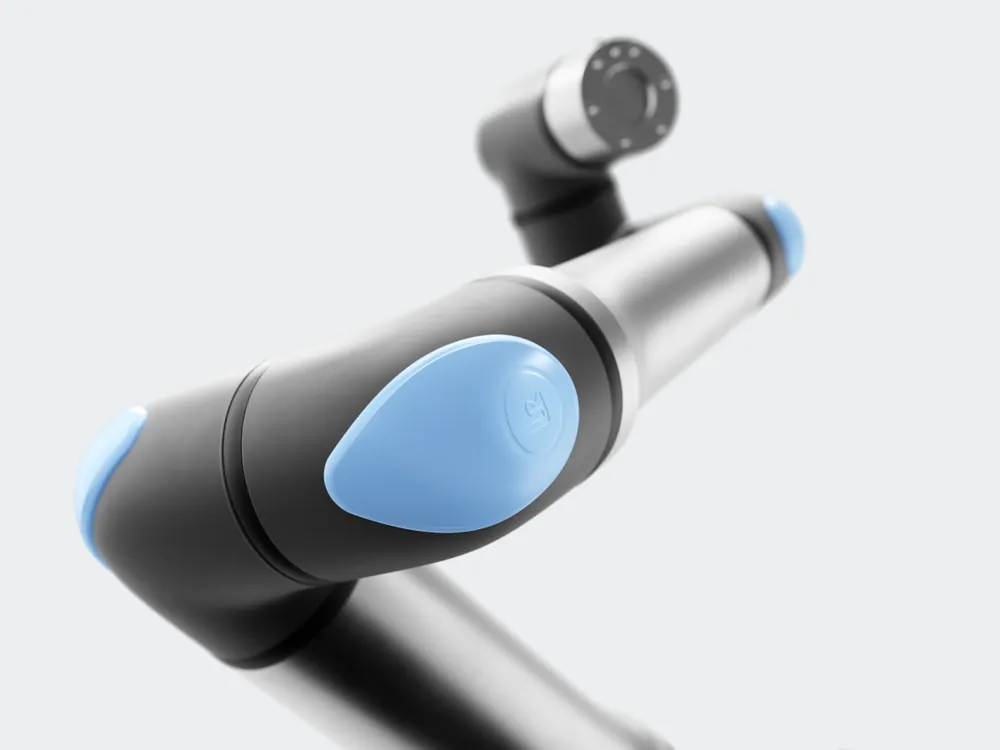
In addition to the standard warranty, access to the myUR customer portal for 24×7 technical support. It is recommended to enroll in the core training courses at Universal Academy, fully leveraging the capabilities of collaborative robots.
Applicable industries
Typical applications of this model in the following industries (click to view industry solutions).
Handles fine small parts with high repeatability, suitable for assembly, testing, and quality inspection.
Precise handling of sample transfer and assembly processes, compact size adapts to countertop environments and shared collaborative spaces.
Compact, safe, and easy to program, suitable for classroom teaching and space-constrained laboratories.
Minimal setup for adding desktop automation in confined spaces, compact footprint adapts to crowded machining units.
UR7e application scenarios
This model is commonly used in the following applications.
Using collaborative robots to improve the efficiency, consistency, and reliability of palletizing operations.
View details → Machine careCollaborative robots handle loading, unloading, and monitoring operations for CNC, injection molding machines, and other equipment.
View details → Arc weldingCollaborative robots deliver consistent, high-quality, repeatable welds in welding tasks.
View details → DispensingProvides precise and repeatable fluid control in scenarios such as dispensing, laminating, and gluing.
View details → Grinding and polishingAutomating surface treatment operations improves consistency and protects operator safety.
View details → Material handlingAchieve stable and flexible material flow during component handling and loading/unloading.
View details → Subtractive manufacturingAchieve precise force control and consistency in processes such as deburring, milling, and trimming.
View details → Quality inspectionAutomated inspection, measurement, and quality analysis are completed in conjunction with vision systems.
View details → AssemblyAchieve repeatable and precise component assembly and positioning on the assembly line.
View details →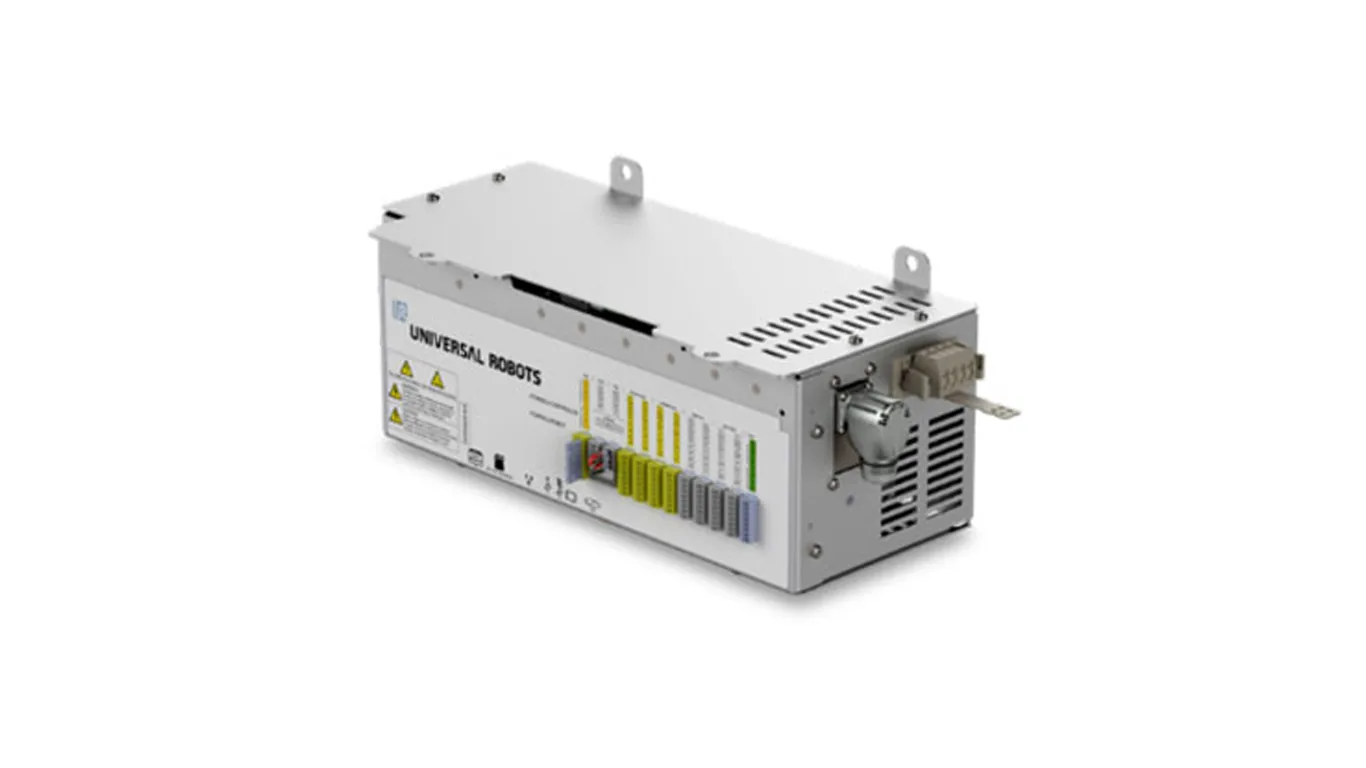
OEM systems
This model is also available as an OEM system, suitable for system integrators, OEM partners, or users who wish to create custom designs.
Unleash the full potential of your robotics team
By integrating your robot with our fully connected platform, you will be able to boost productivity, minimize downtime, and achieve efficient device group management—no matter where you are, you can conveniently accomplish all of this in the office.
Motion control
For process applications such as dispensing, welding, and machine tool loading and unloading, smooth motion is crucial. We place great importance on extending equipment lifespan and improving quality. The motion control algorithms we use reduce joint wear, thereby increasing equipment uptime, lowering maintenance requirements, and enabling collaborative robots to run at high speeds.
Make the most of your robot
The academy provides a series of step-by-step programming examples and tutorials for troubleshooting and repair tasks.
Learn how to set up the tool center point (TCP) and how to properly adjust payload and center of gravity.
Watch the video → Safety planeLearn how to create and configure the safety plane to prevent robots from moving outside the safe plane in normal or reduced mode, and can also trigger the reduction mode.
Watch the video → More informationVisit Universal Robots Academy to browse our popular topics and resource catalog to learn key programming points for Universal Robots.
Watch the video → Ensuring ultra-long uptimeWith Universal Care Services, you can rest assured that our commitment to excellence ensures ultra-long uptime through 24×7 support, remote connectivity, and on-site on-site service (for rapid faults/repairs).
Watch the video →Typical application scenarios
Common application processes for this model (click to view process details):
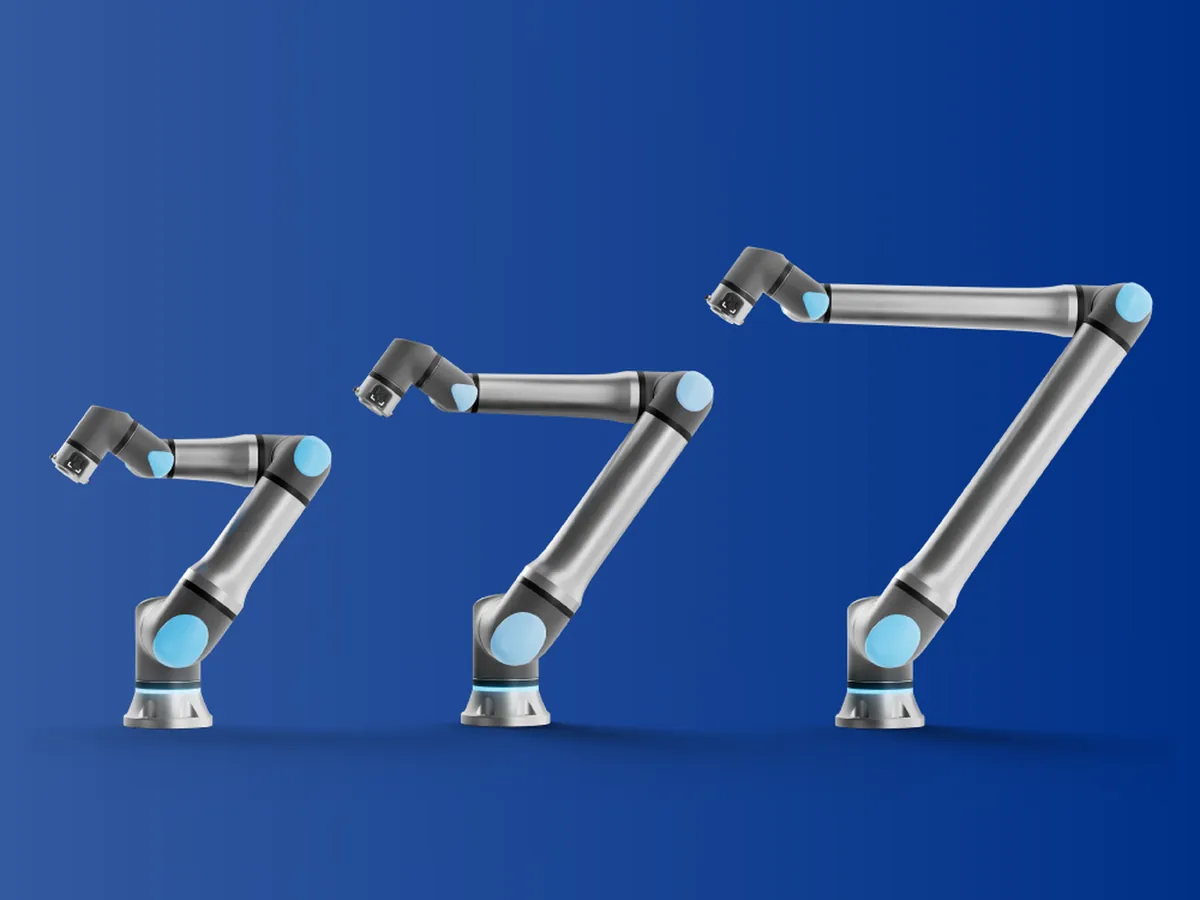
e Series Collaborative Robots · Other models in the same series
Compare load and reach to choose the model that best suits your process.
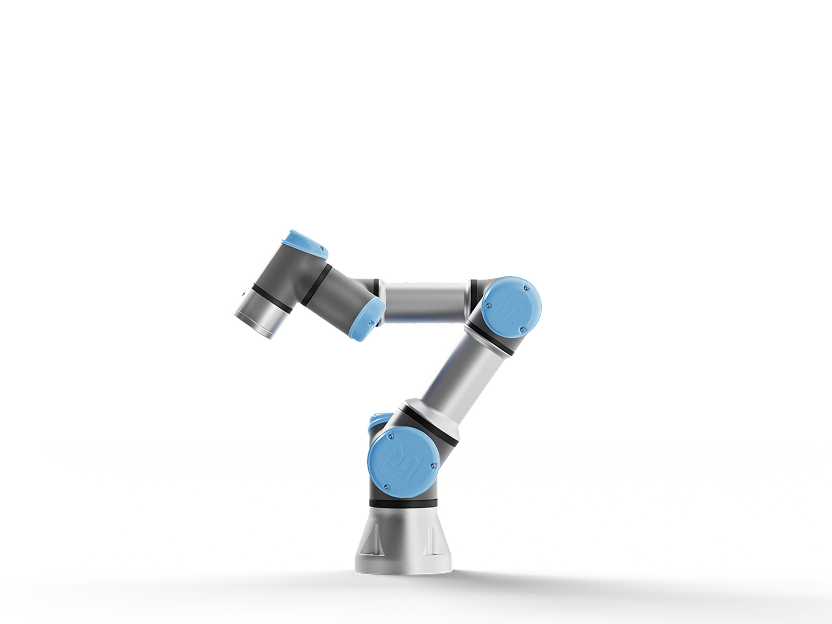
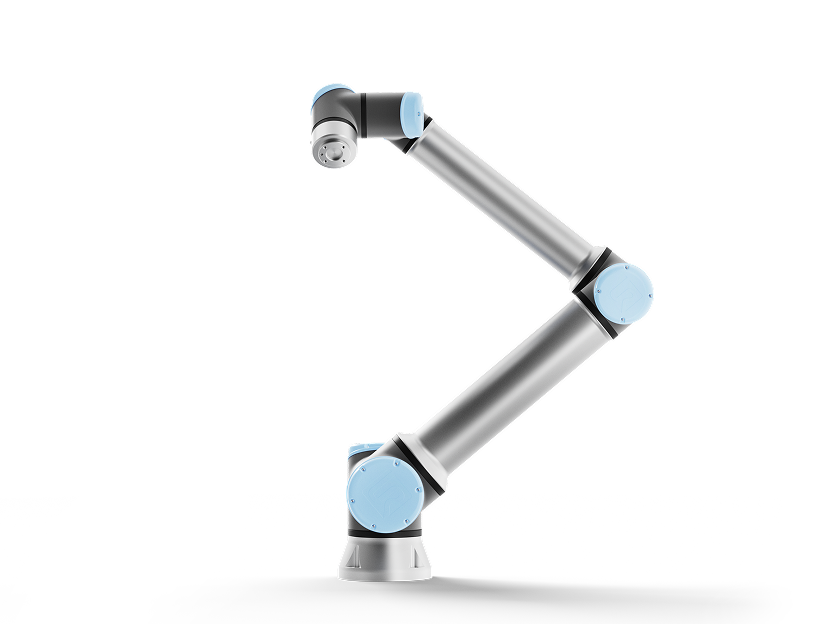
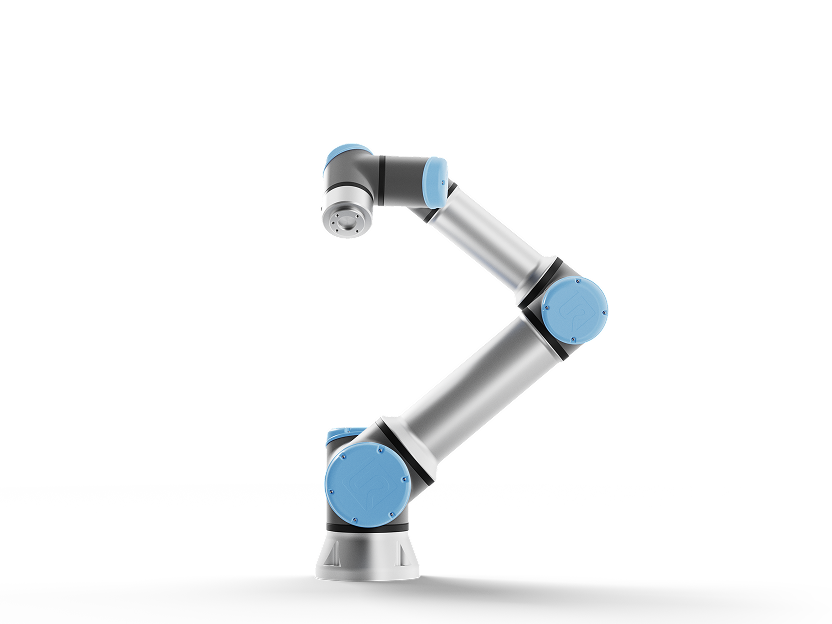
UR7e model positioning and working condition adaptation
UR7e It belongs to the Universal Robots collaborative robot model, with a rated load of 7.5kg, a motion radius of 850mm, and a repeatability of ±0.03mm. Universal's technical foundation is that it is a pioneer of collaborative robots, with the richest UR+ certification ecosystem and industry benchmarks for deployment and redeployment efficiency; The control platform is the UR control box (CB3 / e-Series), and the program ecosystem is Polyscope graphical programming + URScript.
From the perspective of working condition adaptation, typical applications for light load (7.5kg) positioning are:Machine tool loading and unloading, 3C assembly, inspection, and handling of small and medium-sized partsCommon application processes for this model include material handling, machine tool maintenance, assembly, and quality inspection. The medium reach (850mm) meets the needs of conventional workstations, with flexible single-station layout. ± 0.03mm repeatability is the standard level for six-axis industrial robots, covering most working conditions such as welding, handling, palletizing, and loading/unloading. The end fixture is counted as a load from the most important point—the total of gripper + workpiece + sensor should not exceed 80% of the rated value. Workpieces with high inertia (long rod/uneven load) should be checked separately.
| Parameters | Engineering interpretation and usage recommendations |
|---|---|
| Rated load 7.5kg | It is recommended to reserve a load margin of 20%–30%; Verification is made by combining end self-weight + workpiece + imbalanced load inertia, especially sensitive to high-speed conditions |
| Movement radius: 850mm | Determine the radius of the workcell layout: bins, tooling, and fences are bounded by maximum arm span + safety distance; Verify the accessibility of each pick-and-place point during cross-station service |
| Repeatability: ±0.03mm | Repeatability ≠ absolute accuracy: Precision assembly requires external measurement closed-loop or visual guidance; Long-term accuracy trends rely on annual retest management |
| Main body weight: 20.6kg | Installation base and foundation load-bearing check based on weight + dynamic load; Floor slab installation requires structural calculation, with heavy-duty models serving as independent foundations |
| Controller: UR control box (CB3 / e-Series) | Decide on the process ecosystem, spare parts channels, and second-hand residual value; Currently, spare parts channels are smooth, and repair and upgrade paths are mature |
Control systems and common failure modes
The UR control box (CB3 / e-Series) controller accompanying the UR7e uses Polyscope graphical programming + URScript programming language and development environment. Maintenance of this generation of control platforms focuses on three basic components: power, storage, and cooling—most "sudden downtime" can be detected in advance when preventive maintenance is in place.
| Failure mode | Typical performance | Disposal recommendations |
|---|---|---|
| Joint fault code | Joint fault codes (overheat/overcurrent, often related to collision history or high load rate) | Included as a mandatory inspection item for annual maintenance, with spare parts stocked in advance |
| Power box | Power supply failure | Initial interpretation of alarm codes by reference with manuals, remote diagnosis allows for early positioning |
| The teach pendant screen is aging with touch | The teach pendant screen is aging with touch | Daily inspection coverage, with abnormal trends (abnormal noises/temperature rise/errors) recorded |
| Terminal tool communication malfunction | Terminal tool communication abnormalities (UR+ third-party inconsistency) | Quarterly dust removal maintenance and cabinet temperature monitoring |
| Maintenance projects | Cycle recommendations | Key points |
|---|---|---|
| Joint health is regularly checked using official diagnostic tools | Periodically | Joint health is regularly checked using official diagnostic tools |
| Power box cooling and input voltage management | According to the manufacturer's manual cycle | Power box cooling and input voltage management |
| Program backup and version management | According to the manufacturer's manual cycle | Program backup and version management |
| Cable and drag chain inspection | every six months | Insulation, shielding, and bending radius inspection of power and encoder lines, as well as wear of cables inside the drag chain, are the main causes of intermittent faults |
| Zero point and accuracy retest | Every year | Repeatability measured by dial gauges or laser trackers, drift trend digitization—accuracy degradation can be seen six months in advance |
| Control cabinet dust removal and fans | Every quarter | Filter cleaning, fan speed and noise checks, cabinet temperature recording; Dust environments shorten the cycle |
Henghuan's service capabilities for UR7e
This site is a third-party robotics technology service provider. The eight major services supported by UR7e are as follows (listed by service frequency for each model):
- Maintenance and repair: For UR7e on-site diagnostics, board-level maintenance, and annual maintenance contracts—including regular reading of joint health with official diagnostic tools, we follow SOPs and respond to Sichuan-Chongqing on the same day.
- Used & in-stock robot sales: There is a large circulation of second-hand products but refurbished parts are mixed in. Purchasers must check joint serial numbers and repair history. We provide full joint inspection reports; The UR7e or equivalent models in the inventory come with a full-function test report and a 12-month warranty.
- Sales of new industrial robots: When adding new production lines or replacing entire batches, we conduct cross-brand selection comparisons based on process requirements (including models of the same class as Universal Universal), and provide configuration and pricing plans.
- Applied technology services: UR7e process programming, trajectory optimization, tap time potential, and model change formula management, with targeted commissioning according to material handling, machine tool maintenance, assembly, and quality inspection conditions.
- Research and development of automation equipment: Custom fixture ends, peripheral tooling, and safety fences for UR7e, with interfaces designed according to Universal flange and IO standards.
- Robot rental: For short-term capacity or process validation periods, UR7e equivalent in-stock models can be rented, including transportation, installation, and commissioning, with flexible rental periods and flexible options for repurchasing.
Common issues with this device
Is it easy to find UR7e spare parts?
Universal International's spare parts channels for this generation are smooth; we have in-stock or short-cycle channels for standard parts such as drivers, power modules, batteries, and teach pendant components; Joint health is monitored regularly with official diagnostic tools, and consumables are recommended to be configured according to the annual maintenance contract.
With a nominal load of 7.5kg, how much can it actually handle?
The rated load is the static load limit of the flange surface. In actual selection, three factors must be considered: the self-weight of the end fixture (vacuum suction cup groups or grippers often account for 2–5kg), the inertia generated by the workpiece offload (checked according to the inertia ratio when the center of gravity deviates from the flange center), and the dynamic load during high-speed movement. The conventional engineering practice is to keep the "end + workpiece" within 70%–80% of the rated value to ensure cycle time and service life.
If the equipment's accuracy deteriorates after several years of use, how can it be restored?
According to the inspection order: first check whether the zero point is drifting (common after collision or battery depletion), then perform zero calibration; Check the reducer's return error (actual measurement of forward and reverse positioning deviation; if exceeded, disassemble or replace); Then check the installation base fastening and foundation settlement; Finally, trajectory compensation parameter restructuring. Most accuracy issues can be mostly restored after calibration and maintenance, so there is no need to rush into major repairs—we first release the inspection data before deciding on the plan.
Is the used UR7e worth buying?
There is a large circulation of second-hand products, but refurbished parts are mixed in. Buyers must check joint serial numbers and repair history. We provide full joint inspection reports. Three essential items for second-hand procurement: comprehensive inspection reports (axial accuracy, driver status, insulation and battery), maintenance history and operating hours, controller generation, and software license integrity. Every used machine we sell comes with inspection records and a 12-month warranty, and we can also accept third-party inspections designated by customers.
Need technical support or procurement for this model?
Whether it's model selection comparison, installation and commissioning, or maintenance of in-use equipment, you can contact Henghuan. Tell us about your processes, loads, and equipment status, and we will provide third-party technical support and solution recommendations.
Contact Henghuan Back to the full series