
Welding and palletizing models from 3 to 800 kg — QJAR industrial robots (robotic arms/manipulators) with full service support
Under the ASDA Group, it covers all processes including welding, loading and unloading, palletizing, and handling. The official website sells about 40 models with a maximum load capacity of 800kg.
Welding the entire machine + power supply platform with excellent strength
QJAR official website products are divided into three main categories: industrial robots, welding power supplies, and auxiliary equipment. The robot bodies are categorized by process suffix, providing complete configurations for welding scenarios.
400-1000mm boom, ± 0.01mm accuracy, loading and unloading assembly.
Hollow arm, built-in cable, main model for arc welding.
With a 1400-2300mm boom, it is versatile for handling, palletizing, and spraying.
Palletizing and handling large workpieces, with a 2500-3100mm boom.
The official website lists separate categories and provides complete supply with robots.
Product series and specifications
The following specifications are compiled from the official QJAR Robot QJAR website (load, reach, footprint, body weight) for model selection comparison.
QJR-S series small high-speed robots
3-20kg · Short reach, fast beat
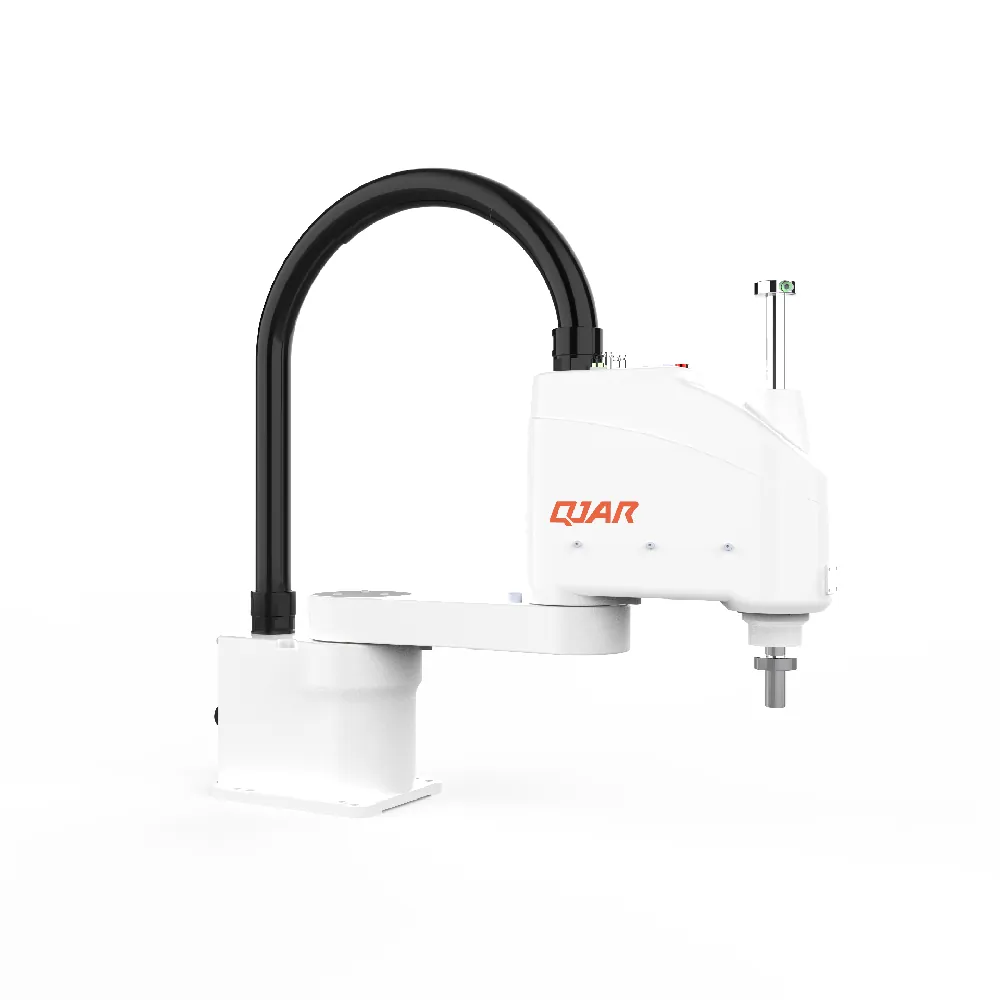
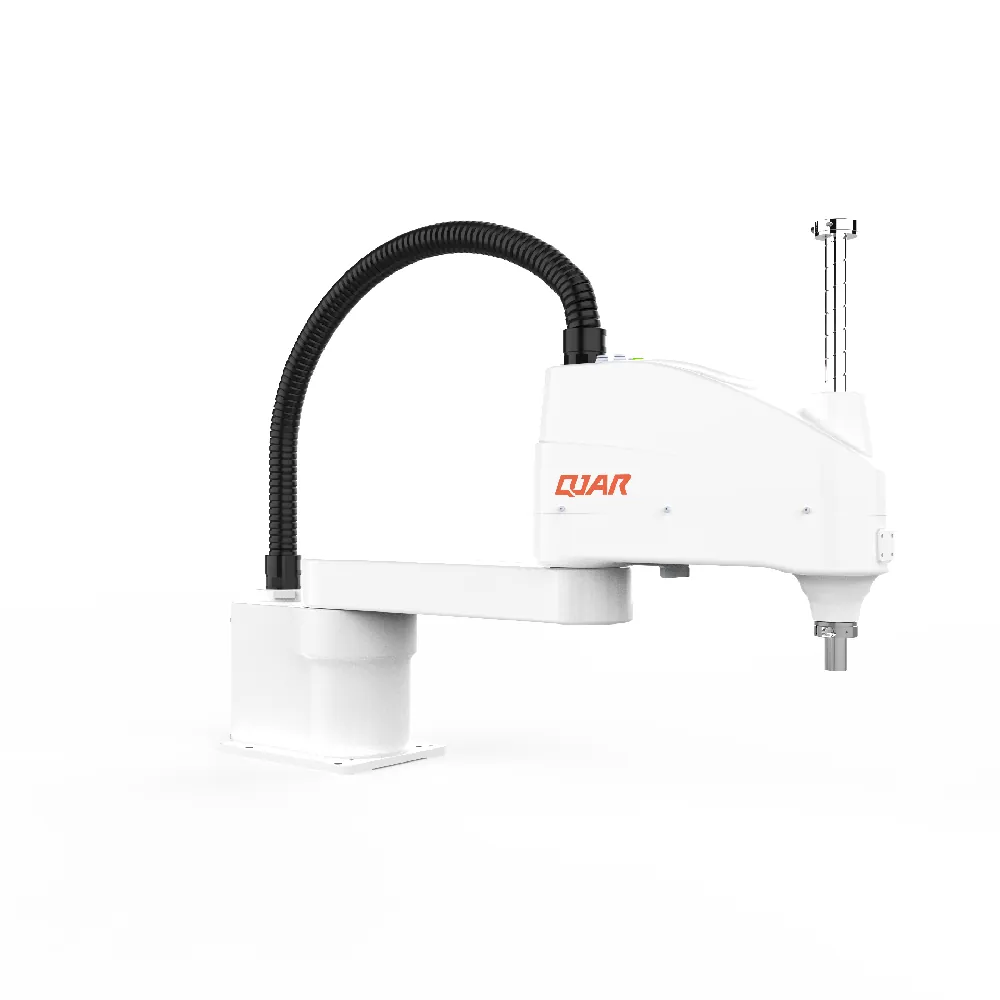
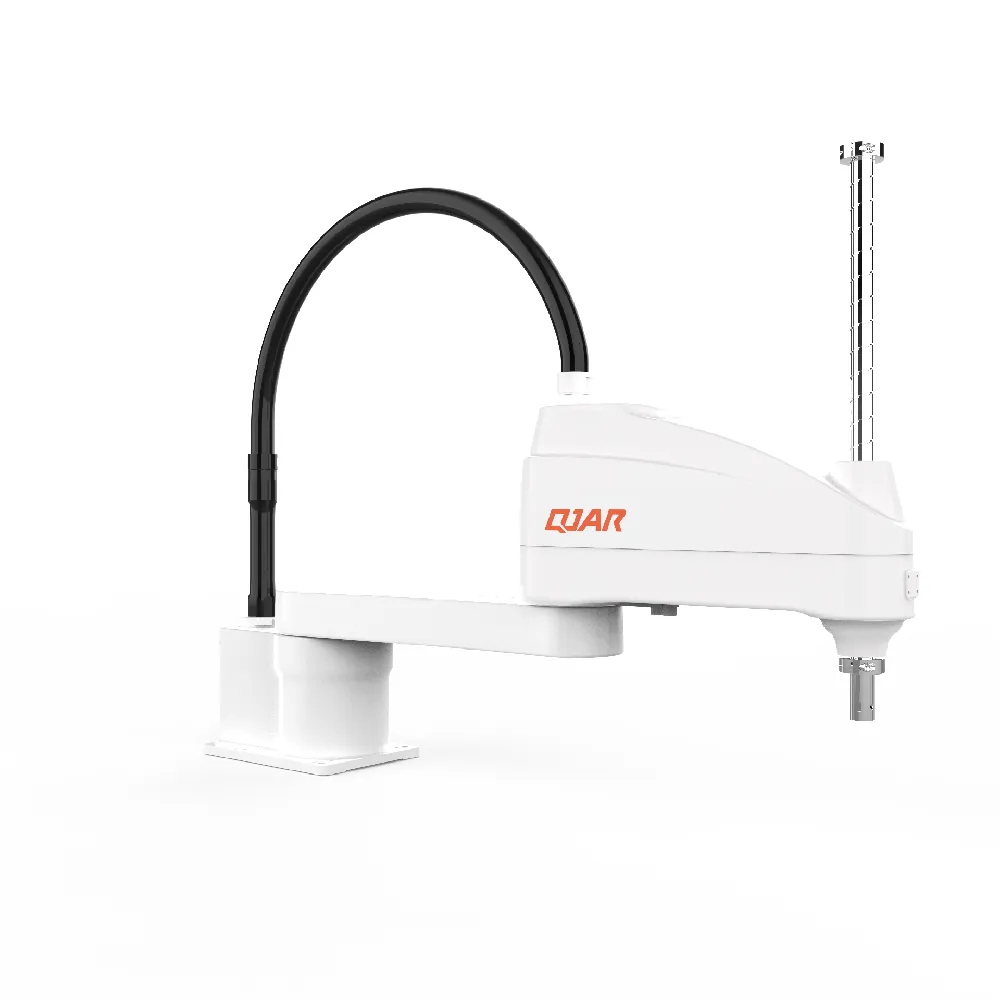
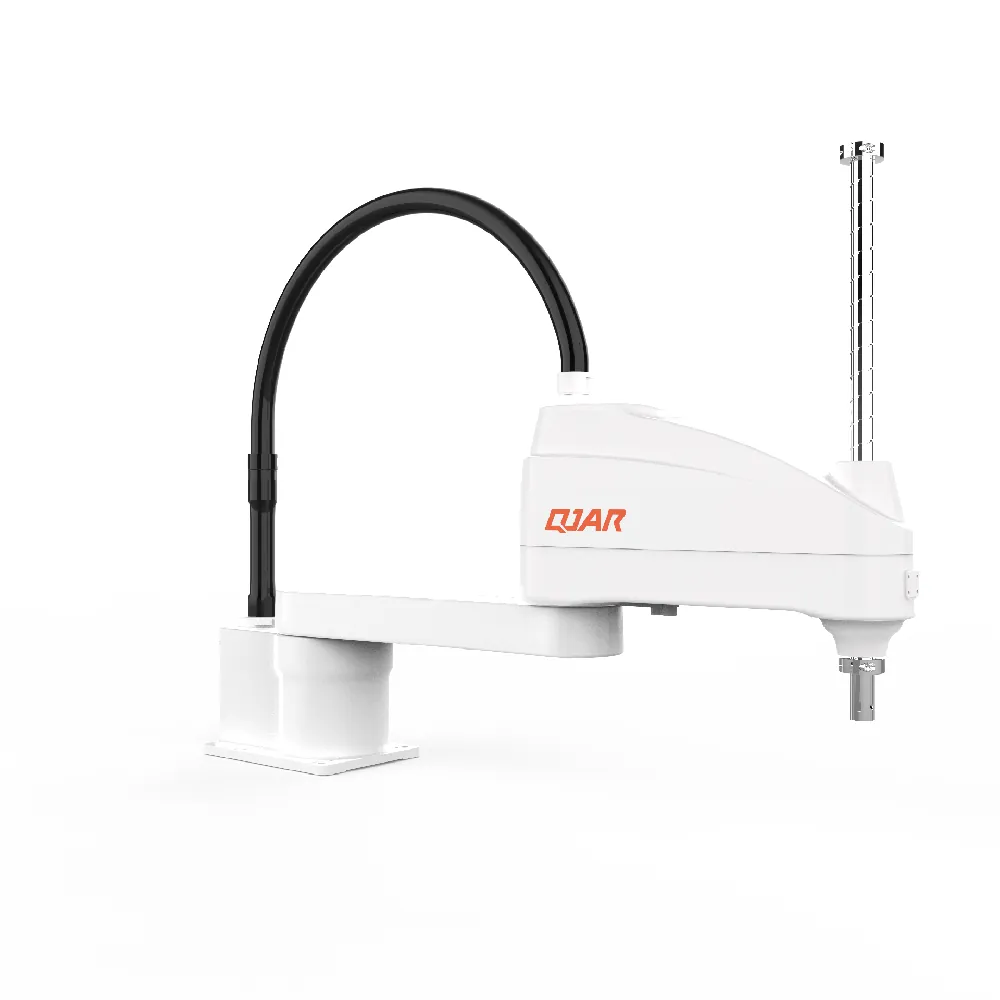
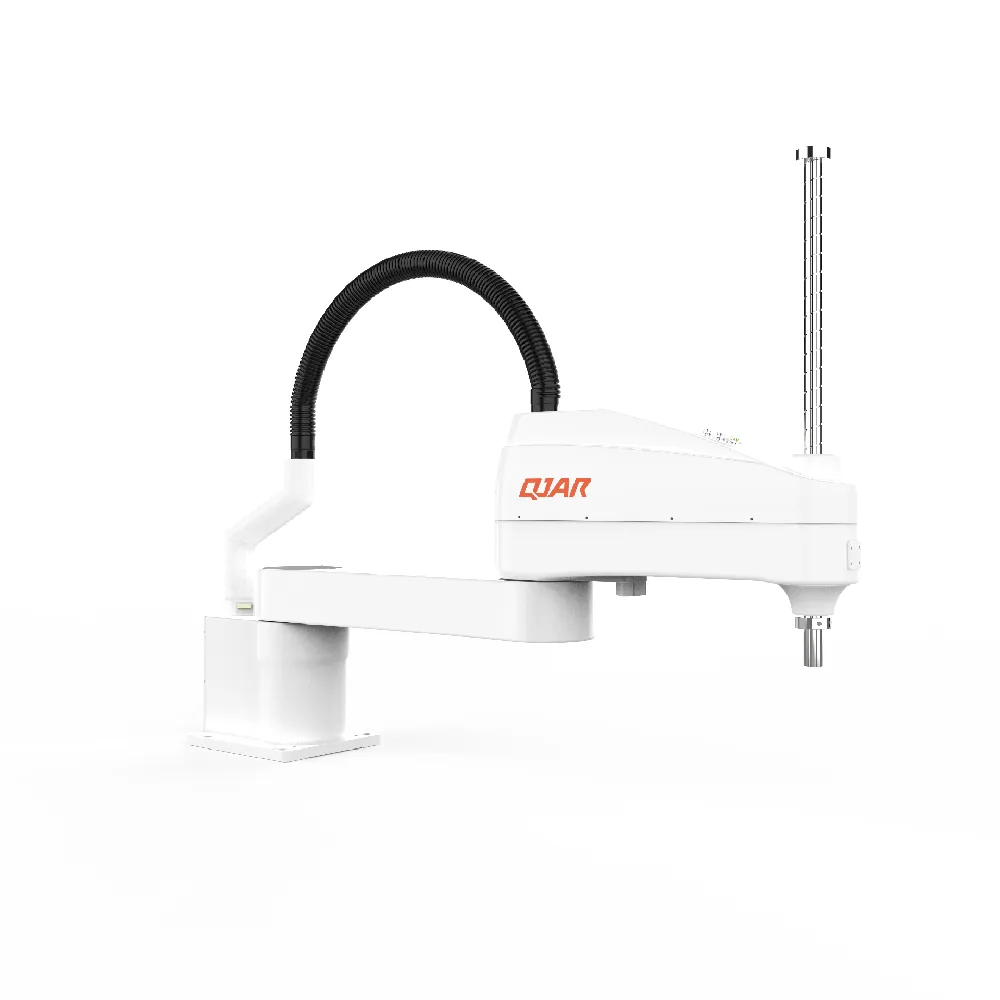
400-1000mm short arm span, maximum repeatability of ±0.01mm (QJR3-400S).
The official website categorizes applications into loading/unloading, assembly, and sorting categories.
The compact machine body is suitable for machine tools and narrow workstations.
Arc Welding Series Robots (H/Welding Model)
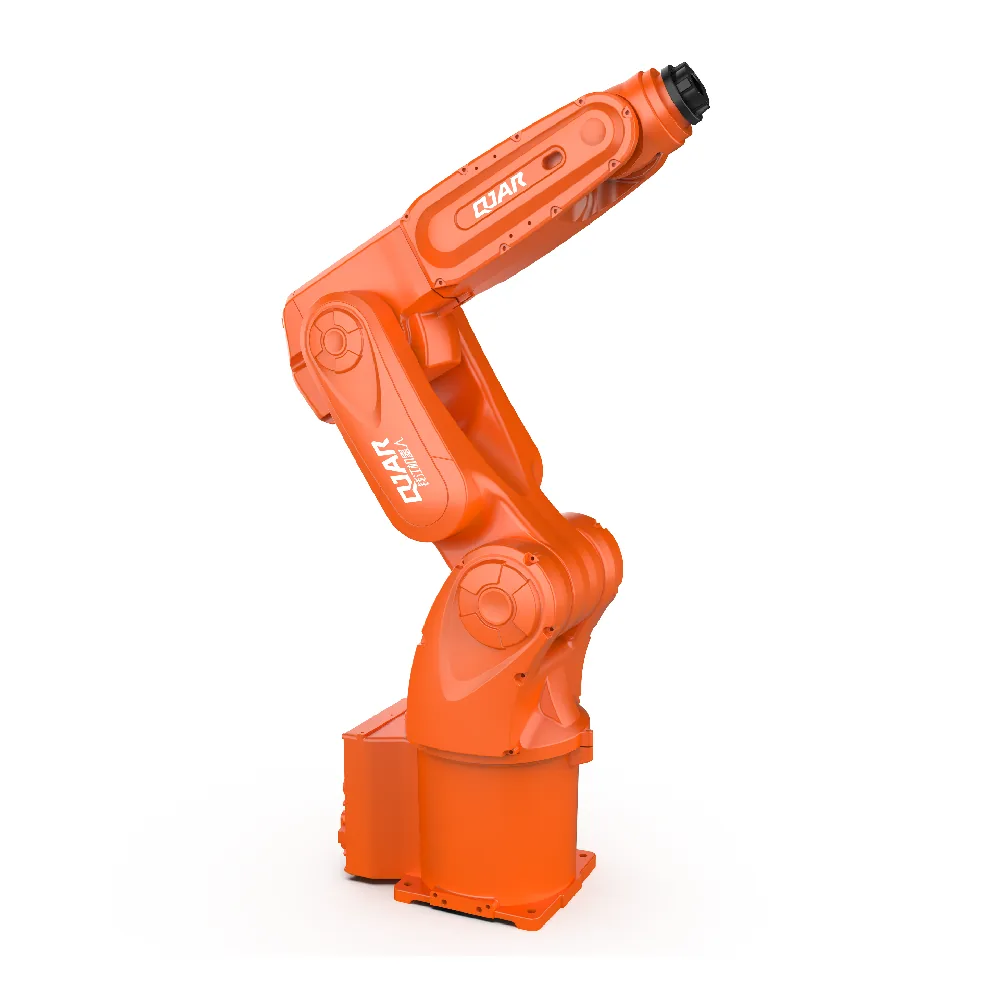
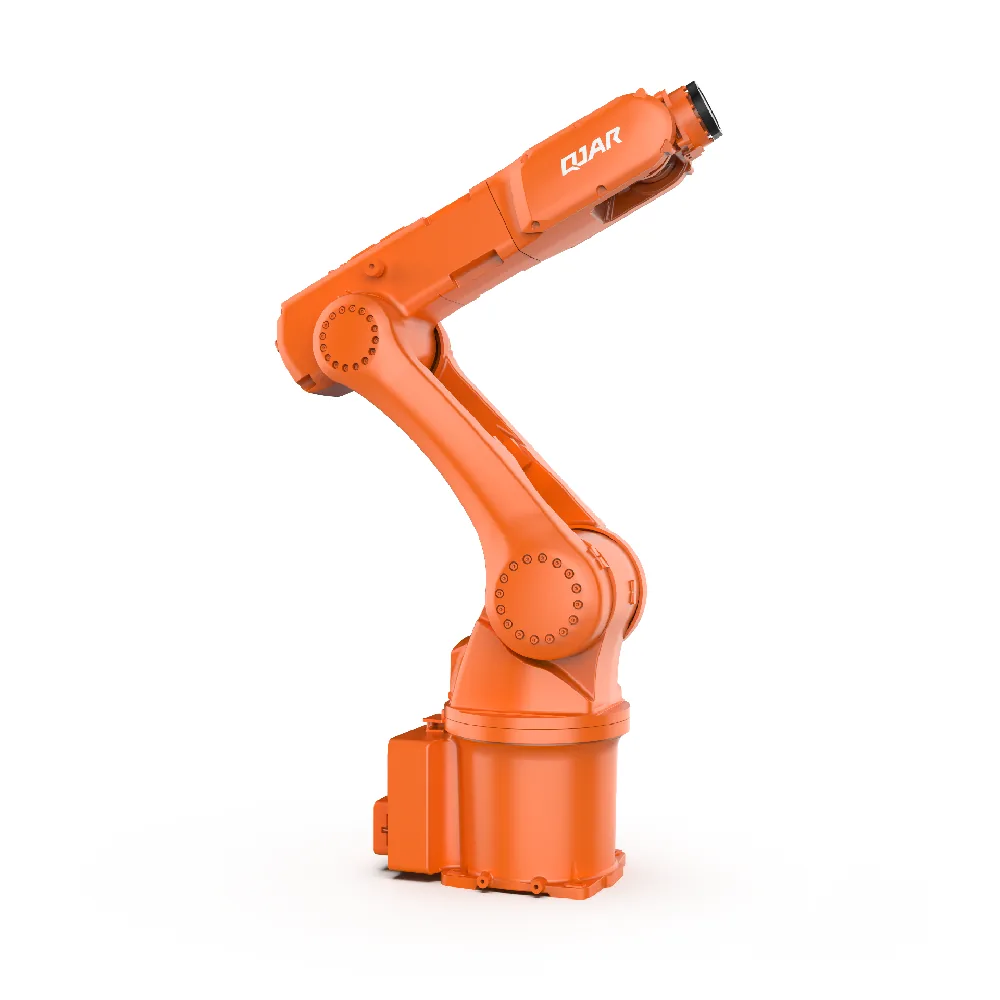
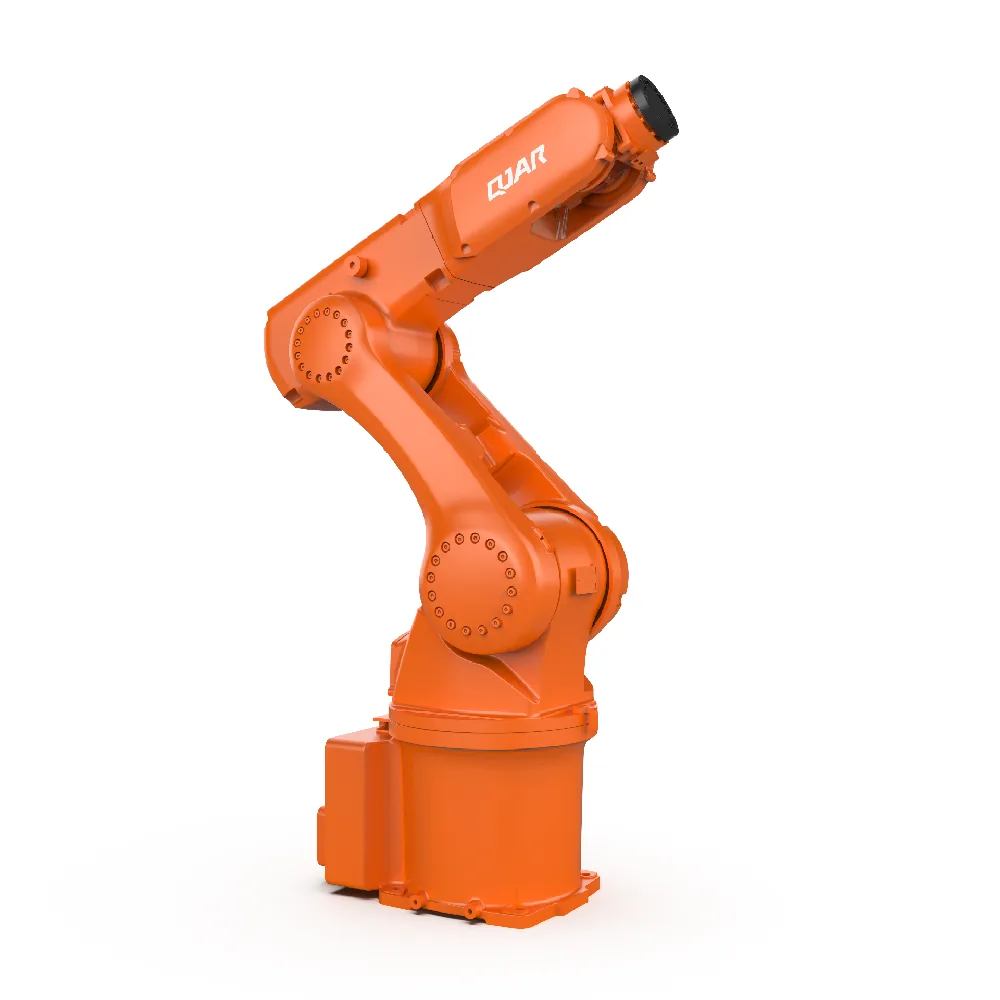
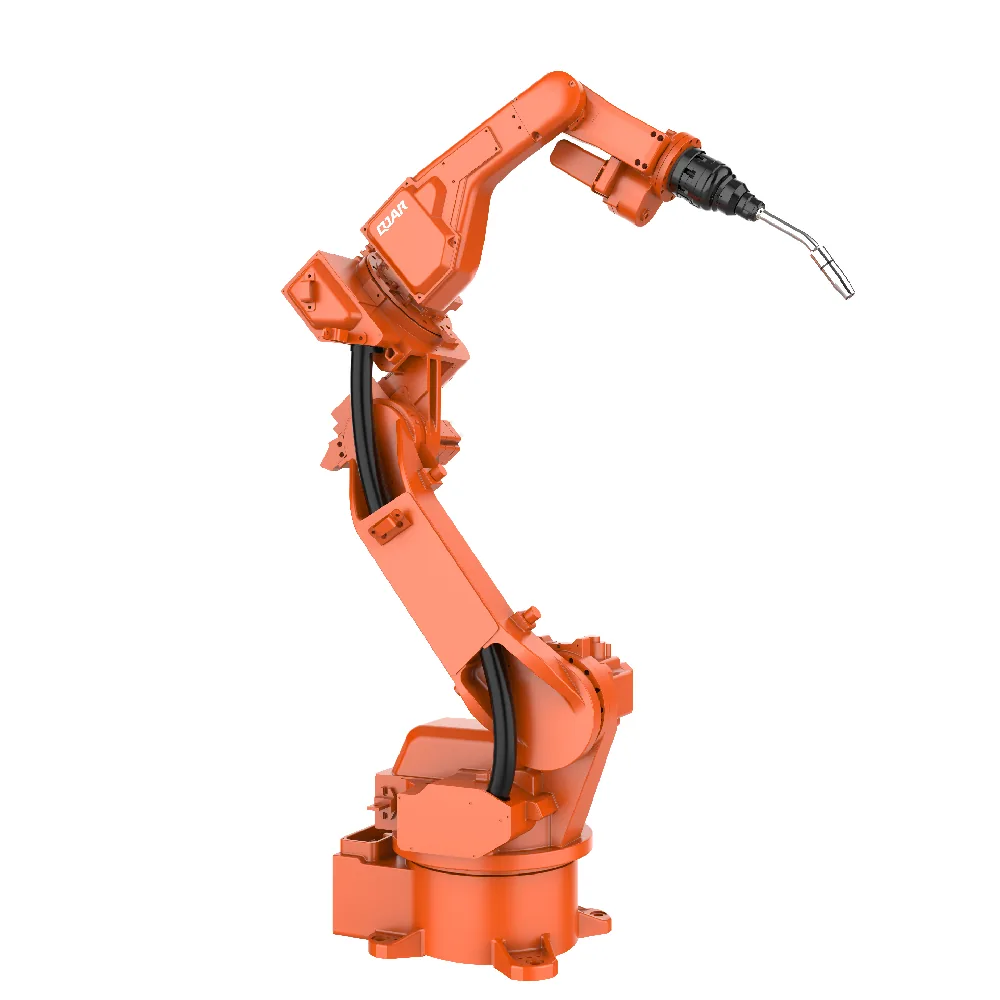
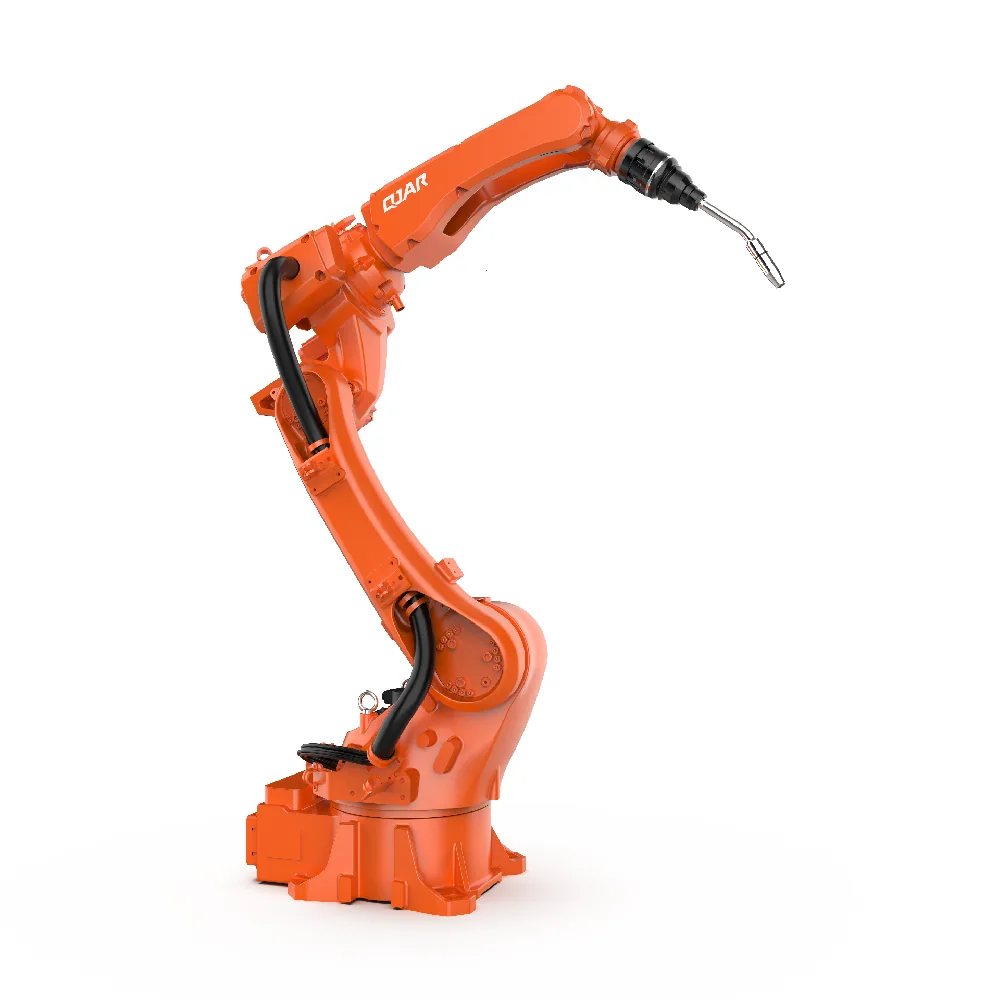
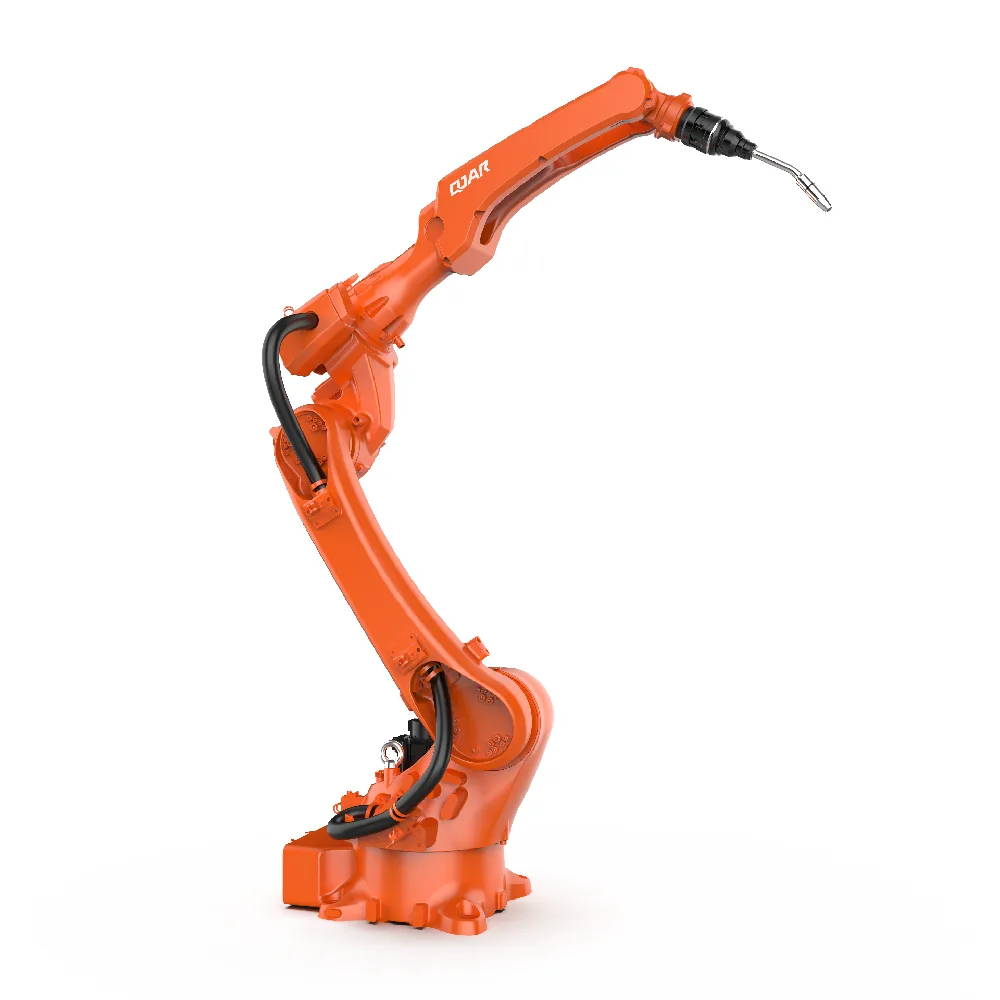
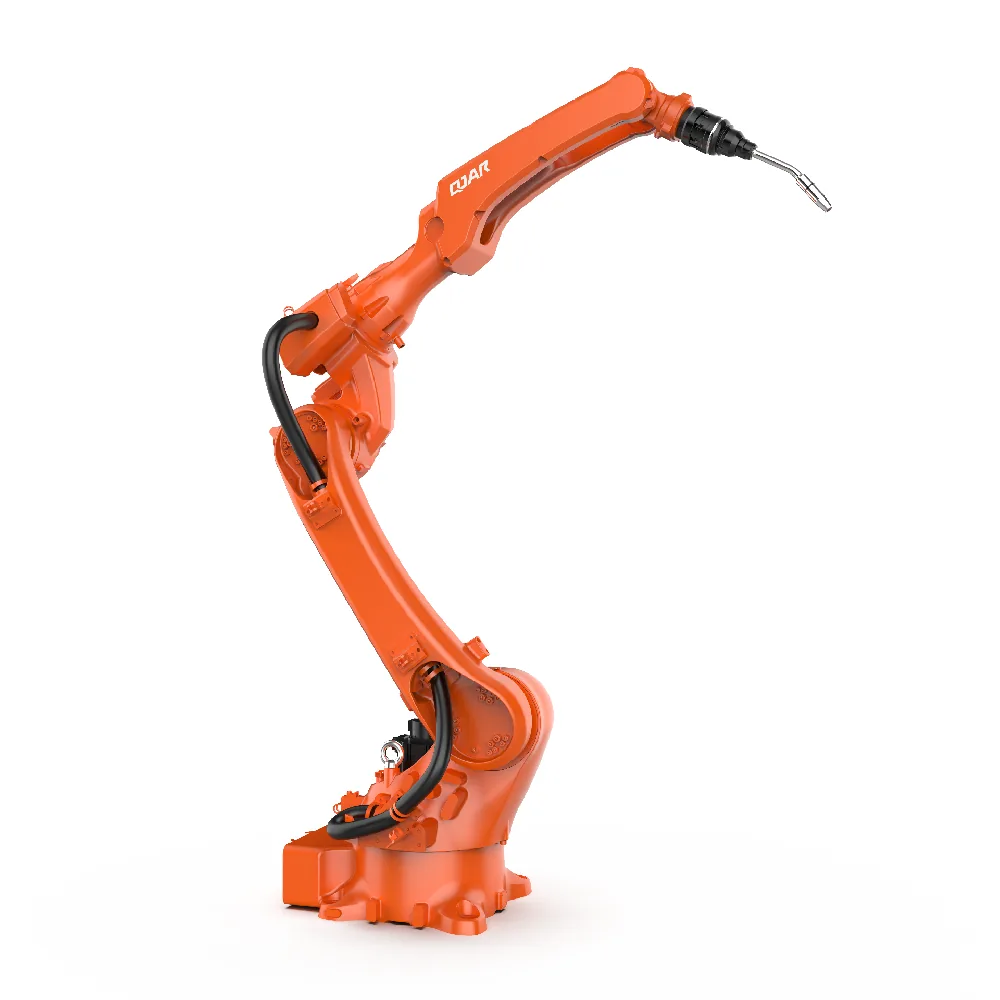
4-10kg · Hollow Arm · Welding main force
Official product features: hollow structure with arms and wrists, built-in welding cable, suitable for welding in narrow spaces.
After installing the fuselage cover, it can be used in harsh environments.
Multiple armspans from 1400mm to 2100mm matched tooling layouts.
2024 Public News: 800 welding robots serve Honglu Steel Structure.
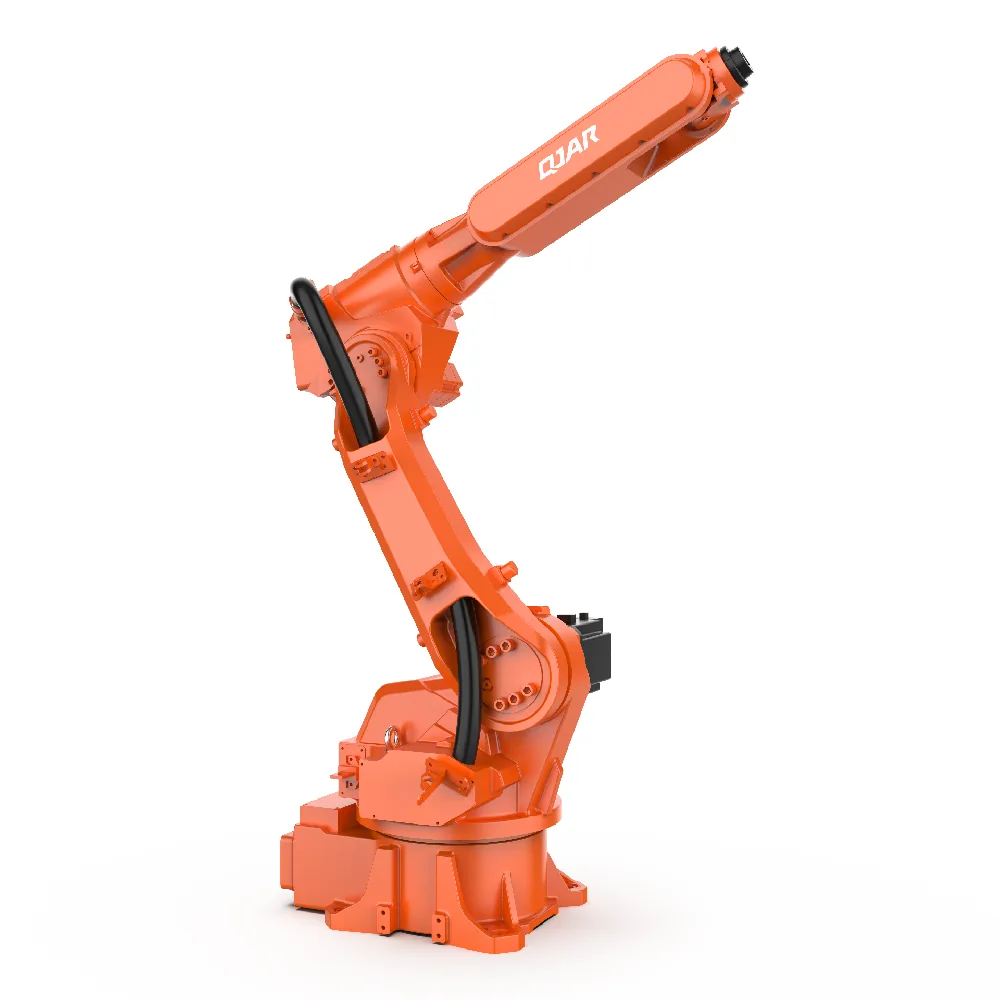
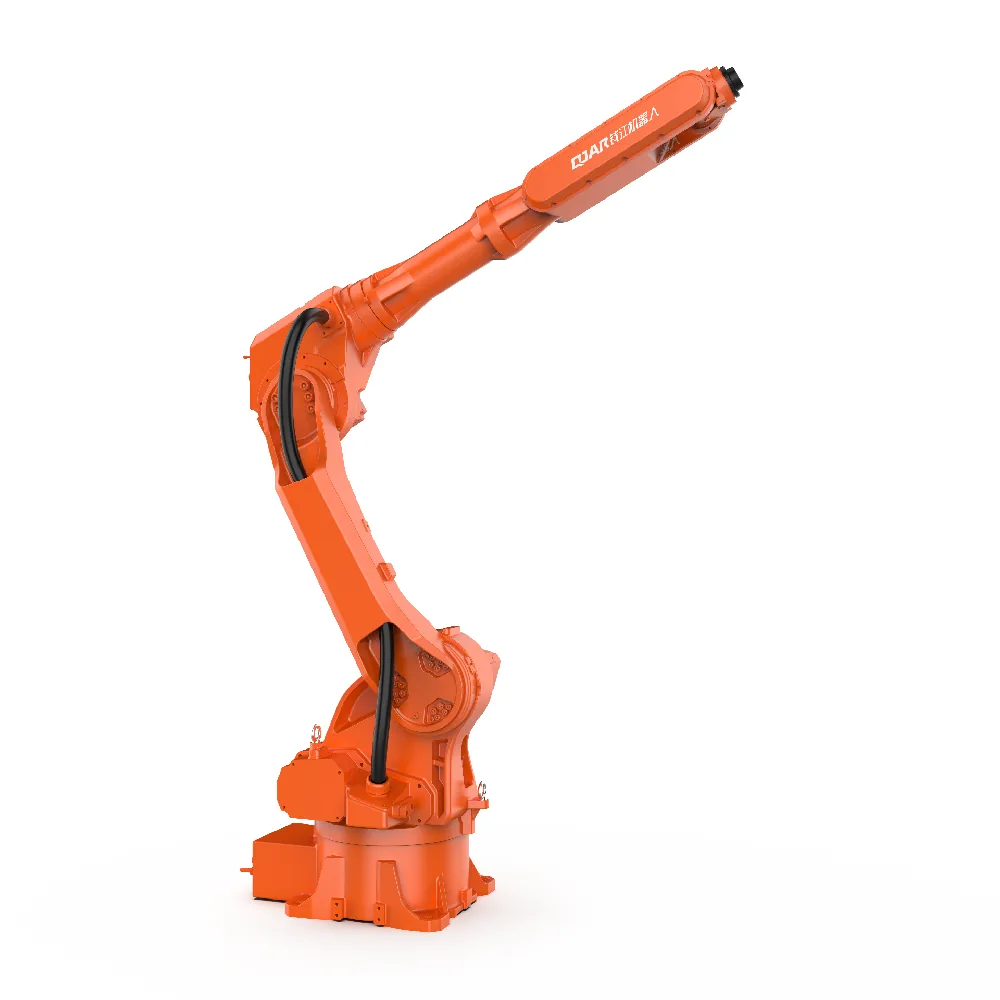
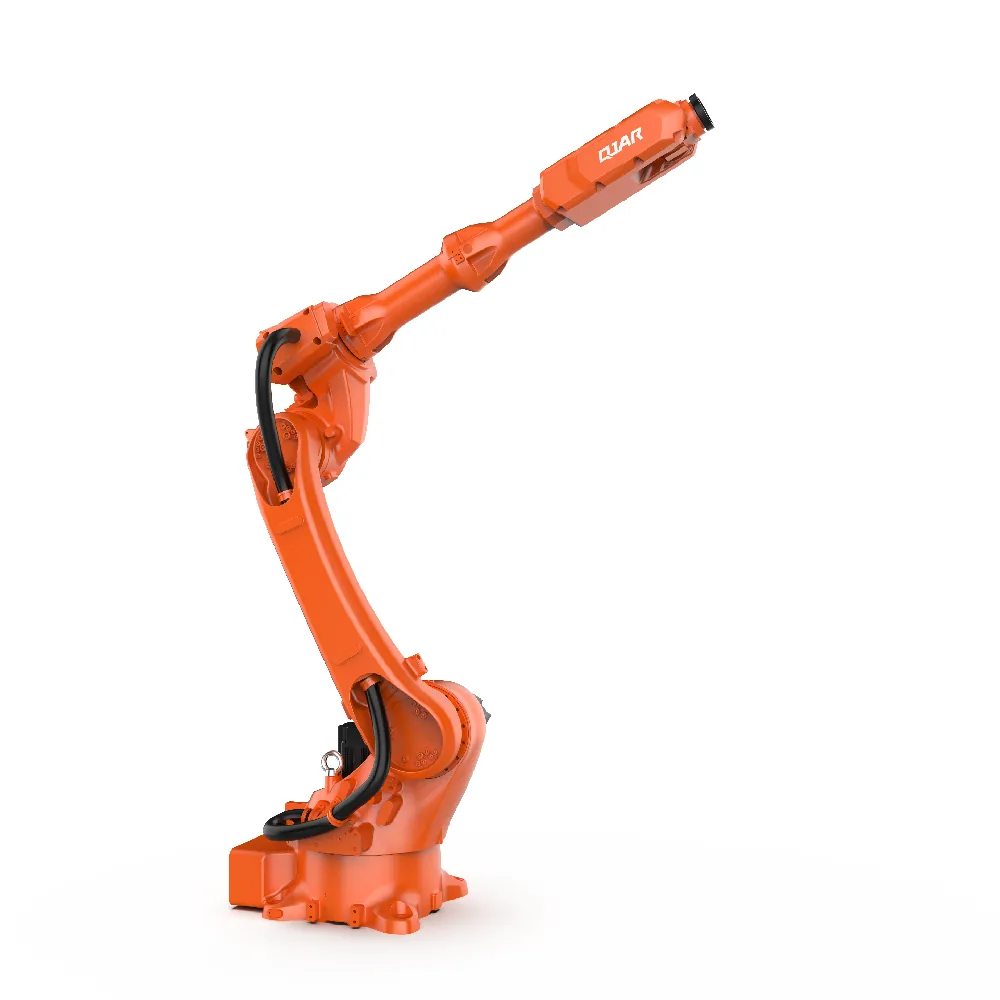
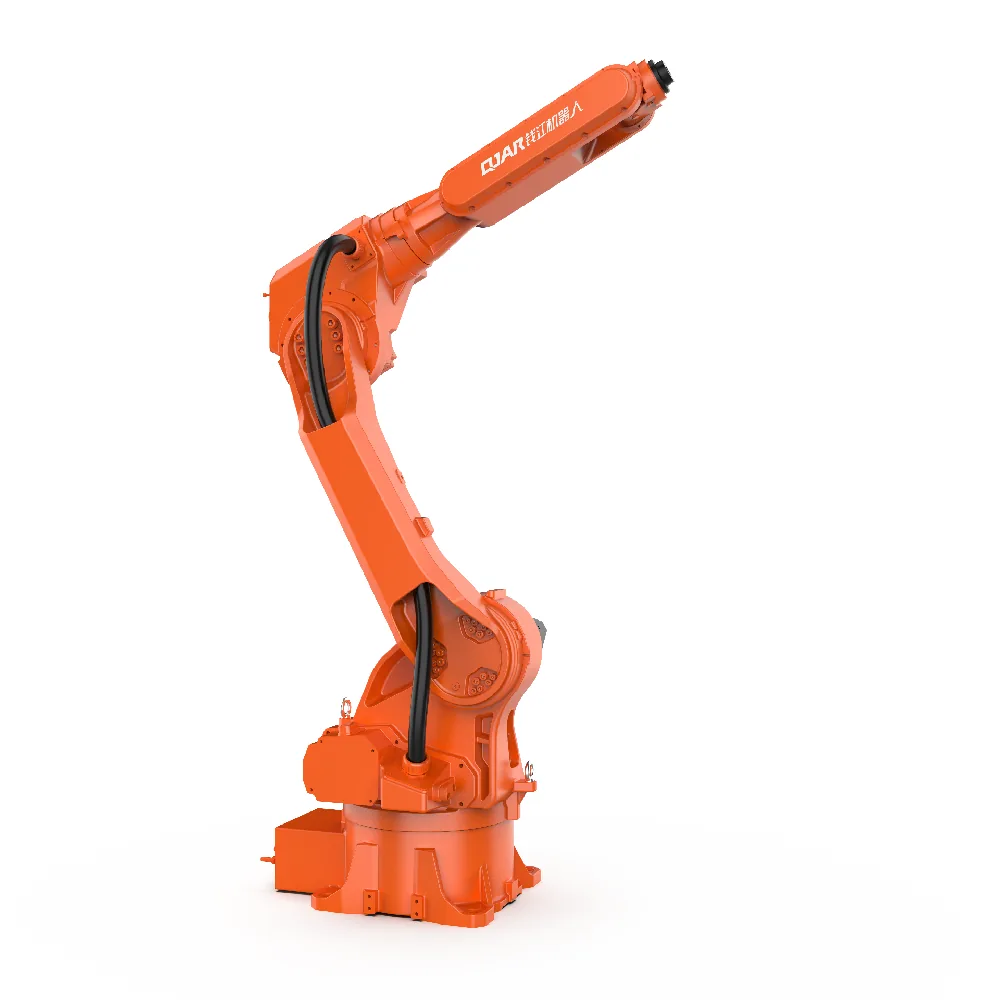
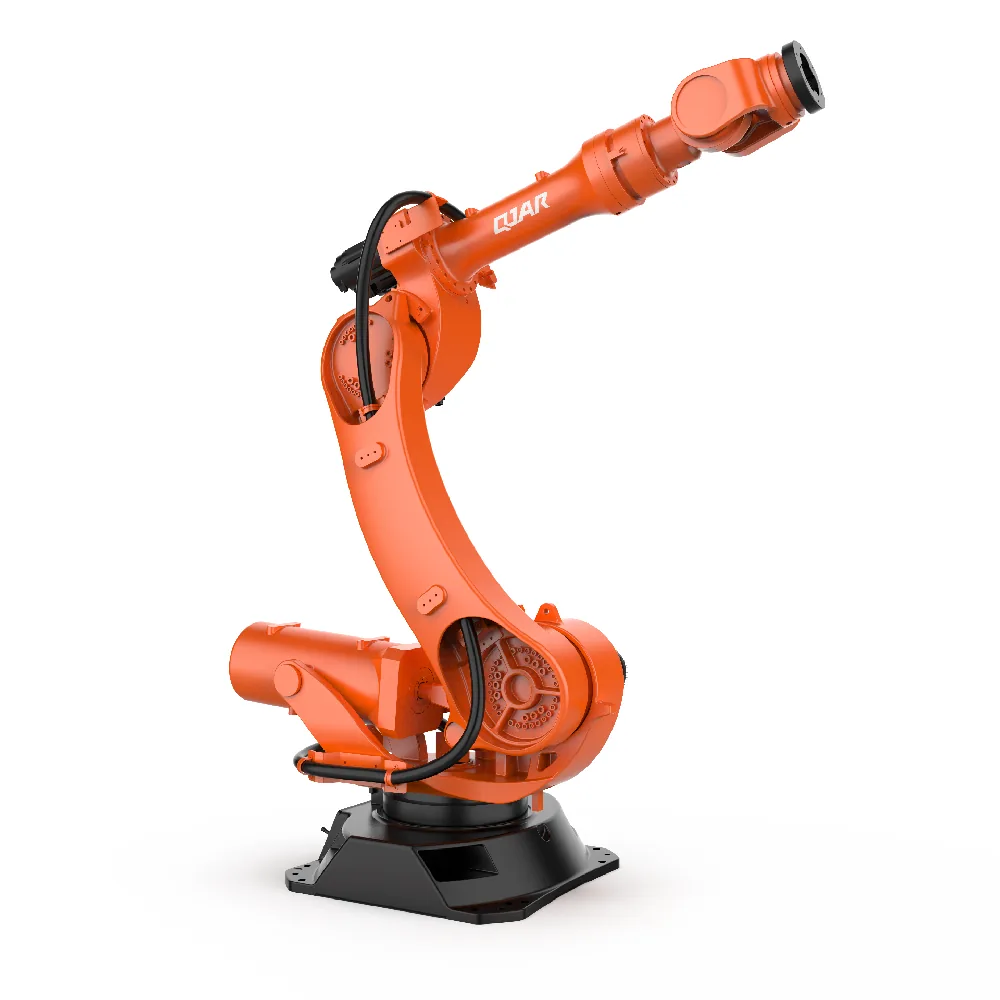
QJR universal six-axis series
6-12kg · Reach ranges from 1500 to 2700mm
The official website filters by application to correspond to categories such as handling, loading and unloading, and spraying.
Multiple settings for 10/12/15kg, with some models having dual load settings.
The QJR6-2700P offers a 2701mm coverage radius, and the official website positions it as spray synchronized tracking and teaching.
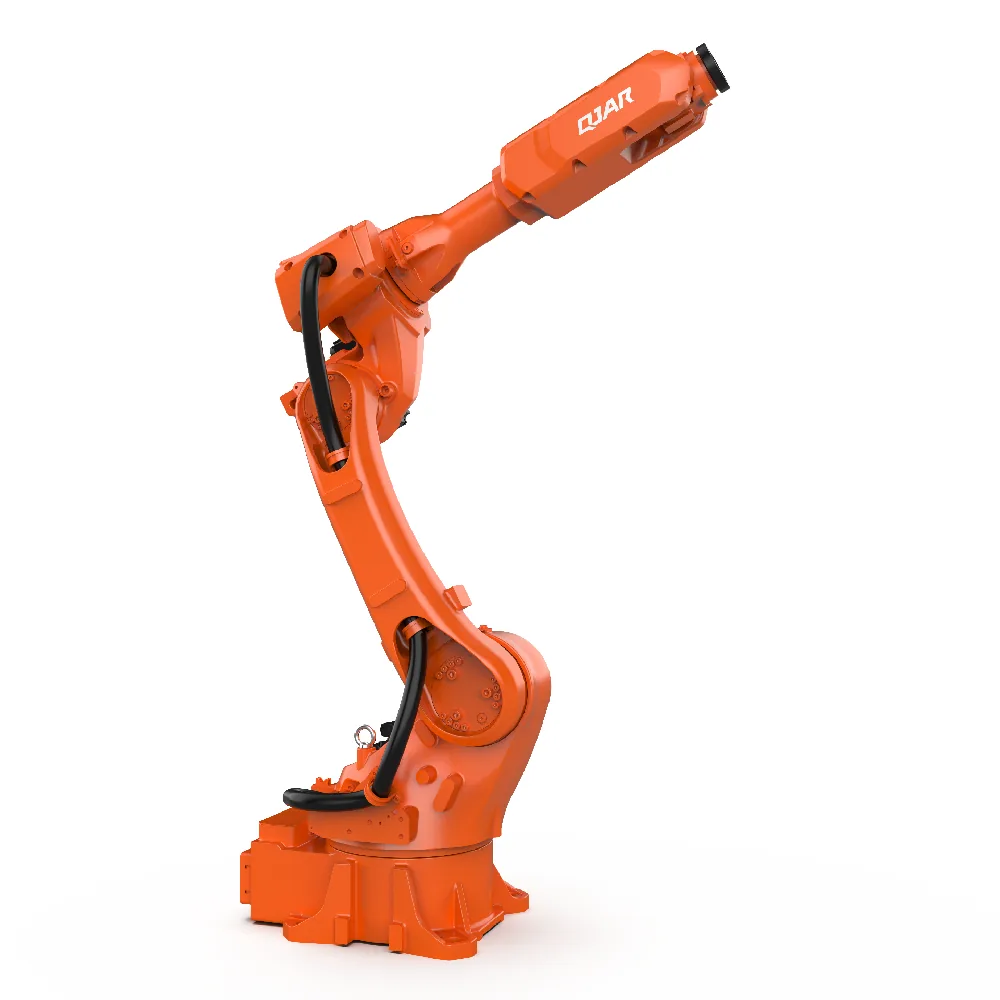
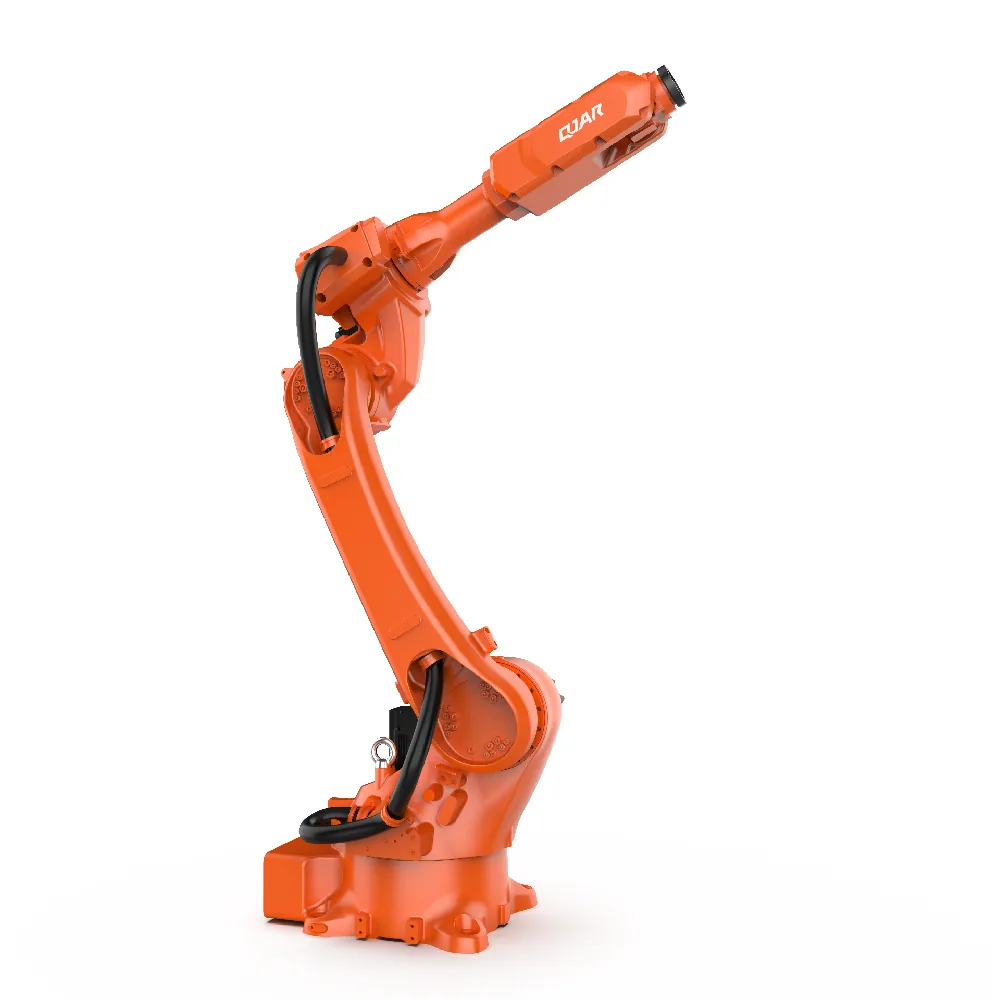
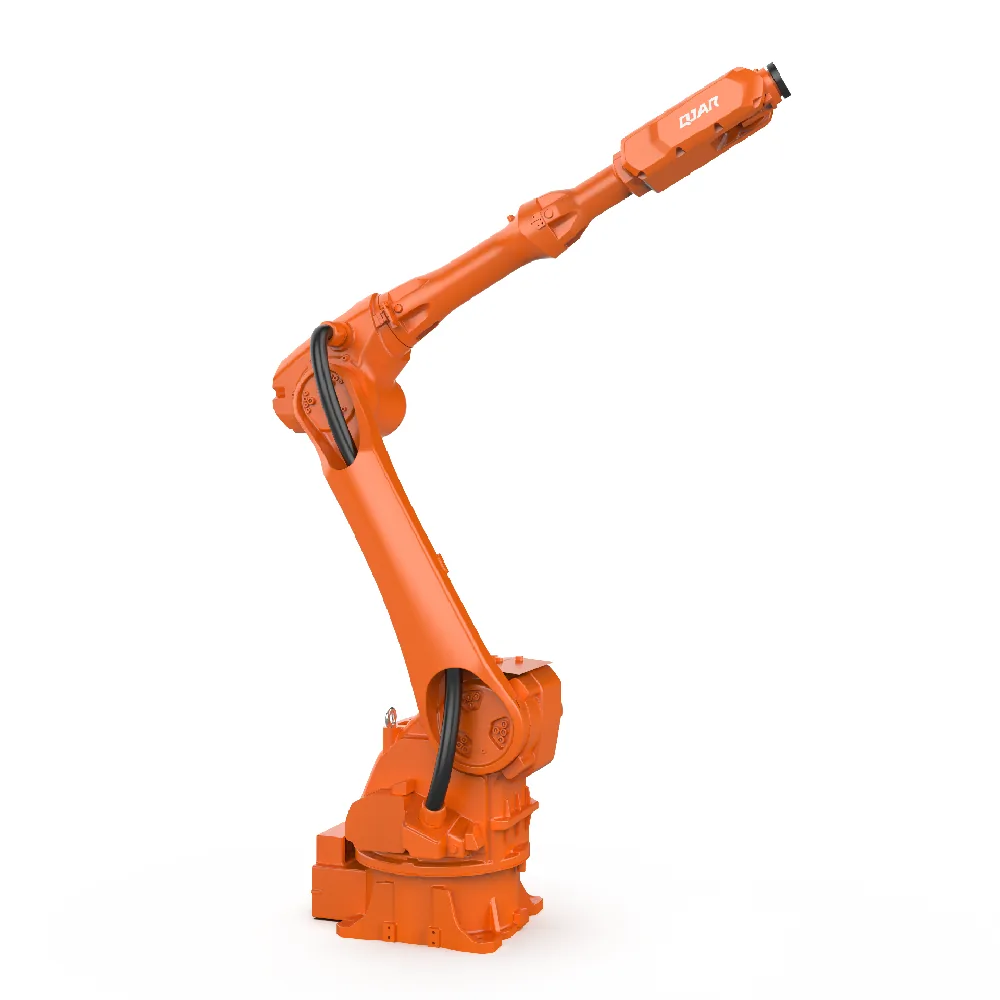
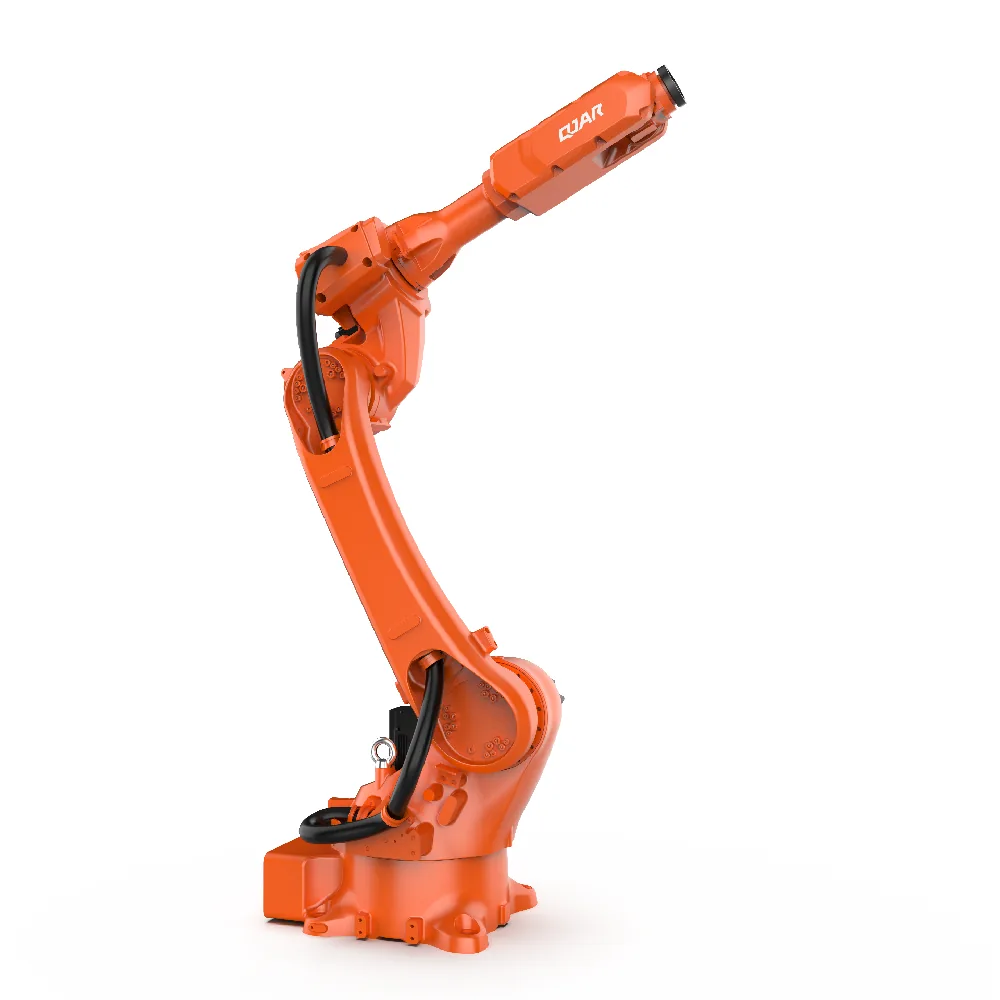
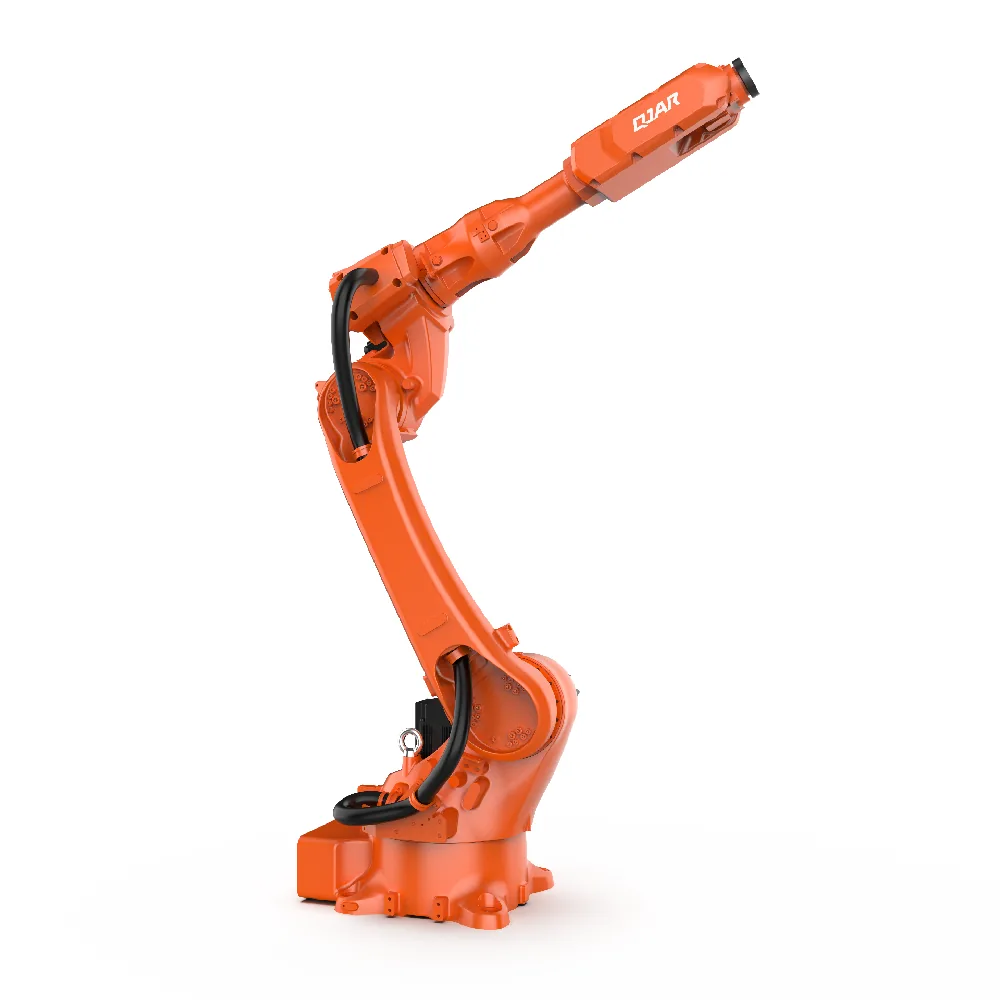
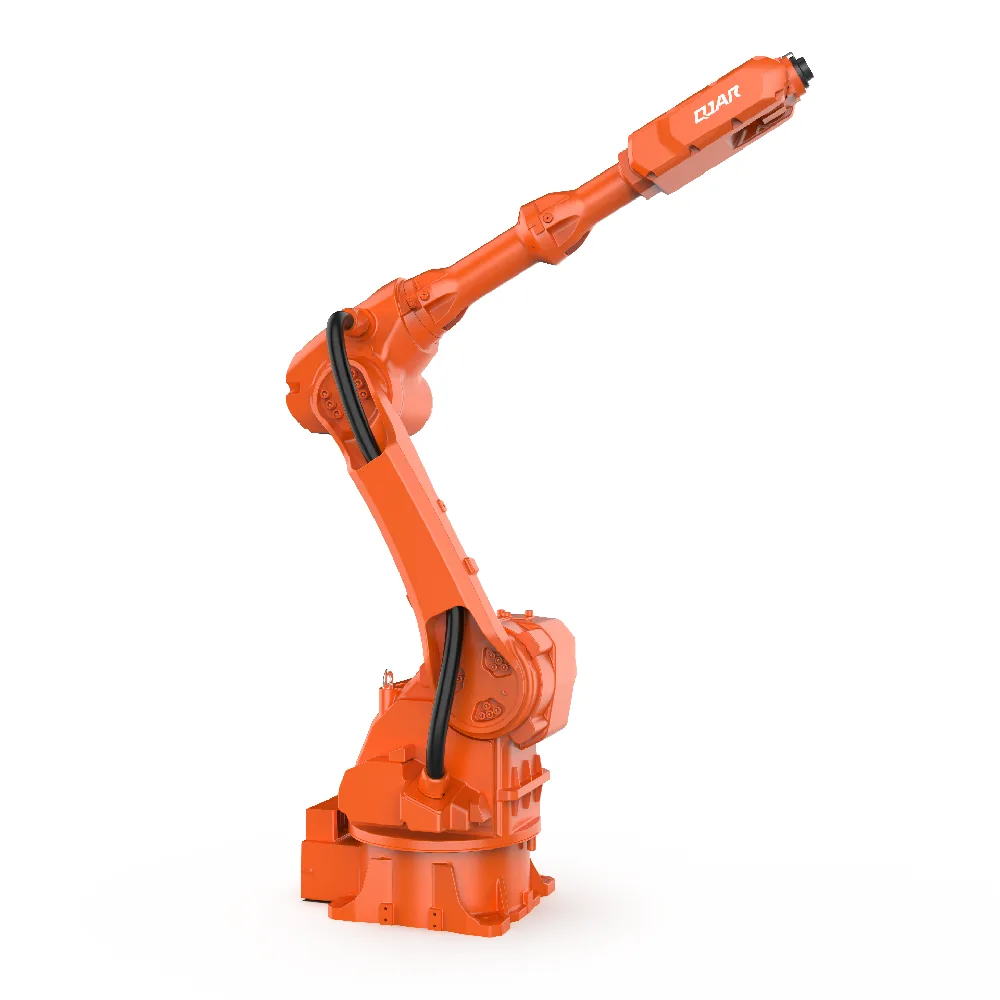
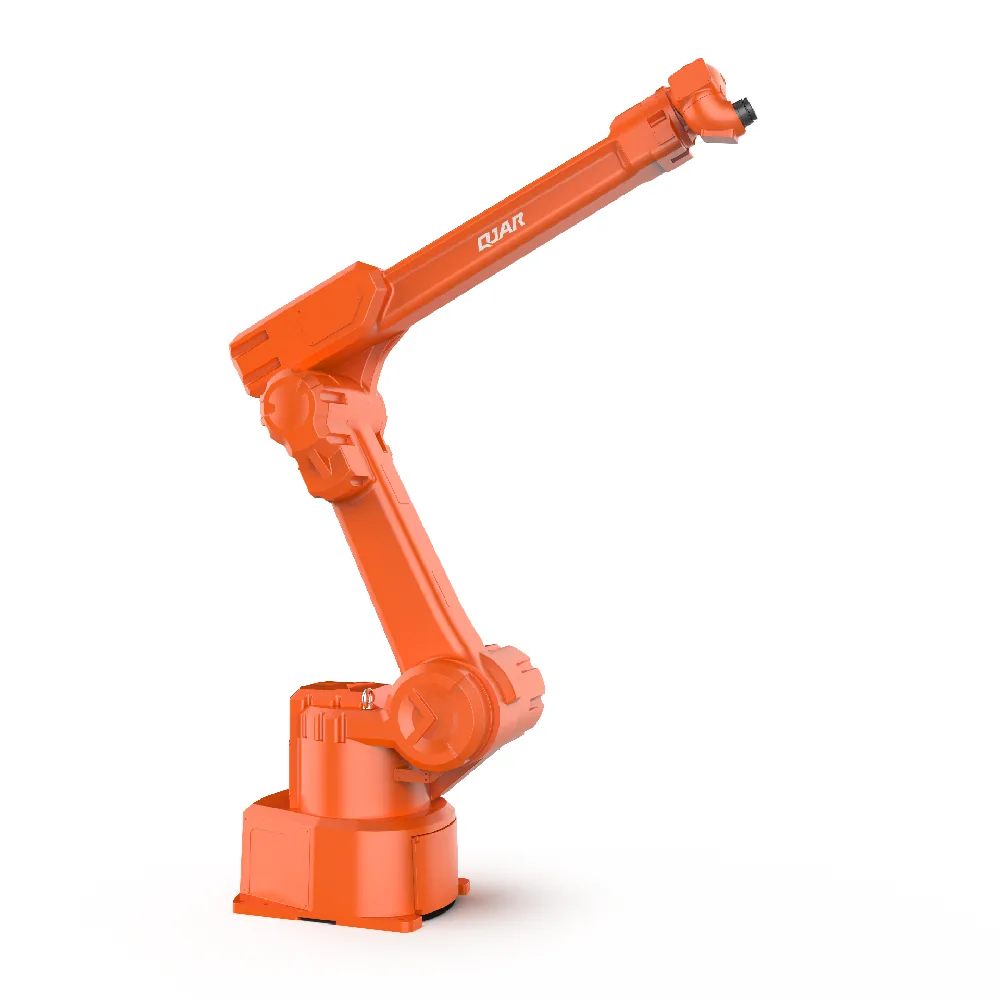
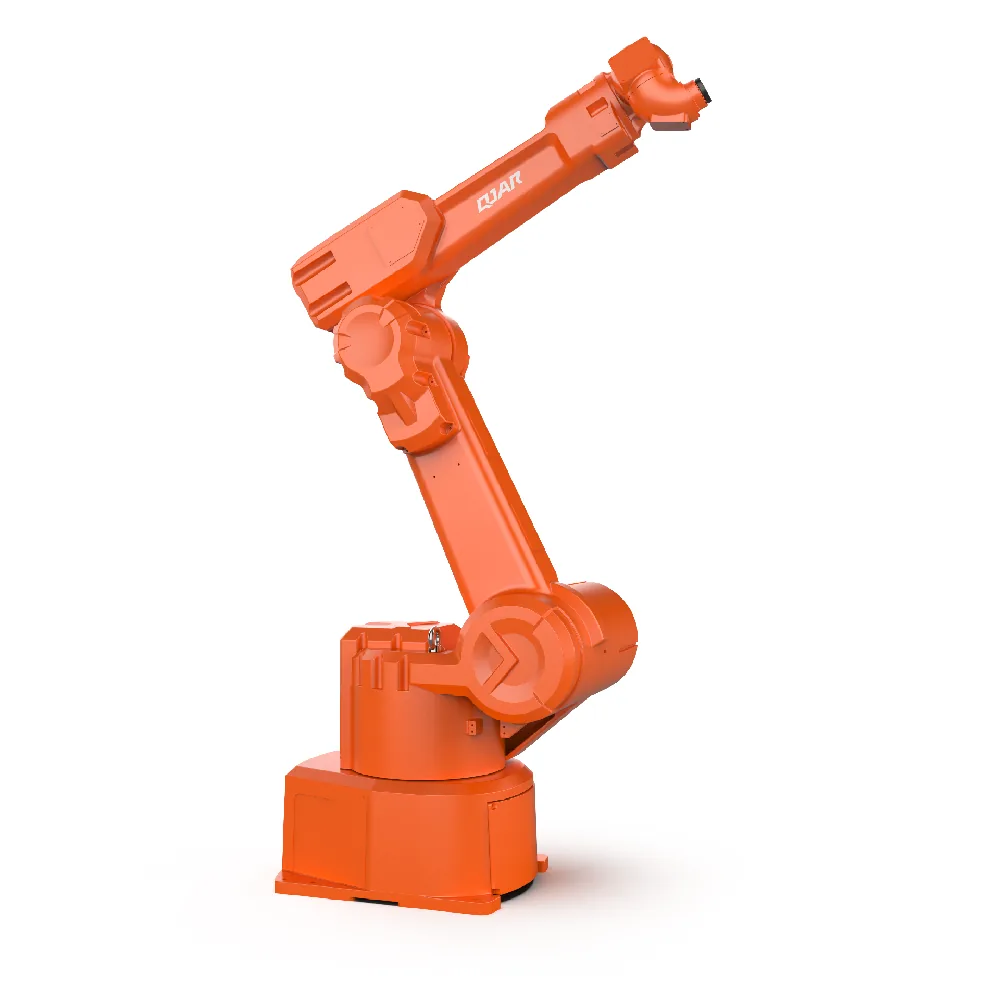
G/Medium Load General Series
20-70kg · Quasi-twin gear · High rigidity
The official website states it features a 4/5/6-axis quasi-double gear structure, load-resistant and impact-resistant, with 57mm large open-wire routing.
Wrist rating IP67, body IP65, fully enclosed structure to withstand dust conditions.
20/25/30/35/50/70kg ranges cover handling, grinding, and palletizing.
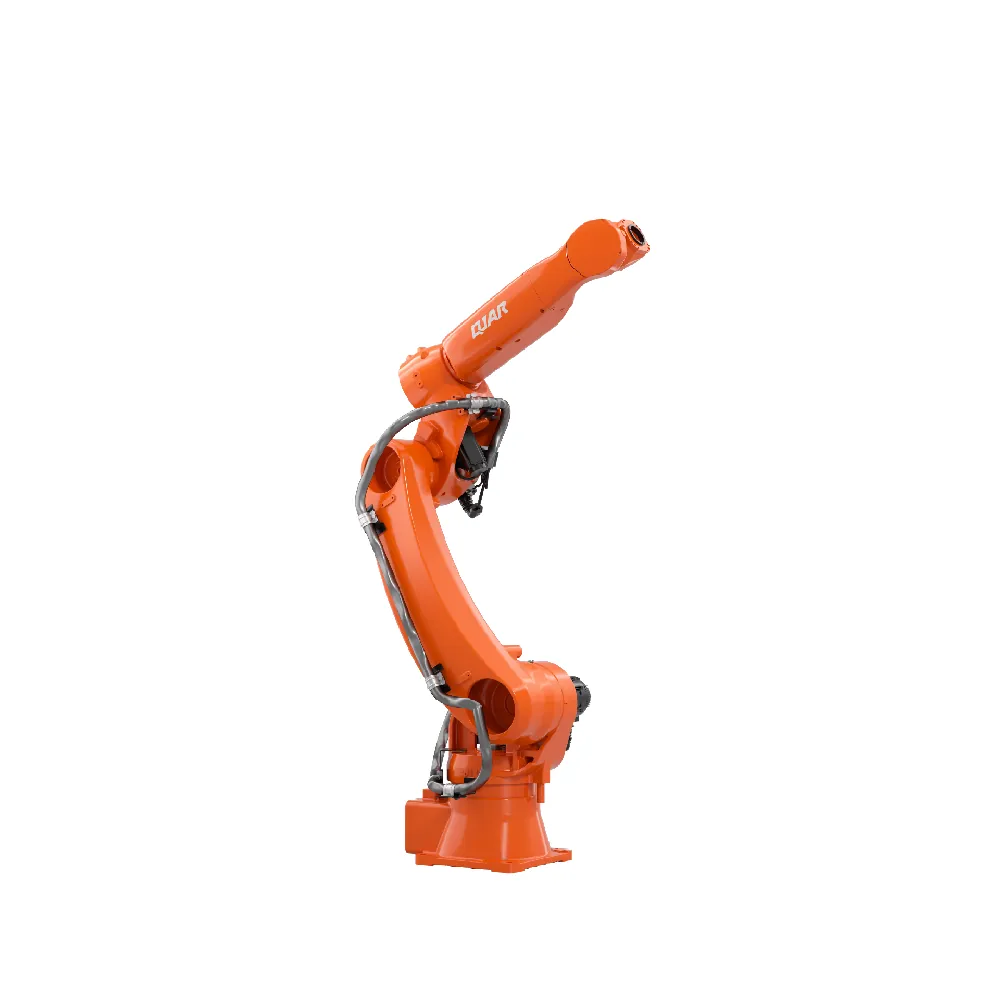
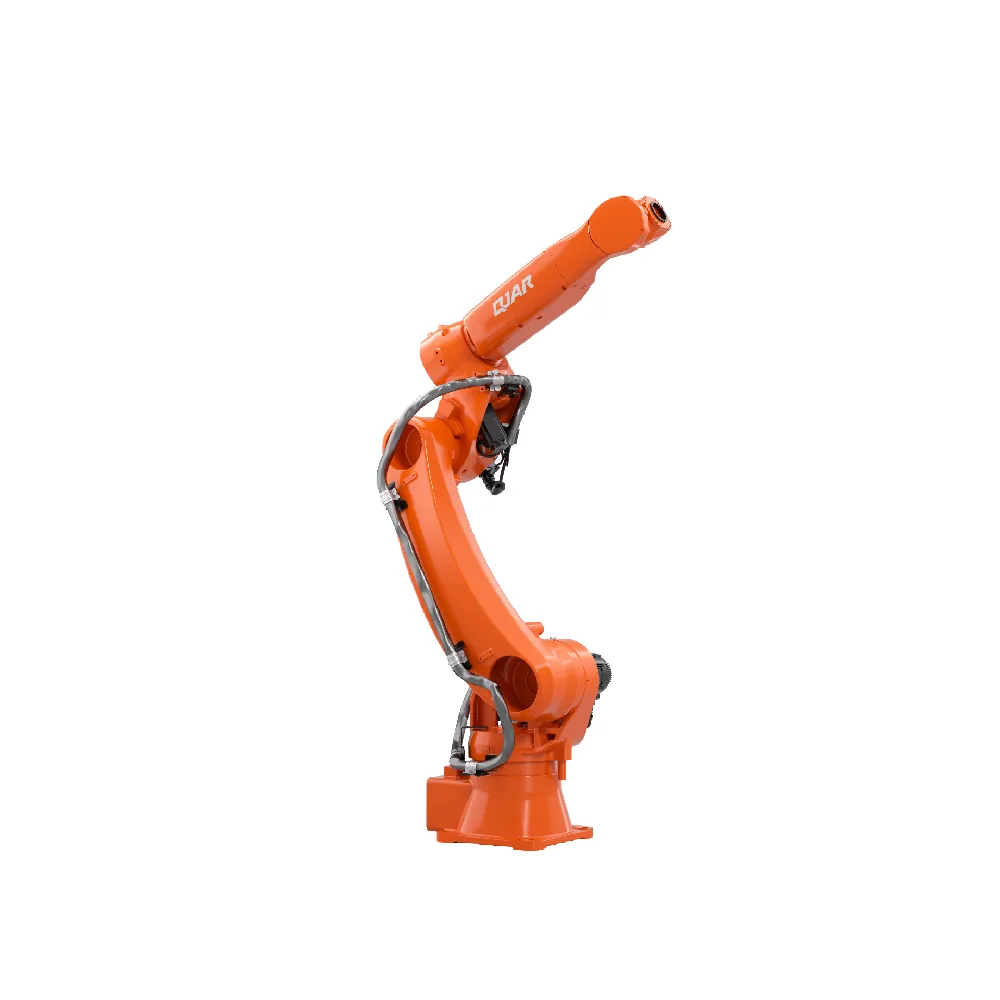
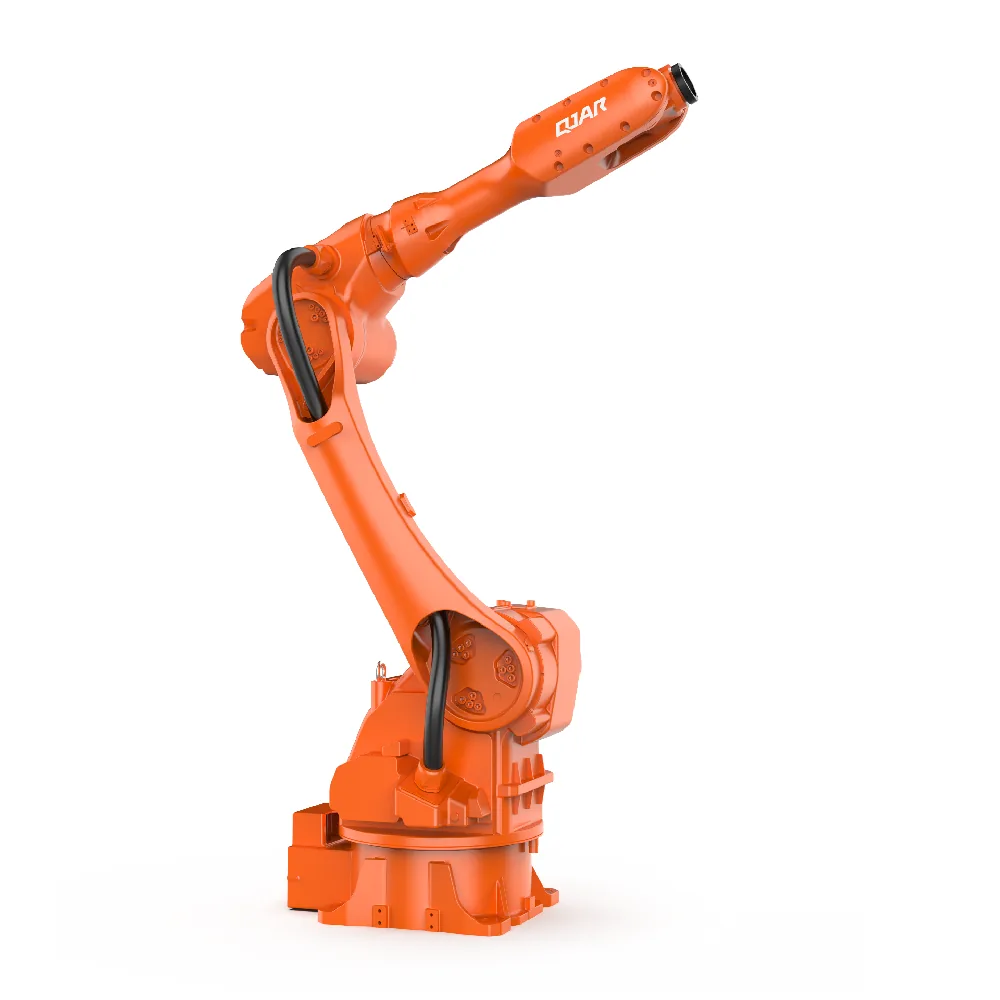
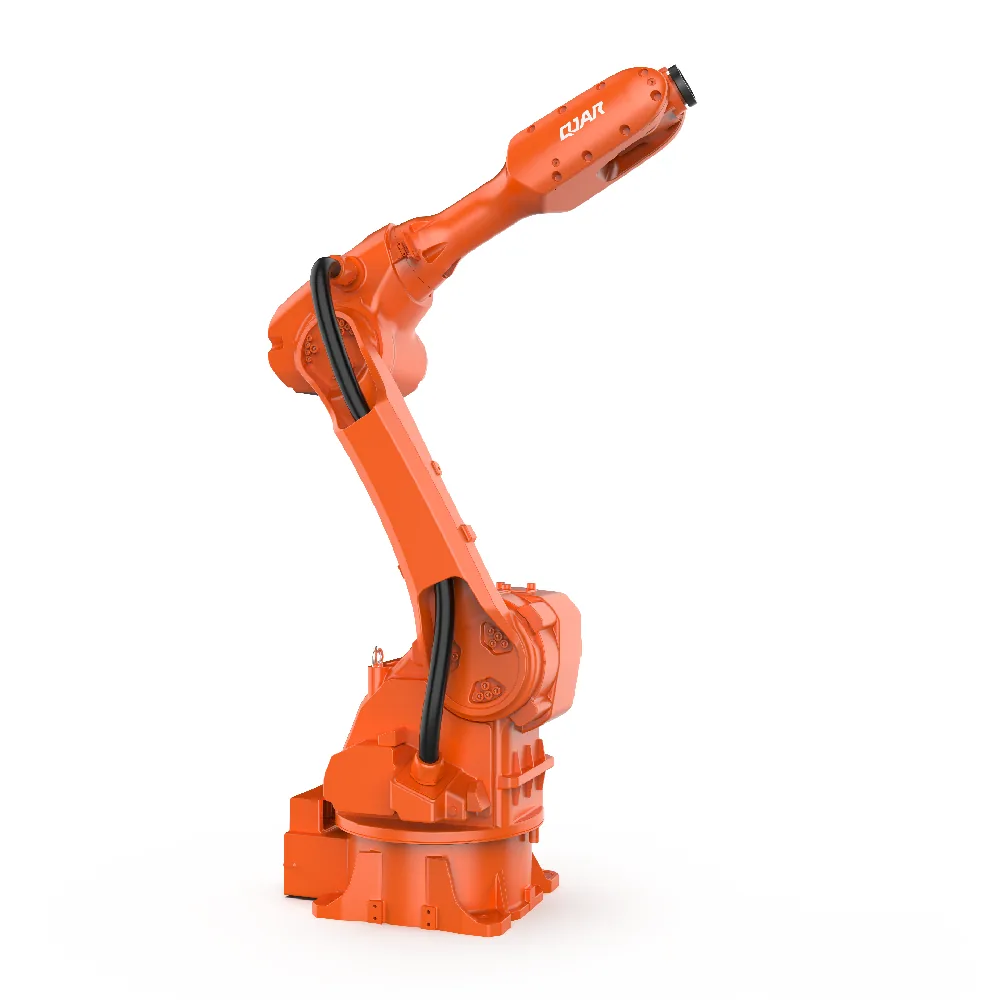
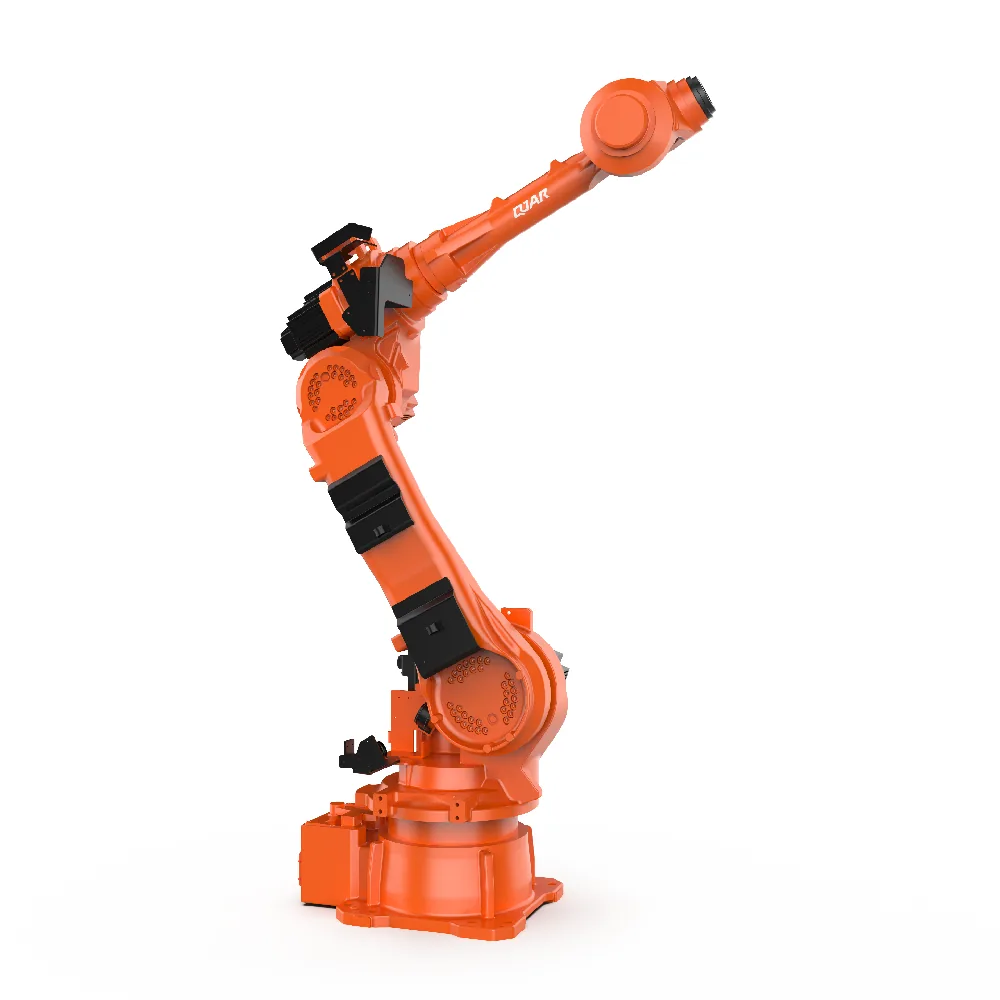
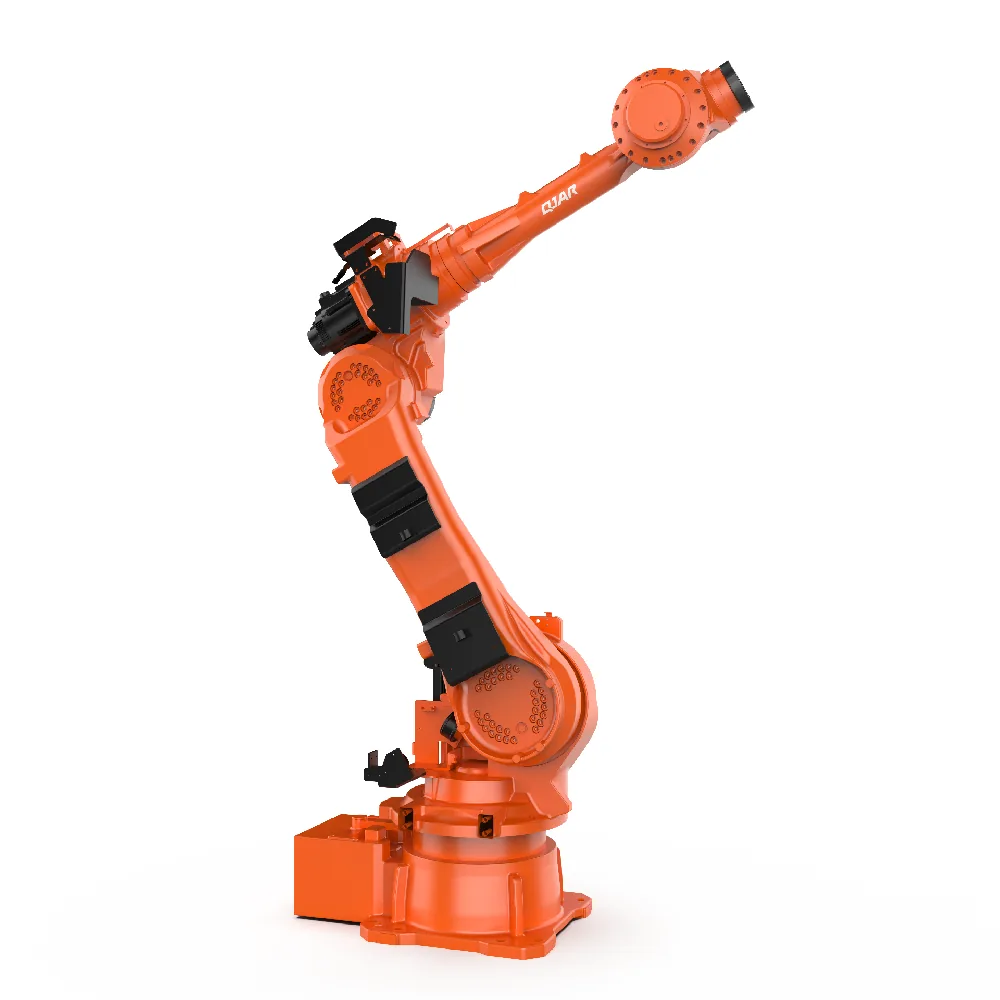
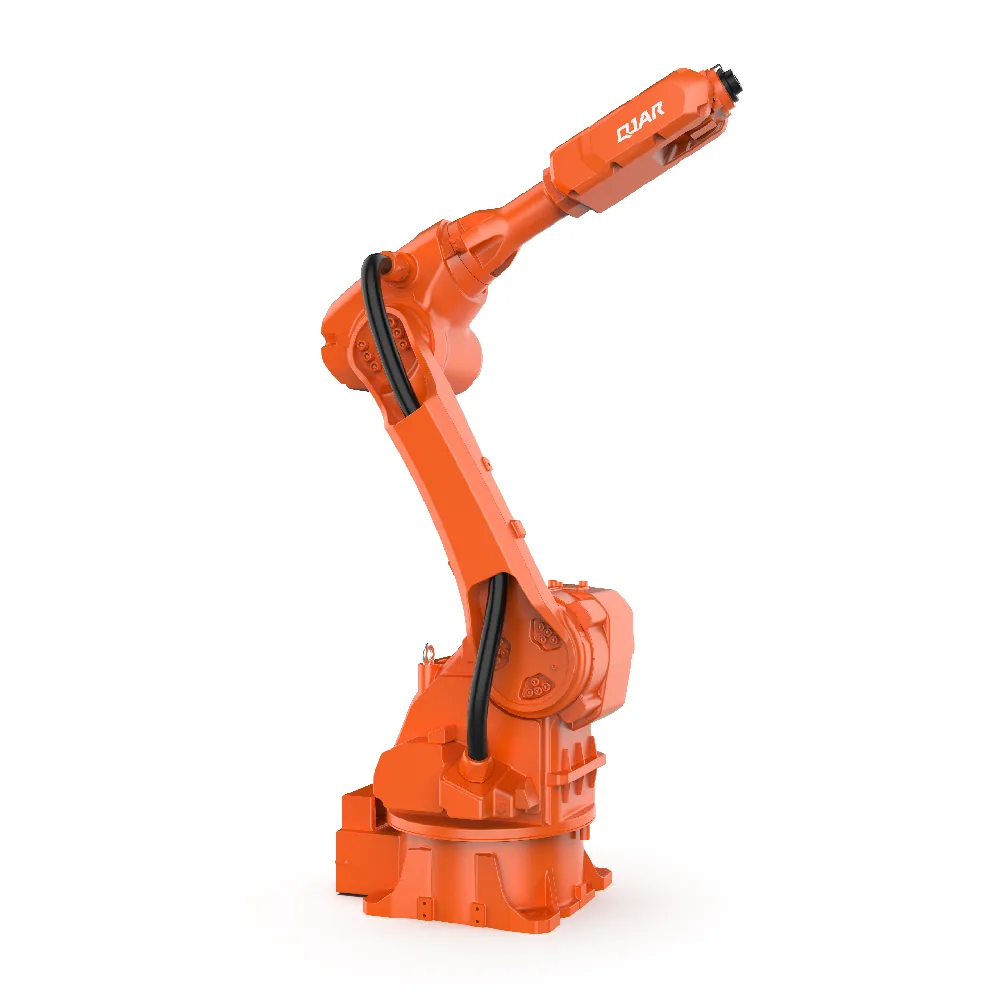
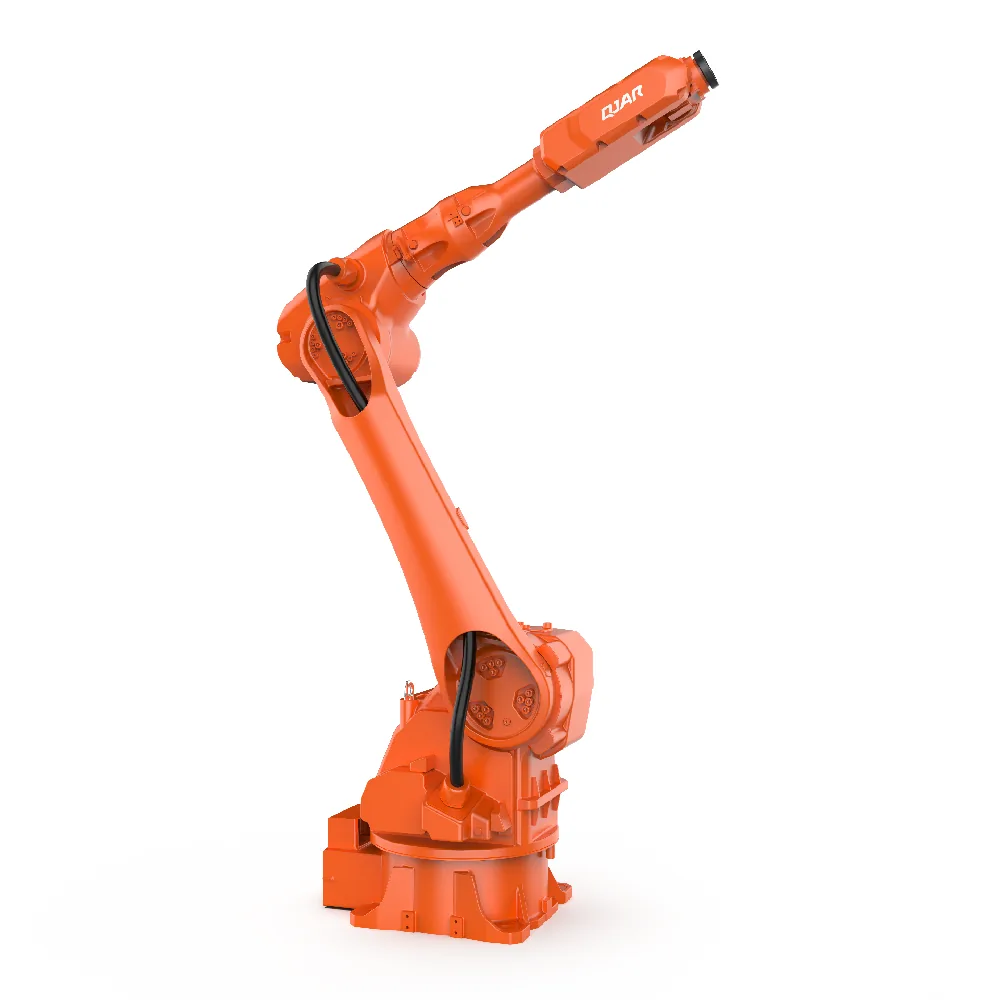
Heavy Load/Palletizing Dedicated Series (B/M)
15-800kg · Palletizing and handling
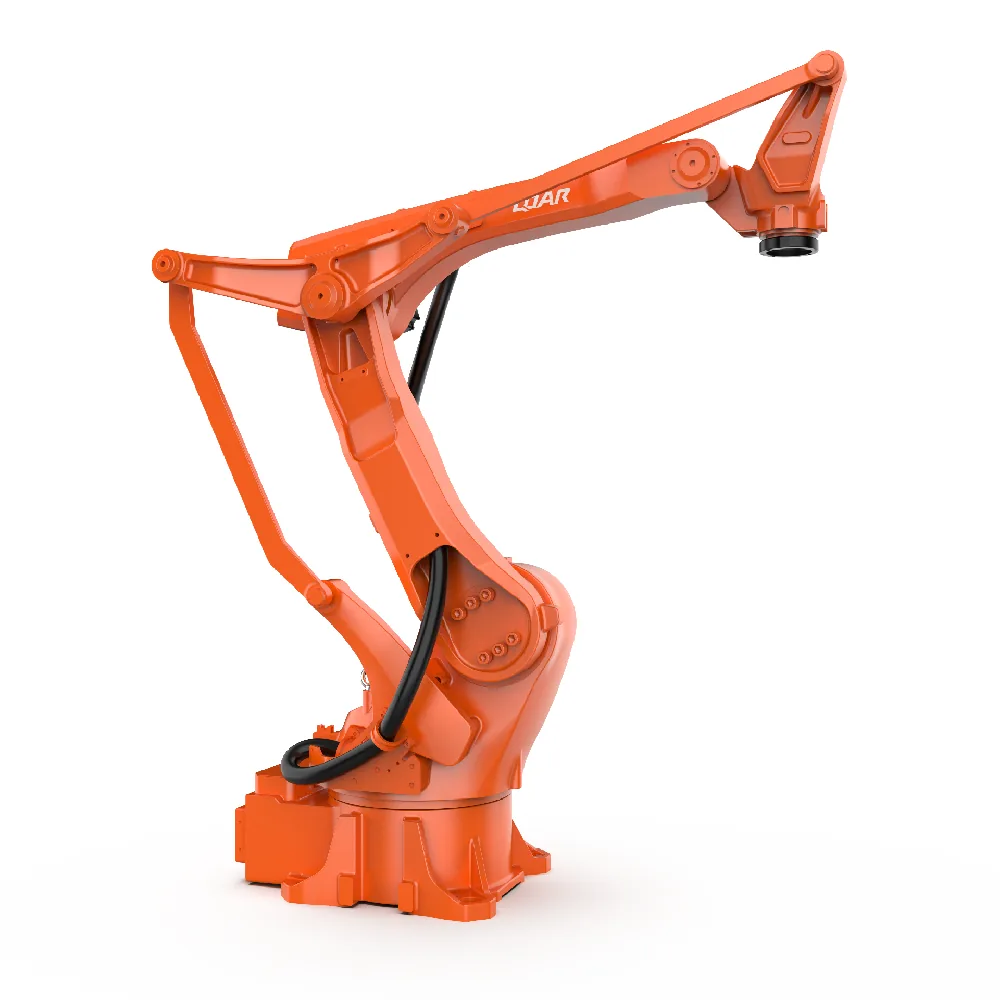
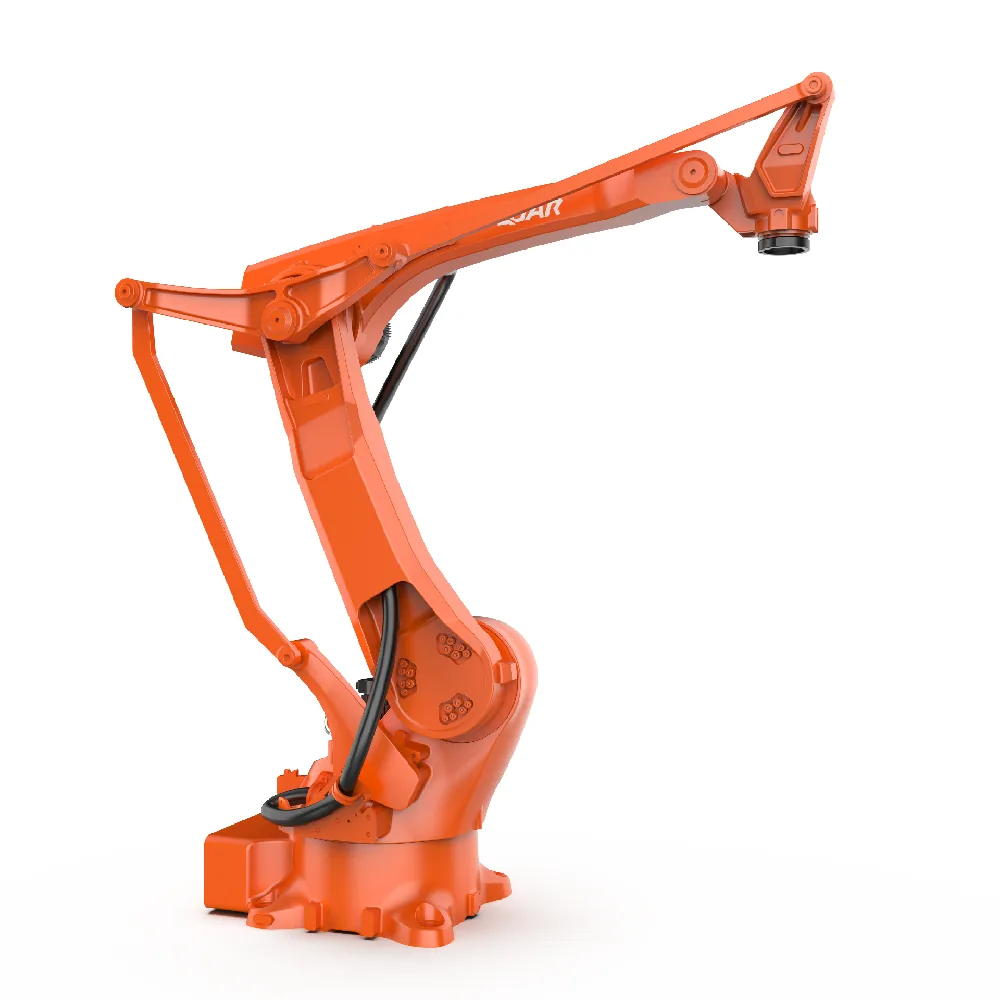
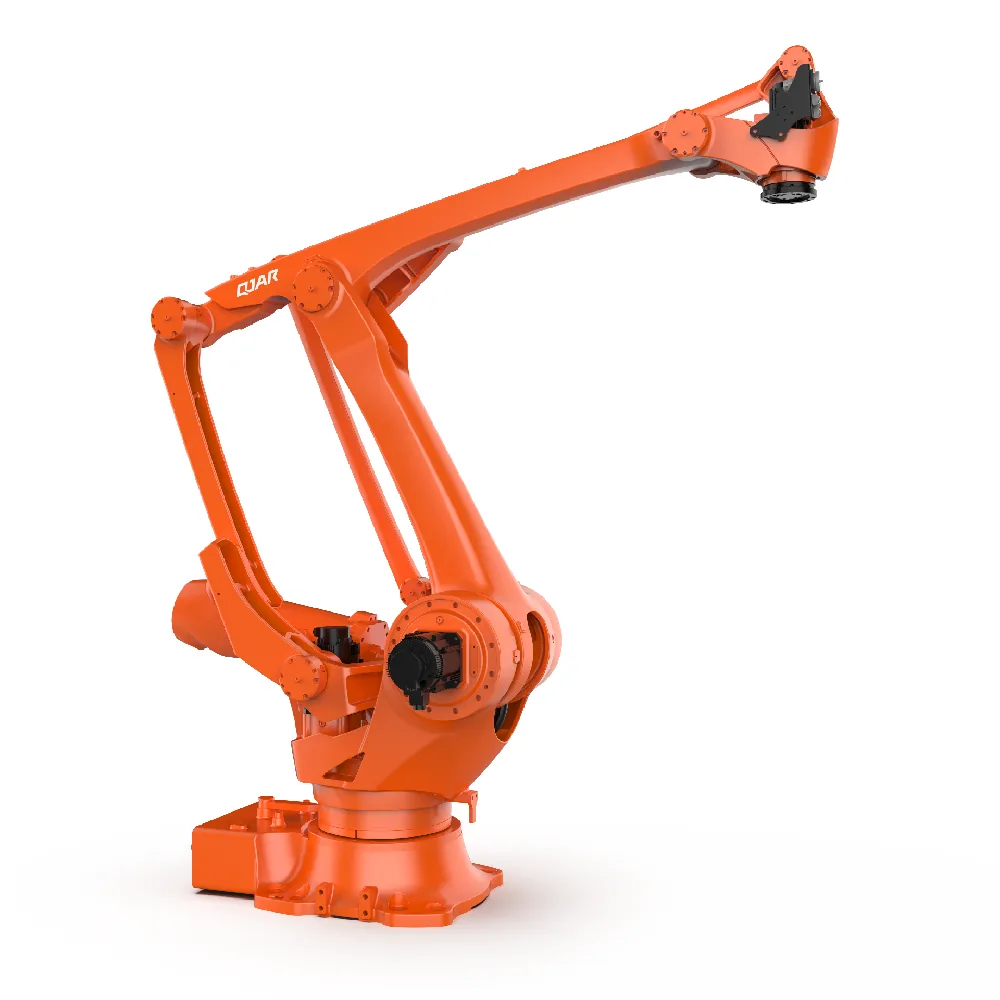
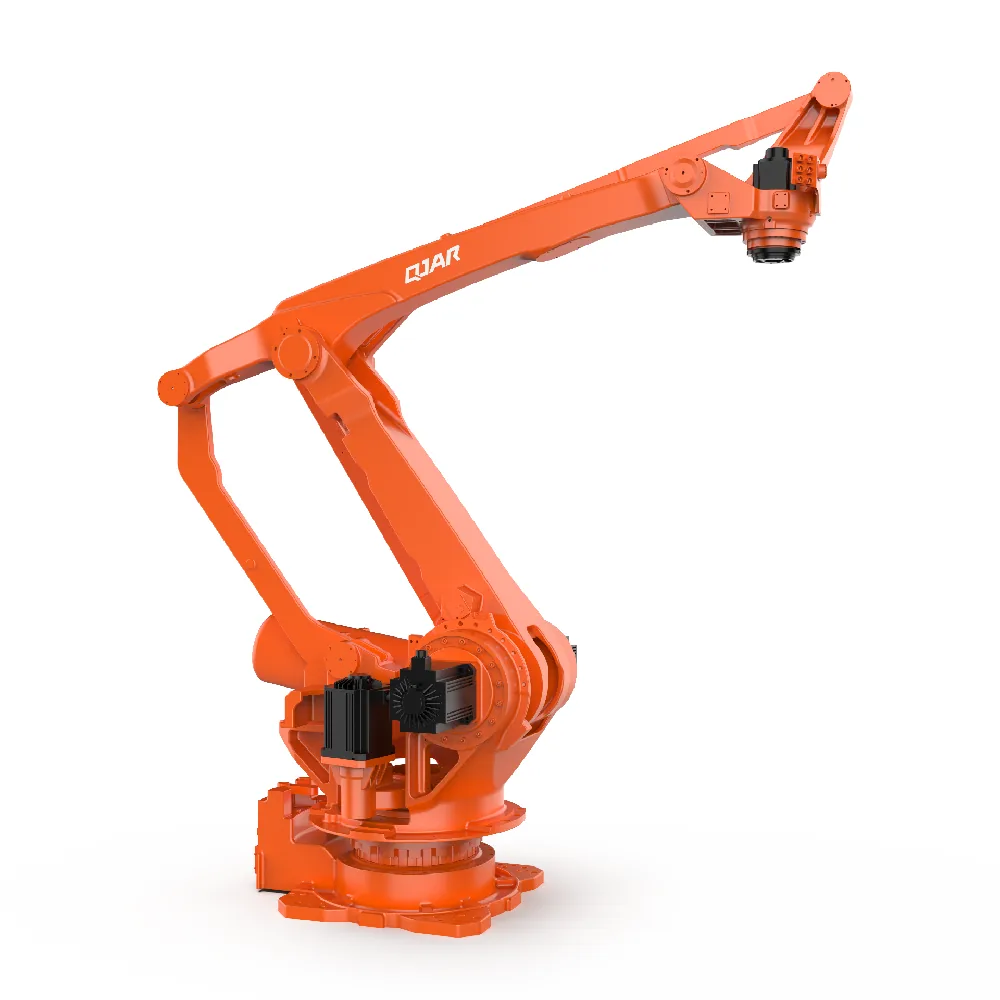
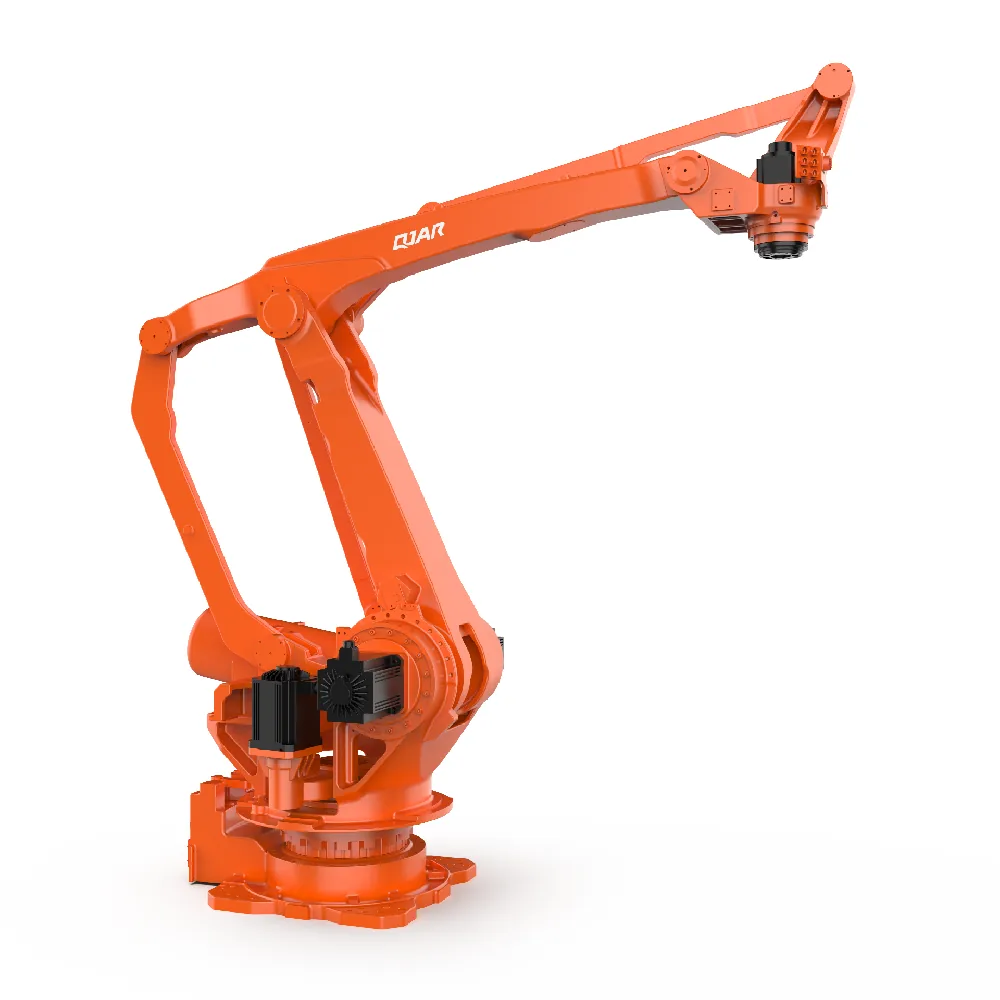
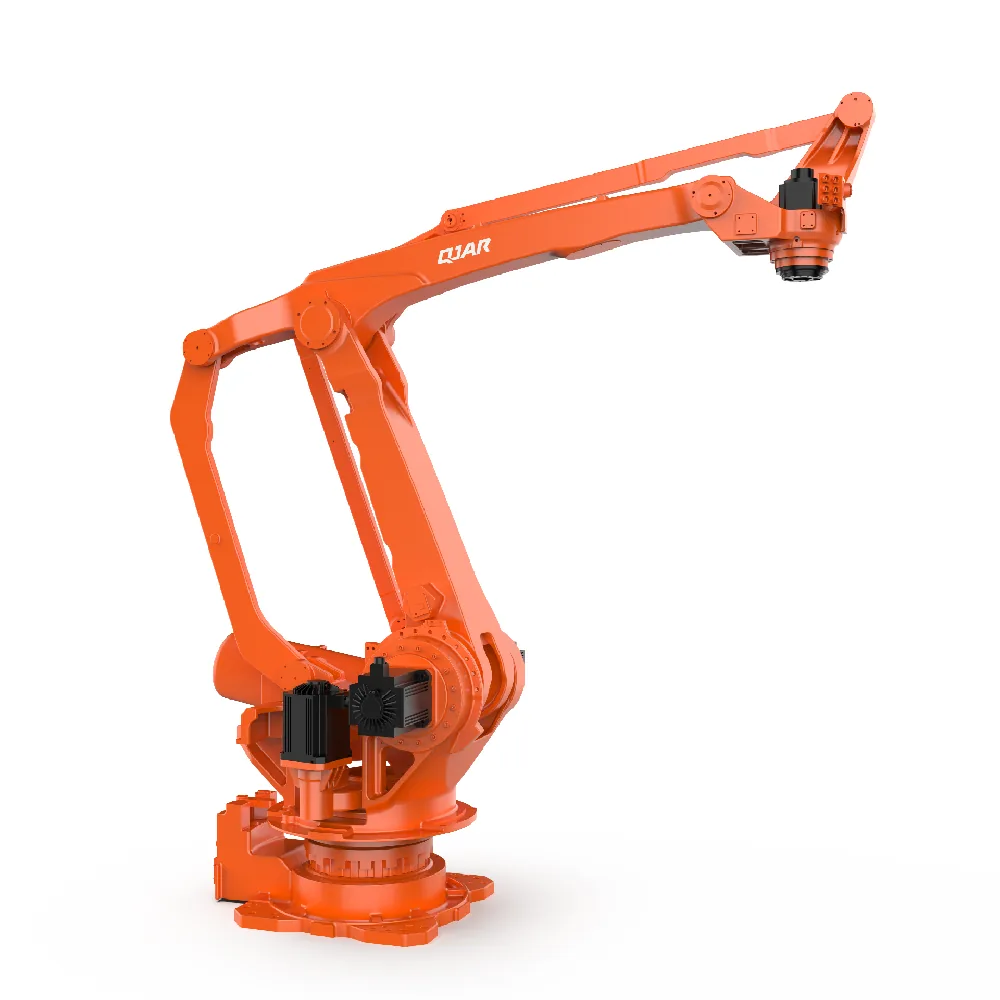
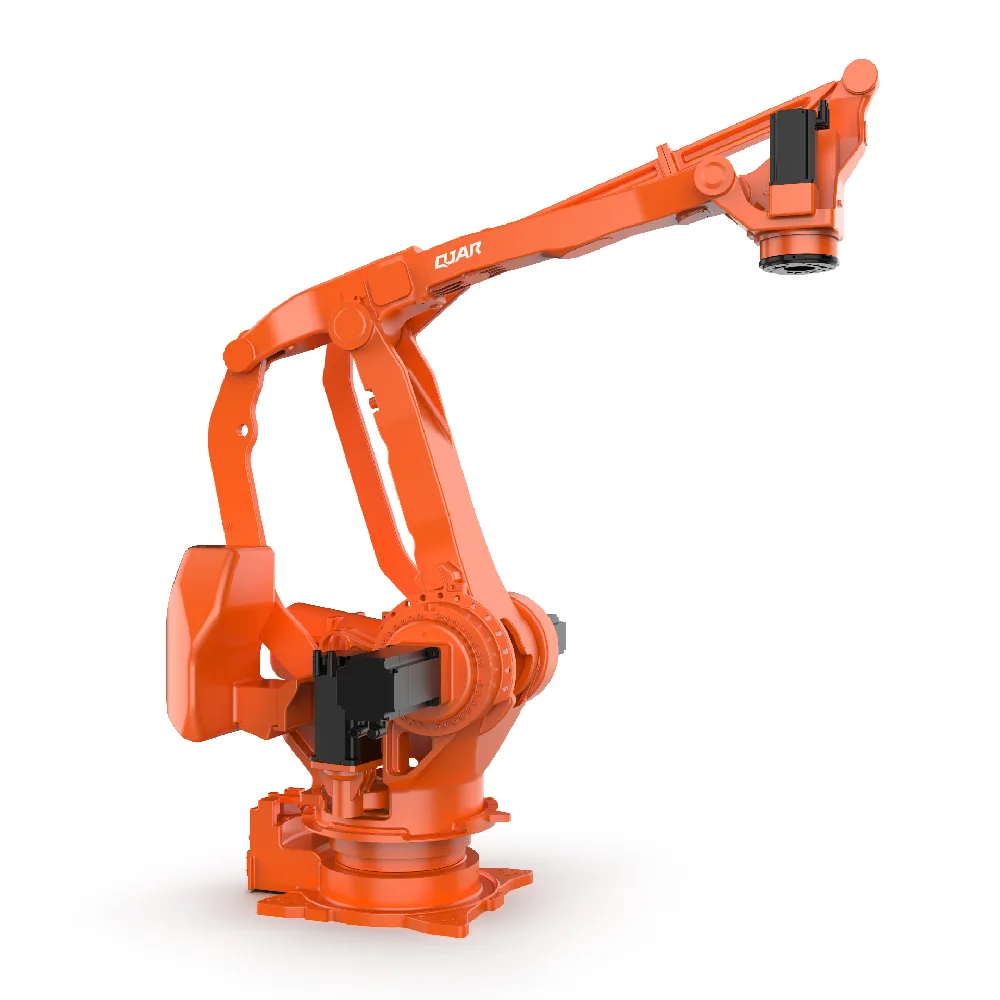
The QJRB series is clearly used for palletizing, with a maximum load capacity of 800kg at QJRB800-1.
100-260kg models have a reach of 2500-3100mm, suitable for large workpieces.
For heavy-duty models, the repeatability is relaxed to within millimeters, meeting palletizing and handling needs.
Core technology
Process suffix · Scenes are complete
The H series arms have hollow wrists and built-in welding cables, allowing for work in tight spaces.
The official product features mention that it can be used in conjunction with dedicated palletizing software.
The S Series emphasizes high-speed stability and full-axle low-power output.
B/M heavy-load models are designed for high inertia palletizing and handling conditions.
Application scenarios
From palletizing and welding to machine tool care, assembly, dispensing, grinding, and quality inspection, QJAR Robotics' QJAR can be quickly deployed to various processes.
Service industry
QJAR Robot QJAR is widely used in the following industries, and we can provide selection and implementation support tailored to local industry characteristics.
Why choose QJAR Robot QJAR?
Robots + welding power supply + training base resources, with turnkey welding workstations fully equipped.
QJRB800-1 and other ultra-large load palletizing machines are rare among domestic manufacturers in the same tier.
The official website discloses batch delivery information for 800 welding robots serving Honglu steel structures.
Under ASDA Group, Wenling Smart Valley has built its own industrial park and after-sales system.
Trusted by global customers
QJAR Robotics QJAR serves numerous globally renowned enterprises (brand logo copyright belongs to each individual).
QJAR Robotics provides professional services
As a third-party technical service provider, Henghuan provides QJAR Robotics with full lifecycle services including model selection, integration, maintenance, and spare parts.
Process validation, workstation solutions, programming and teach-in and production ramp-up support, and turnkey delivery of robot applications.
Learn more → Sales of new industrial robotsAuthorized-style sales of brand-new mainstream robots with selection support for new production lines and capacity expansion.
Learn more → Research and development of automation equipmentResearch, development, integration, and delivery of end-effectors, conveyor positioning, safety peripherals, and complete control systems.
Learn more → Research and development of algorithms and control systemsMotion planning, machine vision, and PLC/SCADA system development to address takt-time bottlenecks, accuracy, and data interconnection.
Learn more → Robot rentalShort-term rental, long-term rental and lease-to-own for in-stock models, long-term rental, and lease-to-purchase transfer, including transportation, installation, commissioning, and lease-term maintenance.
Learn more → Software and hardware upgrade servicesController retrofits, software and firmware upgrades, mechanical refurbishment, and safety upgrades restoring performance to older equipment.
Learn more → Maintenance and repairOn-site inspection, fault diagnosis and repair, and annual maintenance contracts covering 1,310 models from 21 brands.
Learn more → Used & in-stock robot salesWe buy back used robots and handle inspection, refurbishment and resale; every unit ships with inspection records and a warranty, and trade-ins can offset new purchases.
Learn more →QJAR Robot QJAR FAQ
Focusing on the selection, maintenance, spare parts, and second-hand distribution of QJAR Robotics' QJAR equipment, we answered the most frequently asked questions from customers.
What is the model of QJAR Robot's control system/teach pendant? How do you report to the police?
The official product page does not disclose the specific controller model. The included information is based on the 'detailed information download' for each model (such as the RAR package provided by the QJR6-1400H). On-site troubleshooting first records the teach pendant alarm code and the axle position/process at the time of occurrence, then checks servo overload, overtravel, and communication alarms according to the manual's fault table; Information not disclosed on the official website should be confirmed with on-site diagnosis. It is recommended to directly request the model manual from the after-sales hotline 400-1008551.
How to choose the suffix H/S/P/G/B/M?
According to official website information: H (arc welding) cables are mostly hollow arm cables built inside, such as the QJR6-1400H mainly for arc welding; S stands for small high-speed (e.g., QJR3-400S ±0.01mm); P Spraying/Handling for Long Reach (QJR6-2700P); B is dedicated for palletizing (such as QJRB30-1, which can be equipped with dedicated palletizing software); M stands for heavy load (QJR130-3100M, QJR260-3100M). By presetting the process before load and boom, interference and cycle rework can be significantly reduced.
Are unstable wire feed and welding deviation related to the robot itself?
Most 'welding deviation' issues should first be investigated on the process side: TCP calibration drift, workpiece/clamping deviation, conductive tip wear, and wire feeding resistance; On the body side, attention should be paid to the end jitter caused by increased clearance in the J5/J6 reducer (manifested as abnormal periodic weld ripples). It is recommended to first re-label the TCP and verify mechanical accuracy (dial gauge J6 empty-returned), and if still abnormal, confirm the reducer status with on-site diagnosis.
How to handle encoder battery and zero loss?
The absolute value encoder relies on the battery to remember the position of multiple turns. When the alarm indicates low voltage, the battery should be replaced with the upper potential power and then observed to see if recovery is achieved. If zero points have been lost, calibration must be done according to the model manual; If calibration permission is not granted or repeated failures occur, encoder or battery board faults are often involved, requiring on-site diagnosis and confirmation. It is not recommended to disassemble joints by yourself.
How should the lubrication cycle and replacement of the reducer be determined?
The official website does not publish a unified fat replacement cycle. For welding conditions with high temperatures and heavy smoke, it is recommended to judge by operating hours and sensory inspection (abnormal noise/temperature rise/accuracy degradation) as a dual-track assessment. Usually, a professional lubrication check should be done every 1-2 years, and heavy-duty palletizing (QJRB series) should be shortened. The grease grade and dosage must be carried out according to the corresponding model and included data. If unsure, confirm with on-site diagnosis.
How to troubleshoot if palletizing robots can't pick boxes or have large drop point deviations?
First, check whether the load parameters and tool coordinate system settings match the actual weight and center of mass of the suction cup/fixture; Further check whether the pallet type and pallet calibration in the palletizing process software have not been updated due to pallet changes; Mechanical side inspection of loose J1 base bolts and clearance between the reducer. If deviations persist after gradual elimination, full-axis accuracy testing should be performed and confirmed together with on-site diagnosis.
What are the common fault directions for QJAR robot control cabinets?
Based on general industry experience: blockage of the cabinet fan filter leads to overheating of the drive module, main circuit contactor lifespan, encoder battery leakage corroding terminals, and on-site voltage fluctuations causing rectifier module damage—these are high-frequency directions. The welding workshop also needs to prevent dust from entering the cabinet body; it is recommended to have an independent electrical control room or a positive pressure cabinet. The specific fault is subject to the alarm code and actual measurements, and must be confirmed in conjunction with on-site diagnosis.
QJAR Robotics provides professional services
Henghuan provides QJAR's full range of robots with model selection consulting, welding workstation integration and commissioning, maintenance, and spare parts support.
Contact Henghuan