All-scenario applications
Factories first, long tail to follow: the engineering ledger of five environments
Factories: the endgame of the structured-environment dividend
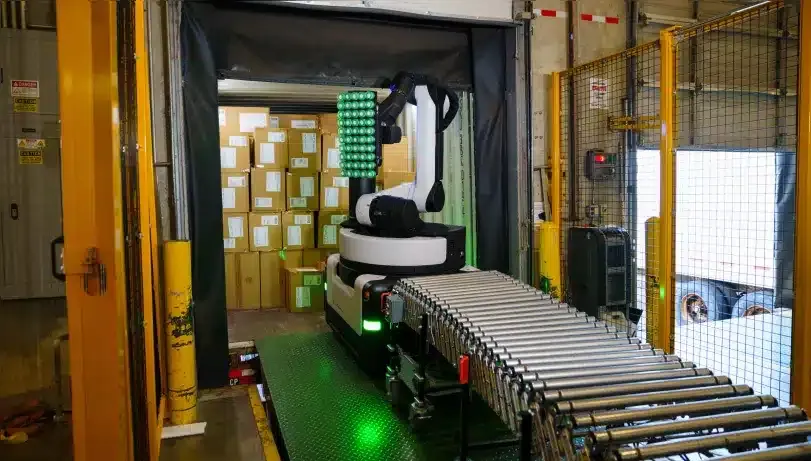
Industry + logistics account for over 70% of 2026 shipments, for a simple reason: the environment is built for humans, tasks are repetitive, and failure costs are isolable. Verified processes concentrate on box handling, machine loading, inspection and sequencing; unstructured precision assembly remains cobot + vision territory. Engineering constraints: cycle-time stability (84 s level), exception recovery, and interfaces with MES/WMS.
Home: the hardest last meter
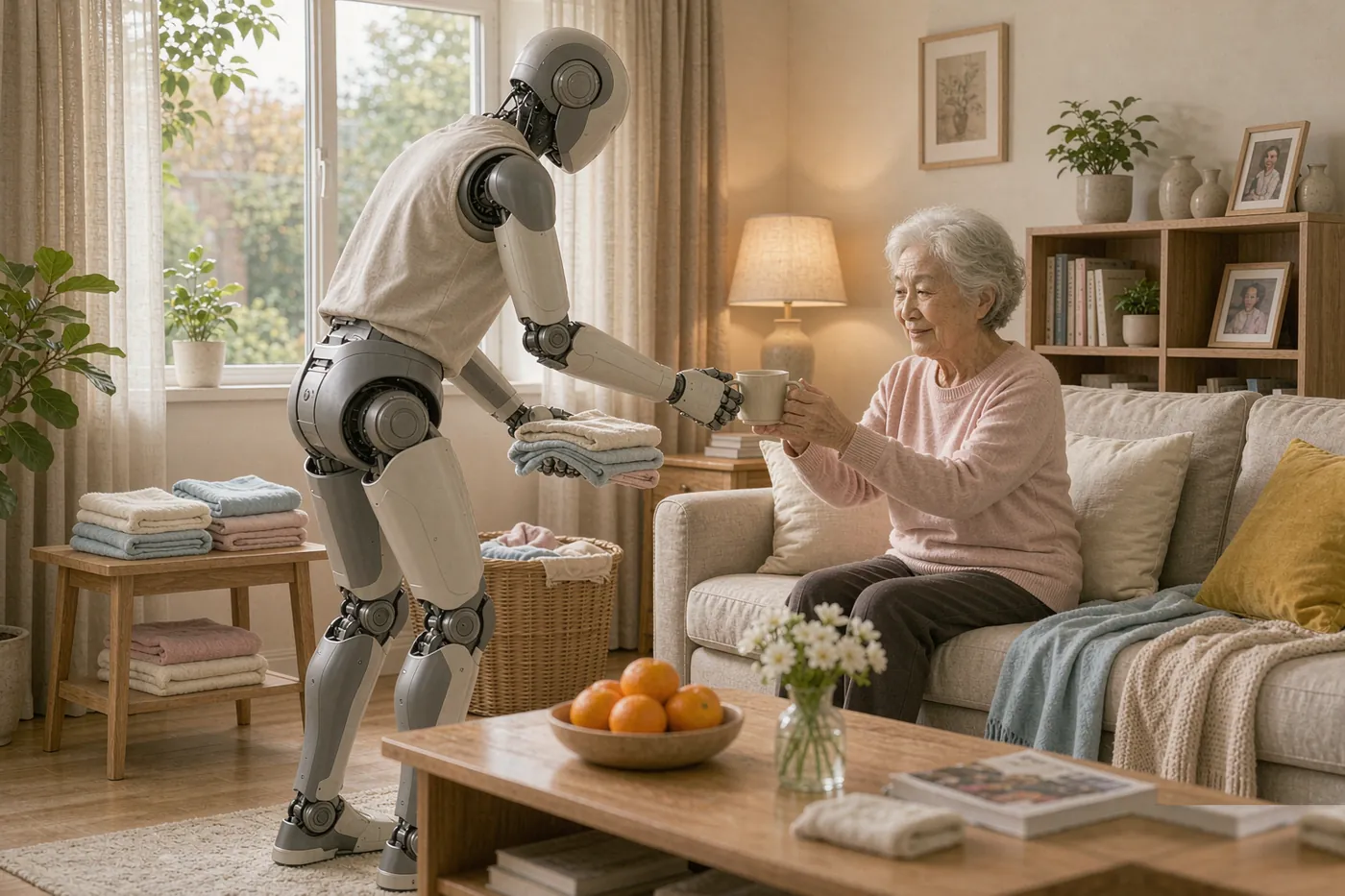
The home is a triple overlap of "unstructured + shared human-robot living + high failure cost": deforming clothes, fragile tableware, and the presence of the elderly and children. The visible 2026 deployments are single-task pilots (handing items, tidying, companionship monitoring); CloudMinds' dressing/feeding pilots in Shenzhen/Shanghai nursing homes and Fourier GR-1 rehabilitation training (covering 2,000 hospitals in 40 countries) are among the few cases with operating data. Henghuan's judgment: home embodied AI commercializes 3–5 years behind industry.
Outdoors: the quadruped's home turf
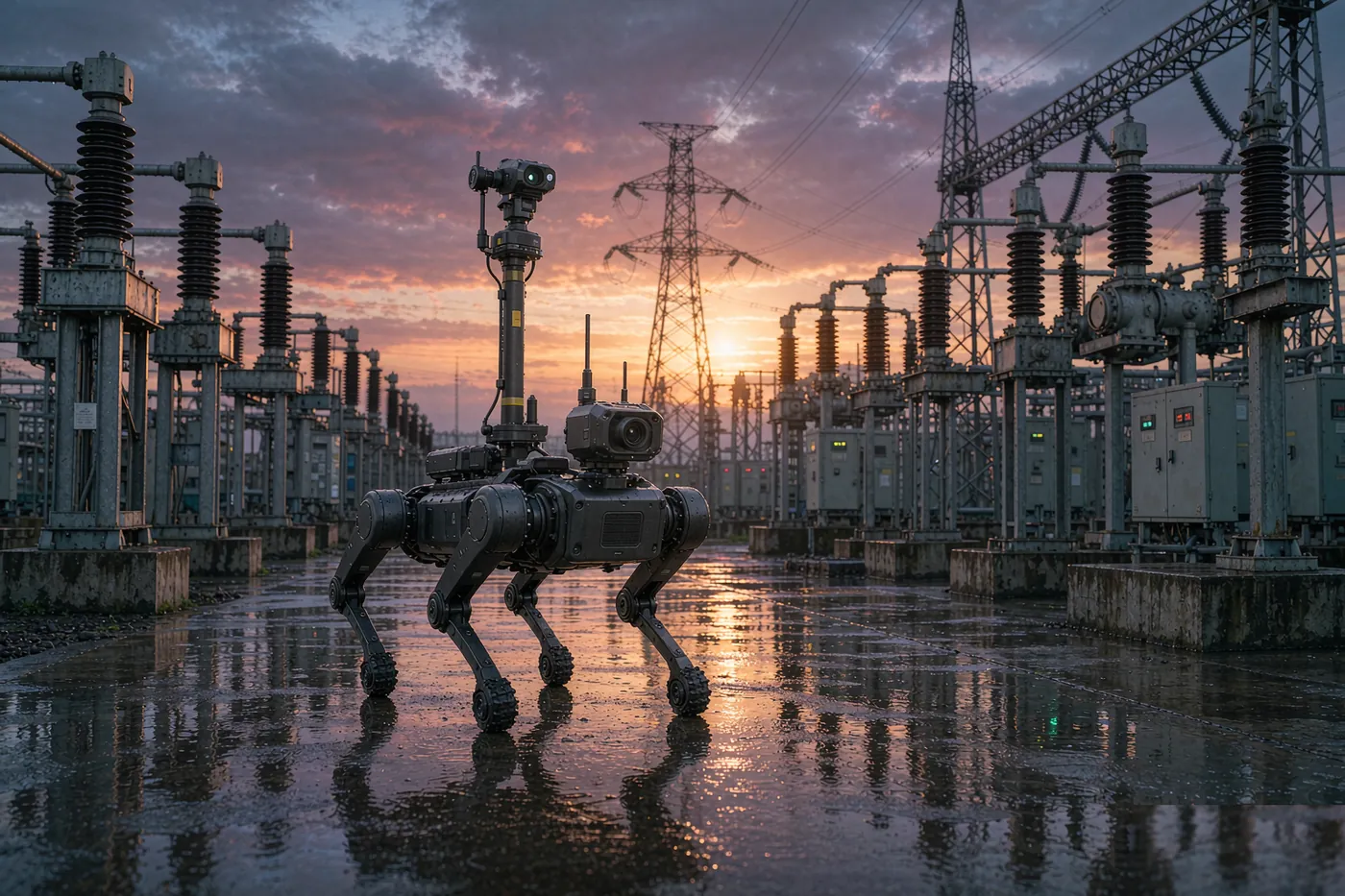
Grid inspection, substations, mining and emergency rescue are the fastest-scaling scenarios for quadrupeds: Unitree/Spot traverse wet, slippery post-rain terrain and stairs/gravel far better than wheels. Boston Dynamics Spot's underground-mine footage and Unitree's fire-scene photos are the standard evidence for this class. Engineering constraints are endurance (2–4 hour level) and autonomous-charging-dock coverage.
Sport: the best public testbed
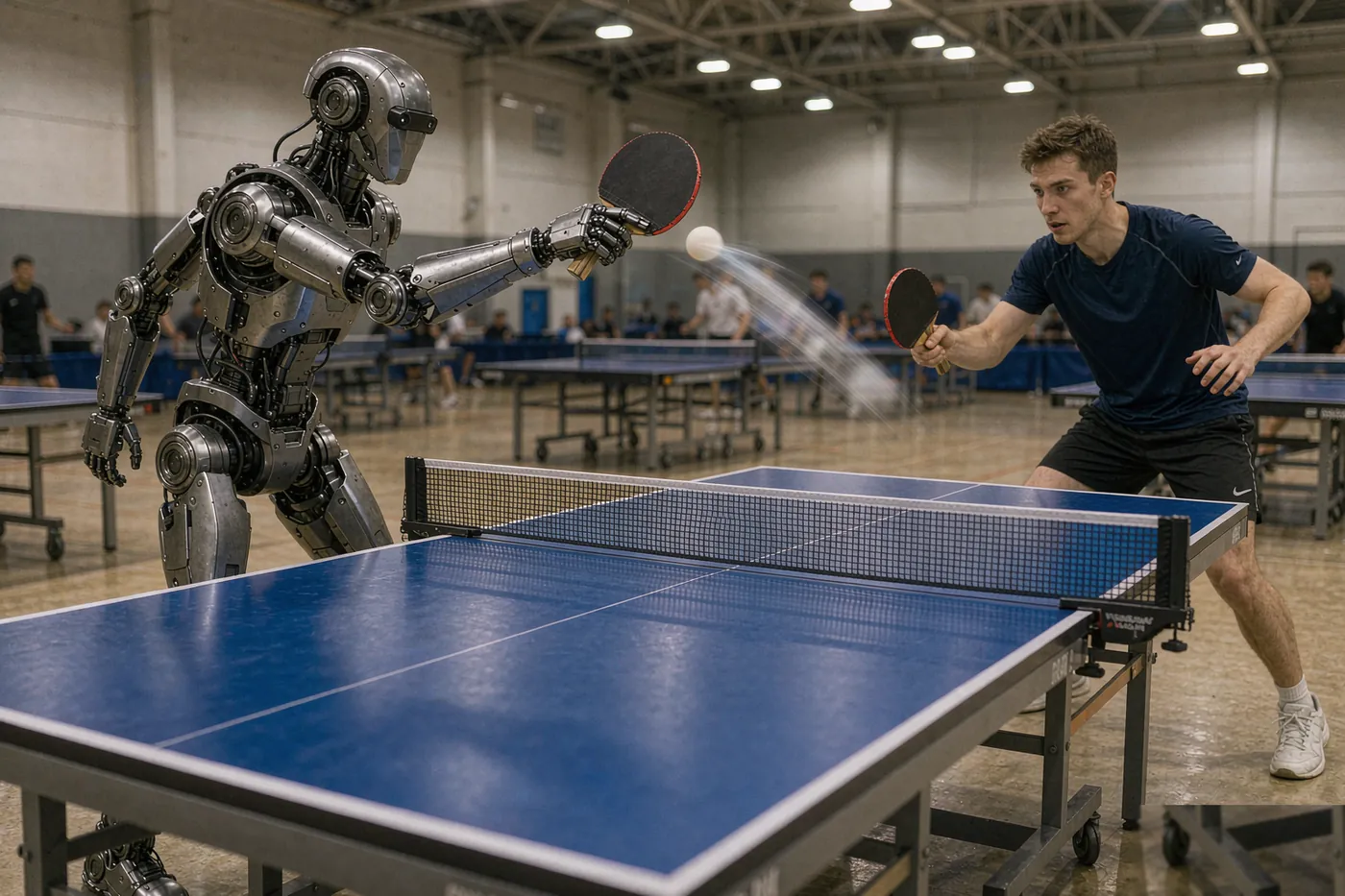
Table-tennis rallies, soccer matches and marathon pacing are used by vendors as public benchmarks for dynamic balance and real-time decision-making: the opponent is unpredictable, the rules are public, and the audience is the judge. In 2026, humanoid table-tennis can sustain multi-rally exchanges — behind this are 200 Hz-class visuomotor policies and millisecond-level center-of-gravity adjustment, sharing roots with factory cycle-time control.
Underwater: the most demanding perception environment
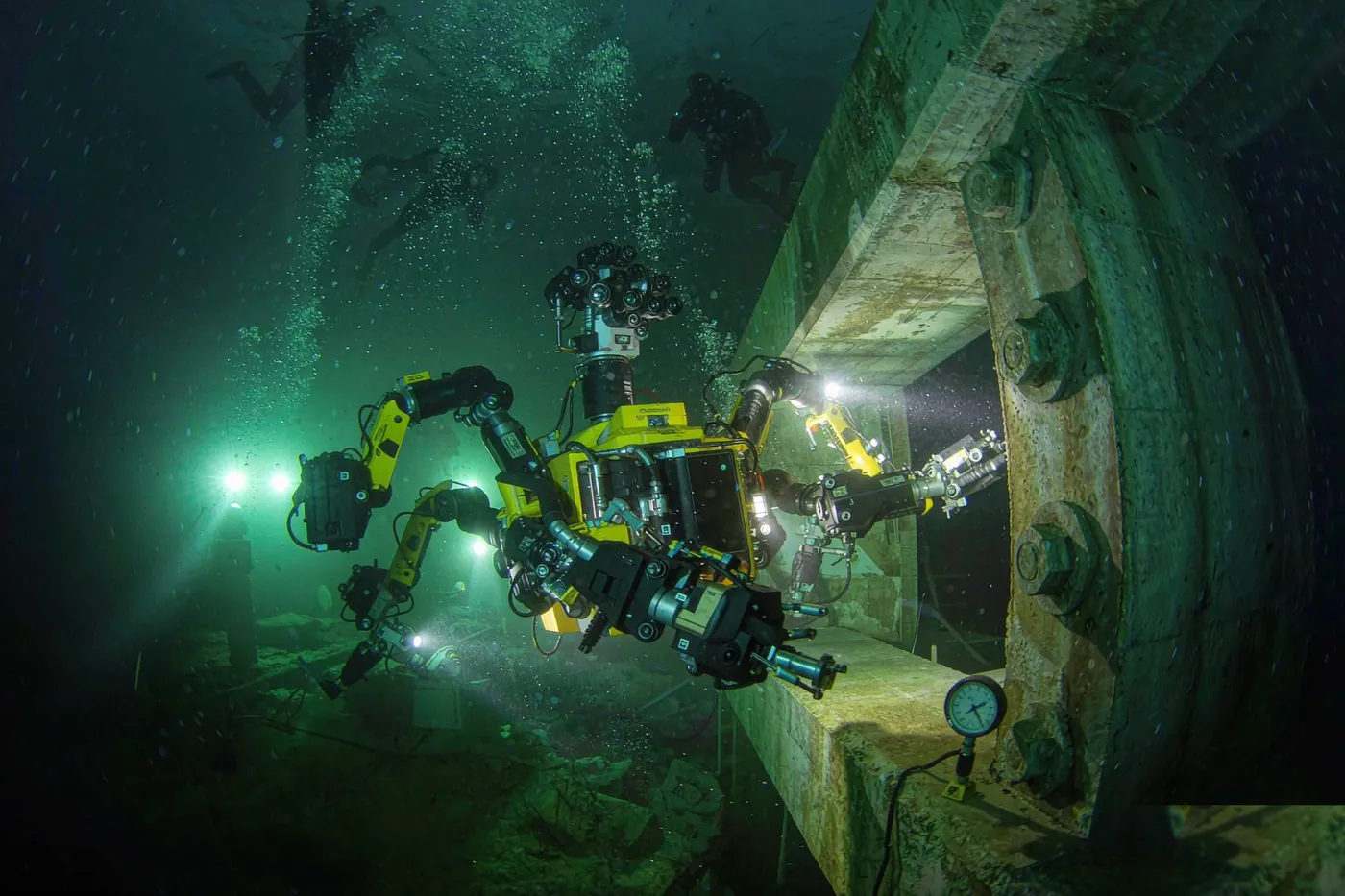
Underwater discounts all three dependencies of embodied AI: turbid vision (optics fail), extremely low communication bandwidth (cloud large models unusable), and continuously varying buoyancy disturbance. So underwater embodied AI takes an "on-device autonomy + low-rate acoustic return" route: dam-gate inspection, hull rust removal and aquaculture-cage inspection are the three paid scenarios of 2026. This scenario proves that in extreme environments the cloud-edge-device architecture degrades to "device-only," making model compression and local world models essential.