
Motion control and trajectory planning
Vibration suppression, smooth trajectory, beat optimization, and multi-machine collaboration squeeze out the production capacity of existing robots.
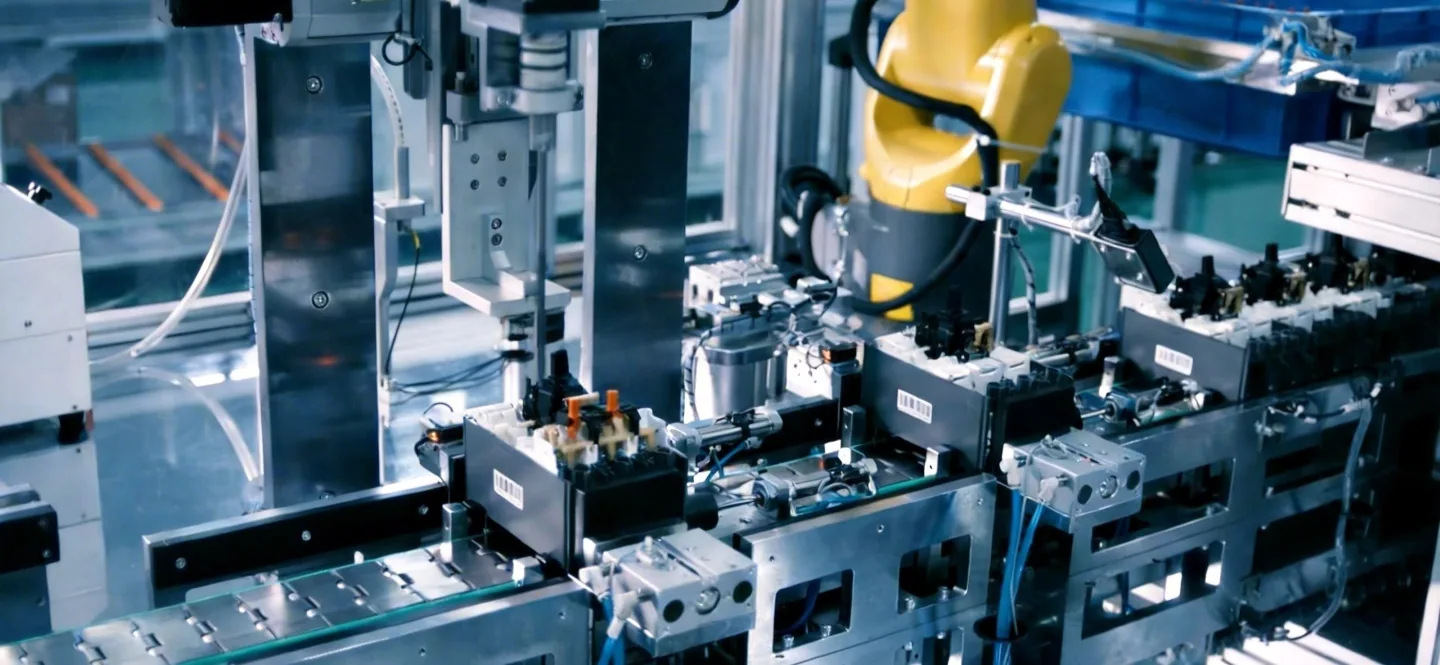
For the same robot, the quality of the program can differ by more than 15% in the beat. We perform trajectory-level optimization: reducing idle travel, smoothing acceleration and deceleration, eliminating vibration in place, optimizing waiting logic, and, when necessary, multi-machine collaboration and interference zone management.
Optimize the methods
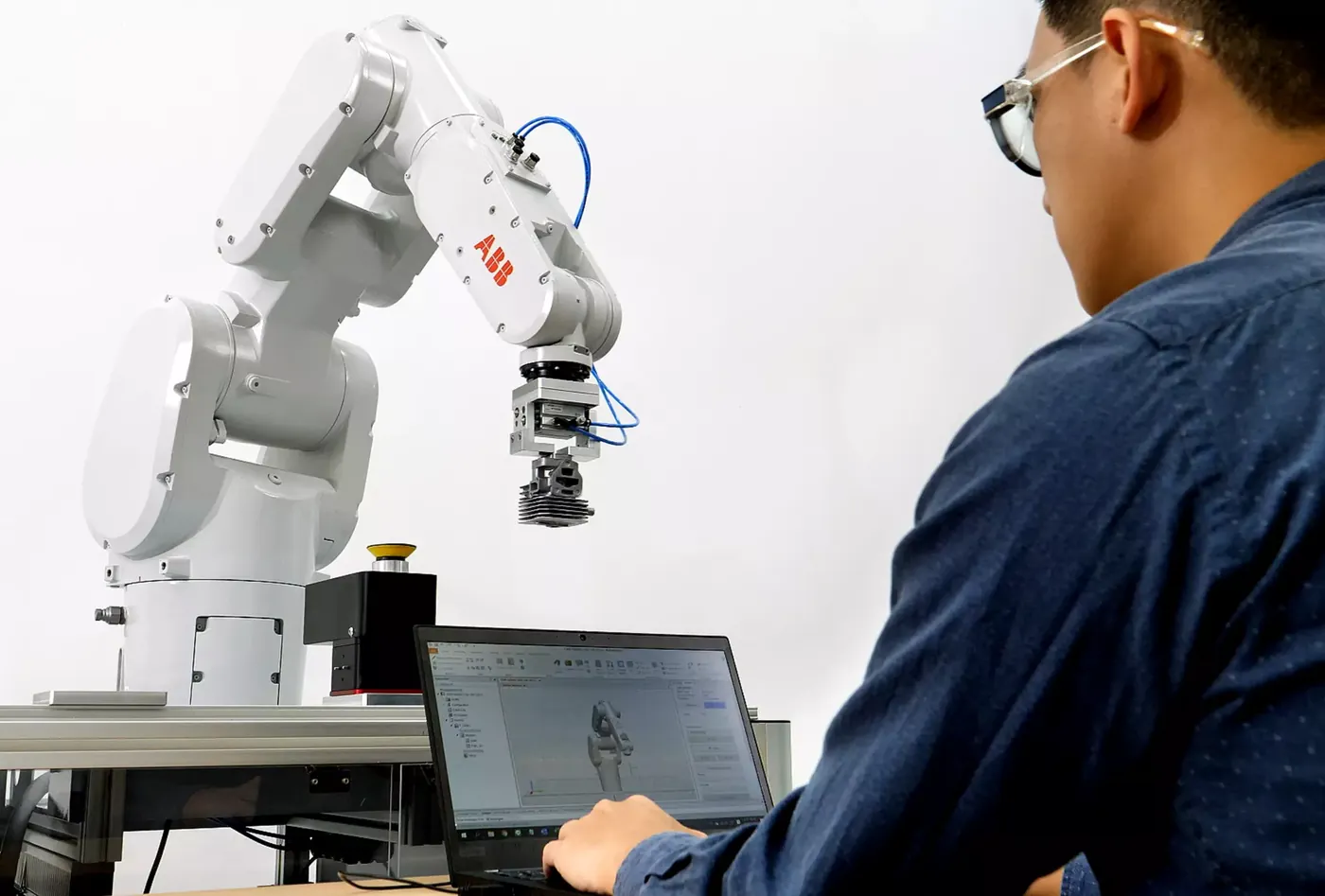
- Empty stroke compression and path rearrangement: merging points and optimizing transition postures
- Acceleration, deceleration, and smoothing parameter optimization: suppresses residual vibration and shortens stability wait
- Process section speed curve customization: constant speed in welding/gluing section, speed increase in handling section
- Multi-machine collaboration: Timing management in the interference zone and dynamic task allocation
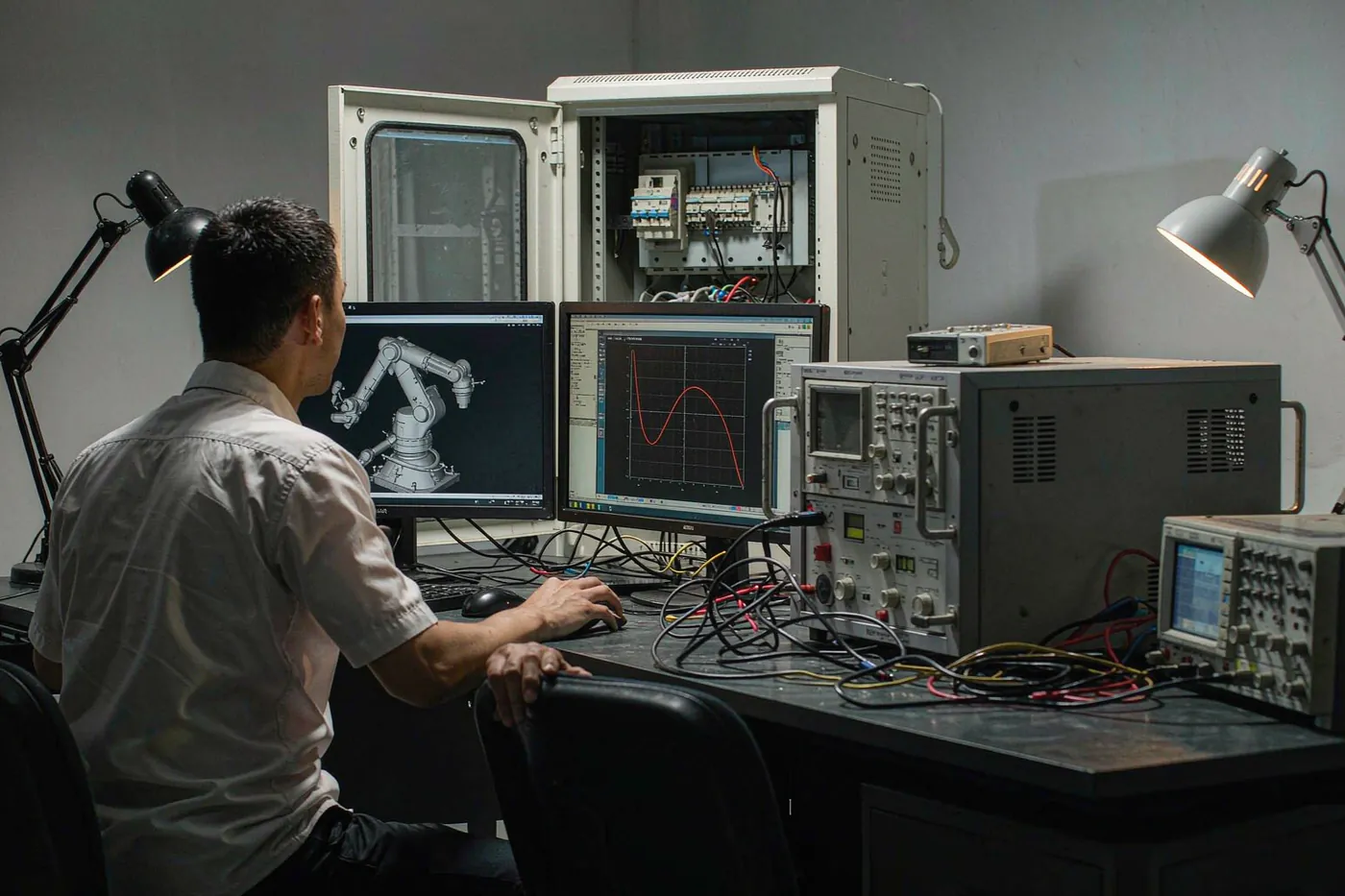
- Offline simulation: Validate beat earnings in the simulation environment before renovation
Typical case indicators
| Scene | Before optimization | After optimization |
|---|---|---|
| Beats at the palletizing workstation | 7.2 pieces per minute | 8.5 pieces/min (+18%) |
| Welding workstation vibration in place | Wait steadily for 0.6 seconds | 0.2s (vibration suppression) |
| Dual-machine interference zone | Fixed timing waiting | Dynamic timing (-1.1s/cycle) |
The contradiction between beat and precision is reconciled by movement programming algorithms
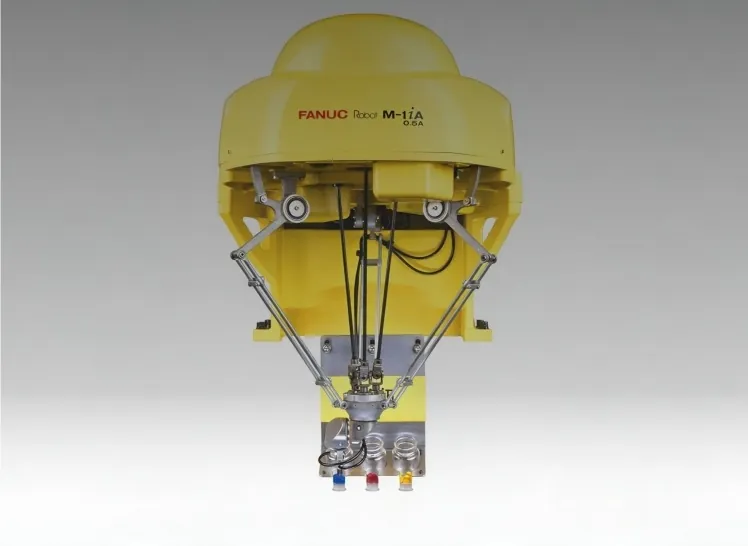
The essence of robot motion control lies in:The timing is optimalGive meSmooth and preciseBalancing between them: Acceleration maxes out the beat for the fastest time, but excitation can cause abnormal trajectories and premature gear wear. Mature motion control requires four things: acceleration and deceleration curve planning (S-curves replace trapezoidal curves to suppress flexible excitation), vibration suppression (input shaping and feedforward compensation), singularity avoidance (early detour in attitude abrupt regions), and multi-axis coordination (linkage interpolation between the main body, positioner, and guide rails).
| Problematic phenomena | Typical root causes | Optimize the methods | Expectations are improving |
|---|---|---|---|
| The beat does not reach the design value | Conservative acceleration and deceleration parameters, redundant idle travel paths, and no overlapping actions | S-curve parameter tuning, trajectory reconstruction, and overlapping grip-and-place actions and movements | Beat: -10%~-25% |
| The end of the trajectory shakes | Insufficient rigidity excitation, sudden velocity changes near singularities, and reducer backlash | Input shaping filtering, singular region bypass planning, backlash compensation | Shatter amplitude is over -50%. |
| Positioning accuracy drift | Thermal deformation, zero drift, and calibration errors of tool coordinate systems | Laser tracker calibration, thermal compensation model, periodic zero calibration procedures | Repeatability returns to factory grade |
| Multi-machine interference risk | Shared workspaces lack collaborative logic | Interlocking signals in interfering zones, collaborative scheduling algorithms, and simulation verification | Interference incidents are zero |
| Length of model adjustment time | The point positions were manually adjusted using a teach pendant | Offline programming + parametric recipes, model change program without adjusting point positions | Change time is over -60%. |
Offline programming and digital twin: bringing commissioning into the computer
The pain point of traditional teach pendant programming is:Taking up production time—Engineers keep running robots around the production line, so the line has to stop. Offline Programming (OLP) integrates trajectory planning, accessibility checks, interference verification, and beat simulation into 3D digital models, and after program generation, it is downloaded all at once for real-world fine-tuning. For multi-variety production lines with frequent model changes, offline programming is almost a must.

Our offline programming services cover mainstream platforms such as FANUC (ROBOGUIDE), ABB (RobotStudio), Yaskawa (MotoSim), Kawasaki (K-ROSET), and KUKA (Sim Pro), and also support Visual Components for cross-brand full-line simulation. The simulation report includes: accessibility analysis, interference checklist, beat breakdown table, and before-and-after comparison of optimization.
Deliverables of motion optimization services
- "Beat Diagnostic Report": Time Breakdown and Optimization of Spatial Quantification for Each Action Segment
- Optimized bot program (with comments) and parameter change records
- Trajectory accuracy test report: actual data measured by laser tracker or dial indicator
- Offline simulation model files: can be reused after model changes
- Operational training: Customer engineers master daily adjustments and participate in point maintenance
In-depth Q&A
Will optimization affect equipment warranty?
Parameter-level optimization (acceleration/deceleration curve, trajectory points) does not involve hardware changes and does not affect the warranty of the main unit; If the equipment is out of warranty, there is no such concern. All original programs and parameters are backed up before changes and can be rolled back at any time.
Is it necessary to install sensors for vibration suppression?
Most don't. Model-based input shaping and feedforward compensation can be implemented using existing controllers; Only in long-arm operating conditions with particularly high flexibility should we consider adding an accelerometer for active vibration suppression; we will assess the necessity during the planning stage.
Tell us your production line requirements
Process, cycle, budget, site conditions—the more specific you are, the more executable the plan. Local teams in Nanchong will be coordinated, and on-site inspections will be available in Sichuan, Chongqing, Yunnan, and Guizhou.
Contact usView all services