PLC and control system development
PLC/HMI/SCADA program development integrates with MES/ERP data, enabling device data to truly flow.
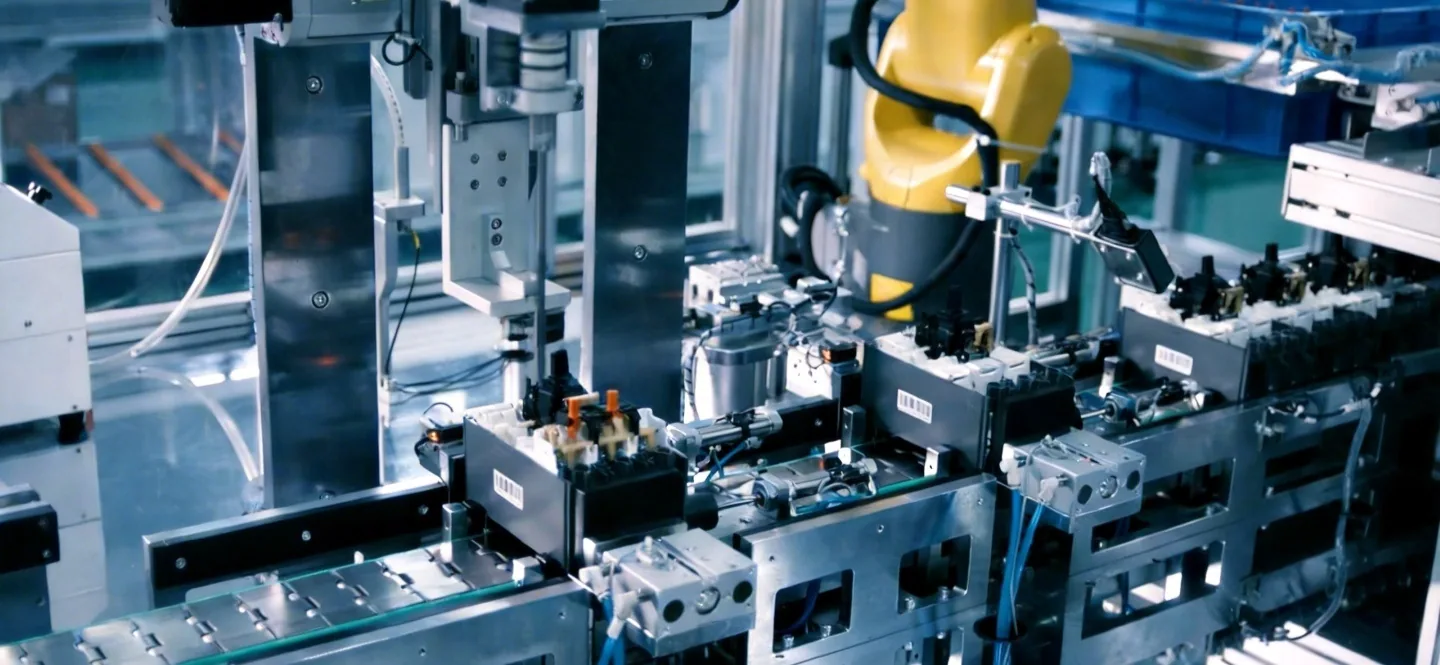
The control system is the nervous system of the production line. We do program development and data integration: equipment status, output, alarms, and process parameters are collected and reported using a unified model. Management can see real-time dashboards and trace every record.
Development scope
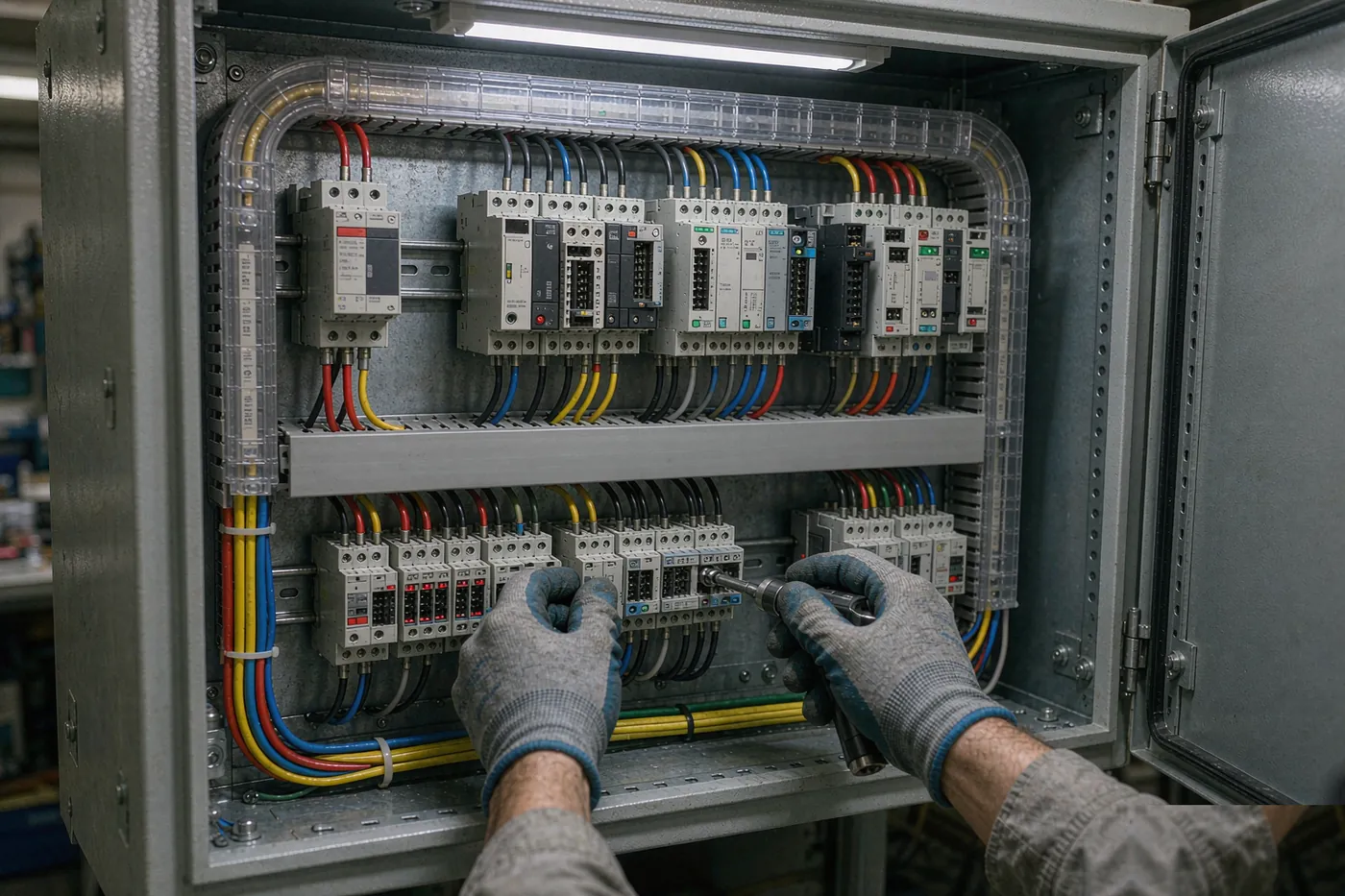
- PLC programs: mainstream platforms such as Siemens, Mitsubishi, Omron, and Inovance
- HMI Screen: Operation guidance, formula management, alarm assistance
- SCADA: Data collection, historical trends, reports, and dashboards
- Data integration: OPC UA / Modbus TCP / MQTT integrated with MES and ERP
- Safety Program: Safety PLC and emergency stop circuit logic
Documentation and handover
All programs come with comments and version management; At handover, electrical diagrams, IO sheets, program instructions, and backup media are provided, so any subsequent integrator can take over maintenance without technical barriers.
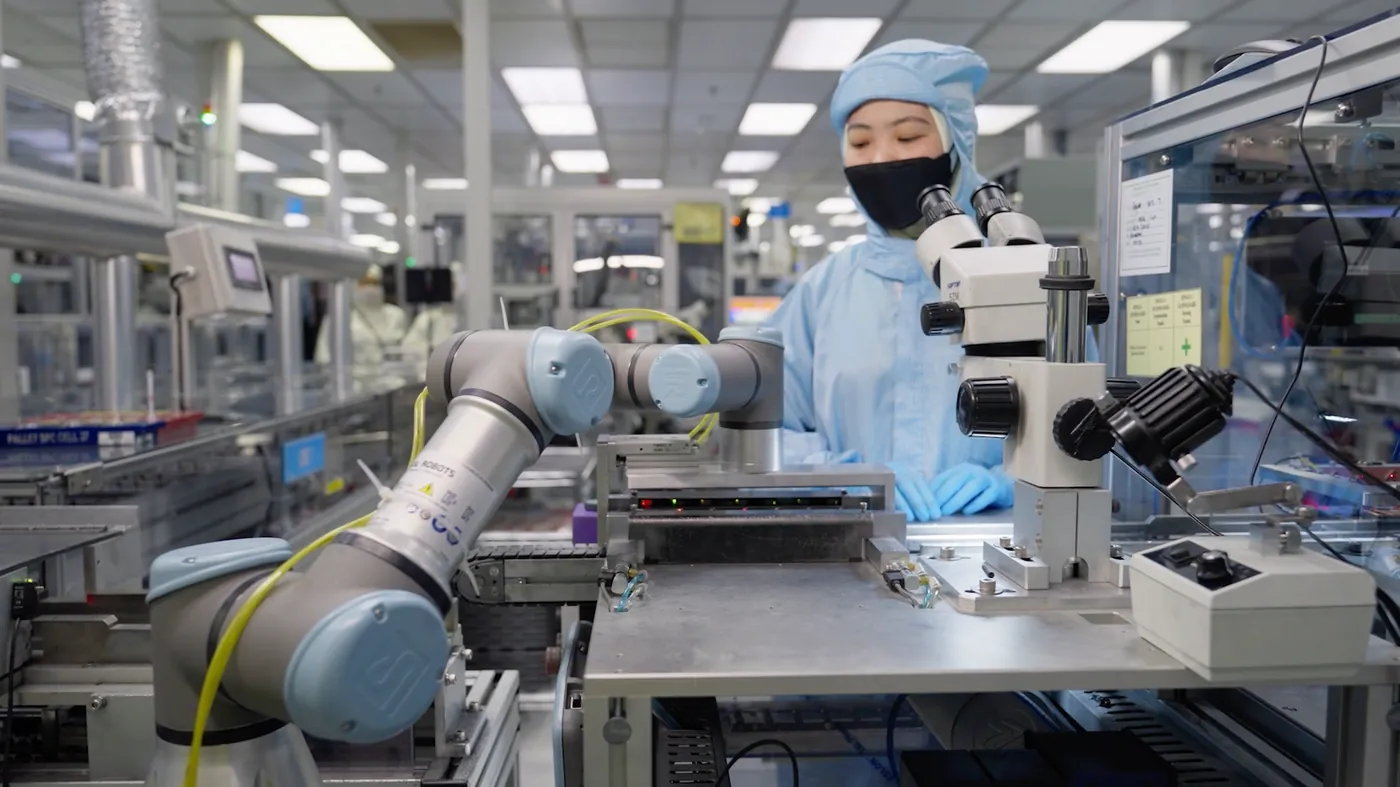
The foundation of industrial digitalization: from equipment control to data flow
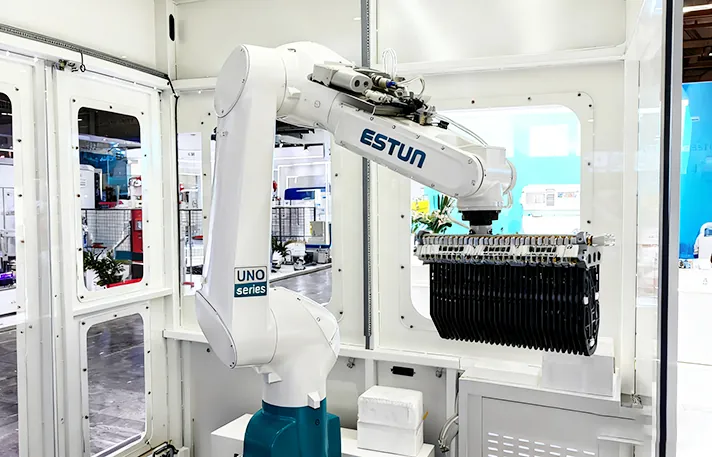
PLC is the "cerebellum" of the production line, while SCADA/MES is the "cerebral cortex." The practical path to digitalization in manufacturing is to connect three layers:Equipment layer(PLC controls robots, special machines, conveyor lines, completing actions and interlocking),Collection layer(OPC UA / Modbus TCP / MQTT gateways centrally collect status, output, alarms, and process parameters),Application layer(Real-time monitoring of SCADA dashboards, MES work orders, traceability, and performance analysis).
The industry situation is that many factories are stuck on the second layer: equipment is running, but data can't be released. The usual reasons are insufficient communication capabilities of old PLCs, incompatible protocols among different brands, and lack of a unified data model. This is precisely the entry point for control system development services—without overturning existing equipment, using gateways and middleware to "translate" data.
| Platform | Typical series | Our scope of development | Common application scenarios |
|---|---|---|---|
| Siemens | S7-1200 / 1500 | TIA Portal Full Stack: Program, HMI (WinCC), motion control, safety PLC | Overall control and process control for medium and large production lines |
| Mitsubishi | FX5U / Q / iQ-R | GX Works program, GOT touchscreen, CC-Link network | Special machine control and Japanese equipment support |
| Omron | NJ/NX/CP series | Sysmac platform, EtherCAT motion control, vision integration | High-speed packaging and precision assembly |
| Huichuan | AM / AC / H5U | InoProShop program, servo linkage, and domestic system integration | Domestic substitution, cost-sensitive projects |
| Rockwell | CompactLogix / ControlLogix | Studio 5000, EtherNet/IP network | American equipment supporting and export production lines |
Data integration: make every device speak the same language
We follow three principles when doing data integration:Unified information model— Equipment status, output count, alarm codes, and process parameters are defined according to unified naming and structure; newly added equipment expands according to the model, without a bunch of point-to-point patches;Harvest and calculate as you go— OEE (Overall Equipment Effectiveness), utilization rate, and defect rate are calculated at the edge, with dashboards refreshed in seconds, preventing all raw data floods from being dumped onto servers;Transmission was cut off and resumed— Local gateway caching, automatic network restoration re-upload, ensuring traceability data integrity.
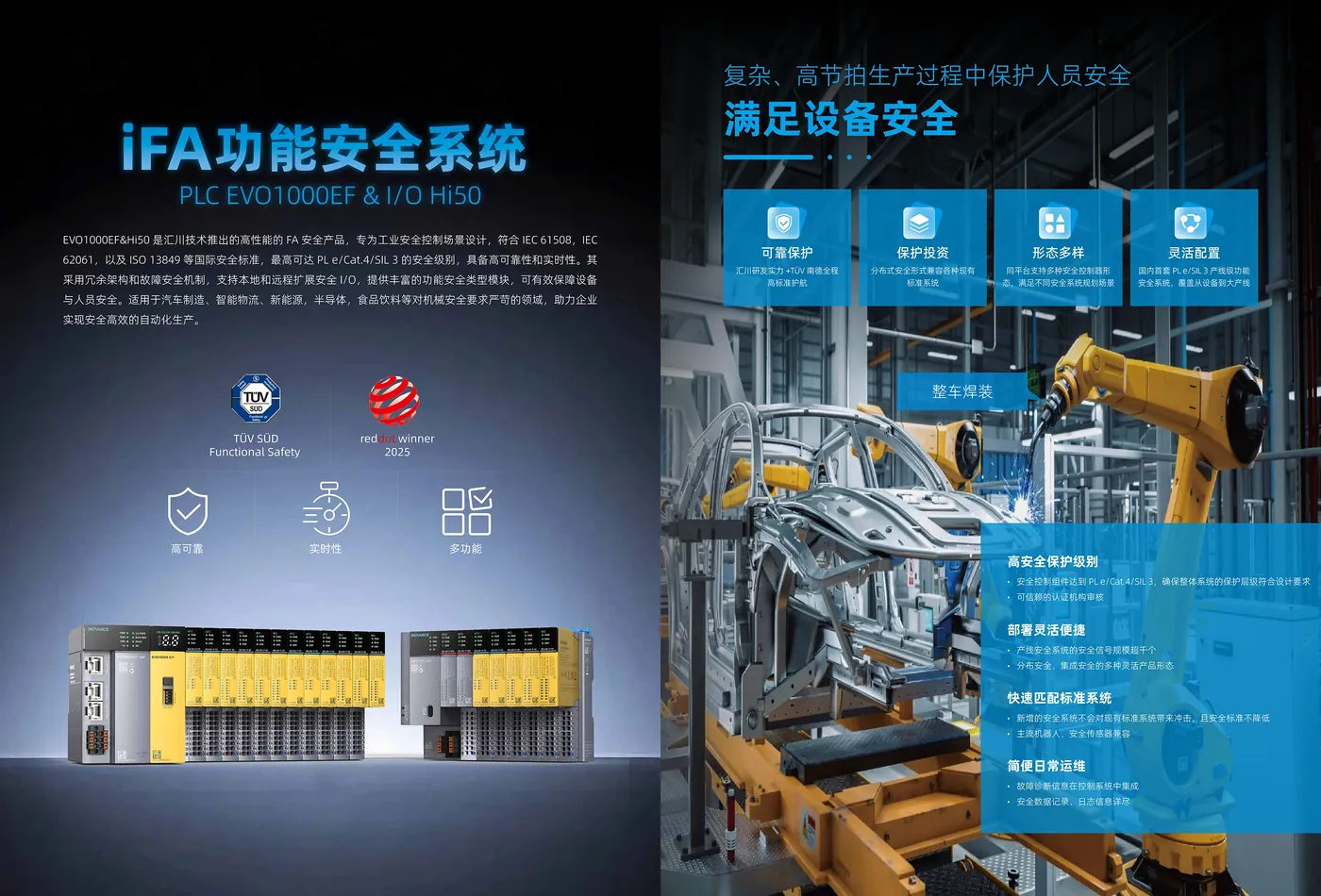
Supports four mainstream methods: OPC UA, REST API, database intermediate tables, and MQTT for MES/ERP integration. For factories without ready-made MES, we provide lightweight SCADA solutions to get started: production line dashboards, equipment status, output statistics, alarm pushes (WeCom/SMS), reserved upgrade interfaces for data models, and no need to start over when implementing MES.
Safety procedures and compliance design
- Safety PLC program: The logic of emergency stop circuits, safety doors, and light curtains is verified according to ISO 13849 PLd-level design
- Safety Function Test Report: Each safety circuit is tested and archived individually for safety supervision and factory inspection
- Program version management: Git version library + change notes, each modification can be retroactively rolled back
- Permission leveling: Operator/Process Technician/Engineer have three levels of authority; recipe modifications require operation logs
- Backup system: The entire set of backup media for programs, HMI screens, and configuration files is handed over with the device
In-depth Q&A
Is data migrating to the cloud secure?
Two options are available: on-premises deployment (SCADA servers are in-factory, data does not leave the factory), suitable for clients with high confidentiality requirements; Cloud deployment (Alibaba Cloud/Tencent Cloud, encrypted transmission) is suitable for multi-site group Kanban. For sensitive industries such as military and aerospace, we only do local deployment.
How to collect data on old devices without communication ports?
Three-tier solution: Ethernet port running Modbus TCP; Only serial ports are used via RS485 gateways; For older devices with no communication ports, add IO acquisition modules to read hard signals for operation/alarm/count, which is low-cost and does not require the original program.
Can we make changes ourselves after the procedure is handed over?
Yes. Complete program notes and structural explanations, with 2 days of on-site training during handover; Our program is unencrypted and has no access barriers. You can also sign a technical support contract and respond to changes on a per-time basis.
Tell us your production line requirements
Process, cycle, budget, site conditions—the more specific you are, the more executable the plan. Local teams in Nanchong will be coordinated, and on-site inspections will be available in Sichuan, Chongqing, Yunnan, and Guizhou.
Contact usView all services