Development of non-standard specialized machines
Custom development of specialized equipment for tightening, labeling, inspection, and press-fitting, as well as efficiency supplementation for small-batch, multi-variety production lines.
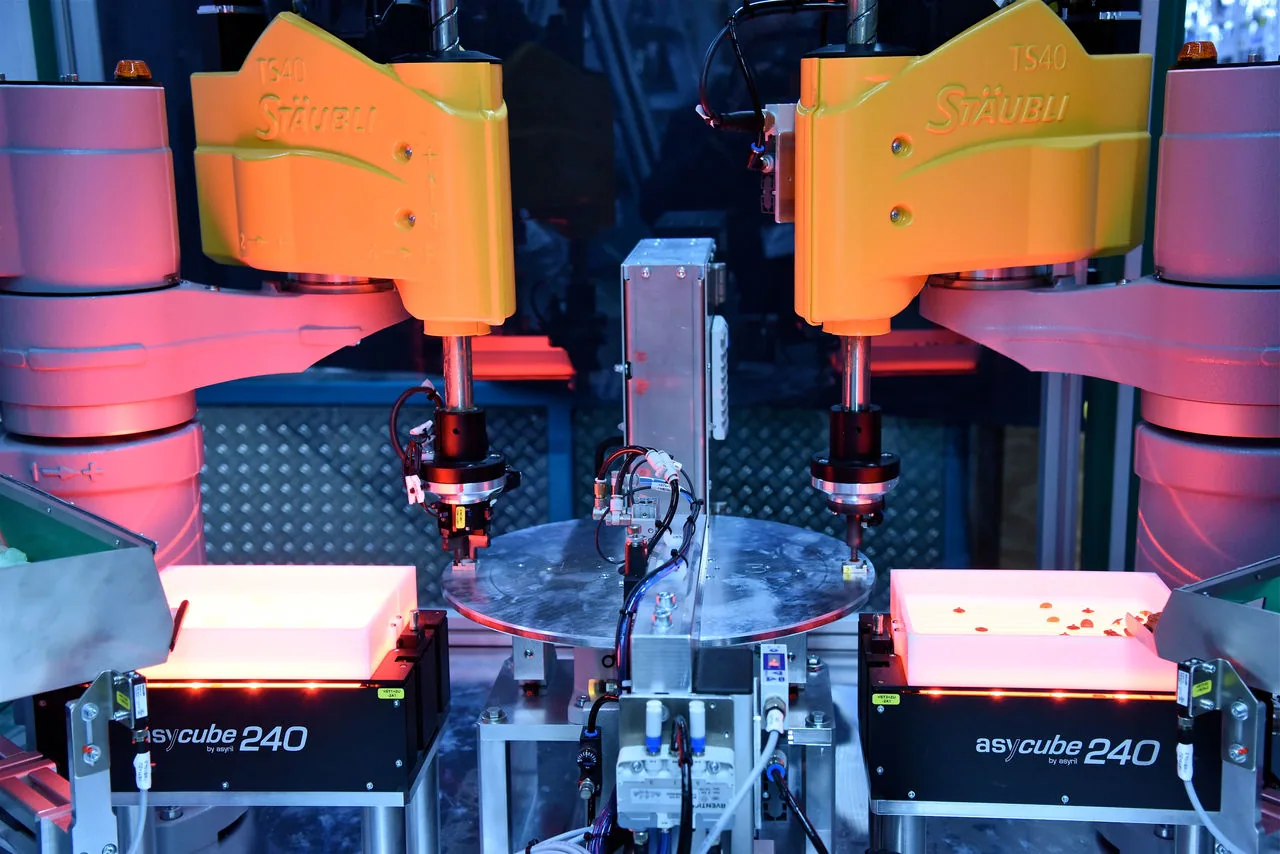
Standard equipment solves common problems, and dedicated machines solve the "bottleneck" workstation on your production line. We have handled specific issues such as unqualified tightening torque, misaligned labeling, and unstable press-fit depth. The approach is to first test the process window, then determine the mechanical plan, and finally accept it with production capacity data.
Delivered dedicated aircraft type
| Specialized aircraft types | The core issues to be addressed | Key indicators |
|---|---|---|
| Multi-axis automatic tightening machine | Torque/angle is not qualified or is not tightened | Torque CPK, missed tightening detection rate |
| Online labeling and coding machine | Labels are crooked, and codes are unreadable | Labeling accuracy and code reading rate |
| Servo pressing machine | Press-fit depth/pressure is unstable | Pressure-displacement curve determination |
| Dedicated visual inspection machines | Manual oversight and lapse time | Detection rate, false positive rate, UPH |
Development principles
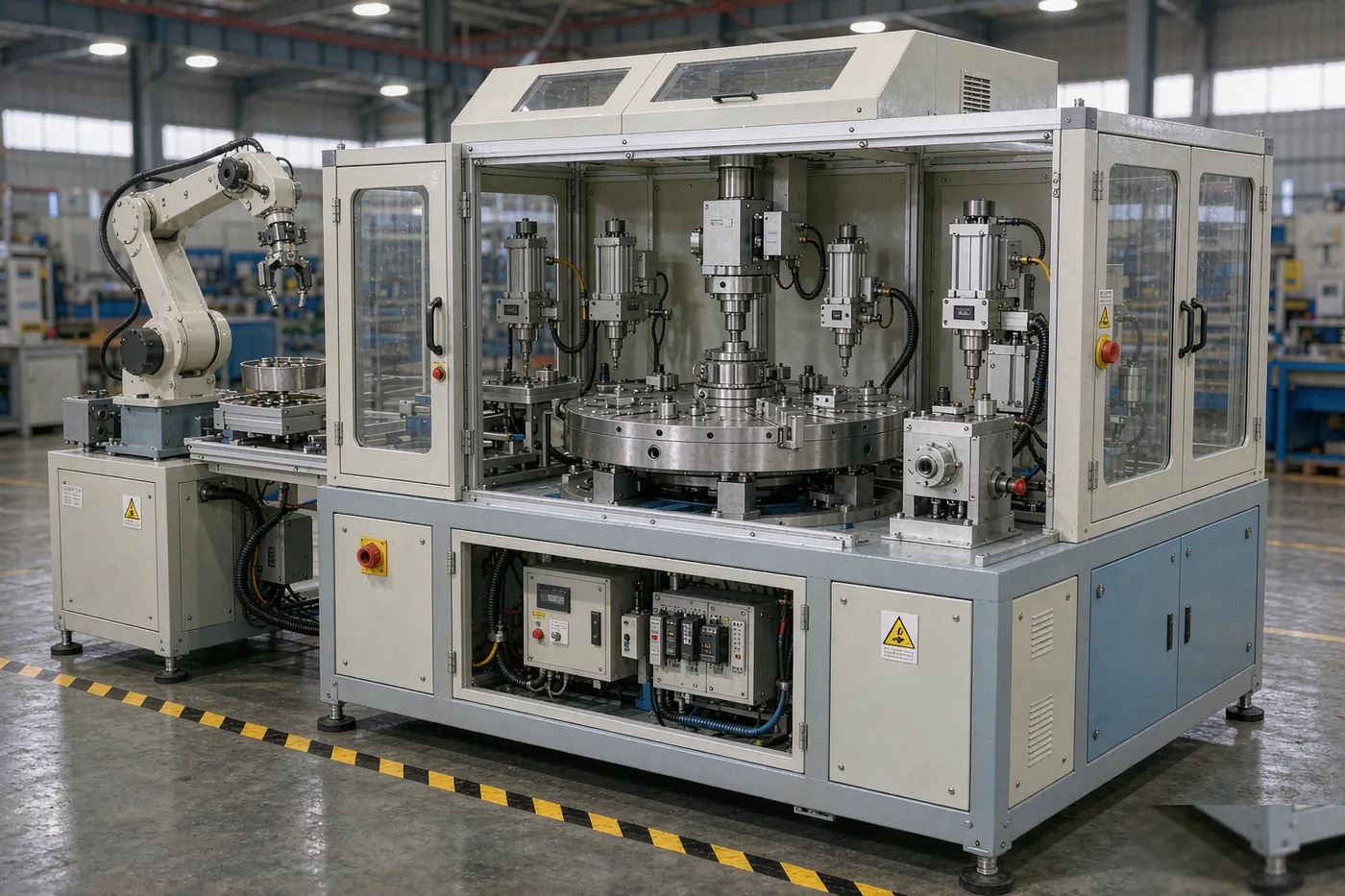
- Process first, mechanism later: Do not release the complete machine plan before the process window is clearly measured
- Maintenance priority: Standardized wear parts, model change adjustment within 15 minutes
- Data traceability: Key parameters can be uploaded to MES or archived locally for traceability
When should we use special machines instead of robots?
Not all automation needs robots. In scenarios with single processes, fixed movements, and high tempo requirements, specialized machines are often more economical than robots: simple press-fitting of six-axis robots, which cost 30%–50% more, is a typical overdesign. The advantages of private jets are:Fast cycle, strong rigidity, simple maintenance, and low unit price; The disadvantages are poor flexibility and difficulty in changing shapes.
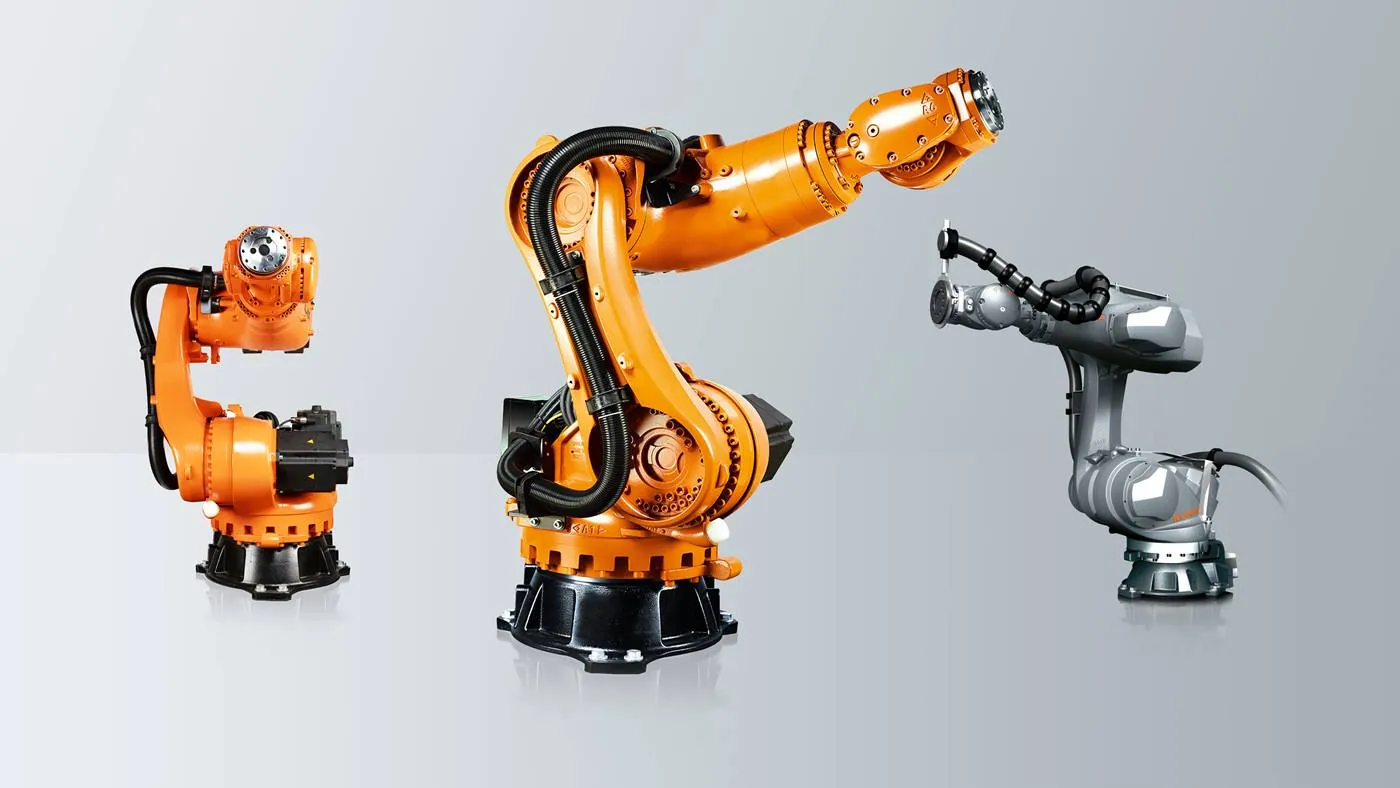
Our criteria: process lifecycle of over 3 years, stable product form, and cycle time requirement of ≤2 seconds per piece—priority dedicated machines; Frequent product changes, complex and multi-dimensional movements, and the need for human-machine collaboration — prioritize robots; Somewhere in between—a mix of robots + special machines, each doing what they do best.
| Specialized aircraft types | Typical applications | Key technical indicators |
|---|---|---|
| Quantitative pressing machine | Interference assembly of bearings, bushings, and pins | Press-fit force 0.5–50kN, displacement monitoring accuracy ±0.01mm, and force-displacement curve fully traceable |
| Automatic coating dedicated machine | Glue the sealing rings, apply anti-loosening agent to the threads, and apply oil to the surface | Coating trajectory accuracy ±0.2mm, adhesive consistency CV ≤5%, visual re-inspection |
| Multi-axis lock attachment special machine | Multiple screws are locked in sync, with torque angle monitoring | Torque accuracy ±3%, angle monitoring, missed and wrong lock detection, data upload to MES |
| Visual sorting machine | Part orientation identification, defect removal, and dimensional classification | Sorting speed: ≥60 pieces/minute, recognition accuracy ≥99.5% |
| Automatic inspection dedicated machine | Airtightness testing, dimensional measurement, functional testing | Airtightness detection resolution 1Pa, repeatability GRR ≤10% |
Three design principles for specialized machine development
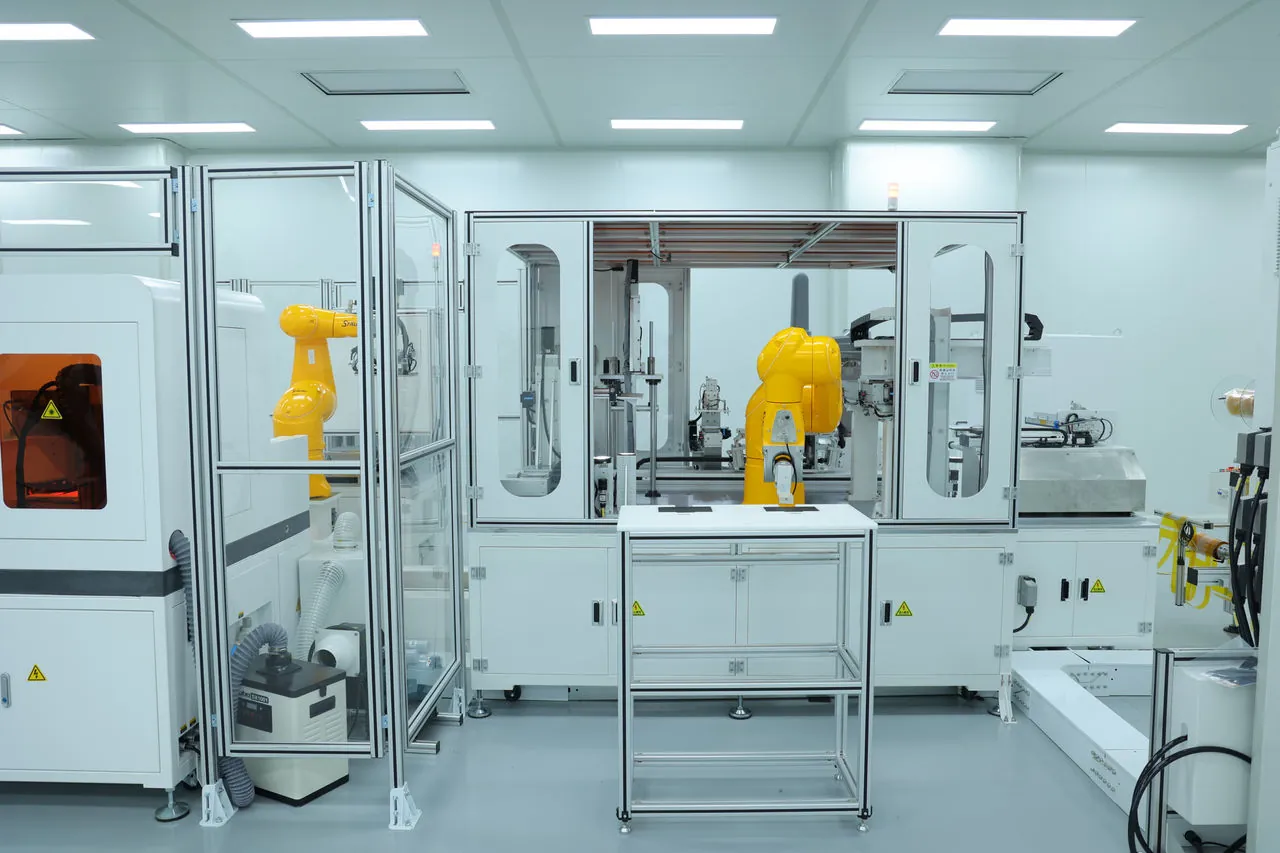
Modularity:Base, workstation, clamping, execution, and inspection modules are designed independently; during product upgrades, only clamping and programming are changed, and the main frame is reused—this is the key to controlling the full lifecycle cost of the special machine.
Data-driven:The special machine is not just "moving"; each operation process data (press assembly curve, torque value, inspection results) must be collected and stored, meeting the traceability requirements of the automotive industry IATF 16949 and general manufacturing.
Foolproofing:The interface is designed as "10-minute hands-on for operators," with model changes using program + positioning pins instead of mold disassembly and assembly, and daily inspection items are made into lists and posted on the machine.
Frequently Asked Questions
How to compare a special machine and a robot solution?
Given us process descriptions, cycle time requirements, and product change frequency, we present two cases for comparison: investment amount, cycle time, flexibility, maintenance cost, and 5-year total cost of ownership (TCO) clearly listed. You make decisions based on data; we do not strongly recommend robots.
Who repairs a broken private jet after delivery?
We repair. The mechanical, electrical, and programming of the special machines are all designed and manufactured by us. With drawings and programs in hand, maintenance responses are faster than purchasing external equipment; Annual maintenance contracts can also be signed, including regular inspections and replacement of wear parts.
Can we focus solely on design and not manufacturing?
Yes, you can. Some customers have their own machining capabilities; we provide drawings + BOM + assembly guidance + commissioning services, with the manufacturing process completed by the customer and costs correspondingly reduced.
Tell us your production line requirements
Process, cycle, budget, site conditions—the more specific you are, the more executable the plan. Local teams in Nanchong will be coordinated, and on-site inspections will be available in Sichuan, Chongqing, Yunnan, and Guizhou.
Contact usView all services