
The international top four in embodied AI
Who has left verifiable operating records on real production lines
Top-four landscape: ranked by evidence strength
As of mid-2026 the verifiable deployment evidence ranks: Agility (65,000+ hours, 9 customer sites, GXO/Toyota commercial contracts) > Figure (1,250 hours / 90,000 parts / 99% accuracy at a single BMW plant, independently confirmed by BMW) > Boston Dynamics (mass-production electric Atlas delivered to Hyundai and DeepMind, production-line work from 2028) > Tesla (Optimus line under construction; Musk states it is "not yet used in a substantive way in factories"). This ranking reflects the depth of "public operating data," not technical standing.
| Manufacturer / model | . /degrees of freedom | Load | Verified operating data | Training-data roadmap |
|---|---|---|---|---|
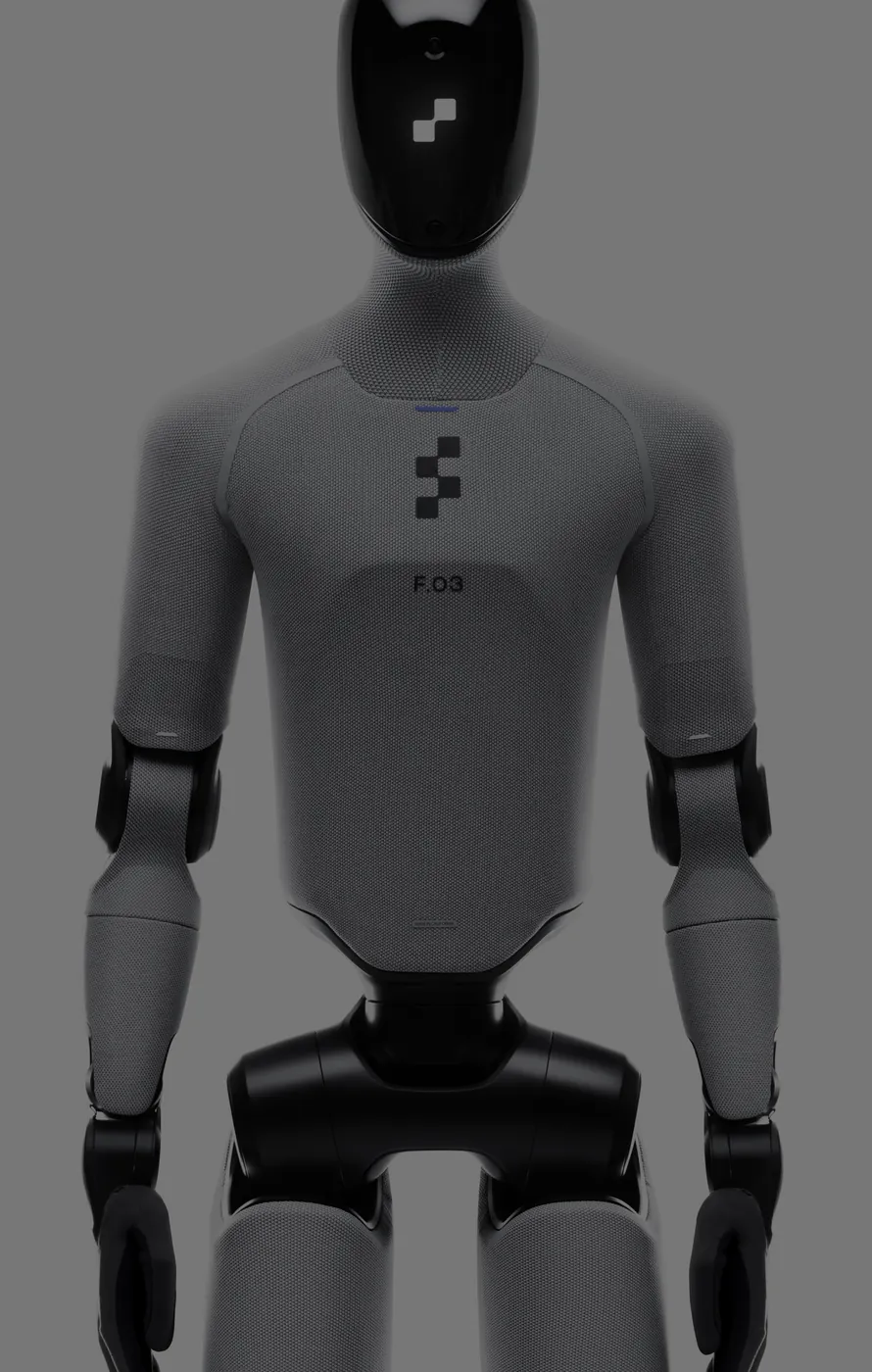
| Figure 02→03 | Bipedal humanoid | approx. 20–25 kg (Figure 02 public metric) | BMW Spartanburg: 1,250+ hours, 90,000+ parts, 99%+ accuracy, 84 s cycle time | Real-machine pilots + voice-command interaction data |
| Agility Digit | Bipedal + ostrich-leg hybrid | approx. 16 kg | GXO: 100,000+ totes, 65,000+ hours, and a commercial contract with Toyota Canada | RaaS: continuous data return from multiple customer sites |
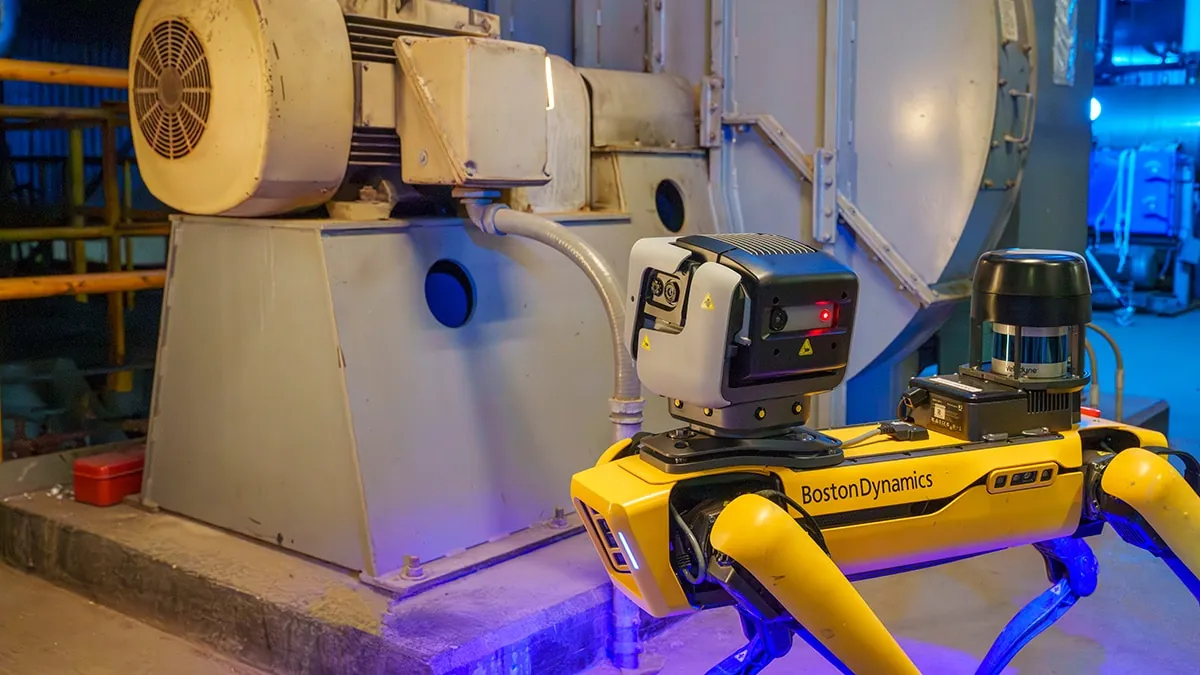
| Boston Dynamics Atlas (electric mass-production version) | Bipedal humanoid, 56 DoF | 50kg | Delivered to Hyundai Metaplant and DeepMind in 2026; part-sequencing work from 2028 | Real-world task data jointly with Hyundai/DeepMind |
| Tesla Optimus Gen3 | Bipedal humanoid | No audited figure published officially | Fremont line under construction; Musk: not yet in substantive factory use | Motion-captured human actions + imitation learning + Dojo supercomputer |
Training and testing data: three schools
Figure takes the "voice-to-action closed loop": the robot receives spoken commands, plans an action sequence, confirms verbally and executes, with pilot data feeding back into Helix. Agility takes "RaaS fleet return": each commercial site's tote paths and failure recoveries enter the training set. Tesla takes "human motion-capture distillation": workers wear motion capture to collect demos, then distill them into neural policies — which is also why its data cost is lowest but its real-machine validation weakest.
On testing metrics, the 2026 industry consensus is the "three looks": look at operating hours rather than demo videos, at placement/grip accuracy rather than a single success-rate point, and at exception recovery (jams, slips, resuming after power loss) rather than performance in ideal conditions. BMW's Physical AI Production Excellence Center for Figure is a sample of institutionalizing these metrics.